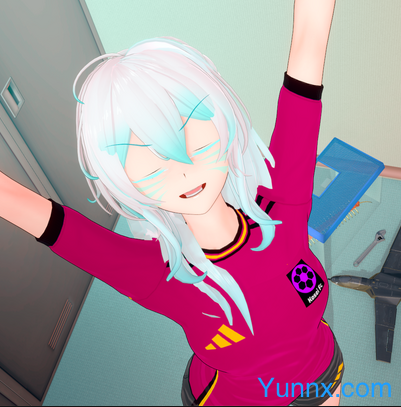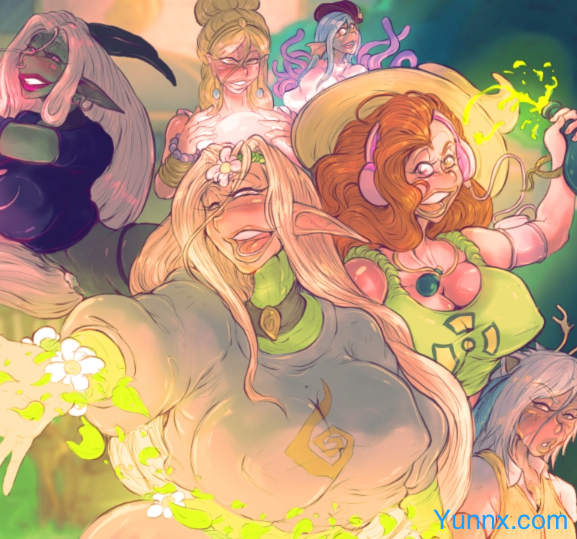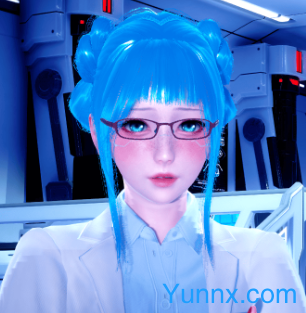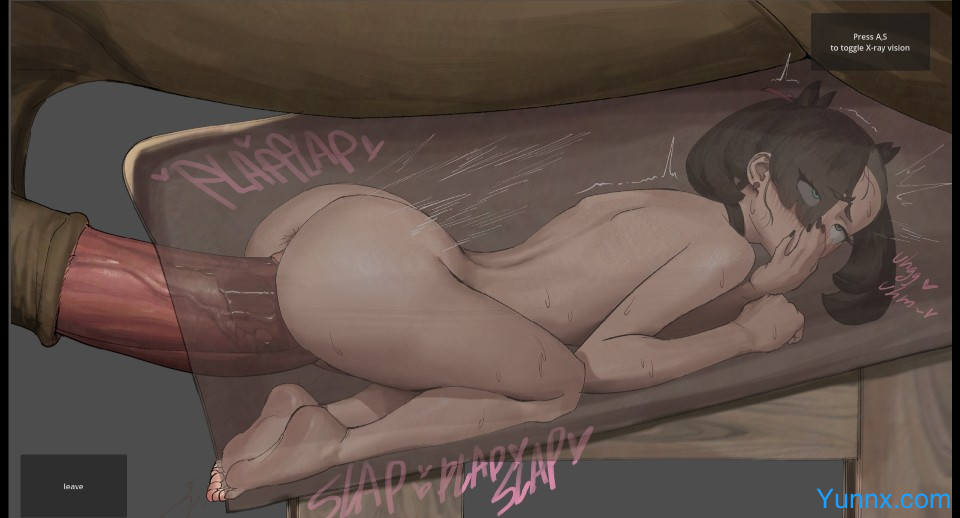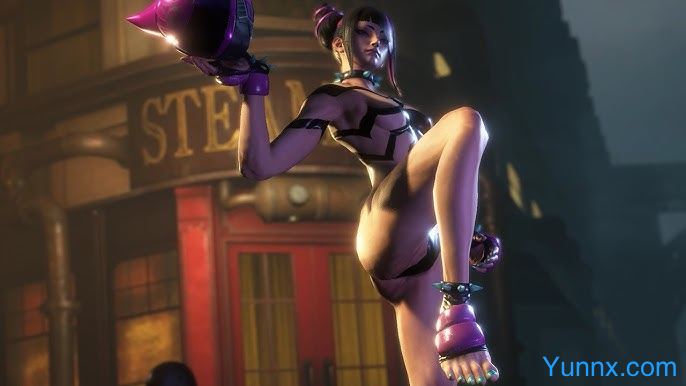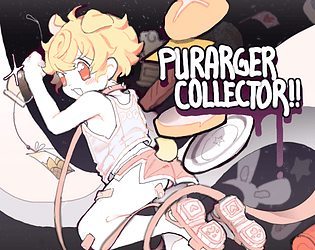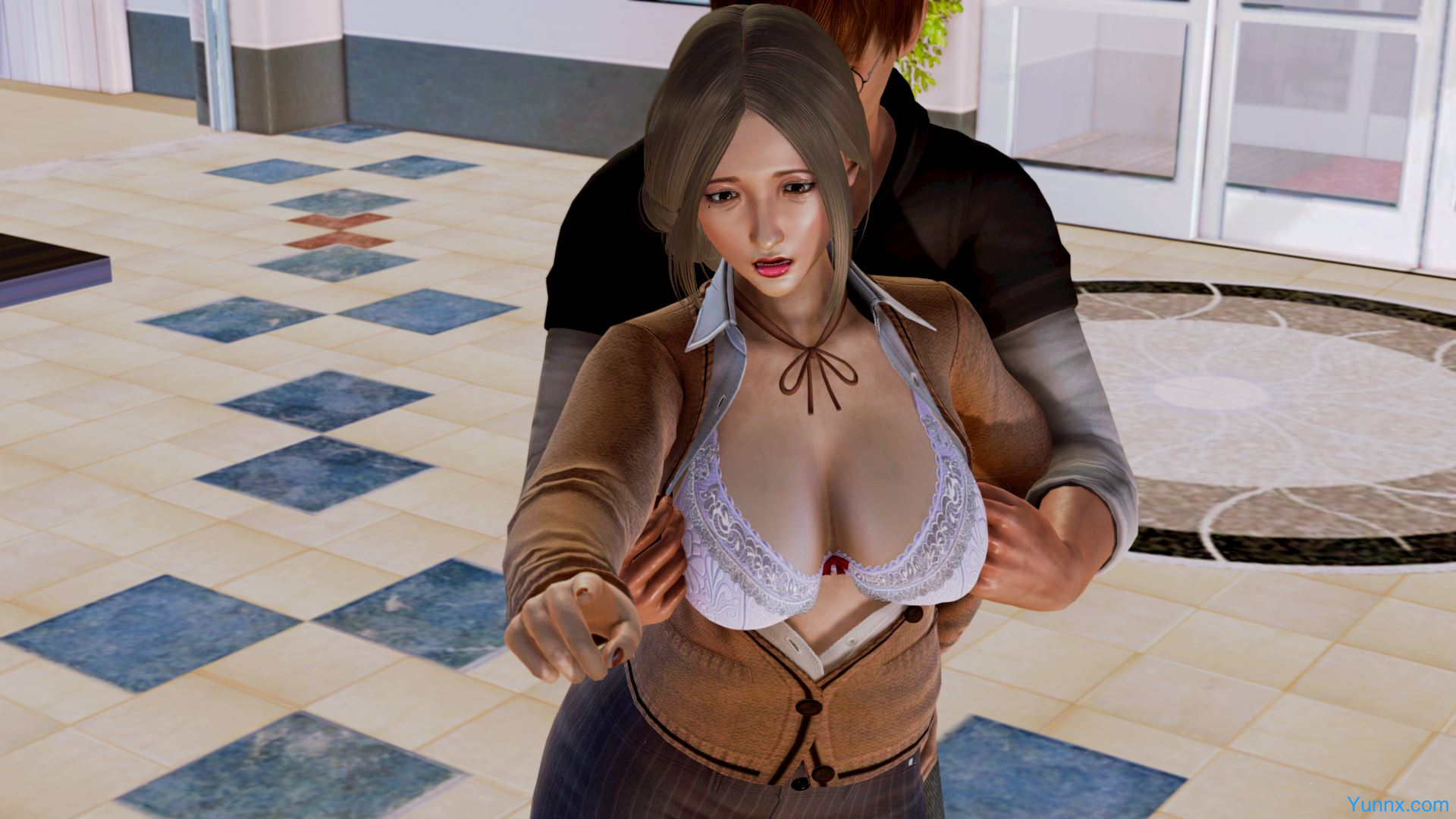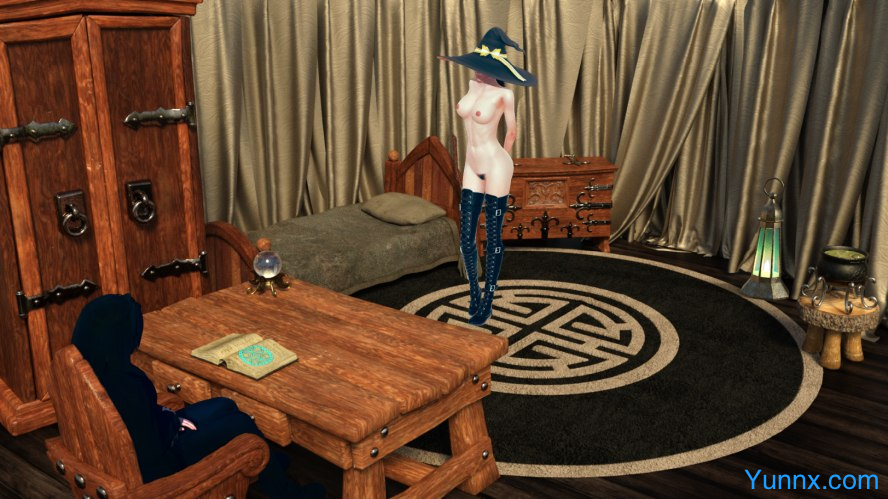

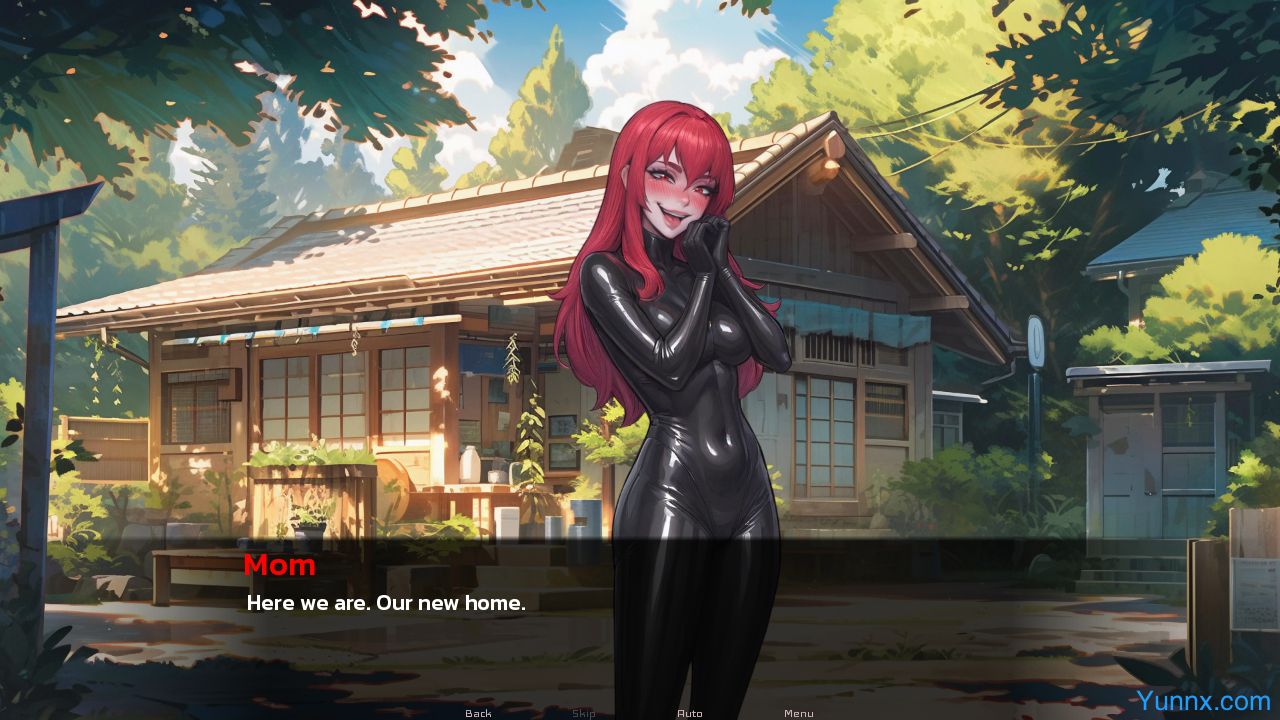
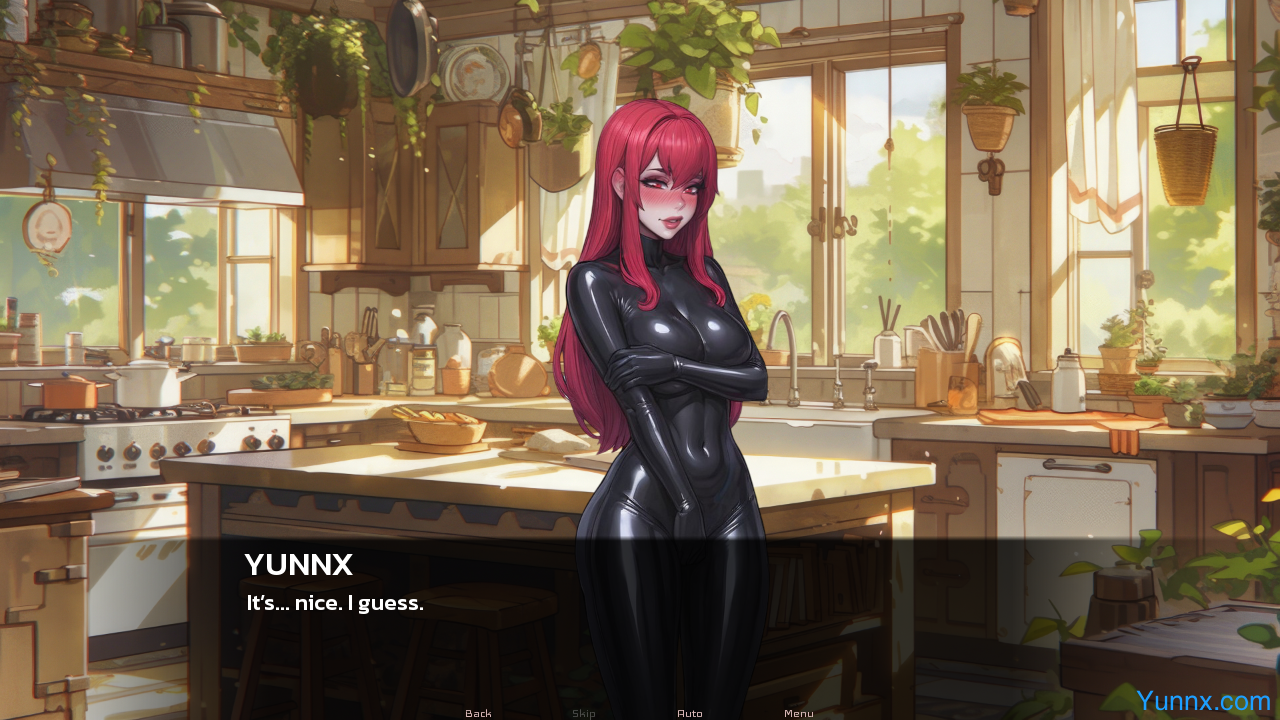
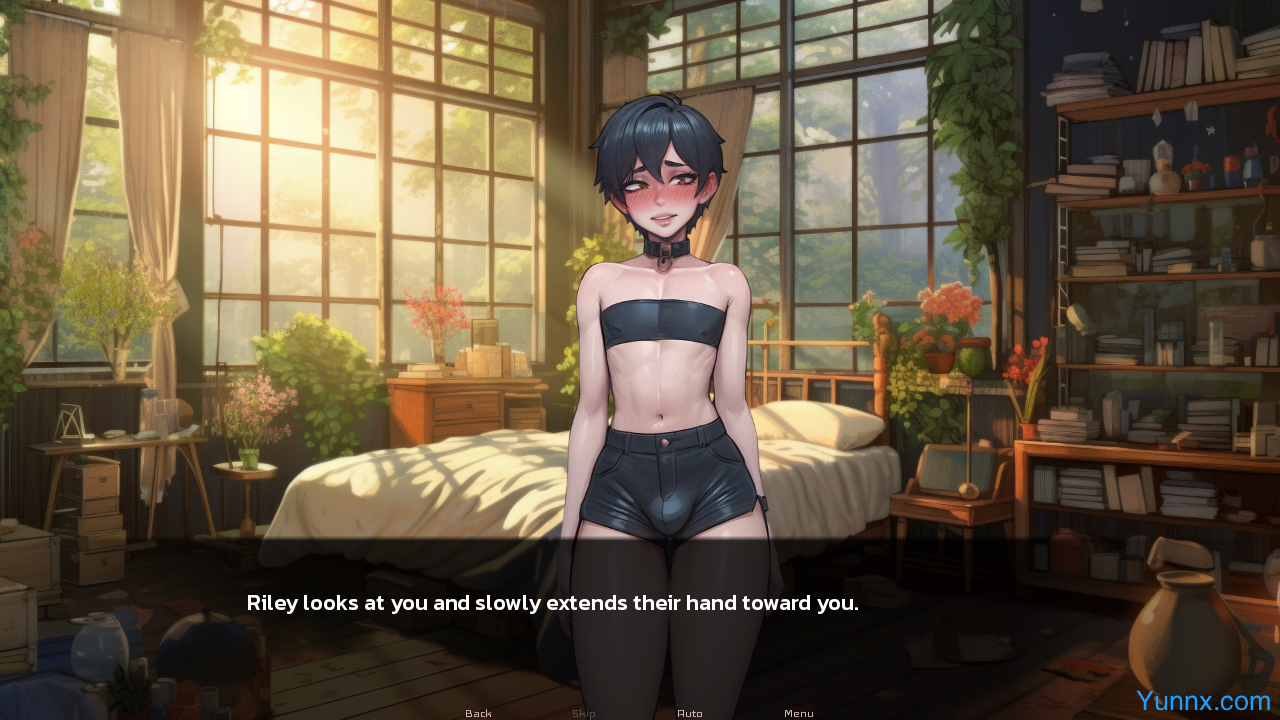
Unravel a surreal odyssey where identity dissolves and desires reshape reality. Experience a narrative-driven puzzle game that questions the boundaries of self, sexuality, and sanity through a kaleidoscope of fluid characters and fractured minds.
Game Instructions
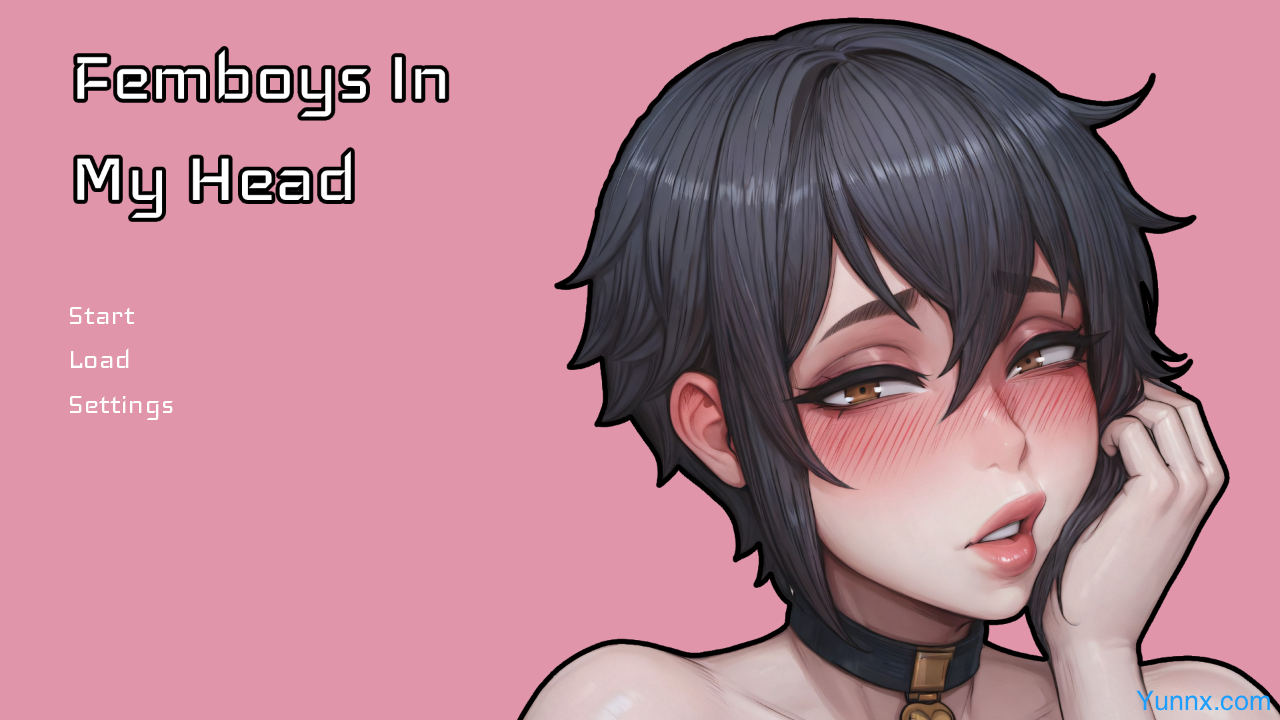
Confirm player is 18 years old
Set up gameplay settings
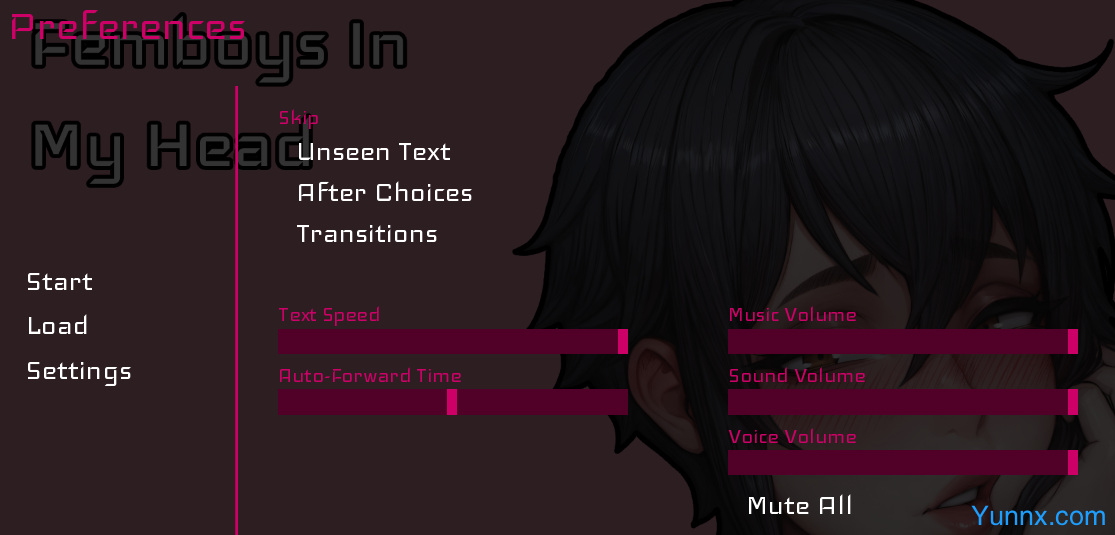
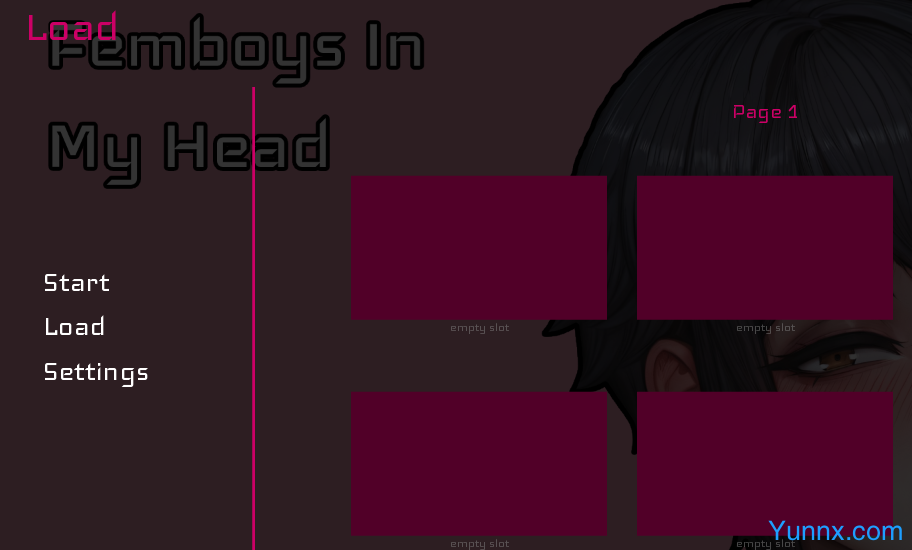
View or read saved files
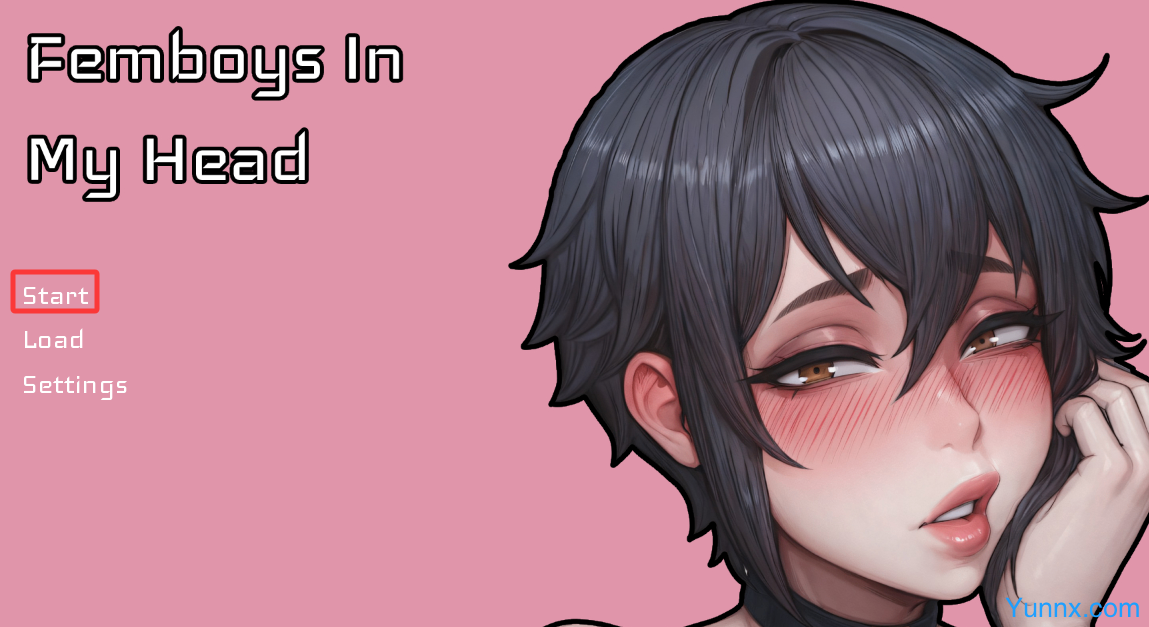
Start game
Set player name

A World of Fluid Boundaries
• Gender-Fluid Identity Exploration: Traverse shifting mental landscapes where characters defy binary definitions, embodying fluid expressions of masculinity, femininity, and the abstract in between.
• Non-Linear Narrative Layers: Decisions fracture timelines, revealing alternate realities tied to a protagonist’s unstable psyche. Every choice echoes through hallucinatory flashbacks and surreal dreams.
• Psychological Horror Elements: Delve into nightmarish environments that mirror the mind’s chaos—think melting cityscapes, shifting genderscapes, and entities born from repressed desires.
Core Gameplay Mechanics
1. Dynamic Dialogue Systems: Converse with AI-driven "Femboys"—genderfluid entities whose personalities evolve based on your approach, forcing players to navigate ambiguity in their motives and identities.
2. Mind-Bending Puzzles: Solve paradoxes tied to perception, such as altering an NPC’s gender to access restricted areas or merging dual perspectives to resolve contradictions.
3. Moral Ambiguity Choices: Every interaction risks destabilizing your psyche or the game’s fragile world—sacrificing a character may unlock truth, but at the cost of unraveling reality.
Art & Audio Design Innovations
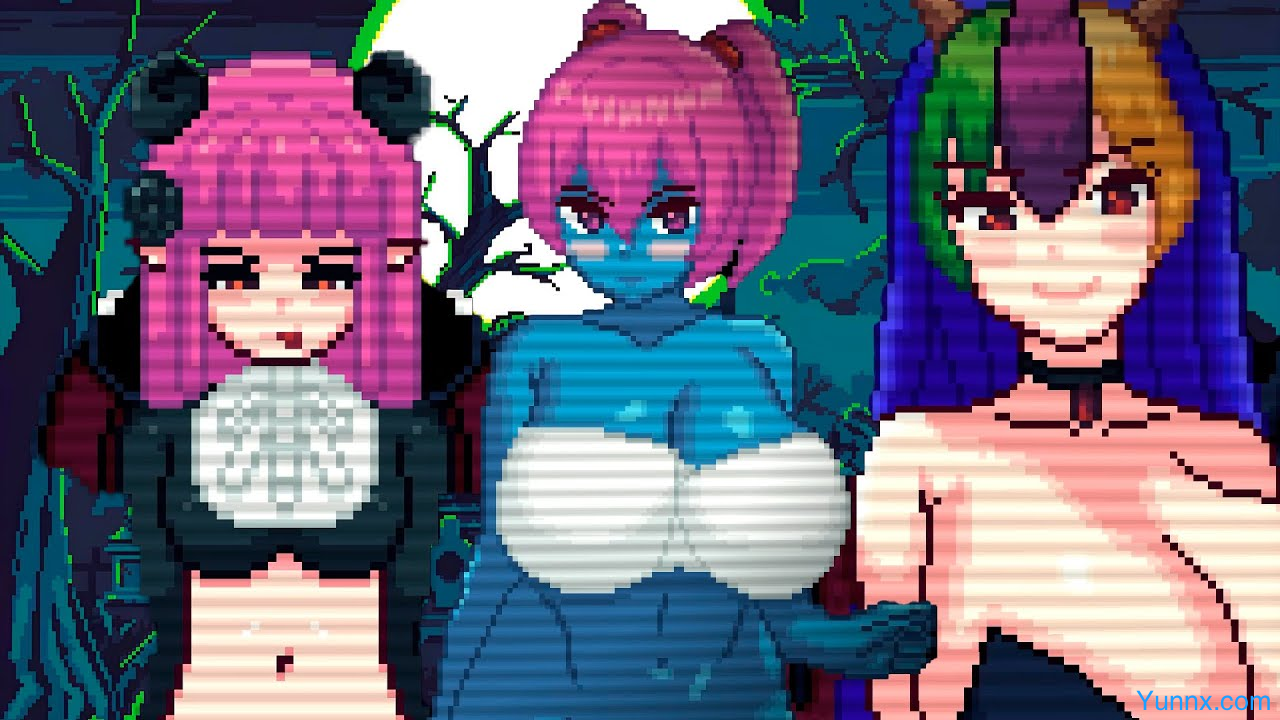
• Fluid Visual Aesthetic: Characters transition seamlessly between genders via color shifts (vibrant blues to warm pinks) and morphing silhouettes, symbolizing the fluidity of identity.
• Adaptive Soundtrack: Electronic melodies warp and fragment in sync with the protagonist’s mental state—calm sequences feature ambient textures, while crises erupt into dissonant synth waves.
• Psychedelic UI Design: The interface dissolves and reconfigures, mimicking the mind’s instability; menus transform into metaphors (e.g., a labyrinth for indecision, a kaleidoscope for self-discovery).