





Lockdown was supposed to be two weeks of working from home and scrolling TikTok on the couch. Instead, the city shuts down overnight, and Alex is stuck under one roof indefinitely with four women he's never had to share this much breathing room with: stepmom Lisa, stepsisters Emma and Sophie, and aunt Victoria. What starts as awkward small talk in the hallway slowly tilts — shared kitchens turn into late-night kitchens, boundaries start feeling negotiable, and the house gets smaller in all the wrong ways.
The Lockdown That Never Had an Eviction Date
1. The first forty-eight hours are almost normal. Everyone's on their best behavior — Lisa running the household like a crisis manager, Emma retreating to her room and slamming the door if anyone knocks, Sophie treating the whole thing like an unwanted sleepover, Victoria hovering in doorways with a wine glass and a comment for everything. The friction is domestic, not explosive. Annoying. Manageable.
2. Then day five hits, then day ten, and the walls actually do start closing in. The routine calcifies: coffee at the same time, the bathroom schedule becoming a negotiation, common areas that used to belong to everyone suddenly feeling claimed. You stop keeping distance because "it's respectful" and start keeping distance because if you don't, something's going to snap — and you're not sure which one of you snaps first.
3. The brilliance of the quarantine frame is how it strips away every external excuse. No school, no work trips, no "I'll be home late." Just the same hallways, the same creaking floorboards at 2 AM, the same glimpse of someone's silhouette through a half-open door when they think you're asleep. Isolation doesn't just create tension. It concentrates it.
Lisa — The One Holding It Together (And Feeling It Worst)
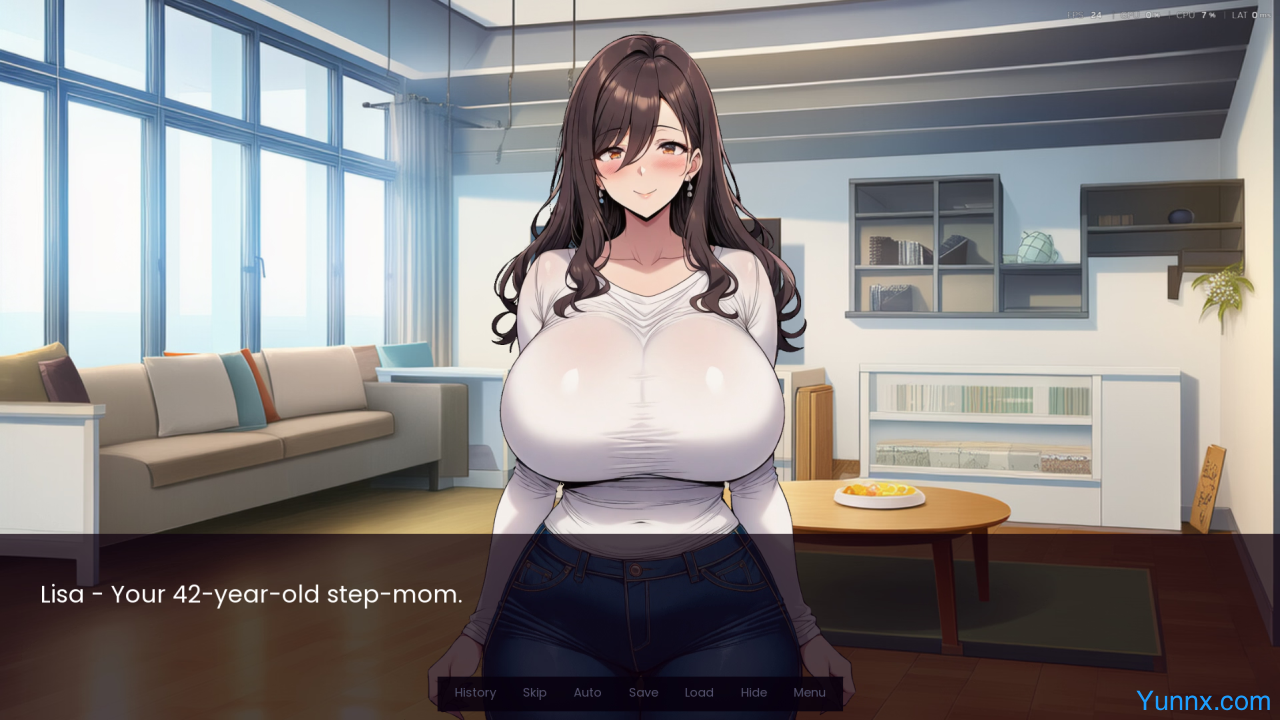
1. Lisa is the stepmom archetype flipped from "evil" to something way more dangerous: capable and stretched thin. She's the one buying the groceries, rationing the pantry, mediating every petty dispute between the girls, and doing it all while the man who's supposed to be co-running this house is off somewhere unreachable. The gratitude she gets? Silence. The stress she carries? Visible in the way she rubs the back of her neck after another canceled delivery.
2. That's exactly why she's the first crack in the foundation. Alex notices things — the way she stops bothering to tie her robe properly after day seven, the way she laughs too hard at something mediocre he says just because no one else is making her laugh, the way "thanks for carrying that" lingers a beat too long when his hand brushes hers on the grocery bags.
3. The route with Lisa isn't about seduction. It's about proximity, mutual exhaustion, and the slow erosion of "that's inappropriate" when you've been trapped in the same kitchen for three weeks straight. She's the adult. She's supposed to enforce the lines. And she does — right up until the night she doesn't.
Emma, Sophie, Victoria — Three Different Pressures
1. Emma is the eldest stepsister — sharp, sarcastic, the type who treats Alex like a domestic appliance that won't stay in its designated corner. She's also the one whose walls are thinnest. You hear things through that wall. Footsteps pacing at 1 AM. A muffled curse. A sigh that goes on too long. She notices you noticing. The hostility starts feeling like performance. And performances can flip.
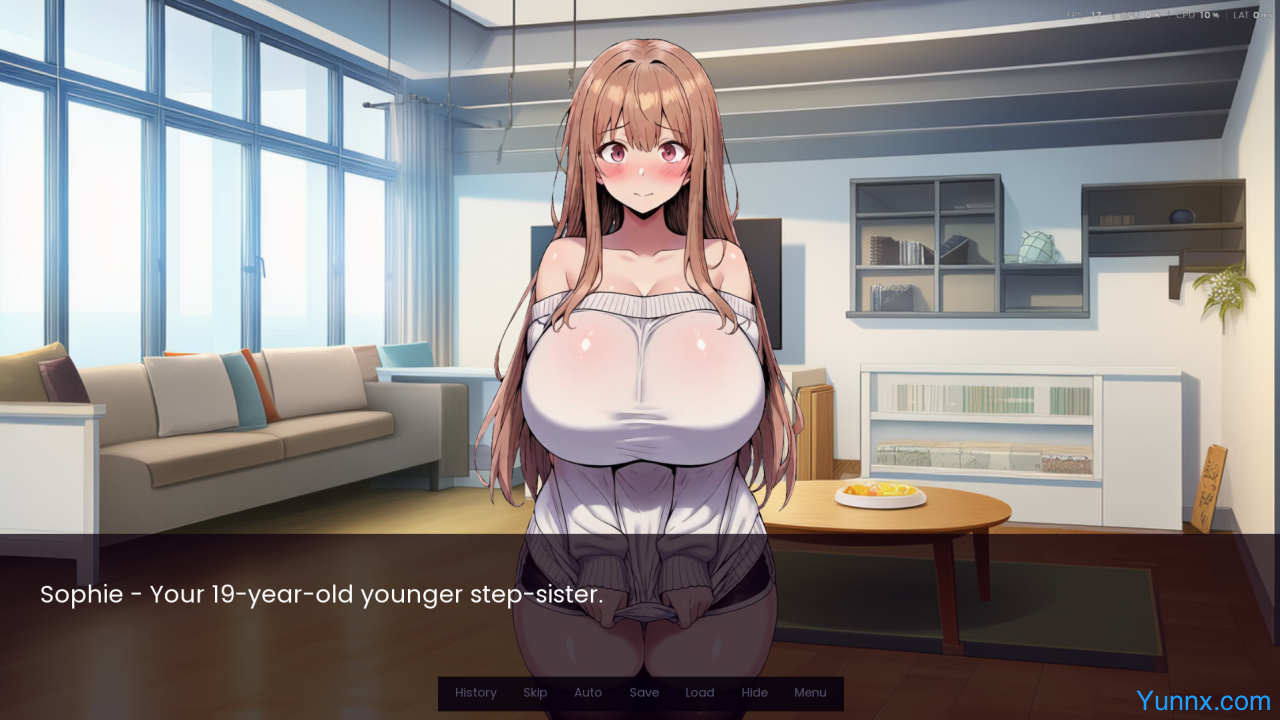
2. Sophie is the youngest — sweet, restless, bored out of her mind and looking for anything to break the monotony. She's the one who'll wander into your room "just to talk" and end up sitting on your bed because the chair's "too far," the one who falls asleep during movie night with her head on your shoulder and doesn't move it when she wakes up. Innocent? Sure. Until it isn't.
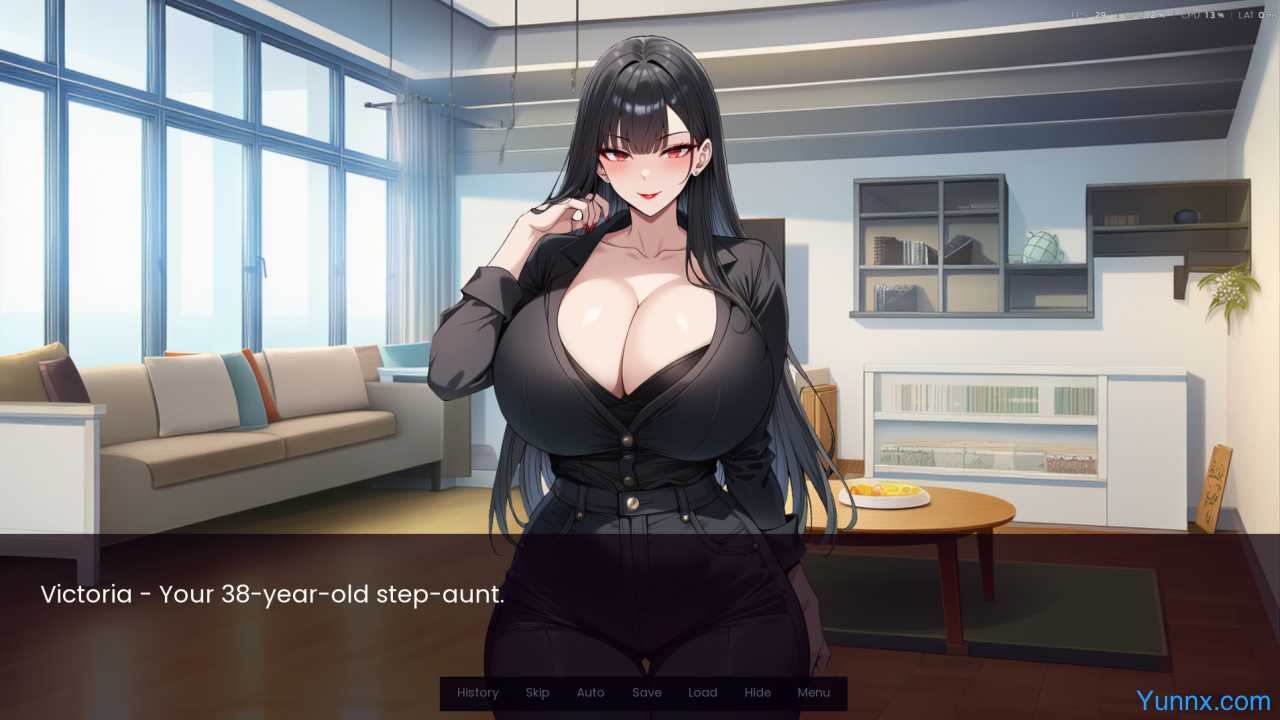
3. Victoria — the aunt — is the wildcard. She's not part of the daily household machinery the way Lisa is, which gives her freedom the others can't take. She watches. She drinks. She says things that skirt the line just far enough that you can't call her on it without admitting you understood it. The quarantine didn't trap her — it just gave her a front-row seat and no reason to leave.
Boundary Lines Drawn in Pencil
1. Gameplay lives in the daily loop — chores, shared meals, who's where when. The "choices" aren't grand gestures. They're micro-decisions: sit next to Lisa or keep your distance? Tease Emma back or deflect? Walk Sophie to her room or let her follow you to yours? Each one nudges a hidden comfort/desire flag on the person it belongs to, and those flags are what unlock the heavier scenes later.
2. The quarantine setting means there's no reset button. You can't "go out and clear your head" to defuse the tension. The house remembers. Skip breakfast two days running and Lisa notices. Spend too much time alone with Sophie and Emma starts making comments. Treat Victoria like she's joking and she'll escalate just to prove she wasn't. The pressure is cumulative, and the game tracks it like humidity — you don't see the meter, you feel the sweat.
3. Multiple paths, multiple endings. Play it safe and everyone survives lockdown intact — and miserable. Lean into the heat with one of them and you fracture the family dynamic in a very specific direction. Try to play all four and the house doesn't just get small — it explodes. The tagline says it plain: what begins as tense coexistence turns dangerous. And tempting.