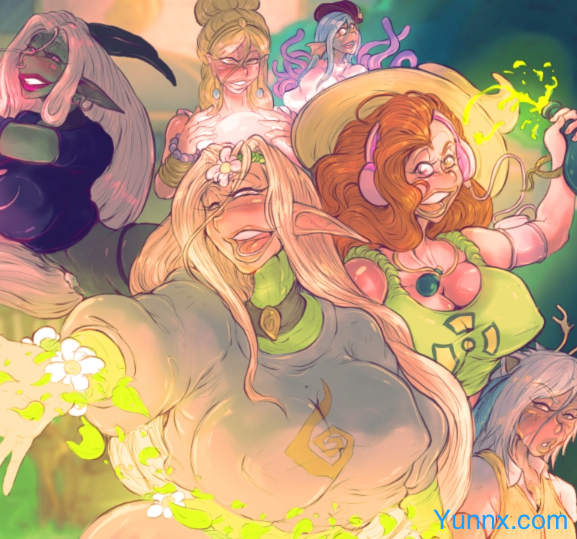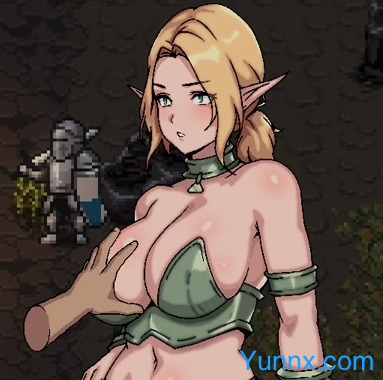

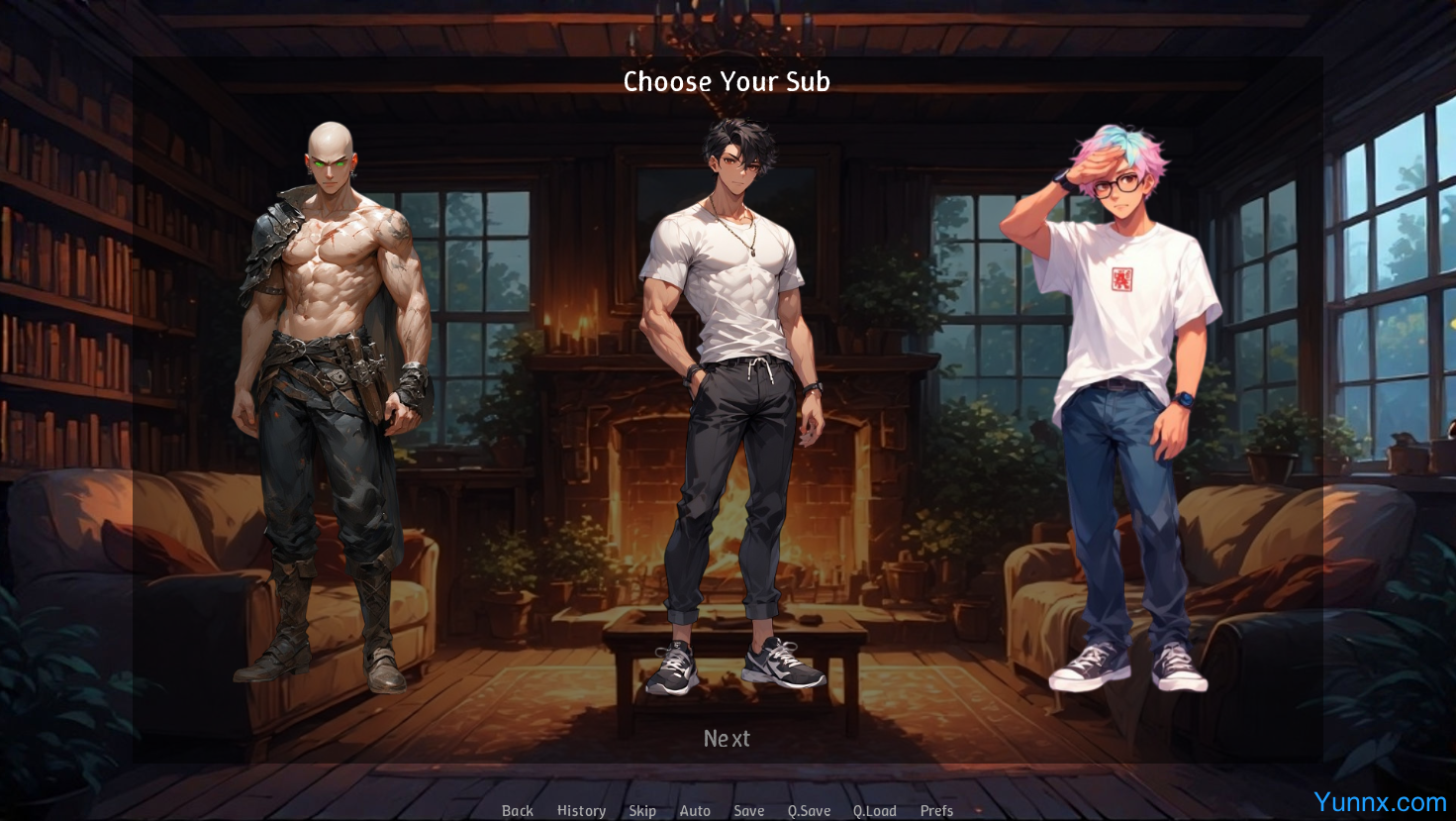
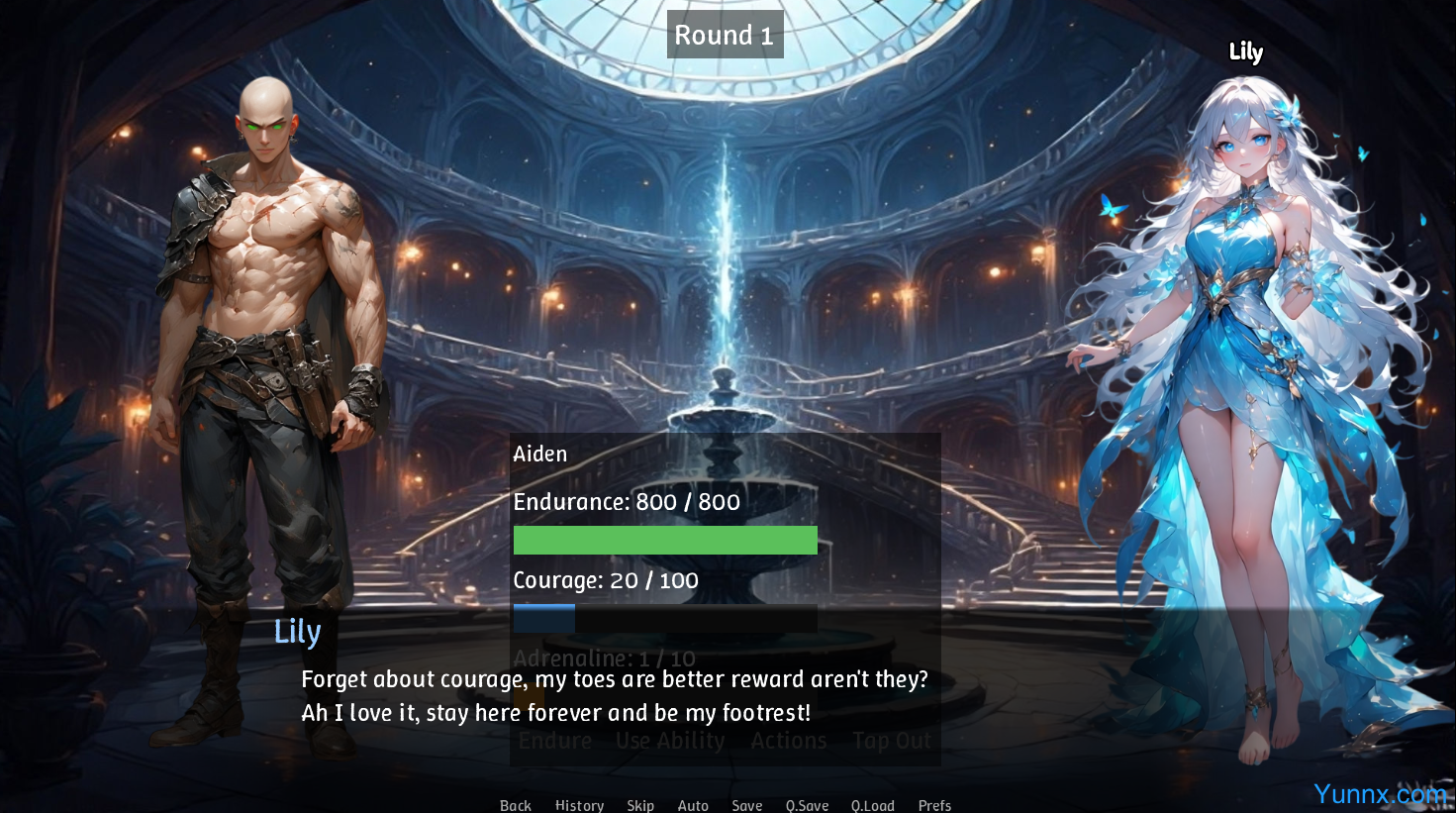
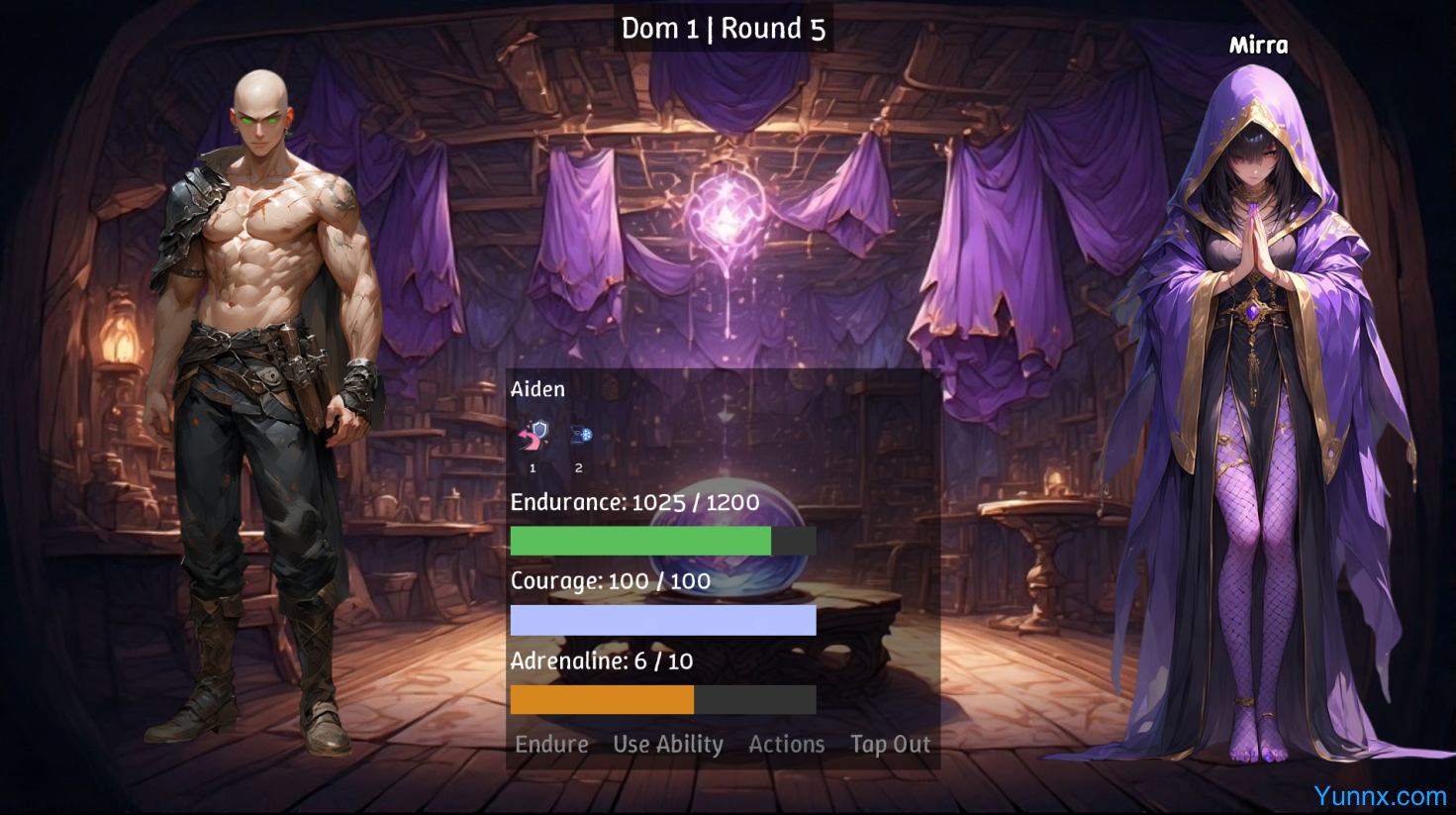
Dive into Trample Championship, a provocative simulation where you play as a submissive outcast seeking redemption through a brutal competition. Rumored to offer life-changing wealth, this championship challenges you to endure relentless degradation under the feet of powerful, sadistic women. With its blend of psychological tension, strategic survival, and unflinching themes, your choices determine whether you break or transcend in a world where pain and power intertwine. Will you succumb or claim the ultimate prize?
Game World & Setting
Immerse yourself in a grim, dystopian arena where societal rejects compete for wealth and validation under the rule of dominant figures.
1. Dynamic Environments: The championship unfolds across varied locales—decadent clubs, gritty underground rings, and opulent estates—each with unique hazards like slippery surfaces or cramped spaces that intensify trample sequences. Time-based events (e.g., "Grand Finals Night") unlock exclusive encounters and higher stakes.
2. Atmospheric Design: A stark visual style contrasts grungy living quarters with glittering stages, enhanced by a soundtrack that shifts from oppressive drones during tension-filled moments to triumphant orchestrals upon victory. Sound cues (e.g., footsteps, whispers) heighten immersion during key scenes.
3. Lore Through Exploration: Discover hidden logs, spectator comments, and competitor diaries that reveal the championship’s corrupt origins and the true motives of its organizers. Secrets influence narrative branches, such as uncovering blackmail opportunities or escape routes.
Gameplay Mechanics
The game combines resource management, choice-driven progression, and tactile mechanics focused on endurance and strategy.
1. Endurance System: Manage physical and mental stats like "Pain Threshold" and "Willpower" through mini-games (e.g., timing breaths to reduce damage). Failing quick-time events during trample scenes depletes health, while success boosts "Audience Approval" and monetary rewards.
2. Choice & Consequence: Decisions during dialogues and events alter relationships with dominants—e.g., pleading for mercy may reduce pain but lower respect, while defiance unlocks harder challenges with greater rewards. Multiple endings range from financial freedom to psychological collapse.
3. Economy & Customization: Earn currency to buy protective gear (e.g., padded clothing reducing damage), healing items, or bribes to influence matches. Upgrades are visually reflected on your character, affecting how opponents and spectators perceive you.
Characters & Interactions
The cast features complex dominants and competitors, each with hidden agendas and evolving dynamics.
1. Protagonist Development: Customize your character’s backstory and traits (e.g., "Resilient" or "Devious"), which unlock unique dialogue options and survival tactics. Visual changes—bruises, posture shifts—reflect your journey through the championship.
2. Dominant Personalities: Encounter figures like a cold heiress seeking entertainment or a vengeful athlete testing limits. Each has preferred styles (e.g., slow crushing vs. rapid stomps) and backstories revealed through quests, influencing their cruelty or occasional mercy.
3. Rivalry & Alliance: Forge alliances with other competitors for shared resources or sabotage rivals to climb ranks. Betrayals trigger consequences like isolated matches or poisoned supplies, adding layers of strategic depth.
Unique Features
Trample Championship distinguishes itself with systems that merge psychological depth with immersive mechanics.
1. "Pain-Pleasure" Algorithm: A hidden metric tracks how pain influences your character’s motivation, altering gameplay—e.g., high pain tolerance unlocks euphoric bonuses but risks addiction, while low tolerance triggers escape opportunities.
2. Procedural Events: Random occurrences—like unexpected rule changes or spectator interventions—keep playthroughs unpredictable. For example, a wealthy sponsor might offer bribes to throw a match, testing your morals and goals.
3. Accessibility Options: Includes customizable difficulty (e.g., reduced visual intensity for trample scenes), content filters for triggering themes, and a "Mercy Mode" for narrative-focused players avoiding extreme content.