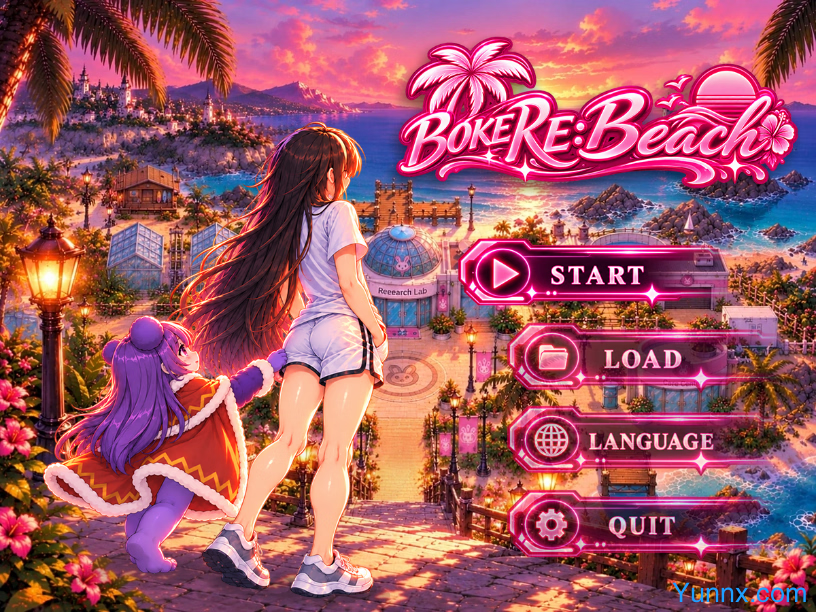



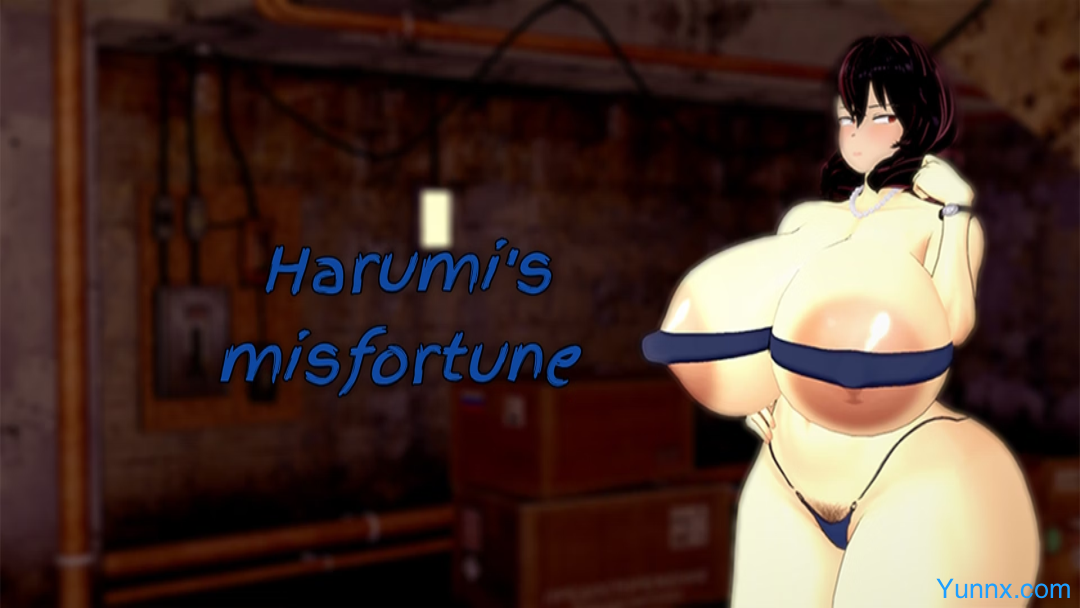
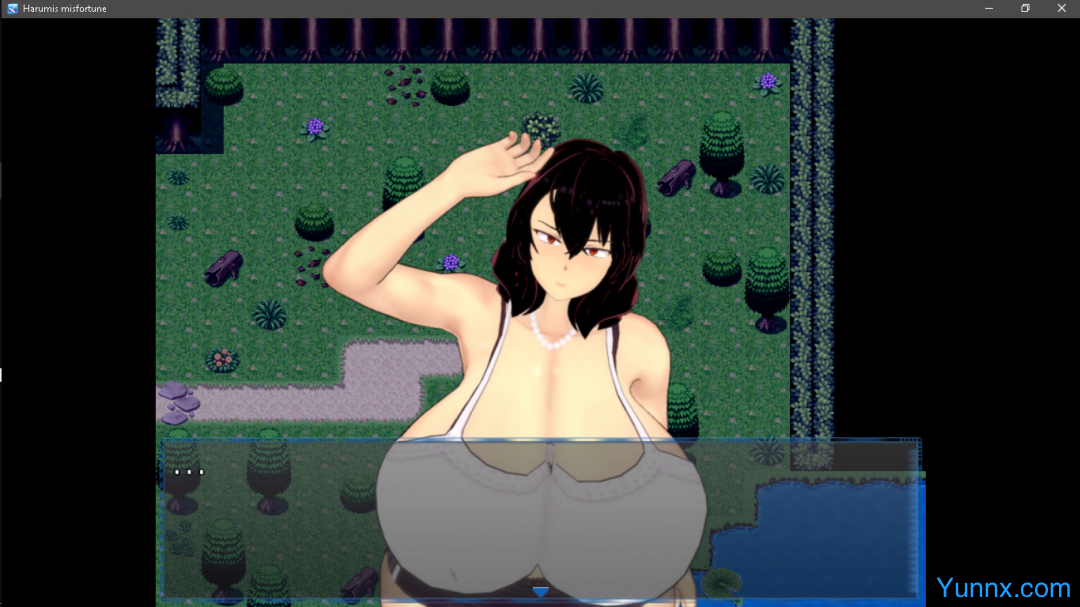
Harumi, a well-endowed woman with poor luck and a worse sense of direction, washes up on a strange island after a late-night drink. There is no lore dump waiting for her, because there is no lore to give. She explores, gets into situations she did not ask for, and tries not to lose her dignity along the way.
No lore, no problem, no excuses
1. Most games open with a narrator explaining the ancient prophecy. This one opens with Harumi standing in sand, hungover, asking out loud where the hell she is. The joke lands because nobody answers, and the silence is the answer.
2. The island runs on dream logic. Doors lead to places they should not reach. Creatures behave like they are improvising. Landmarks repeat themselves when you turn around. Nothing is justified, and the game winks at you about it instead of pretending it planned everything.
3. That freedom is the design's best feature. Without a canon to protect, every scene can be weirder than the last. Players who need a tightly plotted epic will bounce off. Players who want a playground that refuses to take itself seriously will stay for hours.
Exploration as a series of bad decisions
1. Progress happens by walking into the wrong place at the wrong time. A cave that looks sheltered turns out to be occupied. A hot spring that looks private is not. Curiosity is punished, then rewarded, then punished again for good measure.
2. The island is small enough to learn and odd enough to keep surprising. You start recognizing corners by what happened there last visit, which is how you know the layout has done its job. Secrets hide in plain sight behind things that look like decoration.
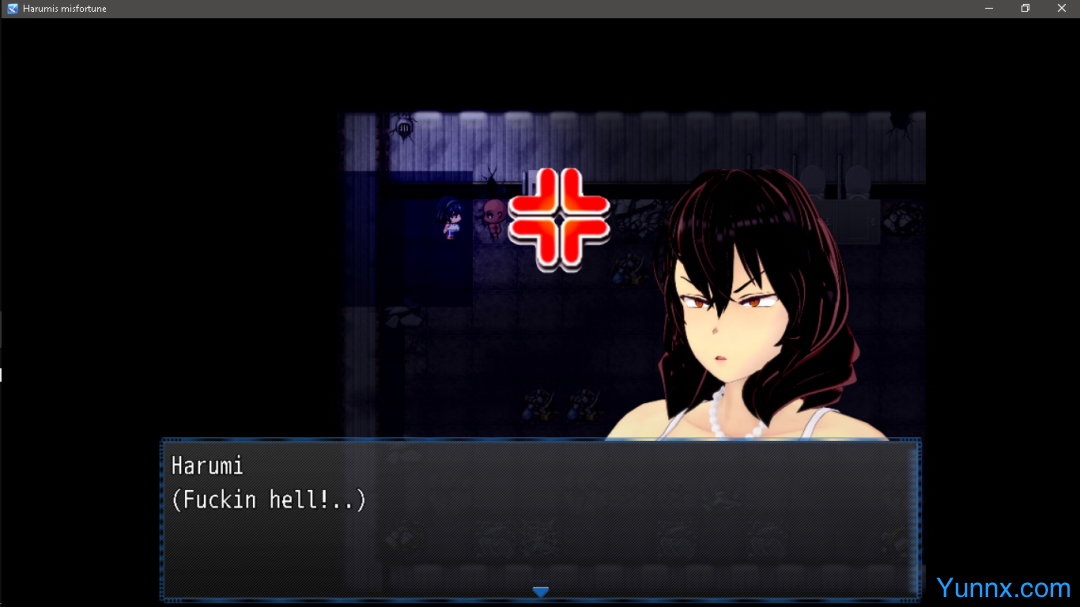
3. Failure rarely means game over. It usually means a new scene, a new embarrassment, or a new reason for Harumi to complain to an audience that is not helping. The tone stays light even when she is thoroughly out of her depth.
Heat without the lecture
1. Encounters arrive as consequences of exploration rather than cutscene interrupts. She leans against the wrong rock, slips into the wrong pool, says yes when she should have said no, and the camera knows exactly where to look. The art favors suggestion, angles, and the moment right before composure breaks.
2. What sells these scenes is Harumi's attitude. She is not a prop being moved around; she reacts, protests, bargains, and occasionally leans in when the alternative is admitting defeat. Her voice carries the comedy and the charge in equal measure.
3. Everything depicted involves adults. Explicit material belongs behind an age gate, and the public page stays suggestive rather than graphic. That choice is not cosmetic — it determines whether the page stays indexed, hostable, and acceptable to payment processors.