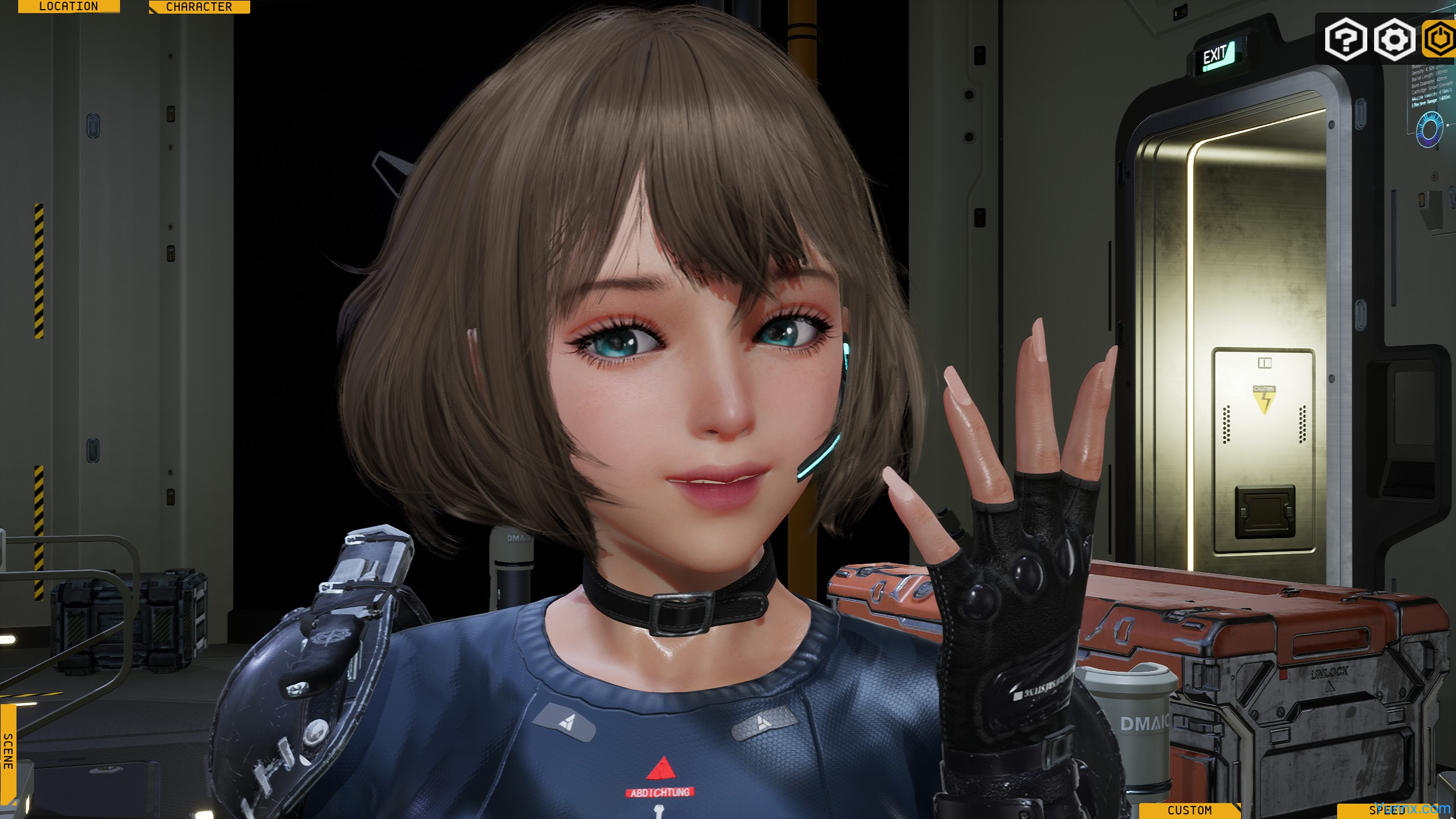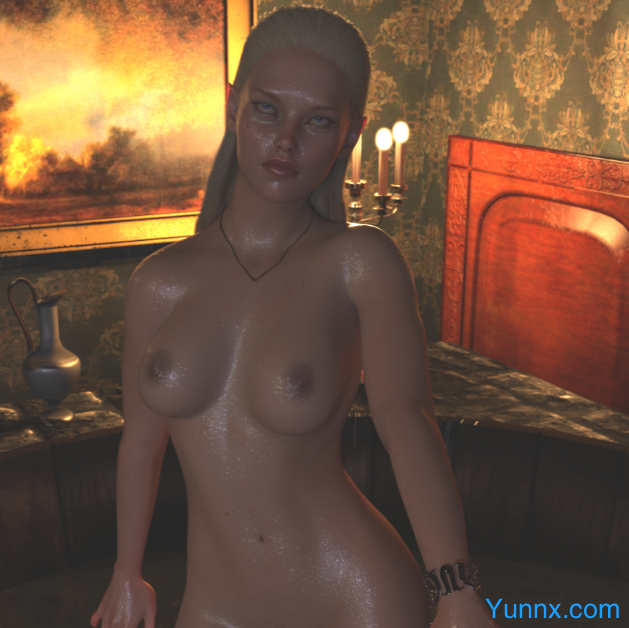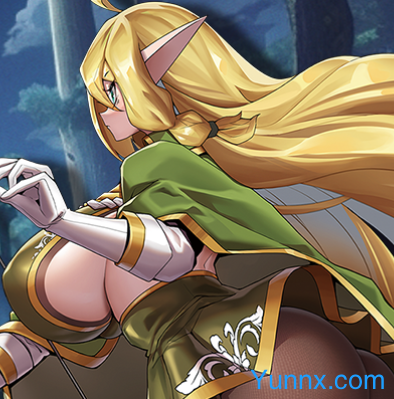
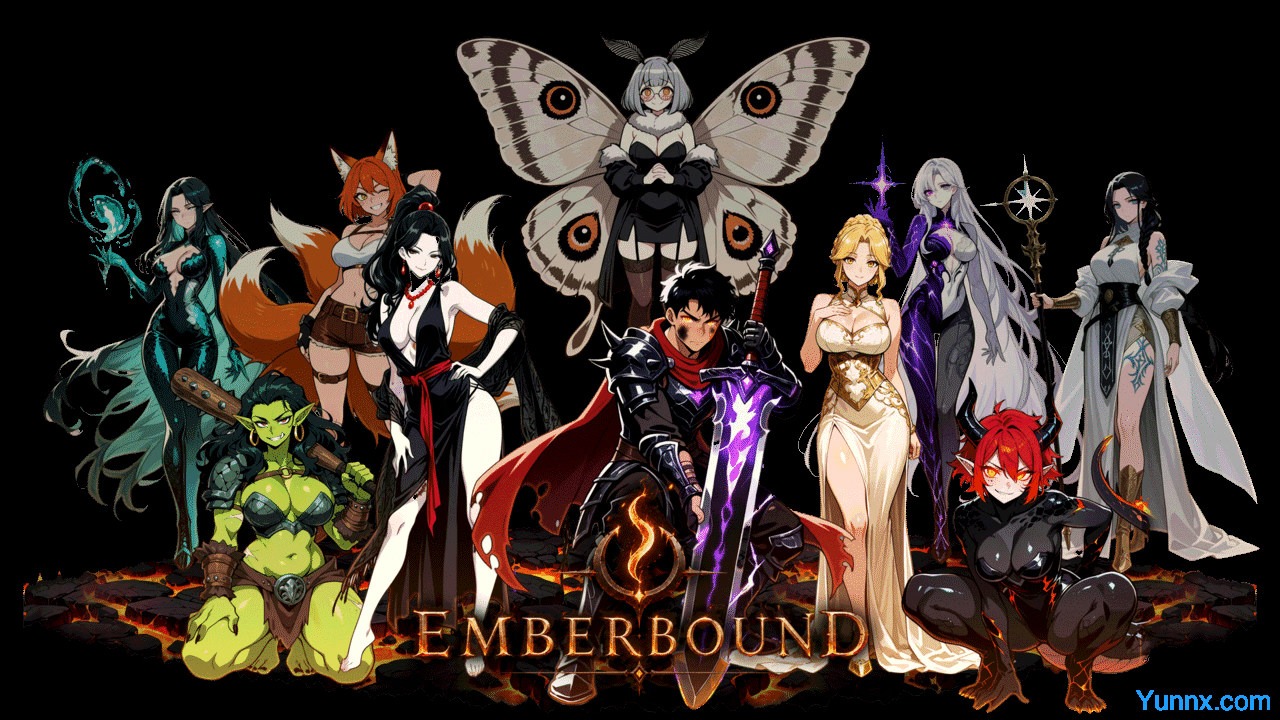
EMBERBOUND is a 3D action RPG set in a world suffocating under the Hush, a creeping stillness that swallows everything warm. You are the last spark in Emberhold, fighting through ashen wastes, drowned fens, and a dungeon beneath the Hush itself. Version 0.5.0 contains Chapters 1 and 2, ending at the Crown Seal. Forge your gear, enchant it, and bring your kindred home. Romance and bonds are the heart of it, with sharing opt-in and a full toggle in Settings > Content.
The Hush, the Ember, and a World That Refuses to Stay Warm
1. The Hush is not a villain you can stab. It is a condition, a quiet that spreads through the ashlands and takes the fire out of everything it touches. Emberhold survives because someone inside it still burns, and that someone is you. The game frames your spark as a burden and a birthright simultaneously. You did not ask to be the last warm thing in a dying world. You woke up that way.
2. The environments reflect the Hush's progression. The ashen wastes are grey and breathless, the drowned fens are cold in a way that seeps through armor, and the burning villages are the last pockets of resistance before the stillness takes them too. The dungeon under the Hush is the game's deepest descent, a place where the quiet is loudest and the spark inside you feels smallest. The world design does not decorate the apocalypse. It makes you walk through it.
3. The Ember inside you is the game's central resource and its central mystery. It fuels your combat abilities, it draws companions to your side, and it marks you as the only person capable of pushing back against the Hush. But the game never lets you forget that a spark is not a fire. You are not a chosen hero with a destiny. You are a temporary interruption in an otherwise permanent silence.
Real-Time Combat, Forging, Enchanting, and the Dungeon Under the Hush
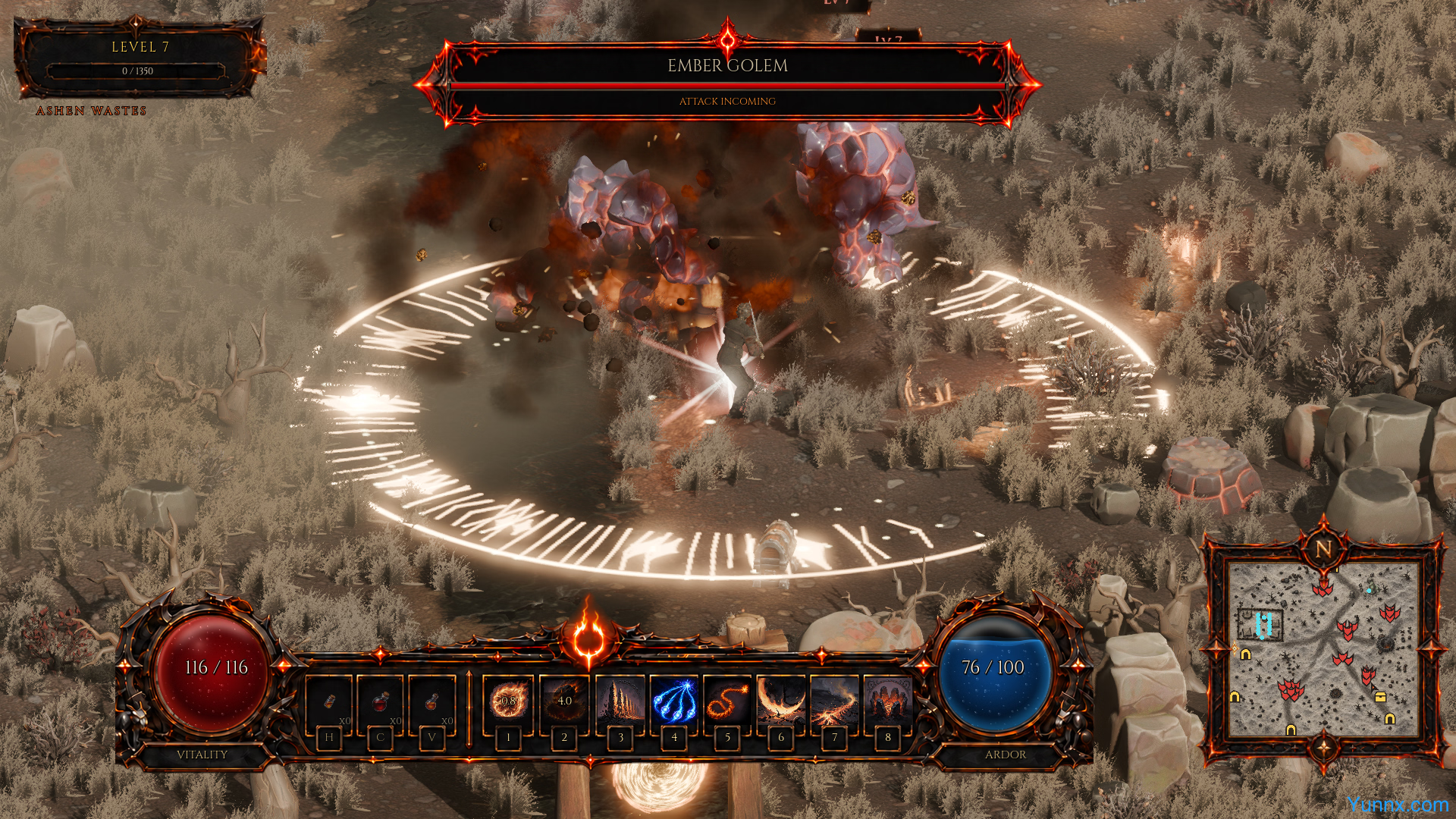
1. Combat is real-time and companion-dependent. You fight beside the people you recruit, and their presence changes how encounters unfold. A companion who trusts you covers your flank without being told. A companion who is still deciding whether you are worth following hesitates at the wrong moment. The combat system rewards the bonds you build outside of battle as much as the gear you forge before it.
2. Forging and enchanting are not optional side systems. Your gear carries you through zones where raw skill alone cannot compensate for under-leveled equipment. Forging consumes materials gathered from the wastes, the fens, and the villages you pass through. Enchanting adds effects that shift with your playstyle. A sword that burns brighter against the Hush's creatures is not a luxury. It is a requirement for reaching the Crown Seal.
3. Portal scrolls function as fast travel between the places you have already survived. They are not a convenience feature. They are a retreat mechanism. When a fen proves too deep or a village has already fallen silent, the scroll is the difference between returning to Emberhold to regroup and joining the quiet. The dungeon under the Hush is where the scrolls stop working, and the game makes sure you notice their absence.
Companions, Bonds, and the Opt-In Sharing System
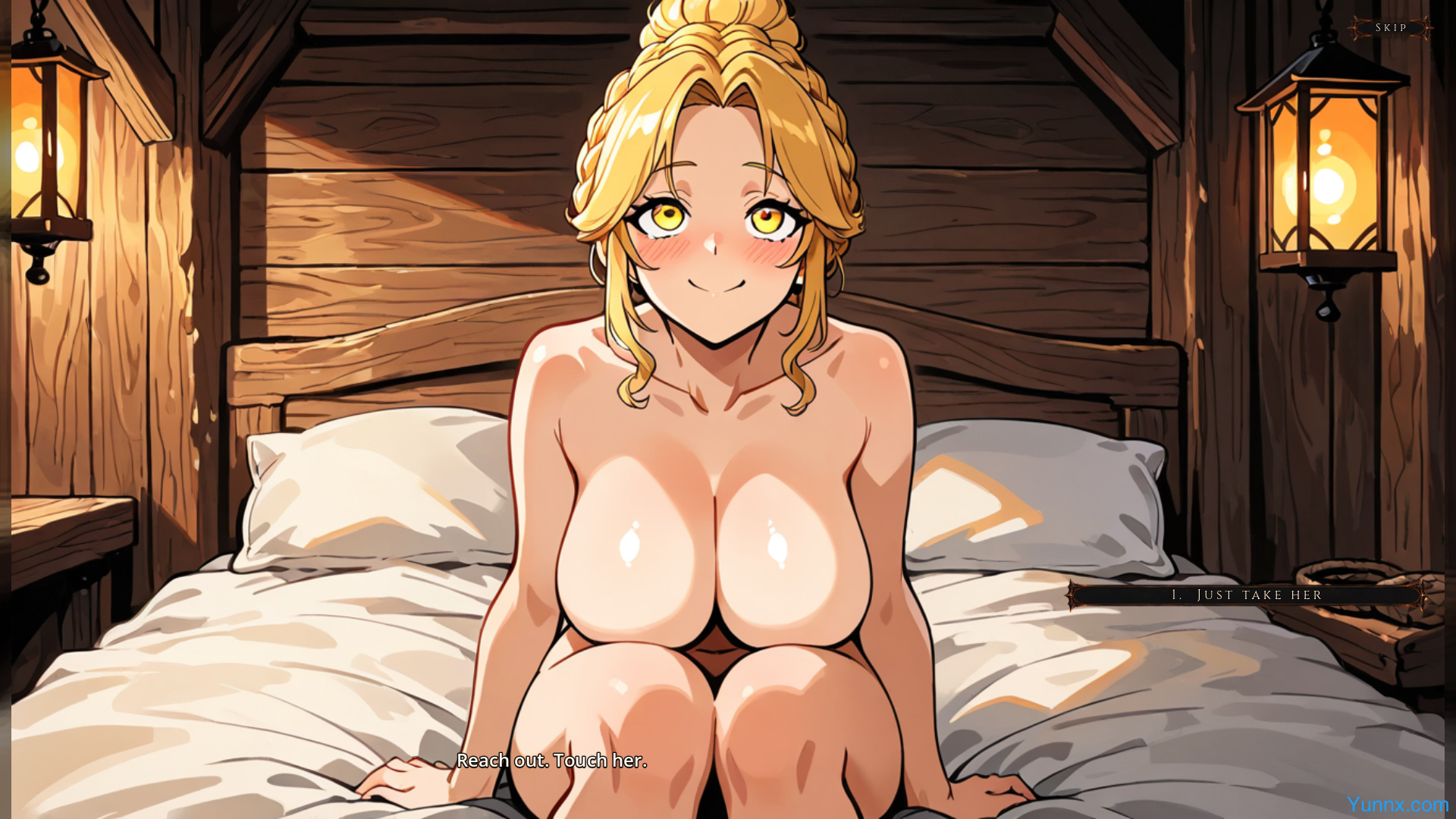
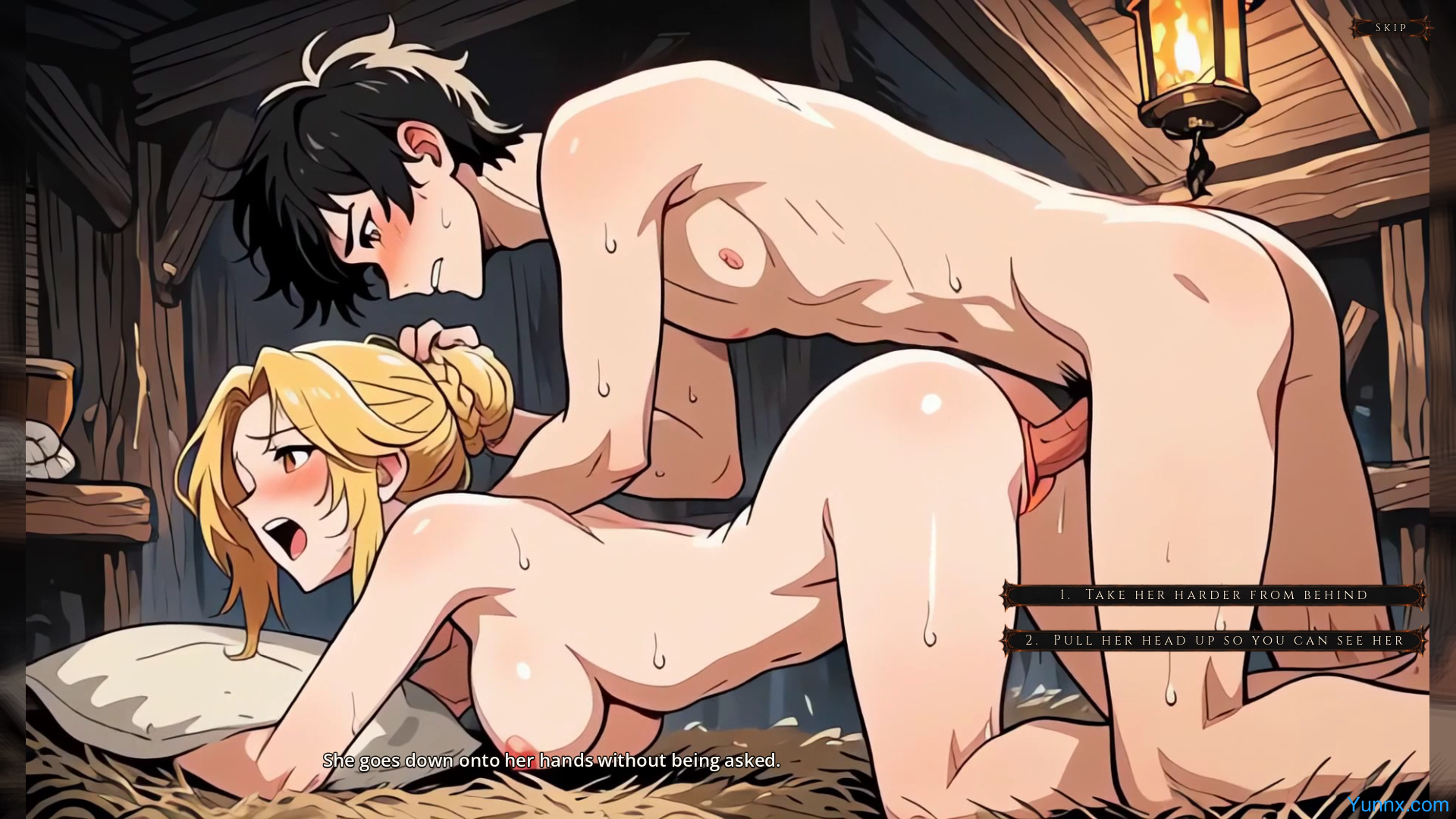
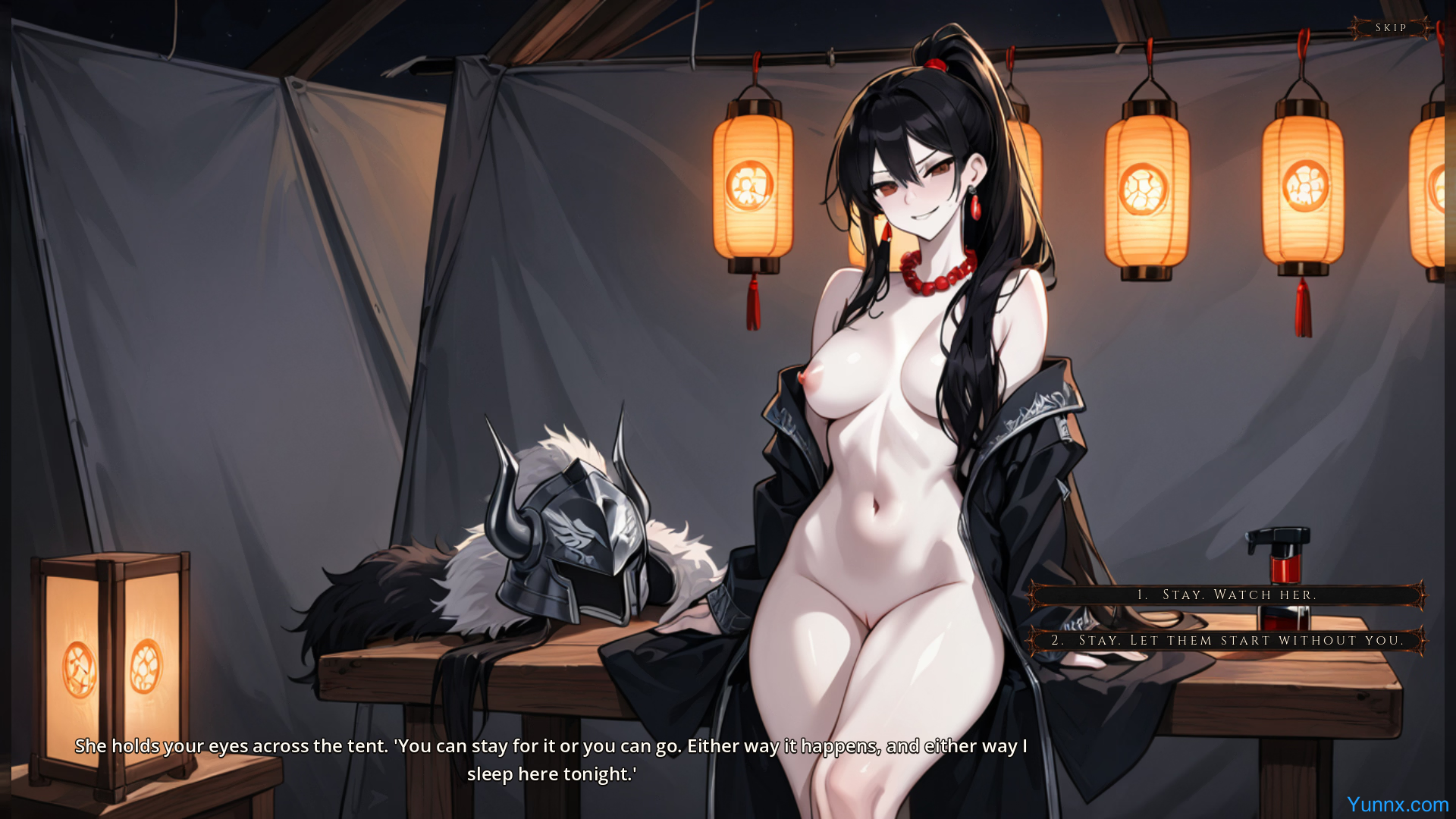
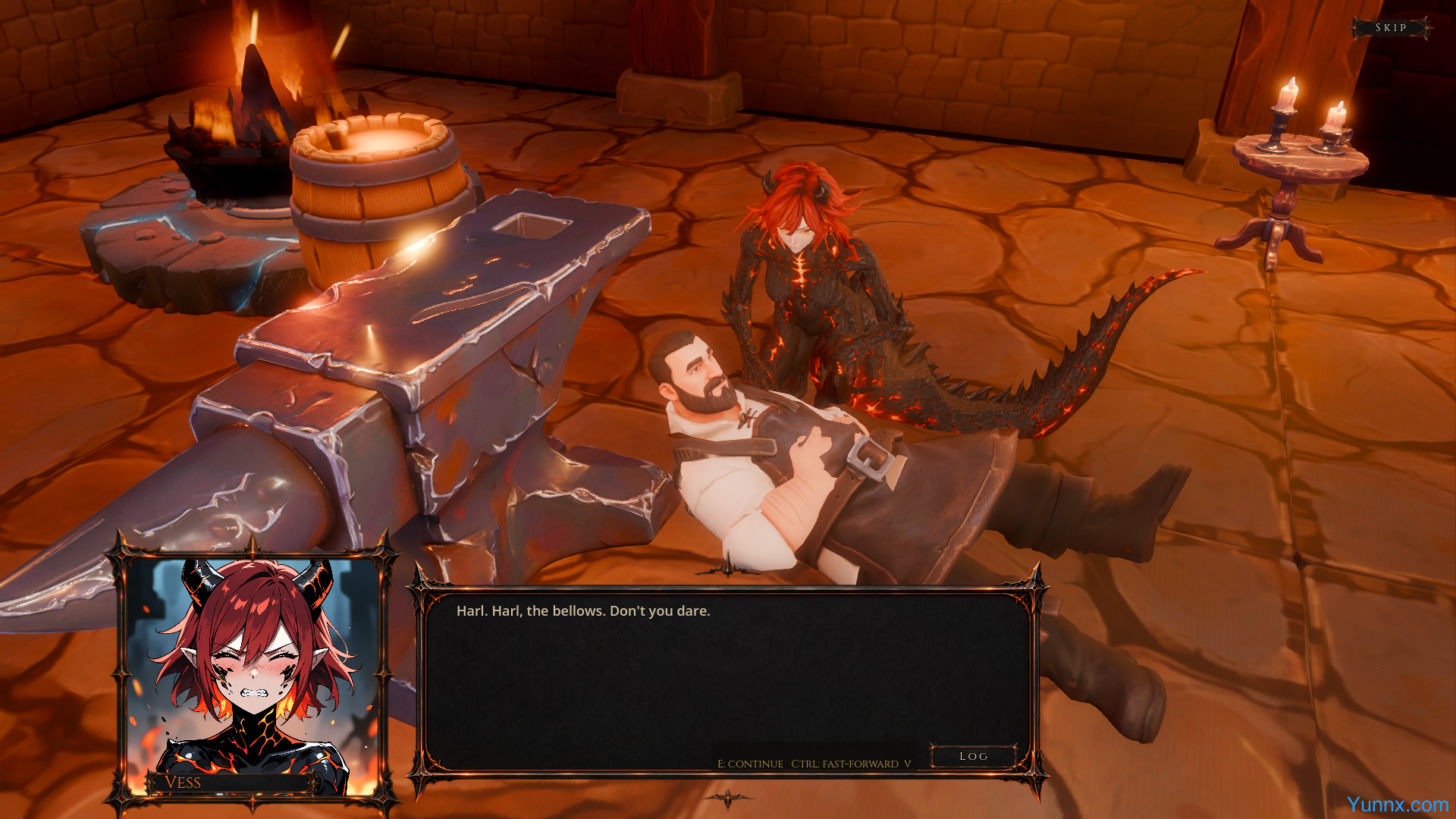
1. Romance and bonds are the heart of EMBERBOUND, and the game treats them as mechanics rather than narrative garnish. Companions who fight beside you can grow close to you, and the closeness manifests in combat efficiency, dialogue options, and scenes that unlock behind trust thresholds. The bond system does not separate the battlefield from the bedroom. A companion who watches your back in a fen is the same companion who shares your tent when the fighting stops.
2. The sharing system is the game's most distinctive feature, and it is built on consent at every layer. The game asks first. Saying no means it never happens, not a delayed version of the scene, not a softened alternative. A full toggle in Settings > Content switches the entire system off, and the game respects that toggle without penalizing your relationships or locking content behind it. Sharing is an option, not a requirement, and the game's design makes that distinction explicit.
3. The opt-in architecture extends to the scenes themselves. When sharing is enabled and accepted, the scenes are framed as mutual decisions between adults who have spent chapters fighting side by side. The intimacy is not conquest or corruption. It is an extension of the trust that keeps you alive in the field. The game asks whether the person beside you in the dungeon is someone you want beside you after it, and it lets you answer without pressure, without consequence, and without a hidden meter that punishes you for saying no.