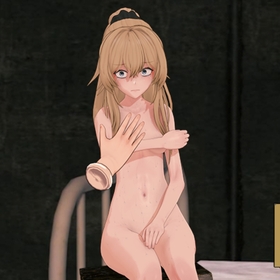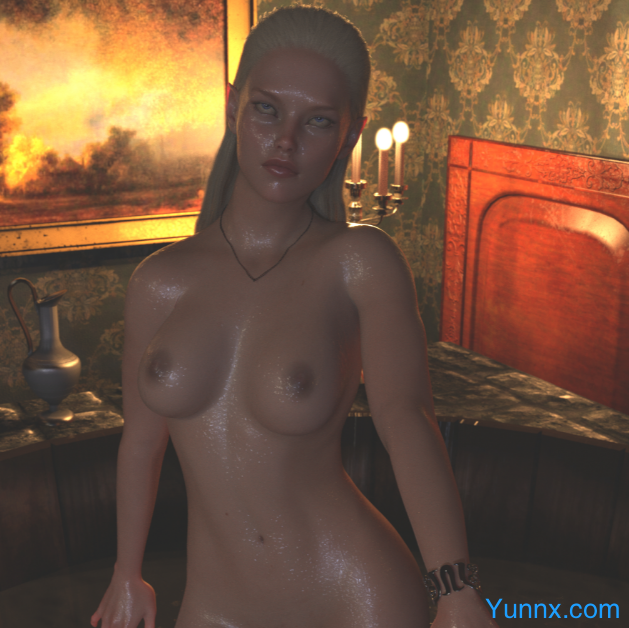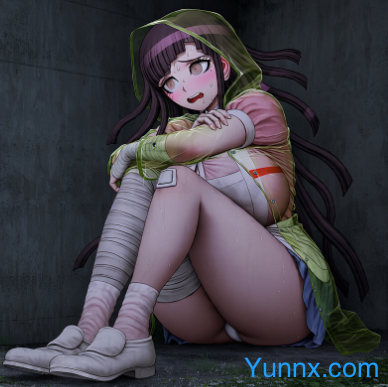
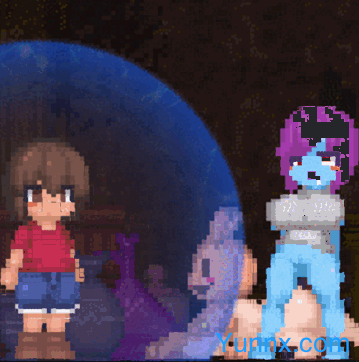
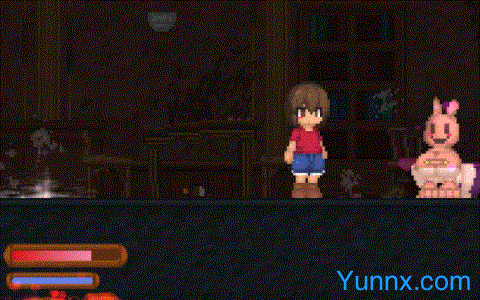
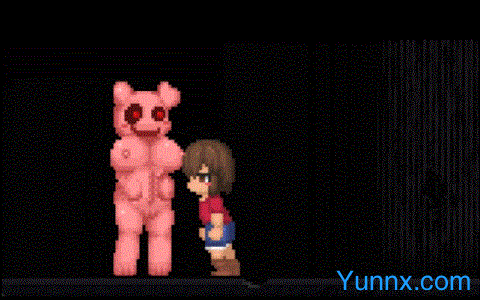
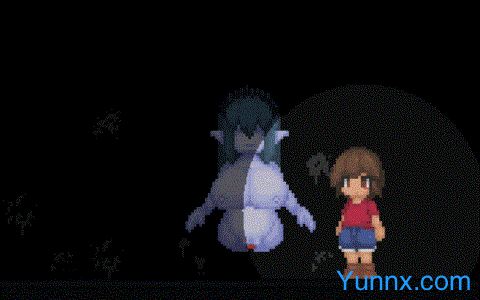
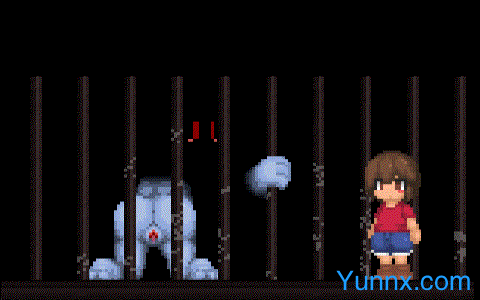
Nazo no Haibiru is an R18 slow-burn claustrophobic horror experience set in a sprawling, decaying multi-floor abandoned building. Players navigate pitch-black corridors, bizarre locked rooms and unpredictable hostile resident encounters, leaning into environmental tension and careful survival progression over the combat-focused gameplay seen in other titles from the same creator.
Slow-Burn Claustrophobic Horror Exploration
1. Unlike the fast-paced, combat-focused horror titles the creator is known for, Nazo no Haibiru prioritizes quiet, deliberate exploration of its sprawling, decaying multi-floor building layout. Every creaking floorboard, flickering light and distant unexplained noise builds unrelenting, creeping tension, with no cheap jump-scare gimmicks to rely on for shallow thrills. The R18 rating allows for unflinching, realistic depictions of the building’s gruesome history and the disturbing traits of its former residents, adding layers of immersive, unsettling realism to every empty corridor and ransacked room.
2. Players will spend hours navigating non-linear floor layouts, with hidden passages, locked rooms and environmental clues scattered across every wing of the structure. There are no map markers or handholding mechanics: you will need to pay close attention to scrawled notes on walls, bloodstain patterns and misplaced furniture to uncover secret areas, lore tidbits about the building’s dark past, and safe routes to avoid hostile entities lurking just out of sight. The slow, methodical pace rewards patient players who take the time to absorb every detail of the environment, rather than rushing through to reach the next floor.
3. The game’s tight, cramped room design amplifies the feeling of being watched even when you are completely alone, with narrow hallways, low ceilings and sudden dead ends making every turn feel like a risk. The R18 content is woven naturally into the environmental design, with graphic depictions of past violence, disturbing found footage snippets and unsettling visual details that would be censored in a mainstream release, making the experience feel far more immersive and authentically unsettling for mature horror fans.
Unpredictable Hostile Encounters & Survival Progression
1. The abandoned building is home to a rotating cast of hostile, uniquely animated resident entities that each have distinct movement patterns, attack triggers and preferred hiding spots. Unlike generic horror game monsters, these creatures are tied directly to the building’s lore: some are former tenants driven mad by years of isolation, others are twisted experimental subjects left behind by the building’s previous owners, and all of them react to sound, light and player movement in unpredictable ways that keep even veteran horror players on edge.
2. There is no traditional combat system in Nazo no Haibiru: your only options when encountering a hostile entity are to hide, run or endure the encounter if you have no escape route. Scripted events trigger randomly across floors, with some encounters only happening if you interact with specific environmental objects or enter certain rooms at specific in-game times, meaning no two playthroughs will feel exactly the same. The R18 rating allows for graphic, unflinching encounter animations that make every run-in feel genuinely terrifying, rather than relying on cheap screen shake or loud sound effects to sell fear.
3. Progression is tied entirely to exploration and survival, with no skill trees or upgrade systems to make encounters easier. You will only unlock new areas of the building by finding hidden keys, solving environmental puzzles tied to the building’s lore, and learning the movement patterns of each hostile entity through repeated, tense playthroughs. Many players share their own encounter strategies, hidden room locations and lore theories on community forums and social media, making it easy to find fresh tips and discuss spooky playthrough moments with other mature horror fans.
Ongoing Iterative Development & Regular Content Updates
1. Nazo no Haibiru is developed using an iterative, player-focused approach, with the creator regularly releasing free updates that add new rooms, enemy animations, gameplay mechanics and lore content based on community feedback. Unlike many one-and-done indie horror releases, the game has been in active development for years, with each update designed to fix existing issues, add new tense scenarios and expand the building’s layout to give players more reasons to revisit the property and uncover new secrets.
2. Past updates have added entire new wings of the building, including a flooded basement level, a derelict hospital wing and a hidden attic space filled with never-before-seen hostile entities and environmental storytelling details. New mechanics added in recent updates include a dynamic lighting system that reacts to entity movement, a sanity meter that impacts your ability to see hidden clues, and new puzzle types tied to the building’s original purpose as a secret research facility, adding even more depth to the core exploration loop.
3. The developer regularly shares behind-the-scenes development diaries and sneak peeks of upcoming content on the game’s official social media pages, and actively responds to player feedback to shape future update roadmaps. Long-time community members have created comprehensive hidden room location maps, encounter strategy guides and deep-dive lore breakdowns shared across horror gaming forums and Discord servers, making it easy for new players to get up to speed on the game’s full scope even if they are jumping in months after its initial release.