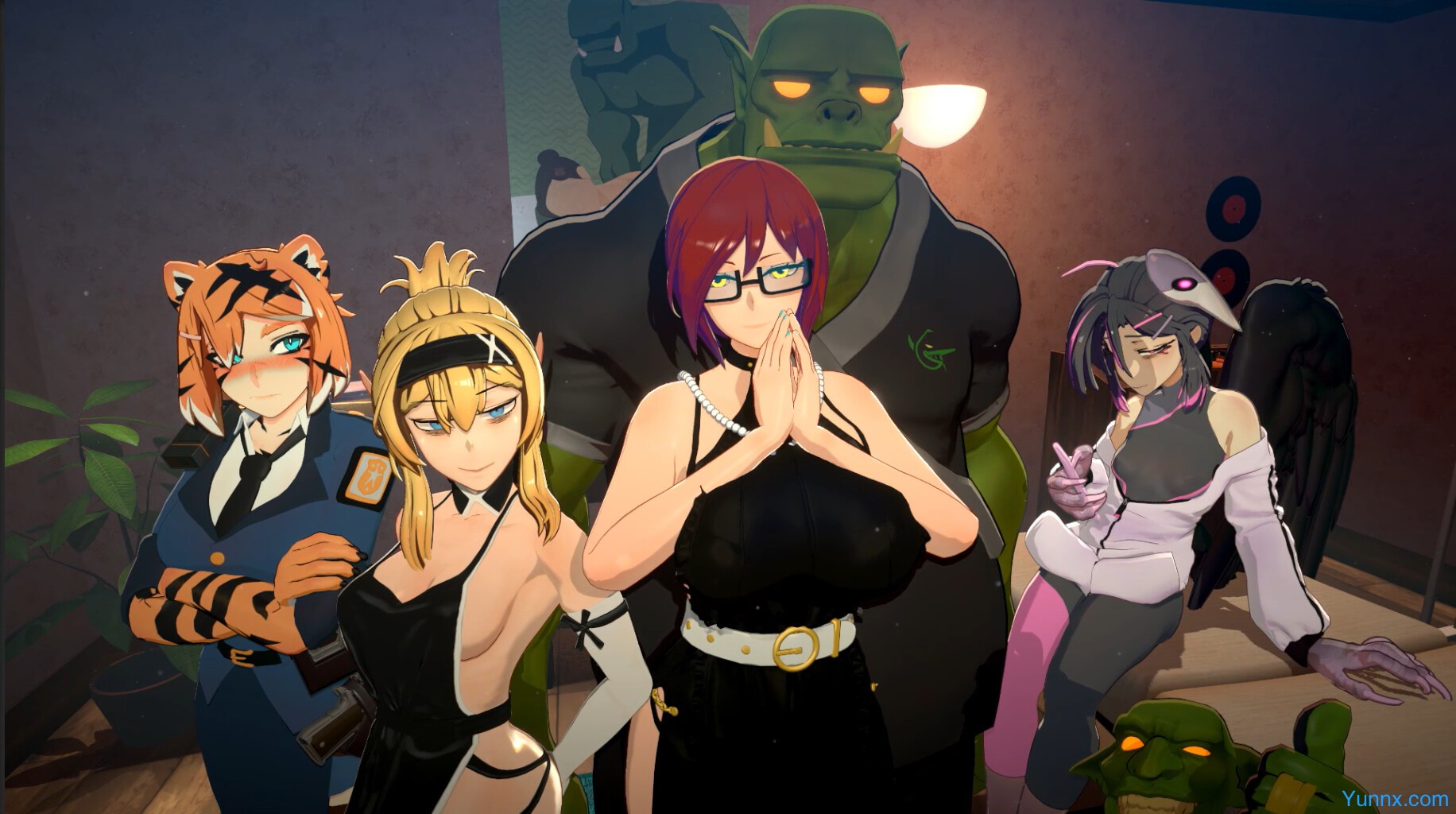


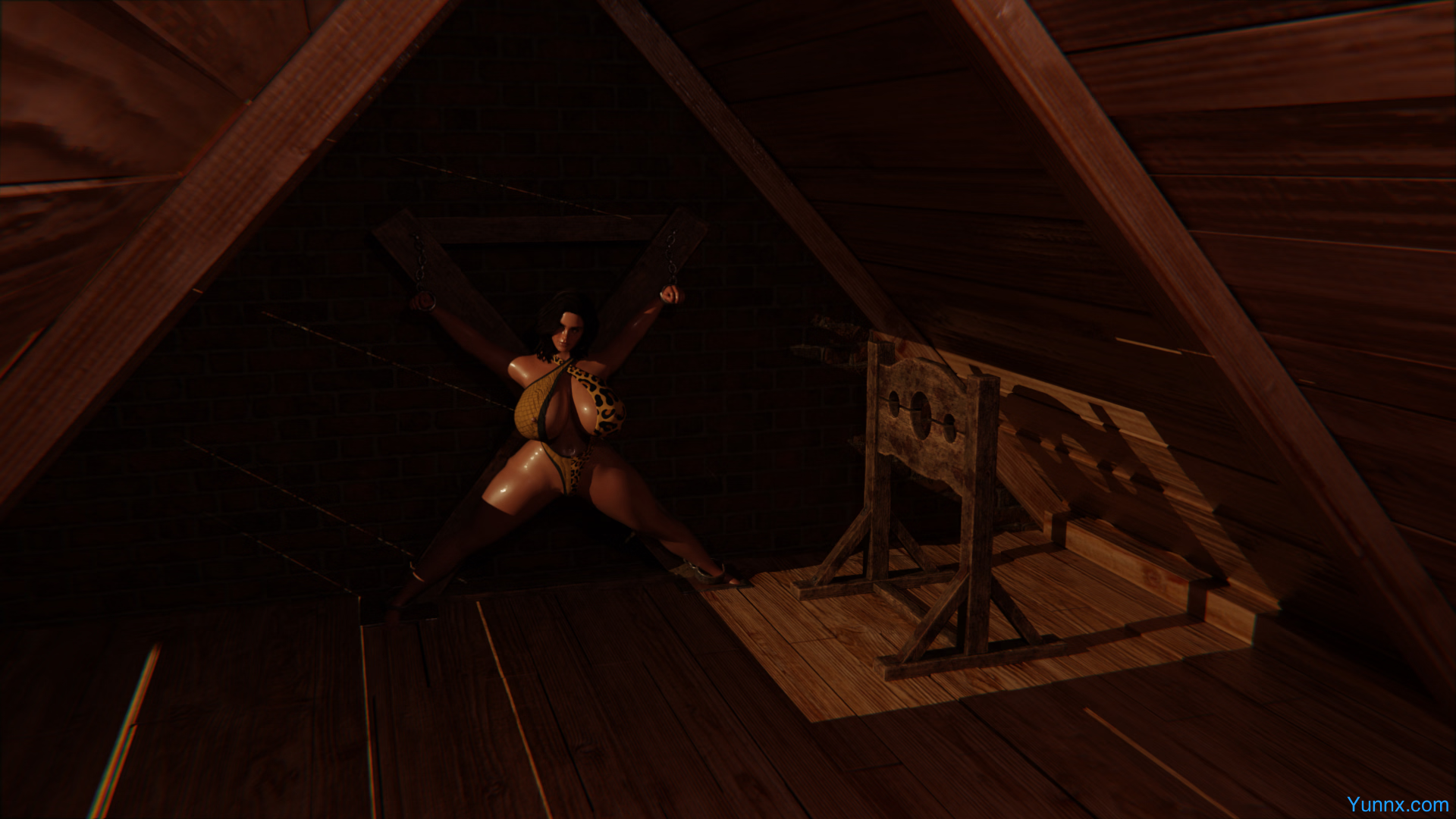


Horny Asylum delivers a uniquely terrifying blend of survival horror and adult consequence. As a night watchman in a derelict women's mental ward, you must monitor four homicidal inmates through security cameras, sealing doors and vents with a dying battery to survive 8 harrowing hours. Success grants perverse dominion; failure means becoming their plaything in a sticky, explicit game over.
The Core Gameplay Loop: Surveillance and Survival
1. You are confined to a small security room, your only view of the asylum's halls coming from four flickering, grainy camera feeds. Your objective is stark: track the movements of four distinct, murderous "inmates" and use your interface to slam the left door, right door, or a nearby vent shut whenever one of them approaches. Each barrier can be sealed only from the corresponding camera's angle, forcing constant, panicked switching between views.
2. The central, draining resource is your battery power. Every time you slam a barrier, a significant chunk of your remaining power is consumed. Letting an inmate breach a door or vent leads to an instant, explicit game over. This creates a relentless tension where you must weigh the immediate threat against your long-term survival, knowing that wasting power early guarantees a dark screen later.
3. The inmates are not mindless; they have basic but unpredictable patrol routes. Some will linger menacingly outside a sealed door, testing your patience, while others will make sudden, full-sprint charges from off-screen. Learning these patterns is essential, as audio cues—footsteps, ragged breathing, distorted giggles—often warn you of danger before the pixelated figure appears on your monitor.
Atmosphere of Dread and Sensory Horror
1. The game's power lies in its masterful use of limitation and suggestion. The low-fidelity camera feed, complete with static and color bleed, makes every shadow a potential threat. The asylum environment is rendered in oppressive darkness, with only the weak light of your screens and occasional hallway fixtures cutting through the gloom, creating a deeply claustrophobic and paranoid experience.
2. Sound design is arguably your most important tool and your greatest fear. You will lean in, headphones on, to decipher the direction of a dragging footstep or a wet, clicking tongue. The oppressive ambient drone of the asylum is punctuated by sharp, intimate sounds of an inmate getting closer—the rattle of a door handle, the inhalation right before a scream—making every audio cue a heart-stopping event.
3. The character design of the inmates contributes immensely to the horror. They are presented as grotesque parodies of femininity, with exaggerated features, unsettling smiles, and movements that are just slightly unnatural. This isn't a generic monster; it's a perverse, sexualized terror that makes the threat feel both physically dangerous and intimately violating, perfectly setting the stage for the game's adult repercussions.
High-Stakes Consequences and Replayability
1. The adult content is the direct, punitive, or rewarding result of your skill. Surviving the full 8-hour shift unlocks the "Release" phase, a non-interactive cinematic where the subdued, exhausted inmates are depicted as yielding to your authority, leading to a series of explicit, triumphant scenes that serve as your earned reward.
2. Failure is brutally personal and visually explicit. If an inmate enters your security room, the perspective shifts to first-person as she overwhelms you. The game over sequences are detailed, animated vignettes showing her riding, sucking, or otherwise "draining" you, with a health bar depleting in tandem until you are left as a drained, sticky husk. This makes every breach a deeply visceral and humiliating defeat.
3. This binary outcome fuels incredible replayability. The drive to see the "good" ending for each of the four inmates, and to avoid their specific "game over" animations, compels players to master the run. The difficulty is steep, so each successful attempt feels like a hard-earned victory that unlocks new adult content, encouraging players to refine their strategy, optimize battery usage, and learn the precise tells of each pursuer.
Community Strategy and Mastery
1. The game's niche difficulty has fostered a tight-knit community focused on sharing survival knowledge. Key resources include detailed maps of camera blind spots, compiled lists of each inmate's unique sound cues , and video guides demonstrating flawless battery management for a perfect run.
2. A major part of the community discussion revolves around the precise triggers for different outcomes. Players have decoded that the specific game over or release scene you receive may depend on which inmate caught you, how much battery was left, or even which door you failed to seal last. This depth of system mastery is essential for 100% completion.
3. Speedrunning has emerged as the ultimate test of skill, with leaderboards tracking the fastest clear times. These runs require pixel-perfect knowledge and split-second decisions, and they are frequently streamed or uploaded, serving as both spectacle and the most advanced tutorial available. Watching a master navigate the asylum is the best way to understand the game's hidden rhythms and achieve total dominance.