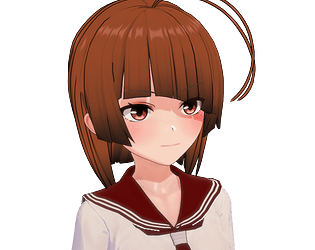

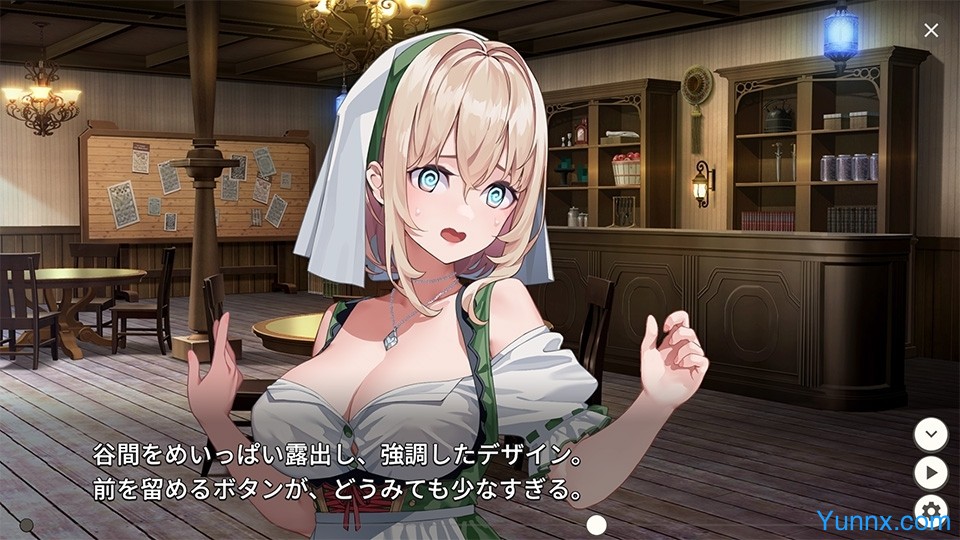
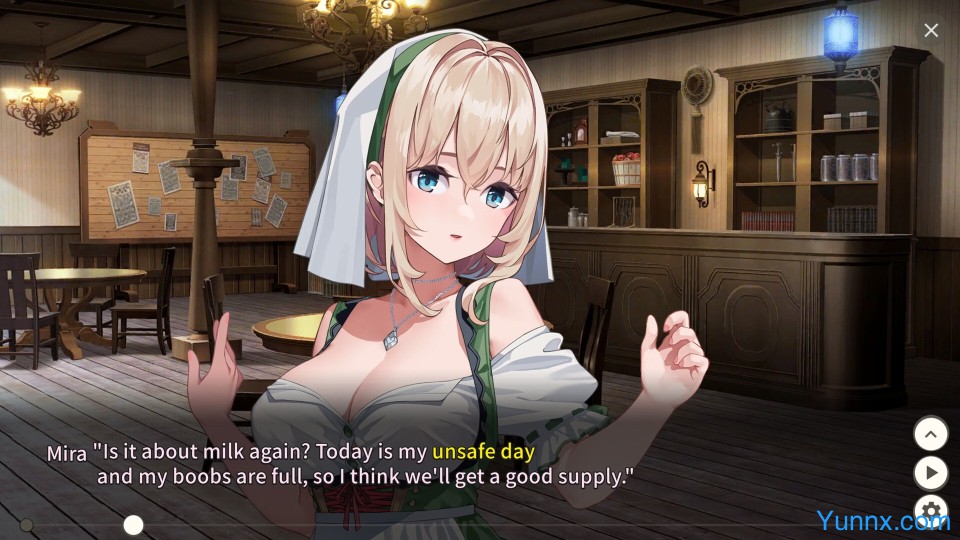
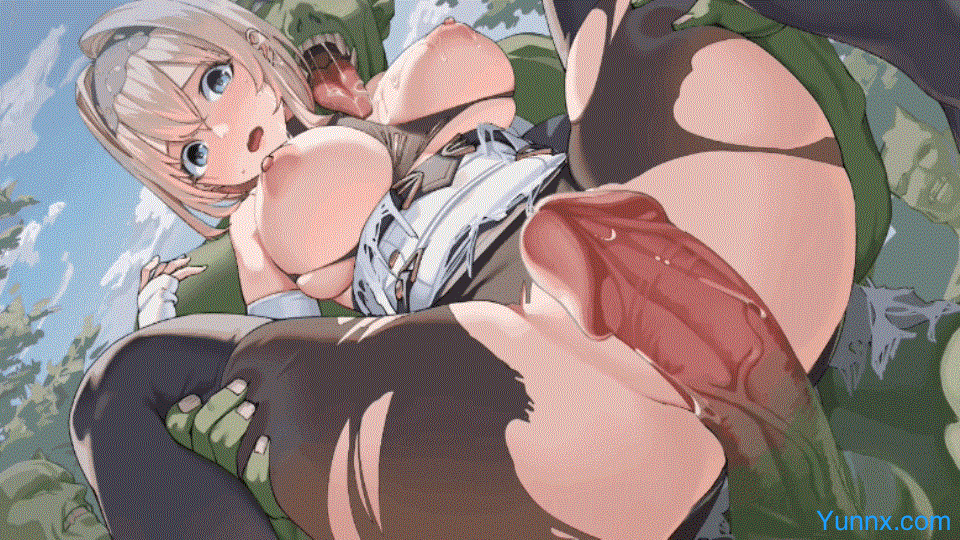
Mira isn't here for glory. She's an adventurer chasing the one thing gold can't buy—her missing lover, a former party member and the man she already pledged her future to. Clues lead her to a guild in a border-town hellhole where the jobs are dirty, the inn is cheaper than the drinks, and the surrounding wilds don't stay empty for long. What starts as a simple quest turns into a survival grind against swelling monster hordes—where every failed defense chips away at more than just her HP.
The Guild That Smelled Like a Setup
1. You arrive in town with nothing but a name, a halberd, and the kind of lead that evaporates the moment you ask the wrong person. The guild hall is half-tavern, half-recruitment office, the kind of place where quests are pinned to a corkboard with rusted tacks and nobody makes eye contact unless you're buying. The clerk slides you a contract. "Local nest nearby. Clear it, get paid, ask your questions elsewhere." It's beneath you. You take it anyway.
2. That first job teaches you the town's real economy. The monsters around here don't wander—they surge. Something's pressing them out of the deep woods toward the perimeter, and the guild's solution is throwing under-equipped outsiders at the problem. Mira's gear is solid, but she's alone, and the contract hours keep stretching. The "quick reconnaissance" becomes a night holding a palisade while teeth scrape wood on the other side.
3. Between quests you're back at the inn or the guild taproom, piecing together who your lover really ran into. Friendly smiles, helpful hands, people who insist they saw someone matching his description—but the details never quite line up. The town isn't just indifferent. It's complicit. And the longer you stay, the clearer it gets: whatever took him might still be hunting.
Survivor-Style Action — Hold the Line or Lose Everything
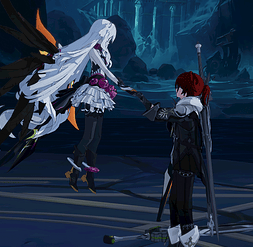
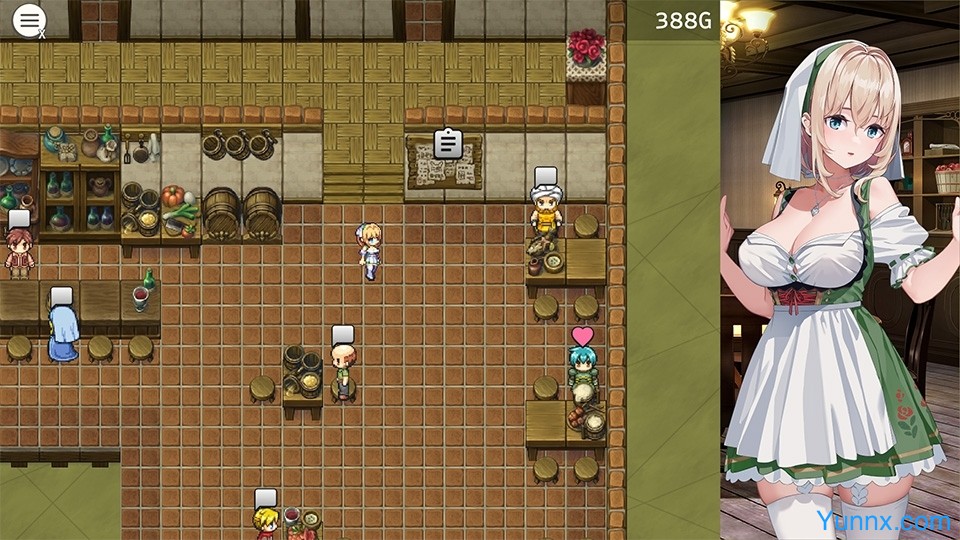
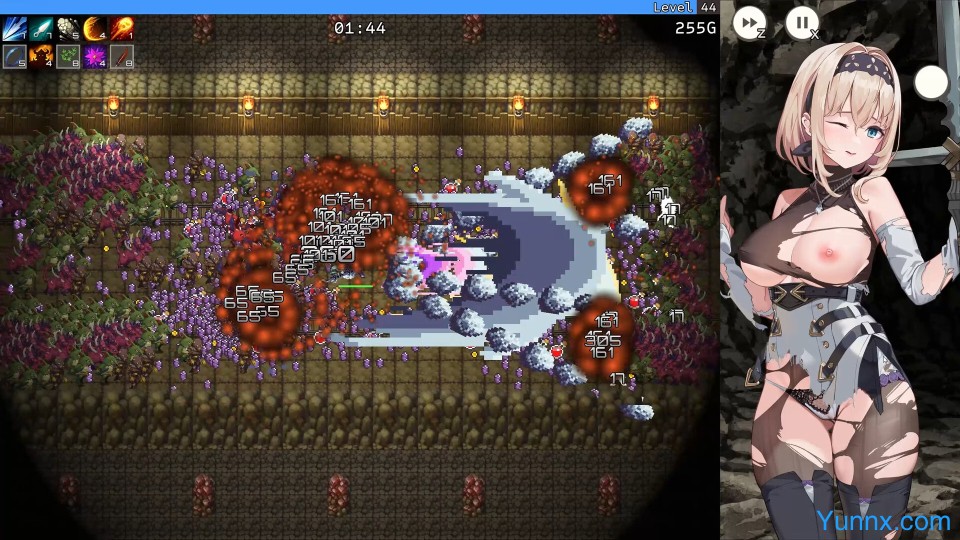
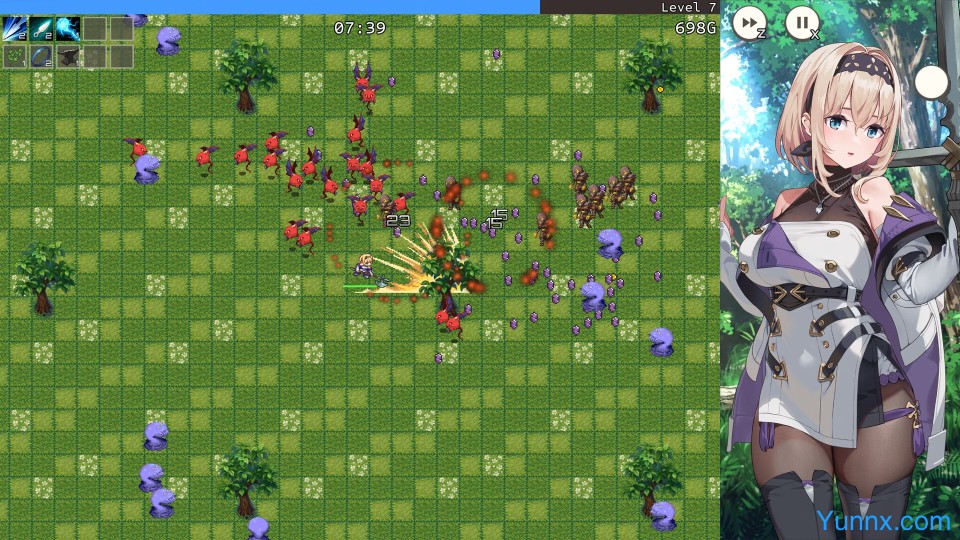
1. Gameplay is wave-based survival-action. Monsters approach from the perimeter and you hold them back with the halberd—sweeping arcs, thrusts that punish overextension, and positioning that matters more than button-mashing. Let too many through and you're not just losing a round. You're failing the quest. And in this game, failure isn't a retry screen—it's a scene.
2. The roguelite spine keeps it tense: every time you level up, you're offered random skills to pick from. One run you're building reach and crowd-control, the next you're stacking evasion and counter-damage. You can't min-max on paper because the options change every time—you make the best call with what the roll gives you, adapt your playstyle, and pray the combo holds when the next surge hits.
3. Resources are tight enough to keep you honest. HP doesn't just magically reset between waves. Do you burn the heal now or risk the next breach? Do you play safe and let the perimeter degrade, or commit forward and leave your flank exposed? The rhythm is manage the horde → survive the night → cash out at the guild → upgrade → dig deeper into the mystery.
Failed Quests, H-Scenes, and the Slide Toward Bad End
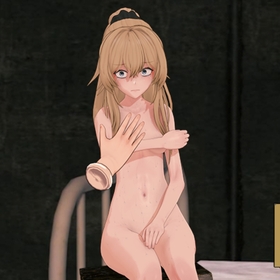
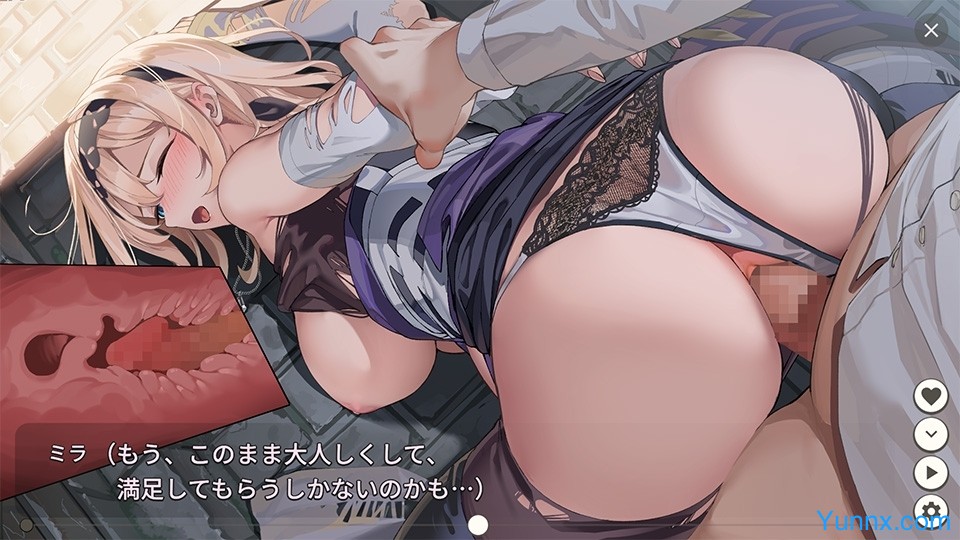
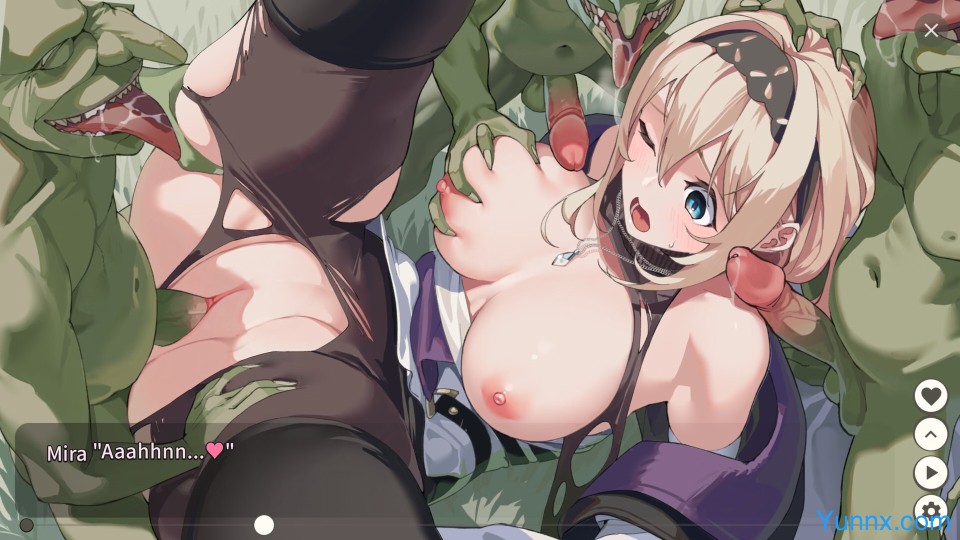
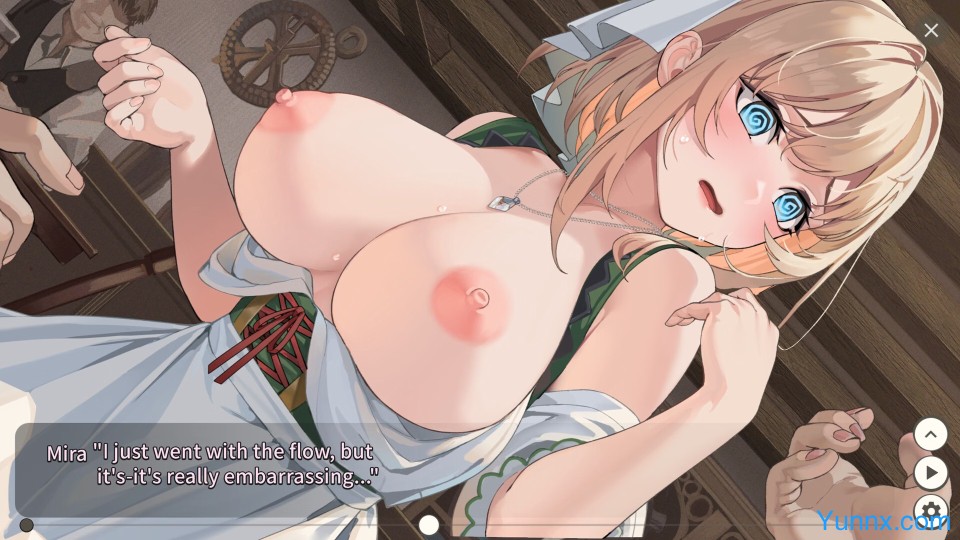
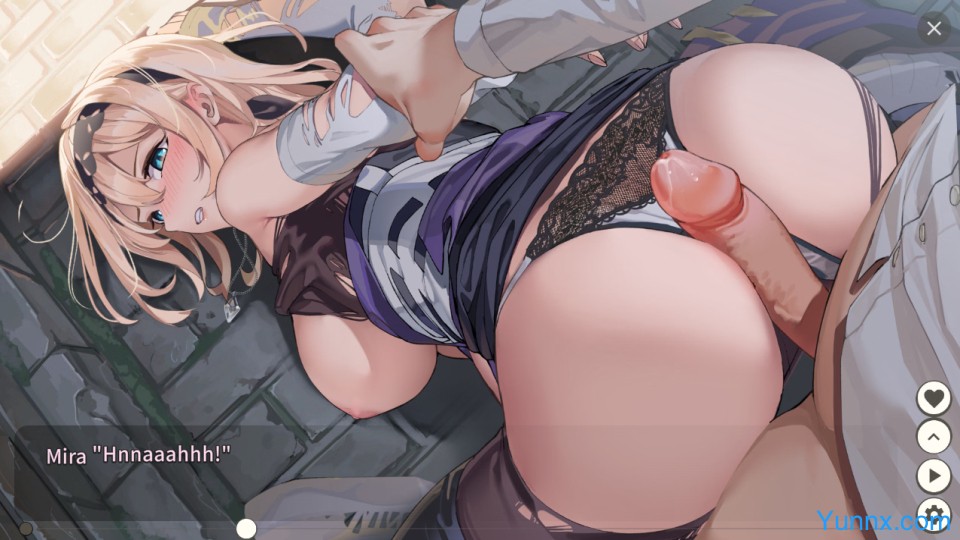
1. Here's the mechanism the game hangs its 18+ weight on: when you can't hold the line, Mira doesn't just die. She gets overrun. Overpowered. Caught. And the game leans all the way into what happens then—unlocking H-scenes tied directly to the type of enemy or situation that beat her. Failed a wave against beast-types? The encounter reflects it. Caught during a retreat through the woods? Different branch, different tone.
2. The danger isn't one failure—it's the accumulation. Repeated failures cascade toward a Bad Ending, meaning the game is tracking your downward spiral as much as your wins. The more Mira gets pushed, cornered, and compromised, the less "adventurer on a mission" she looks like—and the more the town, the guild, and whatever's in the dark start treating her like fair game. The H-content isn't decoration; it's the narrative consequence of losing.
3. That framing is what makes it work instead of feeling tacked on. You're not playing a fighter who conveniently gets naked every cutscene. You're playing someone desperately trying not to lose ground, knowing the cost of slipping once—and doing it anyway because the quest is the only lead she has left. The tension between "find him" and "stay intact" is the actual engine.