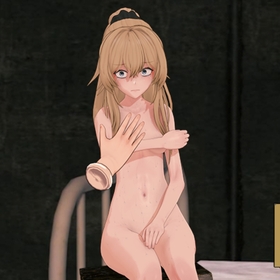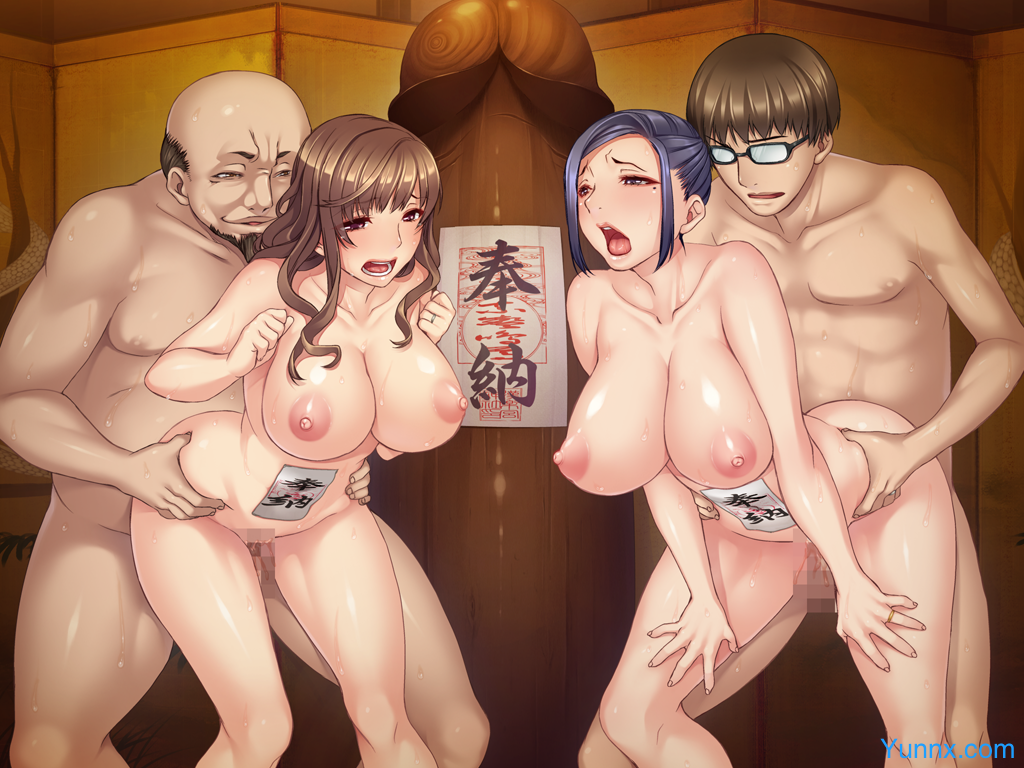

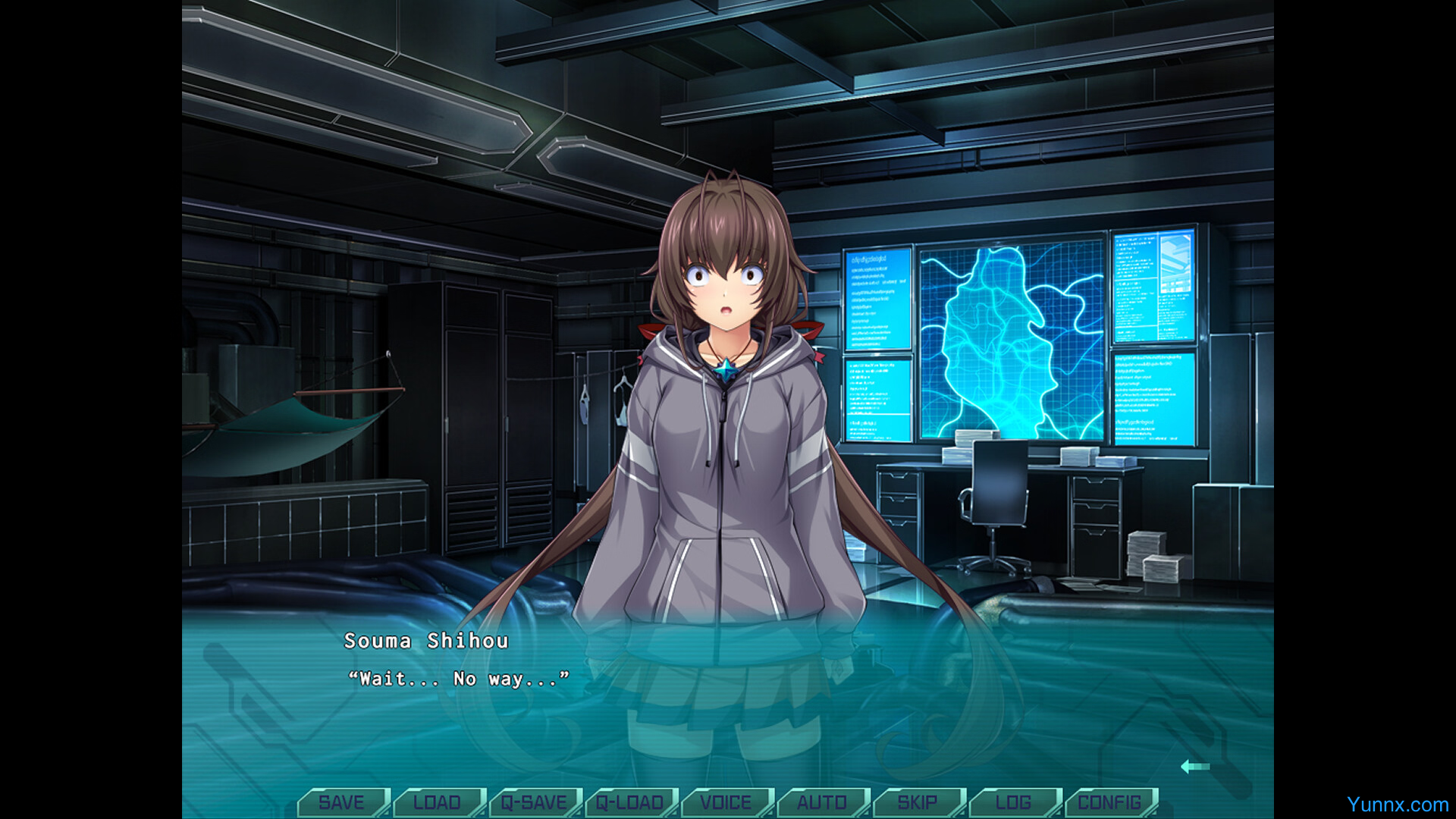
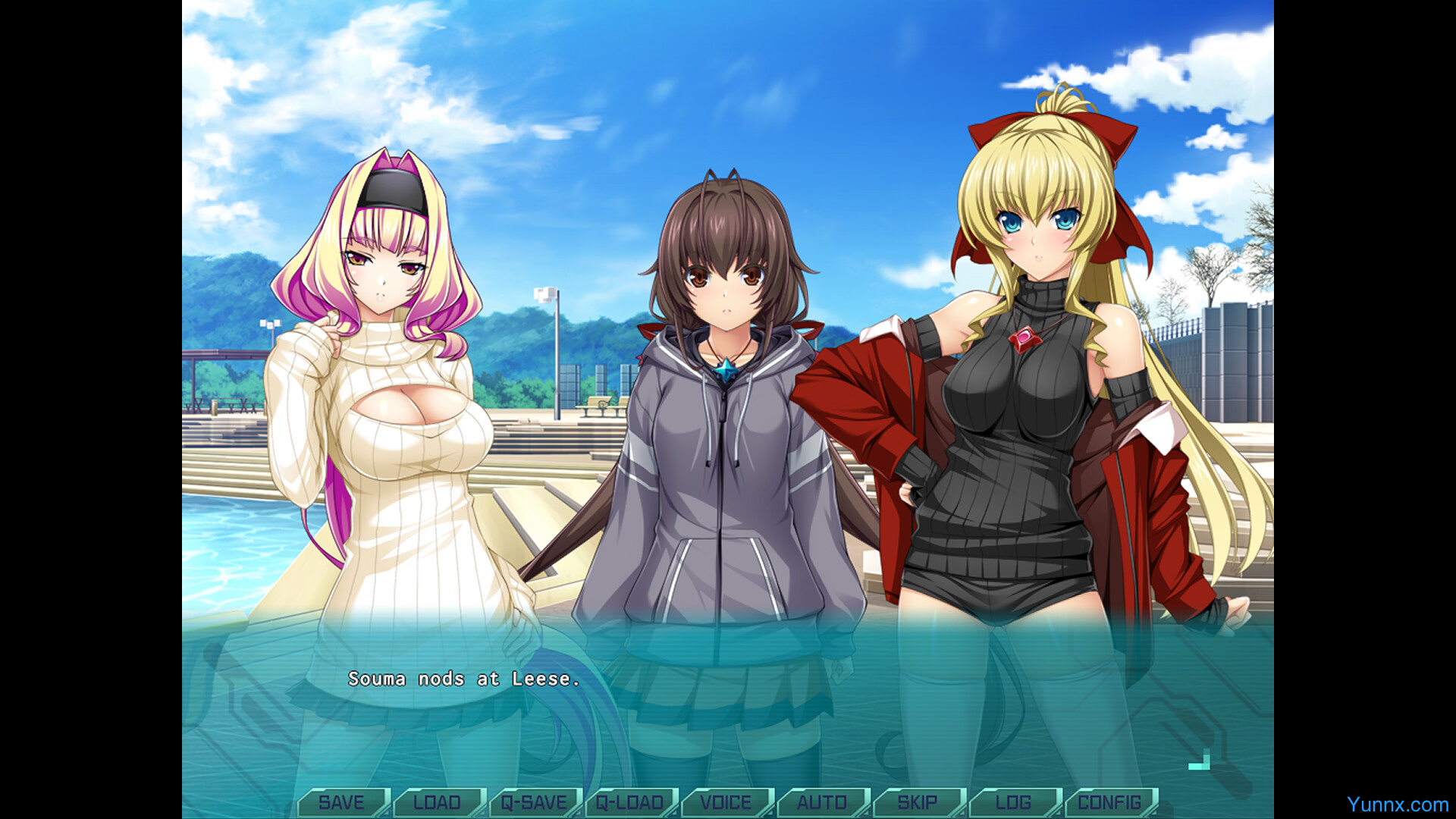
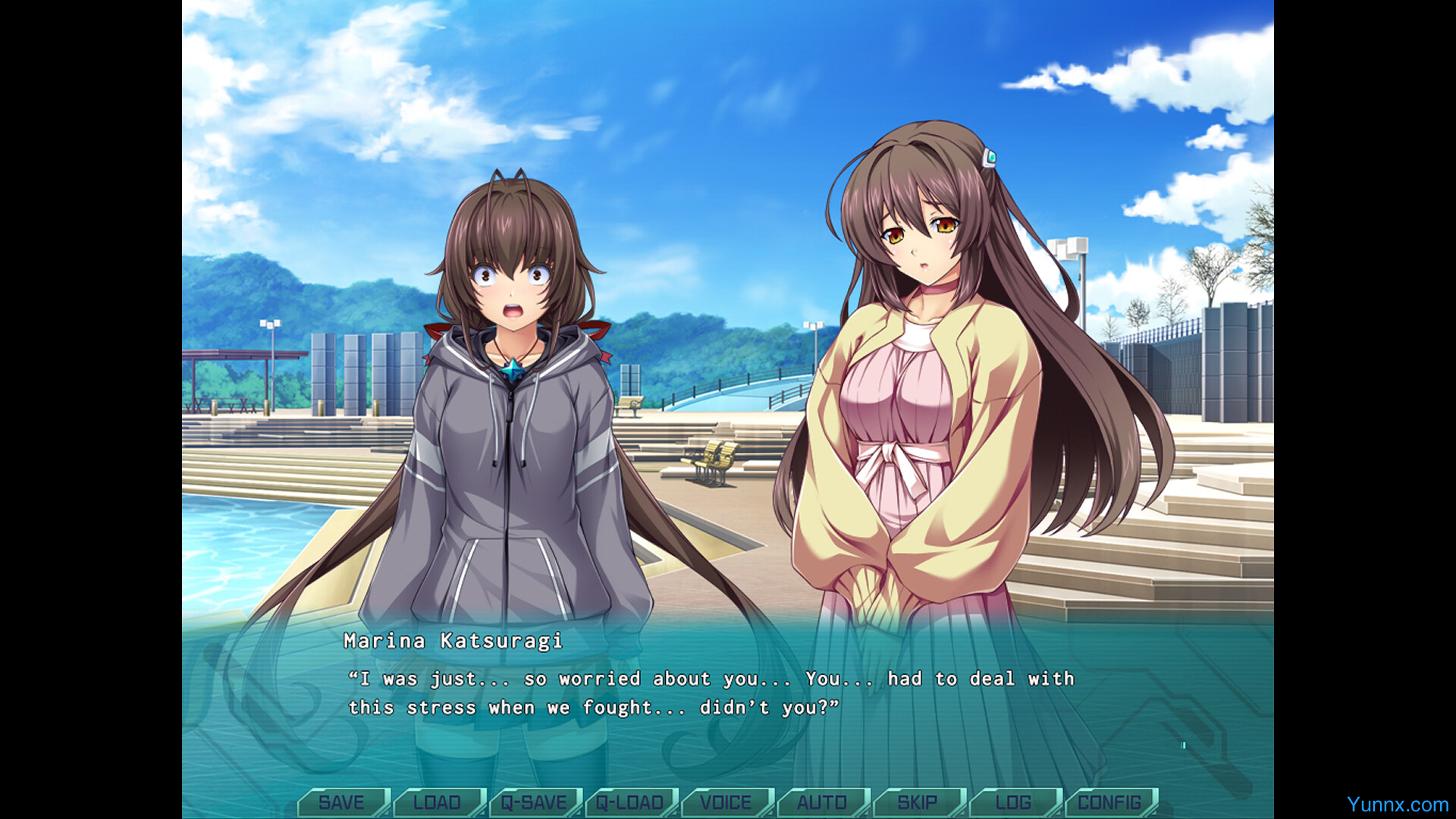
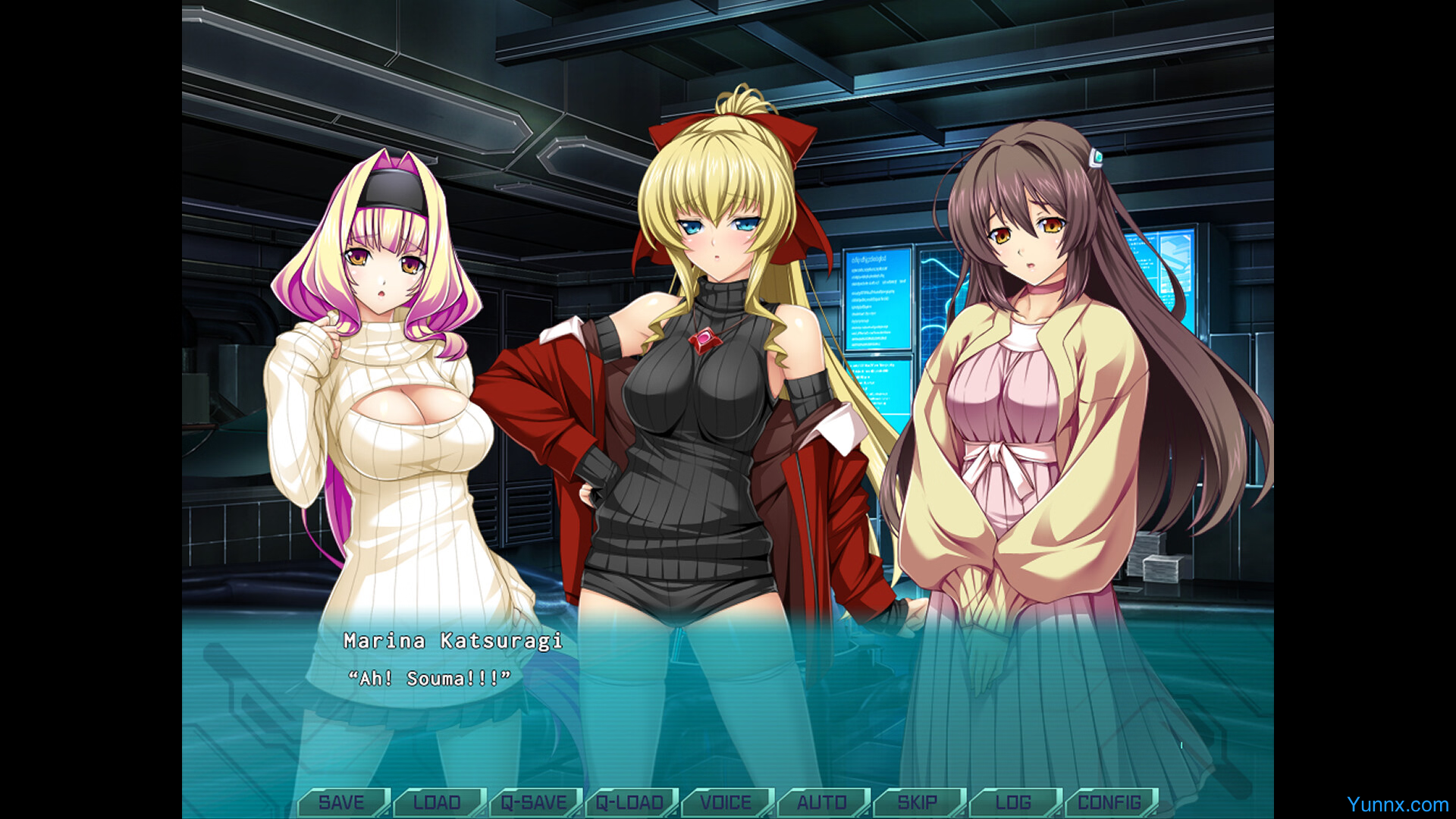
From veteran Japanese dev Lusterise comes the third parallel episode in the Holy Valkyrie ExS-TIA saga — Twilight Sabre. The combat support system's malfunction didn't just glitch the battlefield. It rewrote Souma Shihou mid-war, locking her former body away and forcing her to fight the remaining monster surges as a woman. Tactical support is still coming through the comms. The front line? That's hers alone now.
The System Didn't Ask Permission
1. The ExS-TIA support grid is supposed to do a lot of things — sync valkyrie units, stabilize ether output, keep pilots alive when the field tears itself open. What it's not supposed to do is restructure the operator. But the readings spiked, the interface flashed a protocol Souma had no clearance for, and by the time the combat log caught up, the body running the saber wasn't the one that drew it that morning.
2. Nobody on the command side calls it a tragedy. They call it "operational continuity." She's still the best weapon they have, the system insists, just… reassigned to a different chassis. The official briefings are clinical. The way the other girls look at her when the helmet comes off says something else entirely.
3. Souma doesn't get a grace period. The monsters don't care about technical difficulties. The front doesn't hold itself. So the compromise is brutal and simple: the comms stay open, the support fire keeps flowing from the rear units who haven't been rewritten, and Souma walks forward into the twilight zone where the last surges are gathering — alone, in a skin that isn't quite hers yet.
Parallel Episode 3 — Twilight Sabre
1. This entry zeroes in on what happens after the transformation, not the event itself. The drama lives in the adjustment — fighting with a center of gravity that's shifted, armor that fits differently, muscle memory that misfires by centimeters. The saber work is still there. The instincts haven't left. But every movement now carries a question the system refuses to answer: is this still Souma, or is she something the system made?
2. The "support" framework is where Lusterise's signature flavour shows. Help comes through data links and covering fire, distant voices she can't see, tactical callouts that feel oddly intimate when you're the only one standing in the mud. It's not loneliness — it's a very specific kind of isolation, fighting a war where your own equipment changed the terms on you mid-stride.
3. Twilight Sabre slots into the series as a focused character piece rather than a wide-scale campaign. Less "save the world," more "survive what the world's own defence grid did to you." The 18+ content grows naturally out of that pressure-cooker dynamic — the vulnerability of a rewritten body under combat stress, the way support relationships tilt when appearance and identity slip out of alignment, and the slow negotiation between who Souma was and what the system decided she'd become.
What to Expect (and Why Lusterise Fans Keep Coming Back)
1. If you've touched any ExS-TIA entry before, you know the house style: crisp character art, combat sequences that frame tension as much through pose and expression as action lines, and a script that takes its transformation premise seriously enough to wring real drama out of it. The TS element here isn't a costume change — it's a field-altering incident with consequences that linger in every scene.
2. The "parallel episode" label matters. This isn't the main route's canon pivot point — it's an offshoot, a what-if pressure test that lets the writing go darker and more personal than a standard route allows. You get the same universe, the same tech-religious aesthetic, and the same high-grade character design, but with the focus pulled tight around one soldier and one malfunction.
3. Fire it up. Listen to the comms chatter. Watch the twilight hit the saber's edge. Whether Souma walks out of this as herself or as something the system finished designing — that's the ride Lusterise's built for you.