





After Jake's mother passes away, he's pulled out of a half-empty apartment and dropped into his wealthy father's estate — the kind of house that feels too large for the people in it. Waiting for him: three women who don't quite know what to do with a new son and stepbrother under their roof. Laura, Emma, Sarah. A stepmother and two stepsisters. A strange, unfinished family. And a house where every closed door seems to be hiding something that's already been whispered about for years.
A House Too Big for Its Own Silence
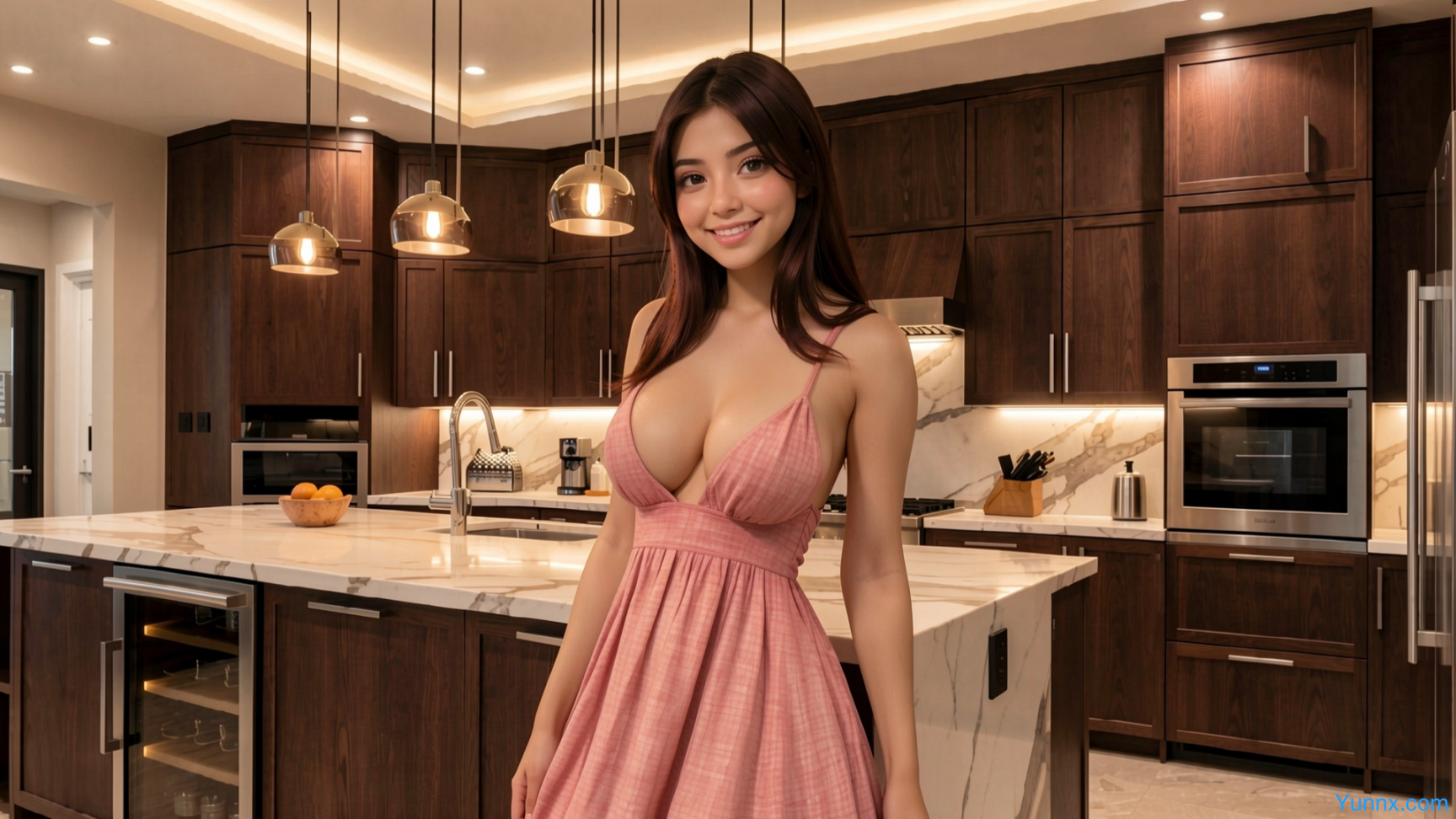
1. The estate doesn't feel like a home at first — it feels like a showroom. Polished floors, portraits that follow you, a kitchen bigger than your last apartment. Your father's there, technically, but he's always "at the office" or "flying out Tuesday," which really means the house runs on its own gravity. That gravity is Laura.
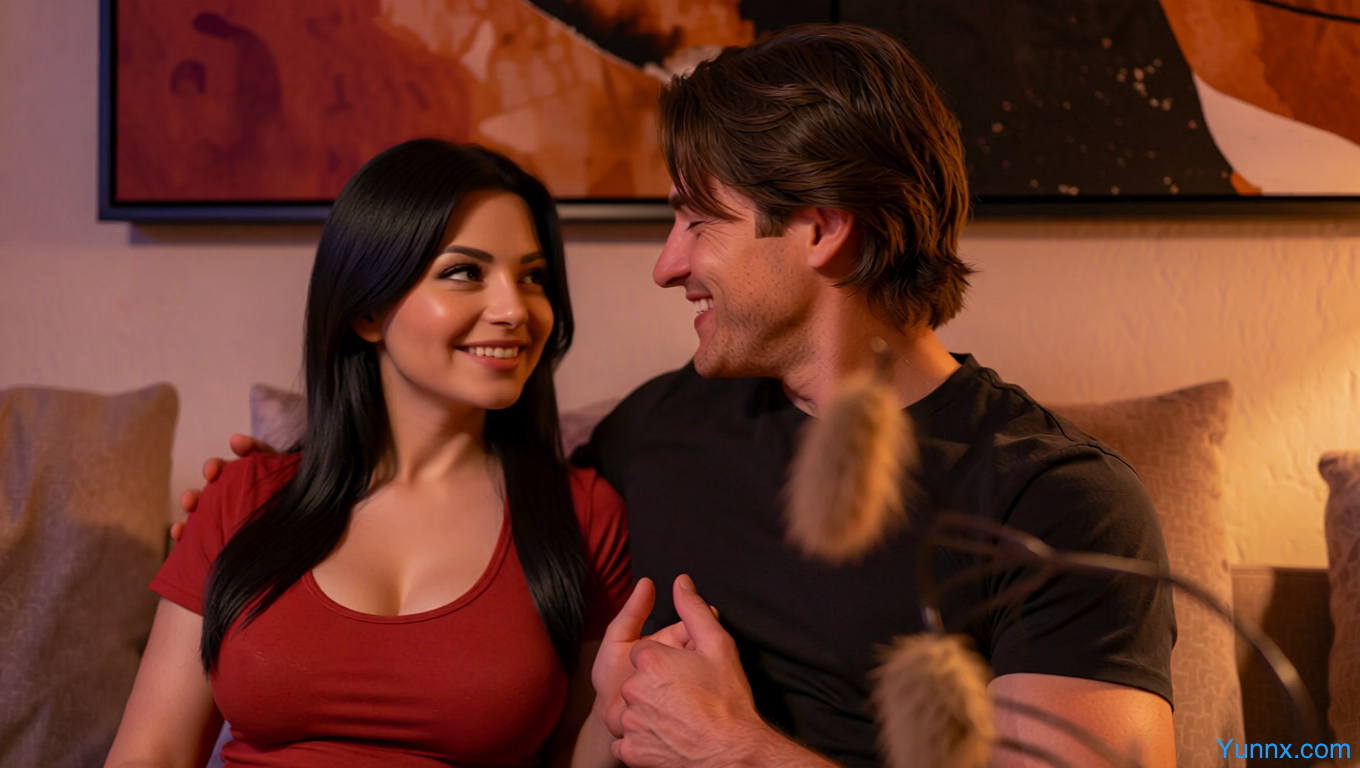
2. Laura is the one who makes sure there's coffee in the morning and that your bags actually make it upstairs. She's warm in that careful, deliberate way people are when they're terrified of being rejected — a kind, lonely MILF who's been starved for genuine affection so long she's forgotten what it looks like when it isn't transactional. She calls you "dear" like she's testing the word. You let her.
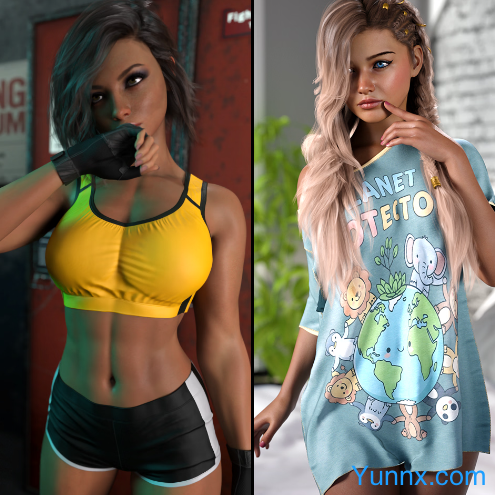
3. Emma barely acknowledges you the first week. She's the eldest stepsister — sharp-eyed, sharp-tongued, the kind of beauty that feels like a warning. She treats the house like her territory and you like an unapproved renovation. And Sarah? Sarah's the one who leaves her bedroom door cracked open and says goodnight before she even knows your name. The youngest. The gentlest. The easiest to underestimate.
Three Women, Three Doors You Shouldn't Open
1. Laura's path is the quietest — which makes it the most dangerous. It starts with her leaning on you because she has no one else who isn't paid to be there. A shared drink after dinner. A late-night conversation on the patio where she forgets, for ten minutes, that you're technically her stepson. The loneliness isn't subtext. It's the whole architecture. Healing it means stepping into a space the world already has opinions about.
2. Emma is a siege, not a courtship. She'll bite your head off for leaving a towel on the banister and act like she didn't notice your shoulders filling out since last winter. Tsundere to the bone — prickly, proud, impossible to approach until she decides you've proven you won't flinch. Break through that wall and she doesn't just melt. She claims you, like she's been waiting for a reason to stop pretending she didn't care.
3. Sarah is where the game earns its title. Sweet, shy, quick to open her heart and slow to understand why the house goes quiet when she does. She follows you around like a shadow that brings you snacks. Innocent, yeah — but innocence in a house like this isn't a shield. It's an invitation. And the way the story frames her "gentle awakening" makes it clear: whatever this family becomes, she's not being left out of it.
Healing, Yearning, and the Thing Everyone's Already Whispering
1. Gameplay lives in the domestic rhythm — conversations over dishes, weekend errands, helping Laura reorganize the sunroom, walking Sarah to the corner market, catching Emma smoking on the balcony and not walking away when she tells you to. Every interaction is a deposit. Every shared moment nudges the relationship meters the devs hid under the hood. You're not picking dialogue options because they're "correct." You're picking them because you mean them — or because you're curious what happens if you don't.
2. The "forbidden" framing isn't just a tagline slapped on the page. It's baked into the spatial design: the thin walls, the adjacent bedrooms, the way Laura's silk robe catches the hallway light at 1 AM. This is a visual novel that understands tension is a long game. The steam doesn't come from rushing. It comes from the slow collapse of boundaries that were never that strong to begin with.
3. By the time the three of them are sitting at the same breakfast table and the air doesn't feel wrong anymore — it feels inevitable — you realize the house wasn't too big. It was waiting for the right number of people to fill it. However you choose to fill it. However you choose to keep it.