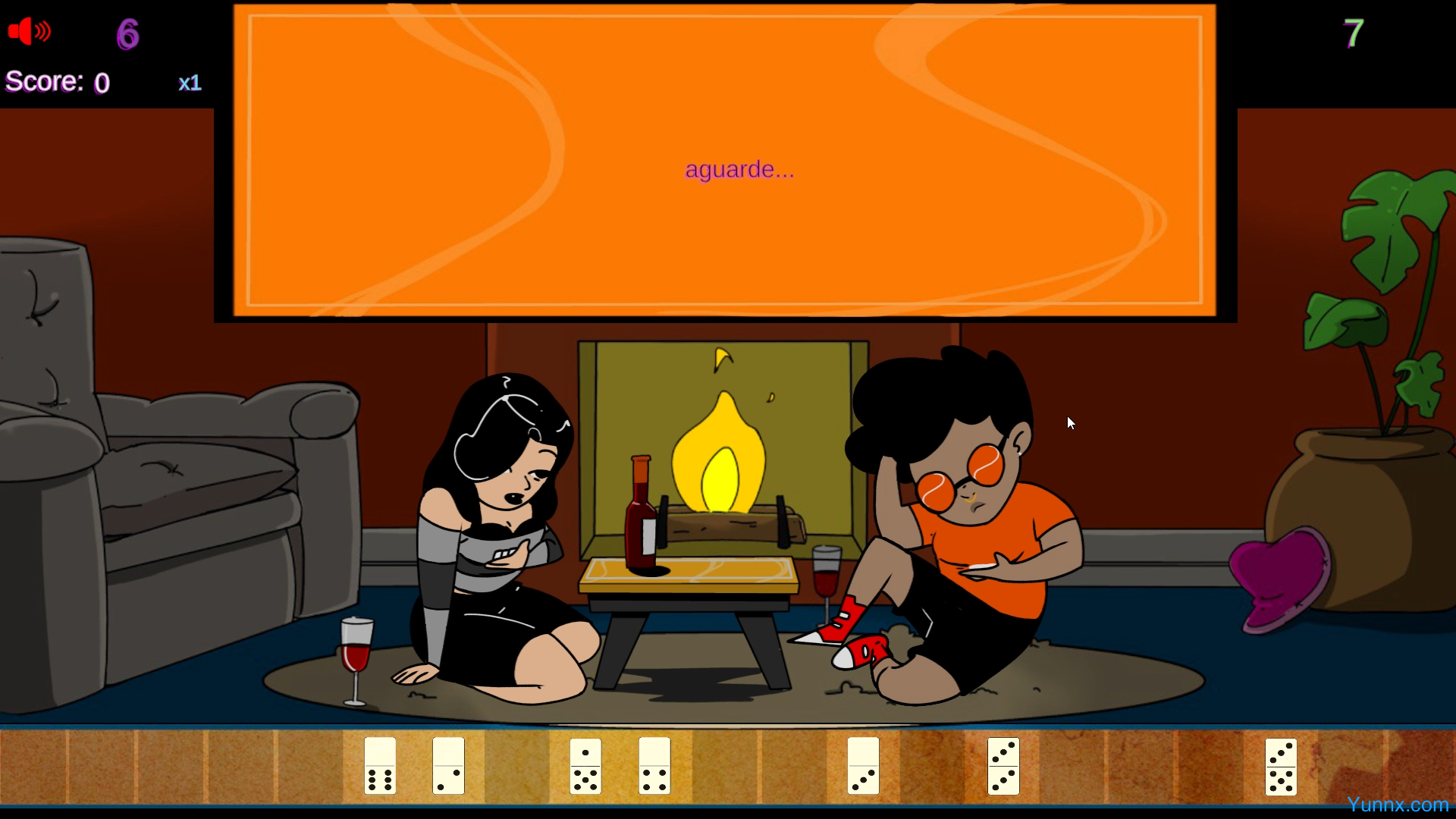
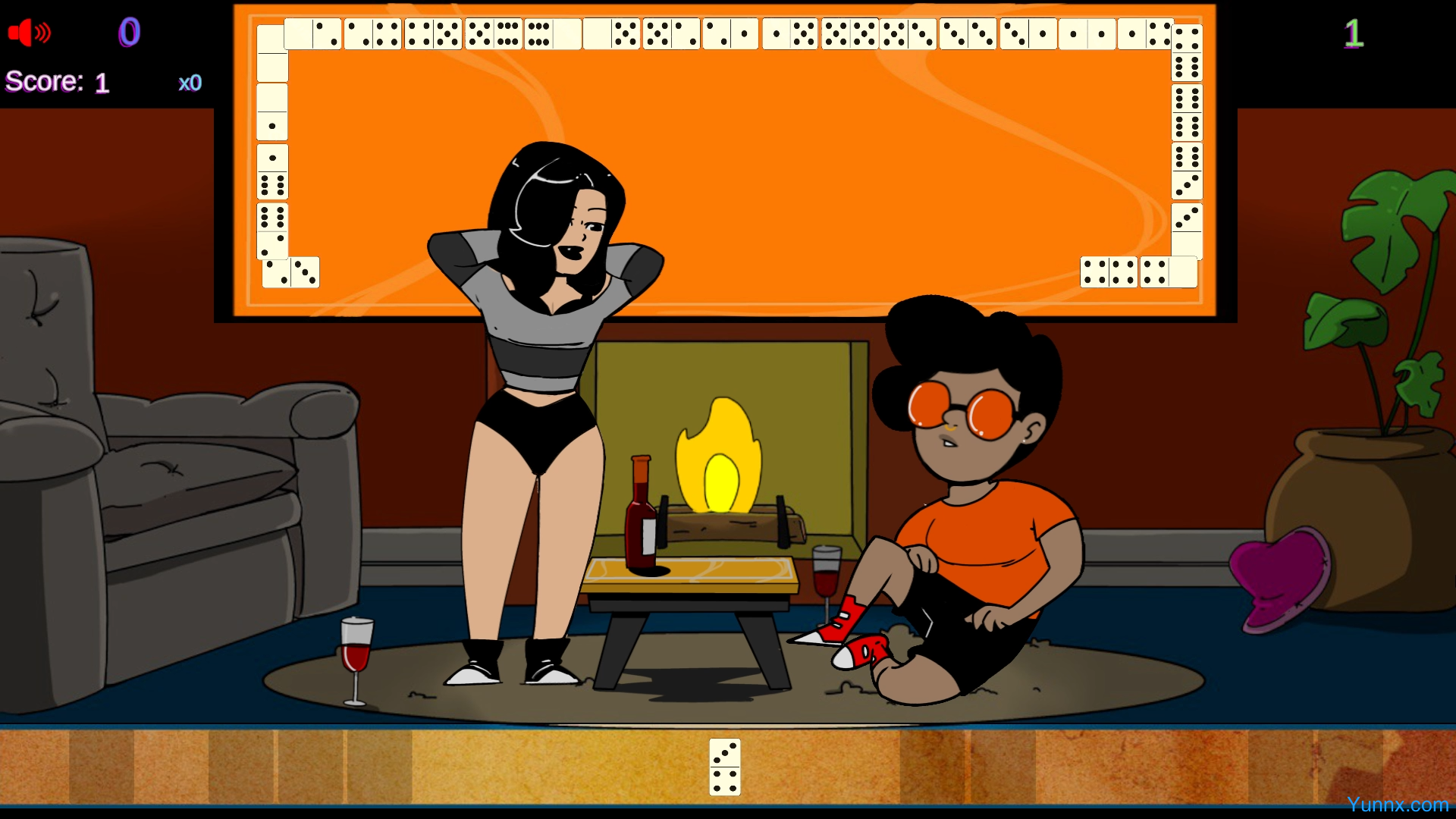
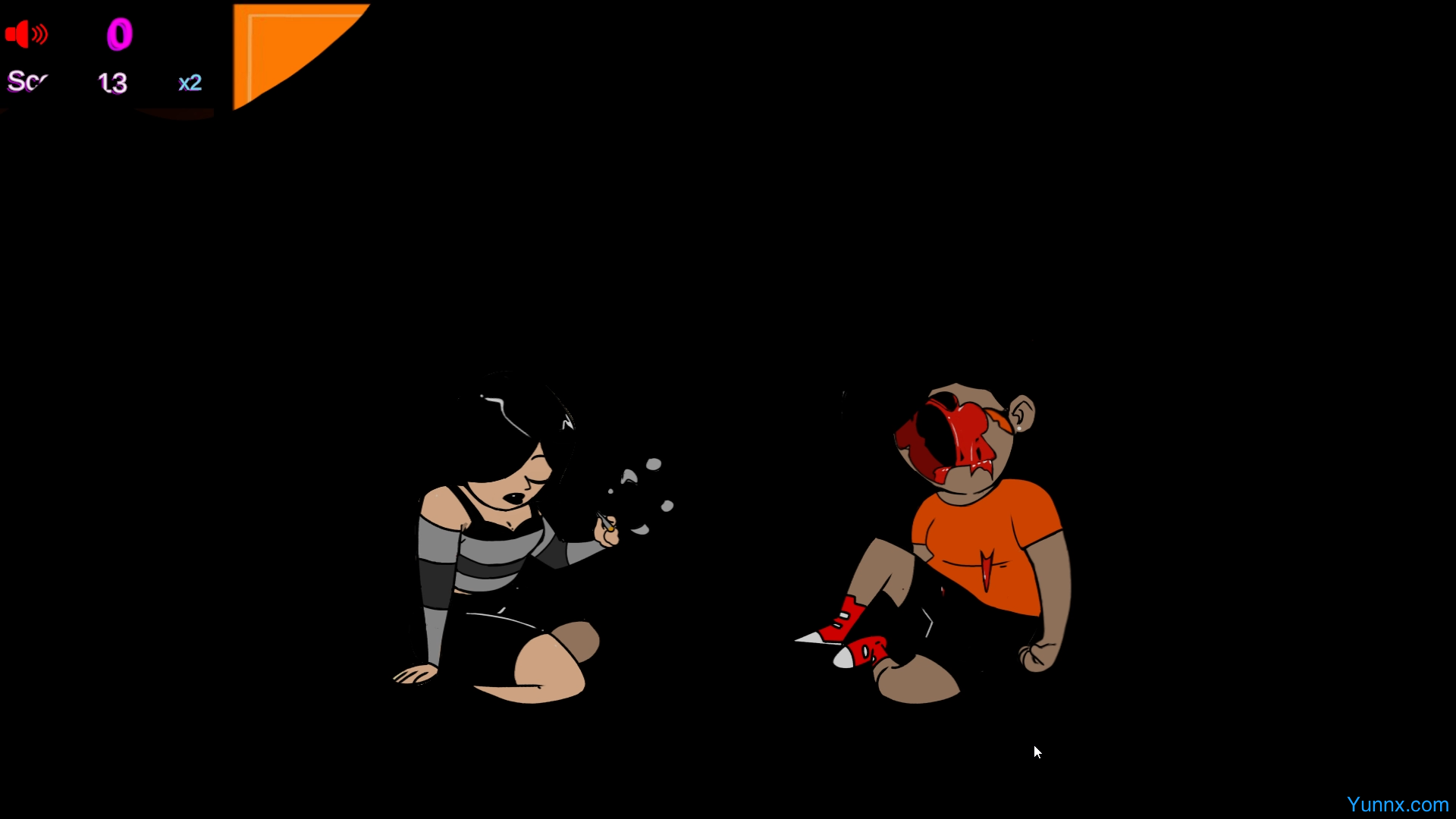
Domino Gotico is a grim, ink-black take on classic dominoes where every tile placed is a step deeper into a cursed duel. Win the board, strip your opponent bare — and if the lore's to be believed, shatter the death-and-resurrection cycle keeping both of you chained to the table. Gothic 2D art, cruel pacing, and a strip mechanic that actually earns its place in the rules.
The Table Where the Dead Sit Down
1. The setup doesn't look like a casino. It looks like a chapel floor — cracked slate, candle wax pooled around the edges, your opponent already seated when you arrive, like they've been waiting decades. The domino tiles aren't plastic. They're flat bone rectangles edged in tarnished silver, numbers etched deep enough to catch shadows. You shuffle them and the sound is wrong. Too dry. Too hollow.
2. Nobody explains the rules aloud. You just know them, the way you know a nightmare's geography once you've walked it twice. Match ends by number. Control the line. Trap your opponent with a hand full of dead tiles. But here, losing a trick doesn't just cost points — it costs layers. Every disadvantage on the board translates to something shed on the person.
3. The "cycle of death and resurrection" isn't flavor text. There's a meter, a tension that builds the longer the match drags. The dominoes themselves seem to feed on repetition — same faces, same patterns, same slow circling — and the only way out anyone's found is to break the opponent so thoroughly the ritual has nothing left to resurrect. Win. Strip. End it.
Dominoes as Predatory Chess
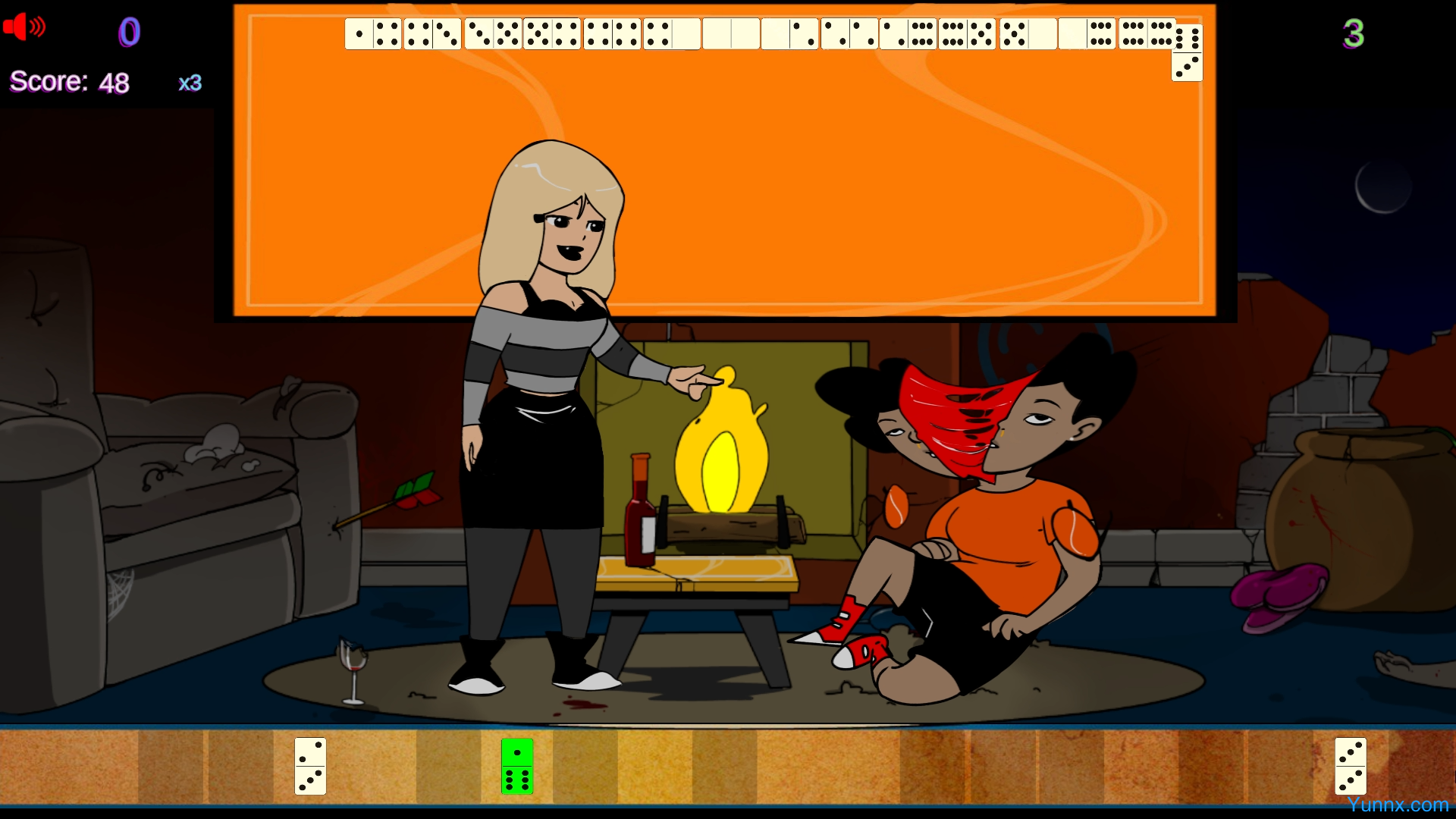
1. If you've played real dominoes, you know the rhythm: match the pip count, extend the line, manage your hand so you're never the one stuck. Domino Gotico keeps that skeleton but tightens the screws. Forced passes cost you. Holding the wrong tiles at the wrong time leaves you exposed. And "exposed" isn't metaphor — the strip system is tied directly to positional failure on the board.
2. It's not random fanservice drop. The clothing removal follows the ebb and flow of the match. You dominate the line → your opponent burns through defensive options → a garment goes. You choke, can't play, and have to draw into a thinning boneyard → the table extracts payment from you instead. The stakes scale naturally because the tile math already creates swing moments on its own.
3. That's what makes it work where other strip-games feel bolted together. The dominoes do the storytelling. A long, suffocating rally where neither of you can close it out feels tense before anyone's even unbuttoned a cuff. By the time the winning double-six snaps into place, the board and the body are telling the same scoreline.
Gothic Atmosphere That Does Heavy Lifting
1. Visually it's all high-contrast 2D — thick ink lines, muted purples and bruised greys, the occasional crimson accent that feels ceremonial rather than splashy. The character art doesn't break the mood with modern UI gloss. Portraits dim as the match tilts against them. Candlelight flickers across the tile faces. Small touches, but they sell the "this is a cursed venue, not a minigame" framing.
2. Sound design matters more than you'd think for a domino game. The clack of bone-on-bone is deliberately dry and final. A win-state chime feels more like a church bell than a slot-machine fanfare. When a strip threshold triggers, the animation's framed as part of the ritual — unhurried, weighted, like the table is claiming tribute rather than the camera begging for attention.
3. The lore implication — that you and your opponent are trapped repetitions of the same doomed pair, playing this out across lifetimes until someone finishes it — gives the whole thing a reason to exist beyond "sexy dominoes." It's still that. Proudly. But it uses the gothic frame to make every tile feel like a countdown.
翻译中...