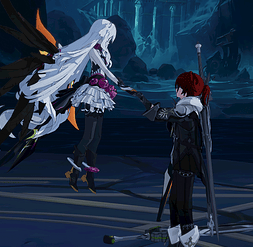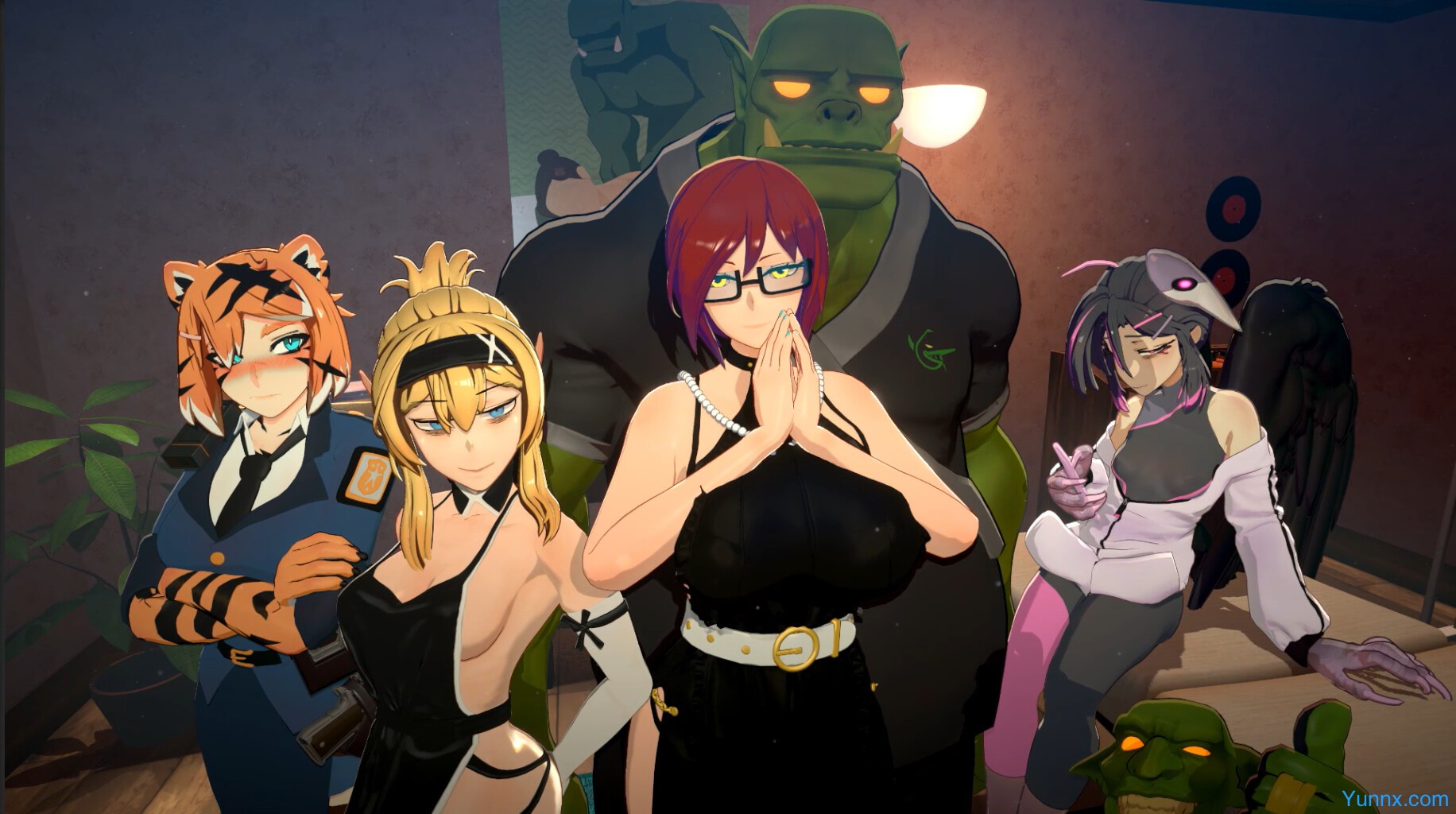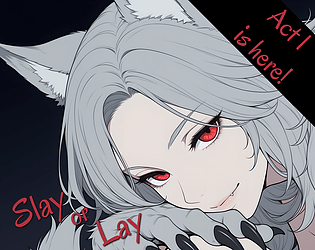

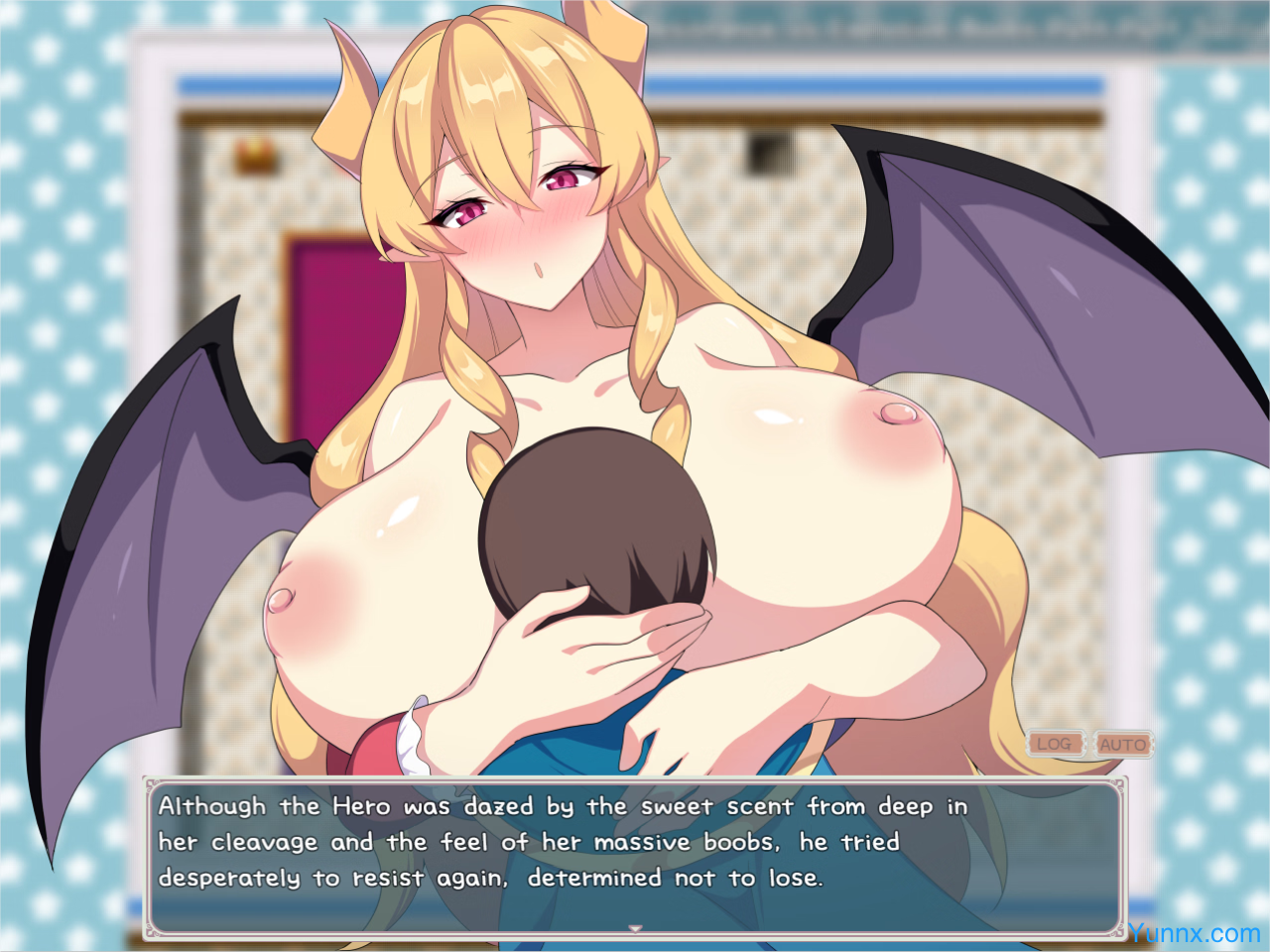



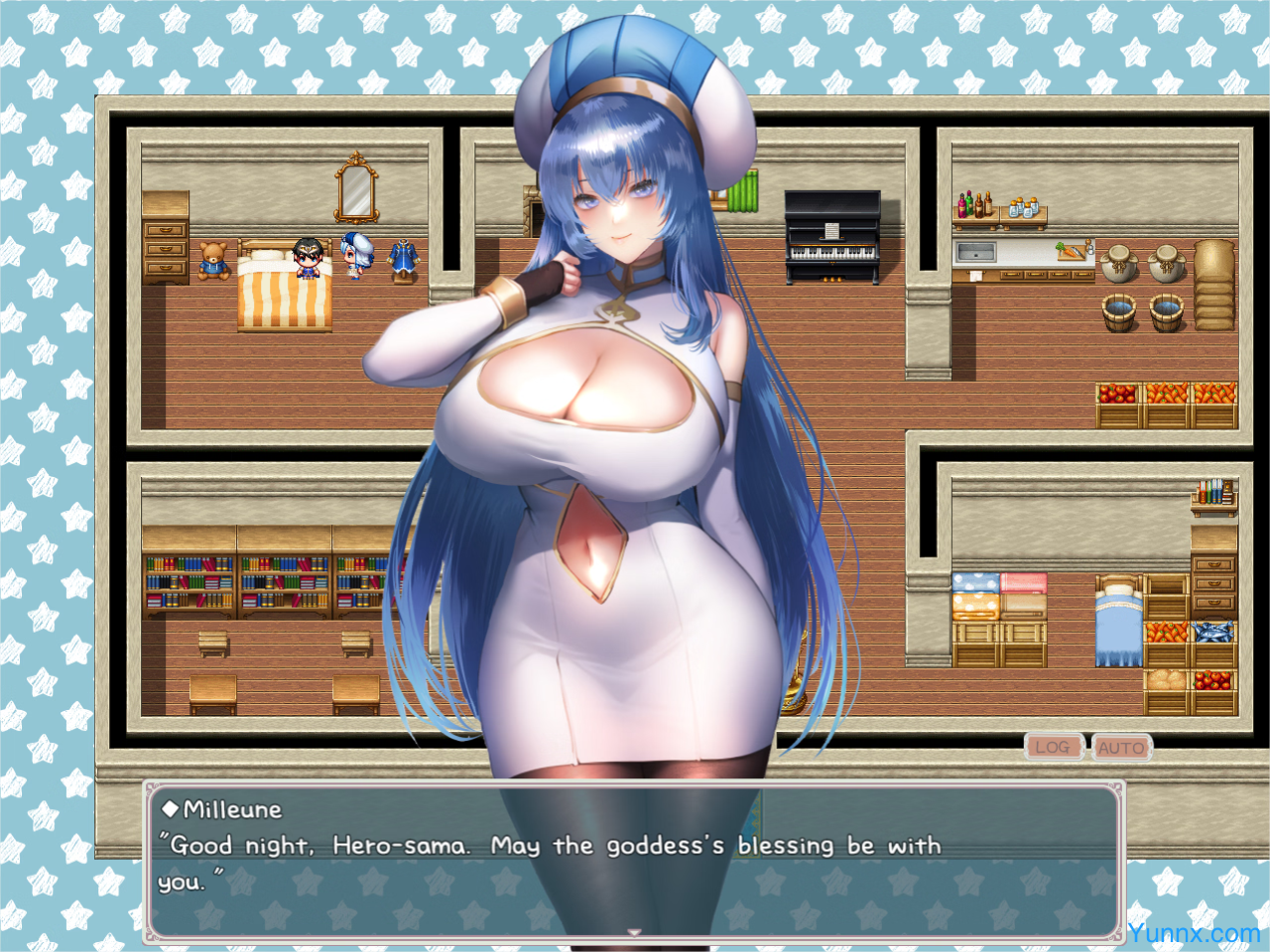

Peace was supposed to be the reward. Your father—the legendary hero—actually finished the job, killed the Demon Lord, and now the realm is busy turning epic deeds into paperwork, taxes, and very safe festivals. You’ve grown up comfortable, a little soft, and deeply bored. Then a selfish whim makes you run from home… right as the world suddenly sprouts a massive, coordinated outbreak of succubi. Turns out “happily ever after” has teeth, wings, and a very specific appetite.
The Boring Aftermath of a Legend
1. Living in the hero’s shadow sounds great on a tapestry. In practice it means lessons you don’t care about, expectations you didn’t ask for, and a town that keeps treating you like a museum exhibit instead of a person. Milleune—your caretaker/family retainer—keeps the house running and you safe, which mostly means keeping you from doing anything interesting.
2. You’re not evil. You’re just restless. The kind of restless where “maybe I’ll walk to the next province and see what happens” feels smarter than another lecture about destiny. So you don’t pack much. You just go. One night, one impulsive border crossing, one decision that feels like yours for once.
3. The scary part isn’t the running itself. It’s how fast the road stops feeling empty. The stars are wrong, the usual checkpoints are abandoned or… repurposed, and the air starts carrying that sweet, heavy buzz you only hear old veterans mention in euphemisms. Peace didn’t delete the supernatural. It just pushed it into hiding—until now.
The Outbreak No One Wanted to Believe In
1. At first you tell yourself it’s local trouble: a cult, a cursed ruin, a freak surge. Then you see the pattern. Villages emptied overnight, guards found grinning themselves awake in the dirt, trade roads rerouted because “travelers don’t come back the same.” Whatever broke loose isn’t random. It’s spreading, and it’s organized in that lazy, inevitable way a predator pack is organized.
2. Succubi aren’t showing up like monsters you can declare war on. They show up like a weather system—markets, bathhouses, roadside inns, even the safer-looking manor towns. Some townsfolk treat them like a new religion; others pretend they aren’t happening and hope the flush fades. Neither strategy works. The outbreak doesn’t negotiate, it just converts.
3. Of course, being the hero’s son means you’re not just another stray traveler. Word moves through the wrong kinds of networks fast. Whether you want the title or not, certain eyes decide you’re significant: a symbolic prize, a bloodline to corrupt, a convenient vessel to anchor the surge. Boredom’s over. You didn’t find the outbreak. The outbreak found you.
Your Routes, Your Collisions, Your Rules
1. This is where the game proper starts pulling strings. You’re on foot, underprepared, and suddenly the world expects a sequel to a legend you never auditioned for. Do you lean into the name—trying to act like the heir people fear you might be—or do you keep your head down and treat this like survival, using whatever leverage you can scrape together without dying?
2. Milleune’s reaction frames everything. She’s not just “waiting at home.” Depending on how you handled the runaway and what you admit to seeing on the road, she shifts from caretaker to keeper to accomplice—sometimes in the same conversation. The succubi, meanwhile, don’t just attack; they test. They dangle safety, indulgence, and status in exchanges that feel like conversation until you realize you’ve already agreed to something.
3. Play how you want, pay how it fits. Push back and you’ll need grit, quick thinking, and the kind of nerve that annoys people in power. Yield strategically and you’ll learn exactly how the outbreak stays fed—and how a hero’s bloodline can be used to steady it. Either way, the war’s over, the peace is cracking, and you’re the idiot who ran straight into the fault line.
翻译中...