
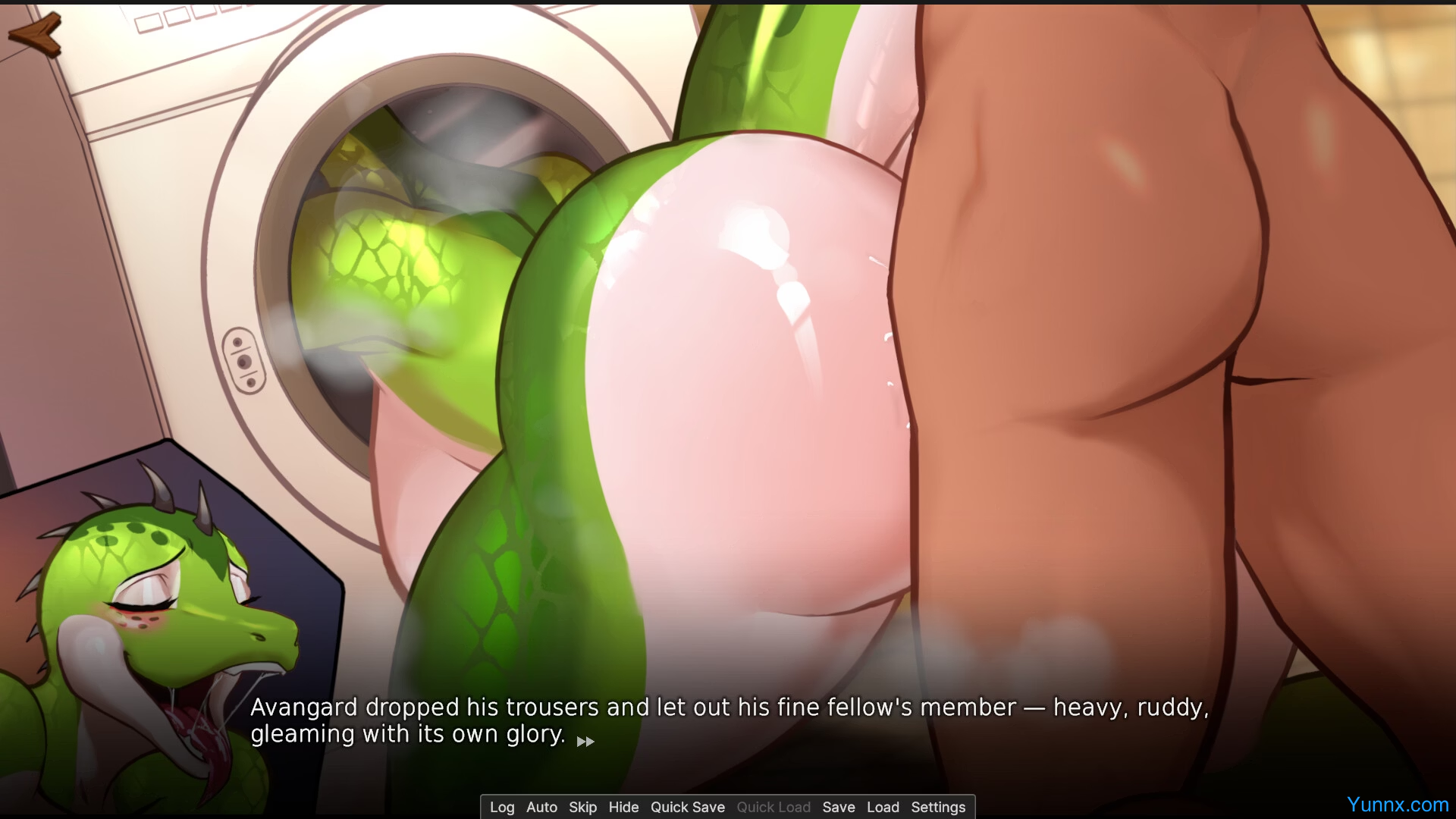


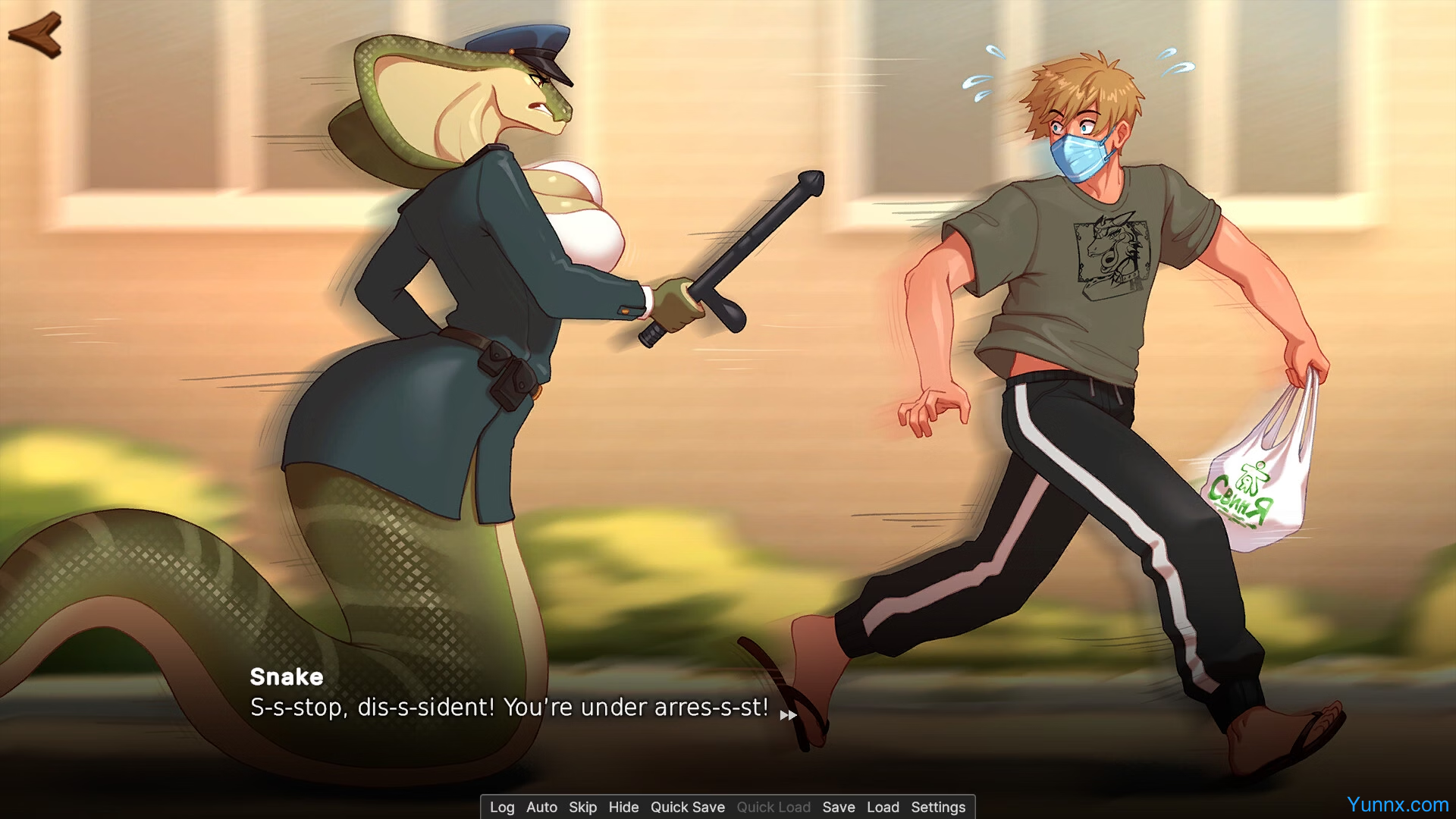
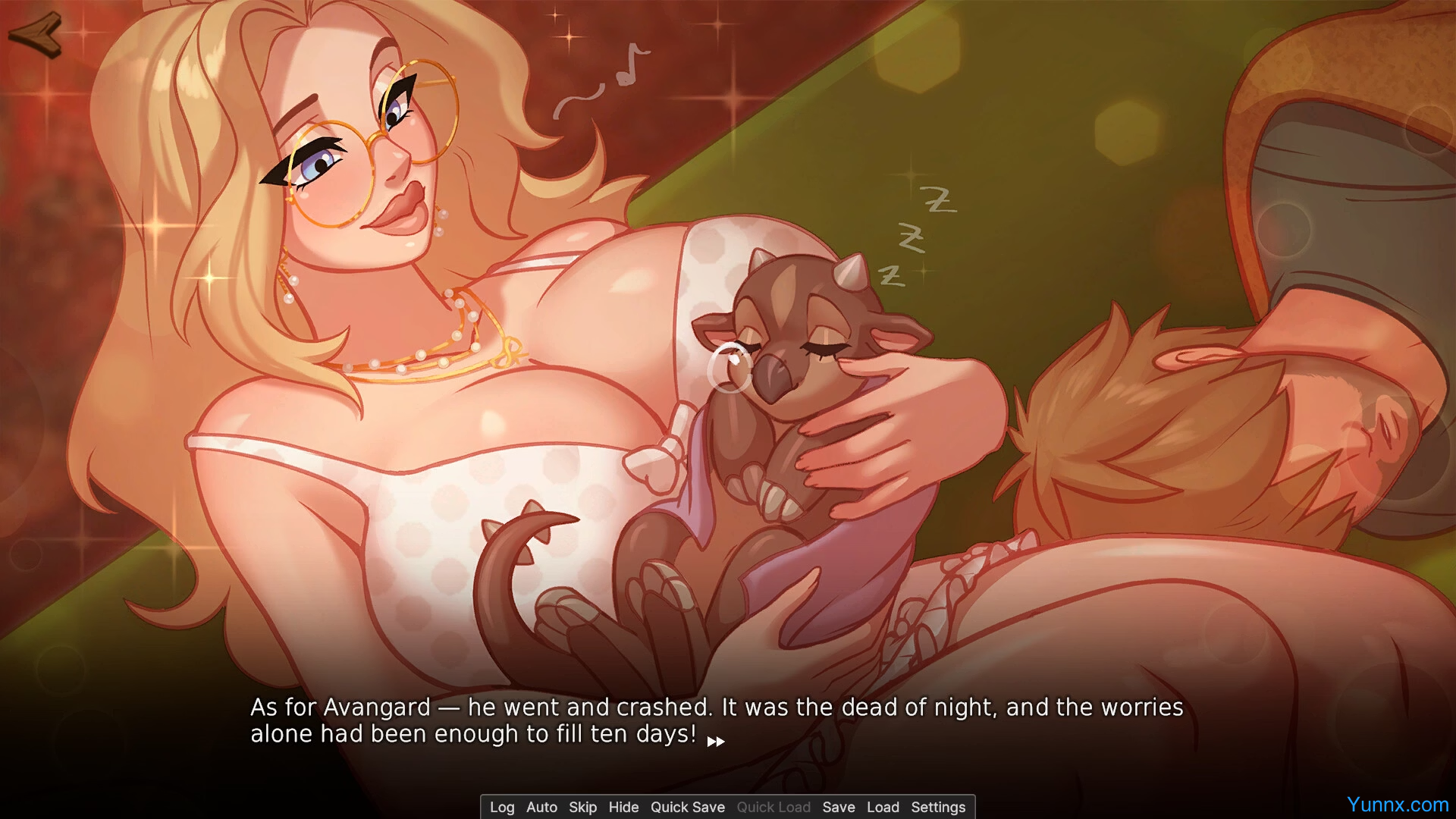



Hyperborea - Hornysolation is a provocative sequel to Humans Are No That Against Lizardwomen, set in 2020 during pandemic lockdown. A man discovers a sentient lizard trapped in his wall, sparking an intimate bond forged in isolation—and testing boundaries between survival, loneliness, and taboo attraction.
A World on Pause, Desire Unleashed
1. The game’s narrative hinges on the crushing weight of quarantine: empty streets, dwindling resources, and the psychological toll of forced solitude. Players experience the protagonist’s desperation and gradual obsession as he bonds with the lizard, whose otherworldly allure contrasts sharply with humanity’s fragility.
2. Dialogue choices drive the story, balancing practical survival (scavenging supplies, evading health patrols) with increasingly explicit emotional and physical connections. The lizard’s evolving behavior—from feral to seductive—mirrors the player’s moral compromises.
3. Set in a near-future Hyperborea, the art style merges stark, decaying urban environments with surreal bioluminescent hues reflecting the lizard’s alien biology. Sound design amplifies isolation: muffled apartment walls, distant sirens, and the creature’s guttural hums.
Branching Narratives: Quarantine’s Shadow Play
1. The game’s core tension lies in shared survival: players must manage the lizard’s needs (feeding, hiding from authorities) while navigating taboo relationships. Ignoring ethics risks escalating consequences—government raids, societal collapse, or irreversible metamorphosis of both characters.
2. Hidden mechanics let players “evolve” the lizard’s form through minigames, unlocking new abilities and intimate interactions. However, progression often demands morally dubious choices, such as exploiting neighbors or sabotaging relief efforts.
3. Multiple endings hinge on whether players prioritize humanity’s survival, the lizard’s freedom, or their own twisted desires—each with chilling consequences that question what it means to “adapt” in a broken world.
Community & Controversy: Playing With Fire
1. Forums buzz with debates about the game’s themes: Is it a critique of loneliness, or just exploitation? Players dissect dialogue choices in spoiler-laden threads, while fan art blurs the line between horror and fetish.
2. Developers openly embrace polarizing design choices, such as forced moral ambiguity in decision trees. Modding tools let players tweak the lizard’s design, sparking memes and critiques about consent in gaming narratives.
3. Critics argue the game’s raw, unfiltered tone aligns with pandemic-era anxieties, making it both a shock and a mirror to societal decay. Meanwhile, its SEO-optimized tagline—“Quarantine isn’t lonely anymore”—draws relentless traffic.