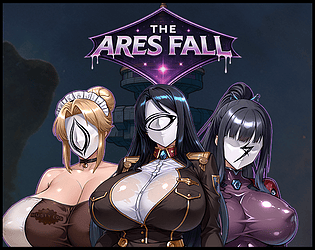
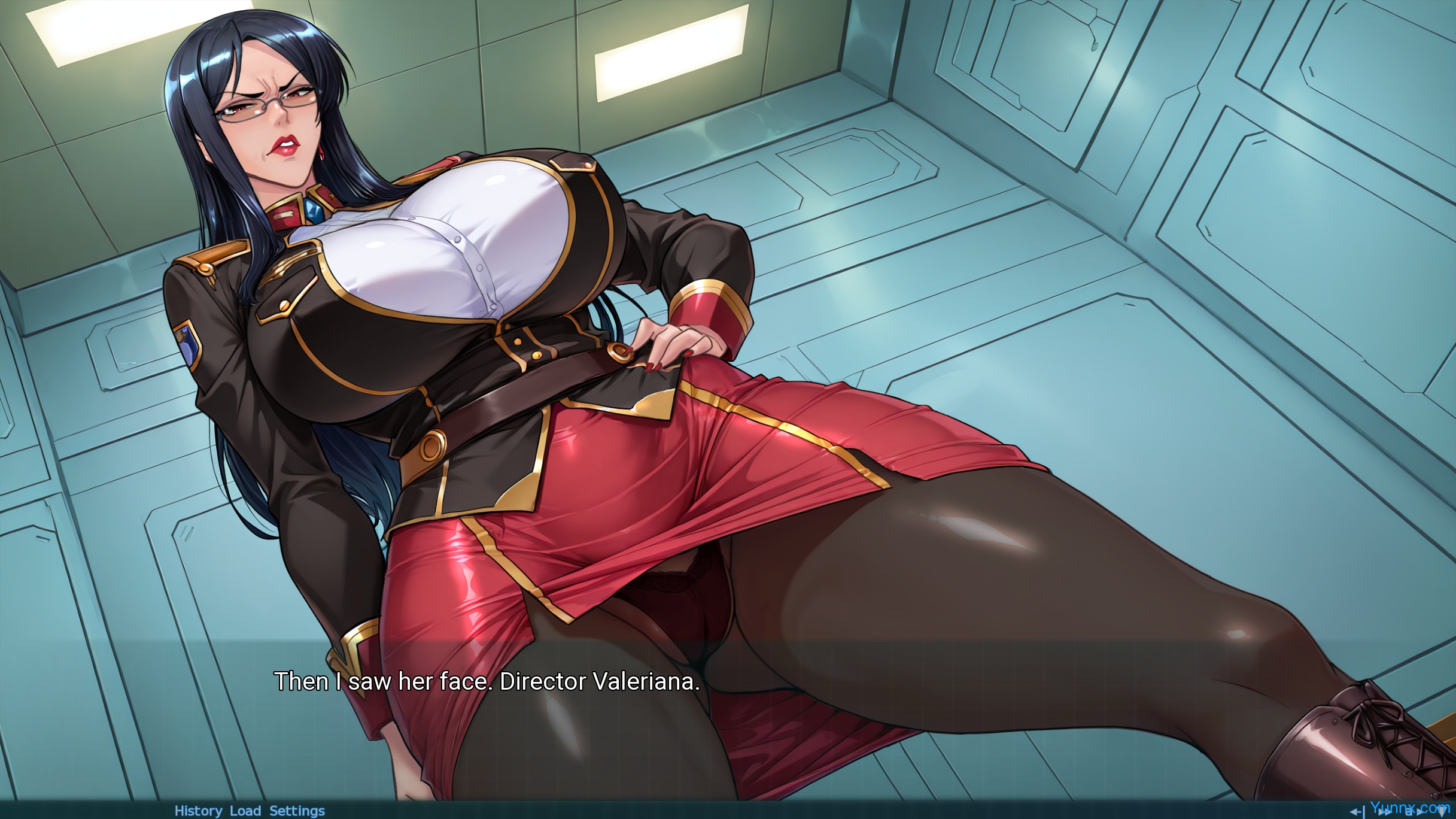
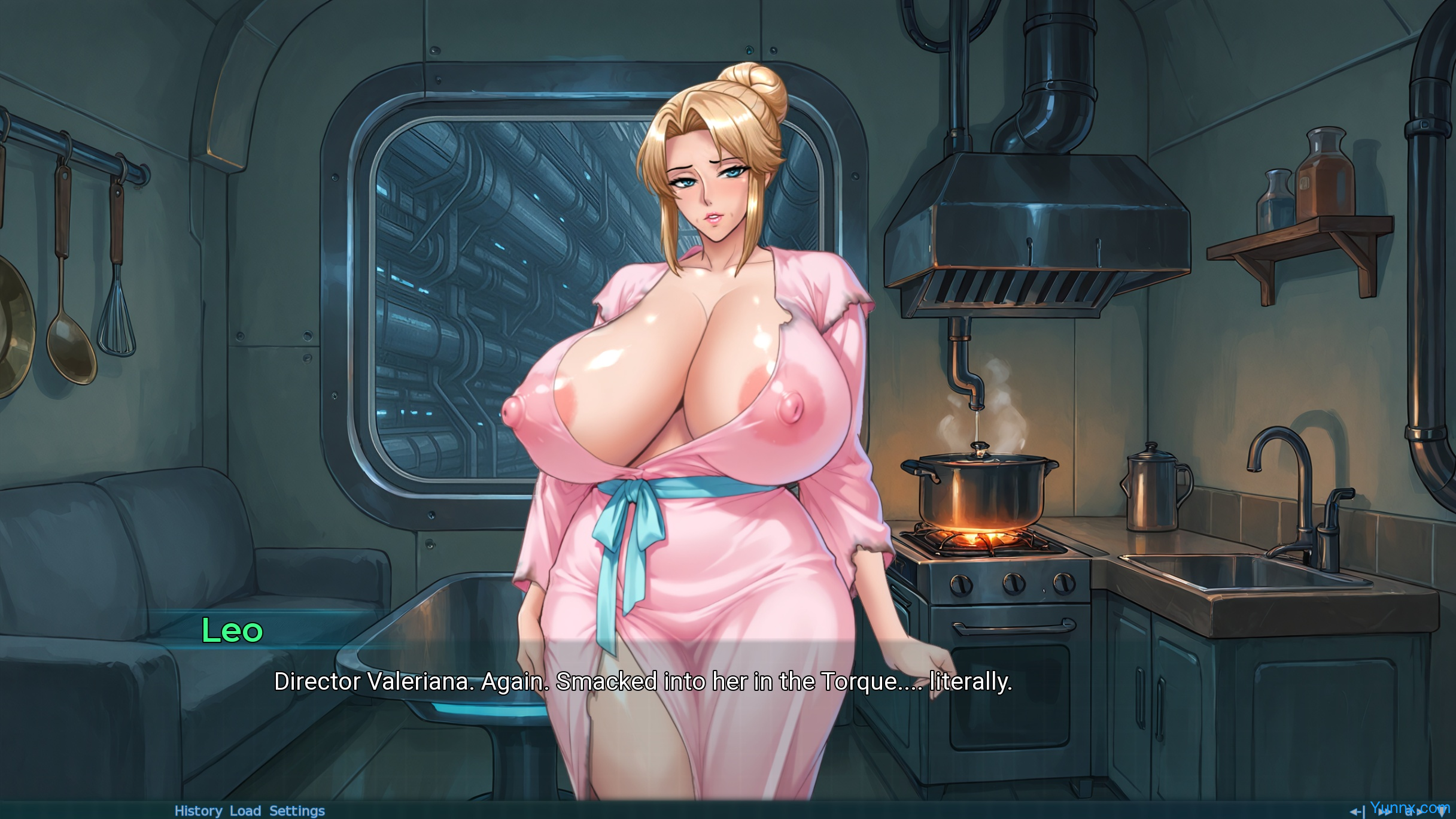

In the meticulously tiered society of the Ares Initiative Collegiate Orbital, your status dictates your life. Leo Kaito, of the Iron Tier, navigates a pressured relationship with higher-tier Kaira while investigating his mother's disturbing changes. As subtle psychological disturbances permeate the station, every choice becomes a trade-off between love, family, and self in this psychological sci-fi visual novel exploring betrayal and compromised intimacy.
A Society Built on Tiers and Tension
The Ares Initiative presents a sci-fi setting where social dynamics are the core conflict.
1. The orbital station is organized not by birthright but by a rigid system of access, expectations, and unspoken leverage, creating a palpable hierarchy that affects every interaction.
2. The central relationship between Leo and Kaira is permitted by this system, yet it is never neutral, constantly shaped by visibility, rank, and invisible limits that make genuine care feel both real and perilously conditional.
3. This environment ensures that personal advancement is always possible, but so is a gradual erosion of one's principles, setting the stage for difficult compromises.
Psychological Erosion in a Closed Ecosystem
Beyond social pressure, the station itself exerts a more insidious, psychological influence.
1. Leo's investigation begins with small, personal alarms—his mother's unexplained absences and altered routines while working deep within the station's hidden sectors, far from the polished upper decks.
2. These personal worries mirror larger, ambient disturbances across Ares: a low psychic hum, unexplained behavioral shifts in others, and an atmosphere where authority lingers and affection carries heavy expectations.
3. The narrative masterfully builds a sense of pervasive, quiet testing, where the station challenges its inhabitants not through overt force but through tailored incentives, accumulated fatigue, and deliberately blurred moral lines.
Gameplay of Choices and Compromised Agency
The interactive experience reinforces the themes of constrained autonomy and subtle betrayal.
1. As a visual novel with gameplay elements, your choices actively shift relationship dynamics and narrative paths, offering a sense of agency within the oppressive system.
2. However, the narrative remains authentically rooted in its psychological sci-fi themes; decisions often lead to outcomes involving betrayal or compromised intimacy, reflecting the inescapable pressures of the Ares environment.
3. This creates a compelling tension where player input feels meaningful, yet the overarching direction towards emotional and ethical negotiation remains constant, delivering a true NTRS experience where relationships are reshaped by external forces.