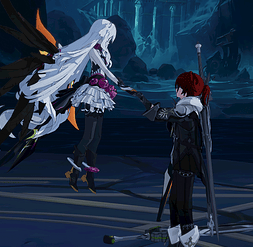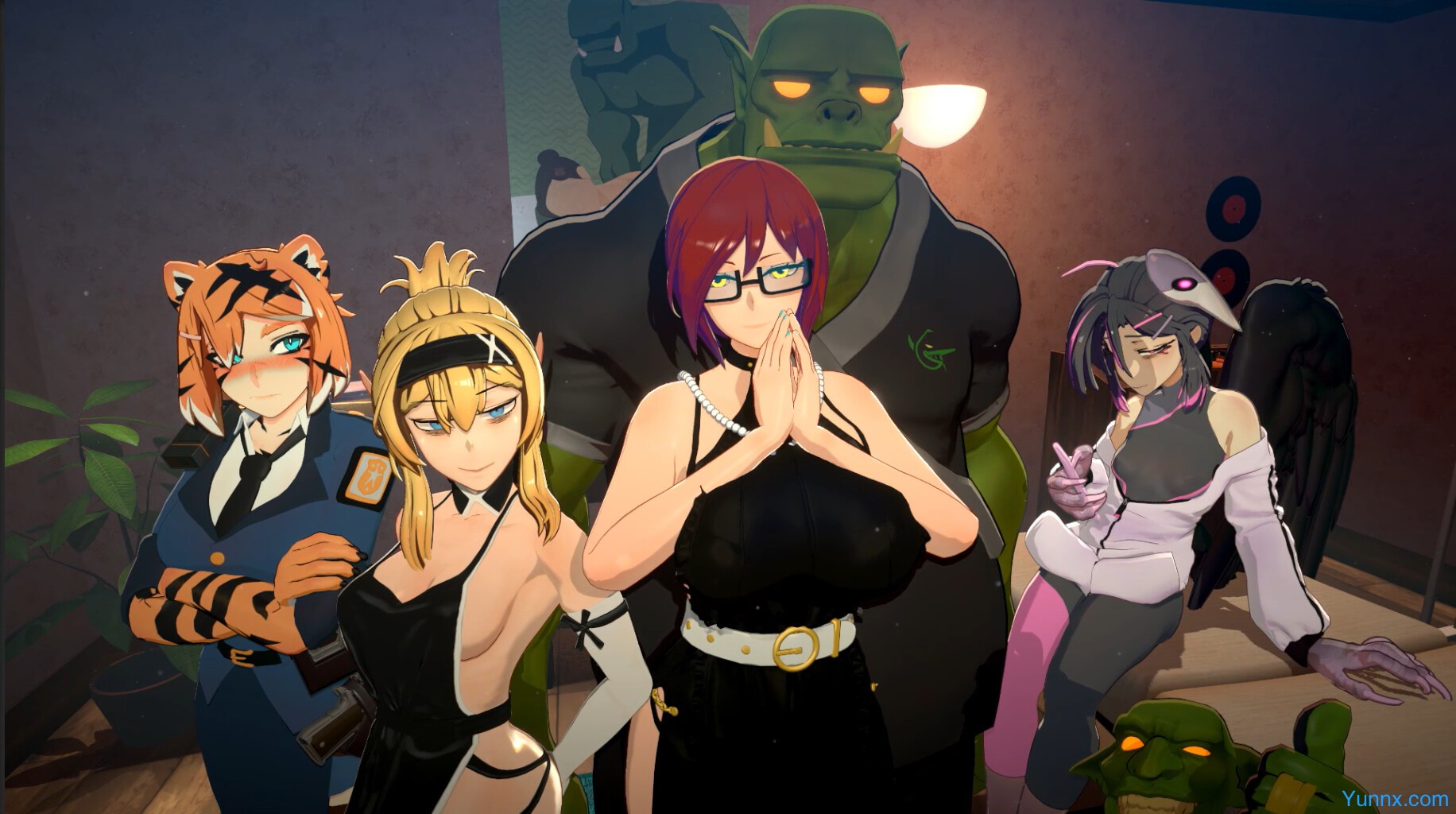

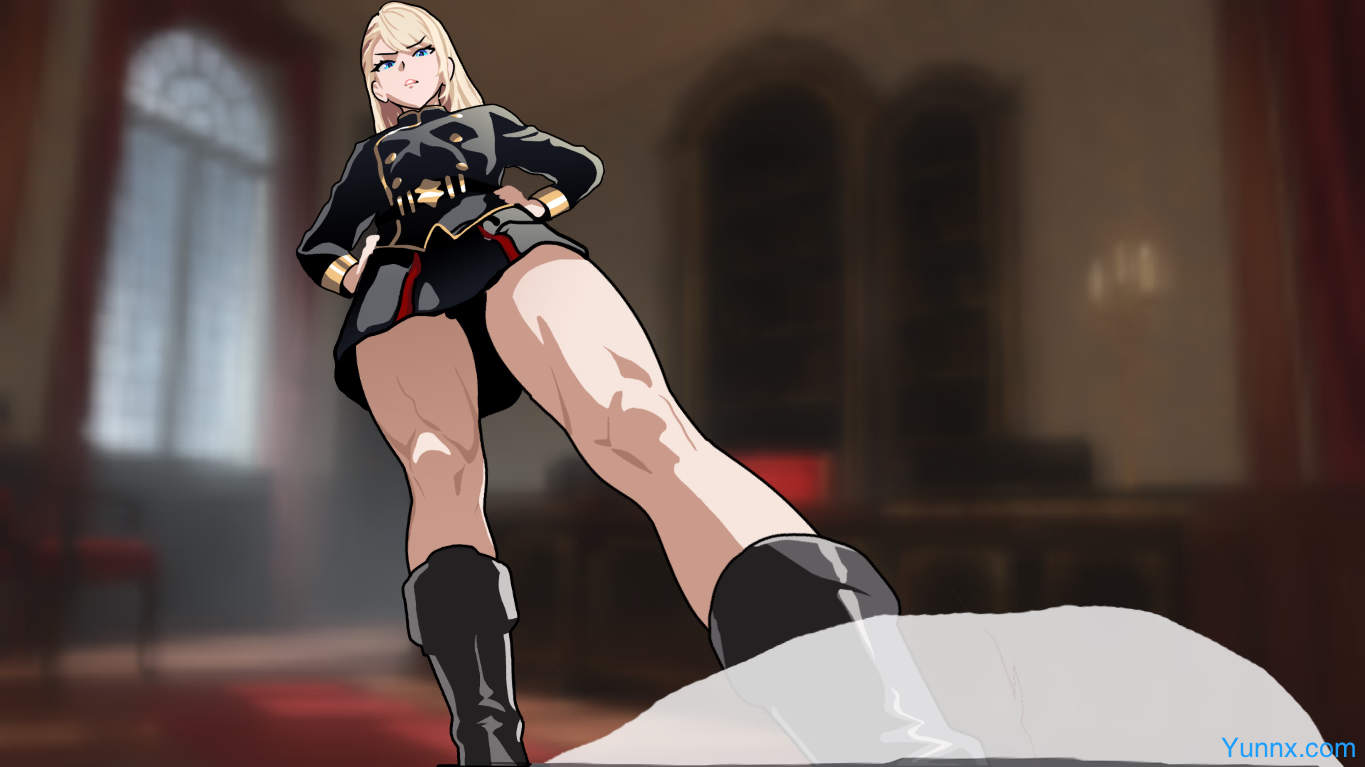

An atmospheric dark fantasy RPG where moral choices twist into consequence. Follow a knight-in-training entangled in a shadowy academy’s secrets, where a simple errand for Seraphine unravels webs of power and hidden agendas. Every decision echoes—forge alliances, question loyalty, and confront the cost of survival.
Immersive Dark Fantasy Worldbuilding
1. Academy of Shadows: Set in a decaying knight-training institution, the game blends medieval aesthetics with surreal, oppressive environments—creaking libraries, bloodstained training grounds, and hidden corridors humming with ancient magic.
2. Unspoken Tensions: Characters like Seraphine, whose seemingly innocuous requests mask deeper manipulations, populate a world where trust is currency and silence is a weapon.
3. Living Conspiracy: Every NPC, from guards to mentors, carries secrets tied to a looming threat only the player can unravel.
Player-Driven Narrative
1. Consequences Without Safeguards: Your choices—like delivering that pitcher of water—ignite unpredictable outcomes. One decision might save a life; another could ignite a rebellion.
2. Moral Ambiguity: Loyalty tests force you to ally with villains or betray allies. Is Seraphine an ally, a liar, or both? The path to knighthood demands sacrifices, not heroics.
3. Dynamic Relationships: Dialogue adapts in real time. A flippant remark could trigger betrayal, while strategic silence might unlock hidden lore—no reloads to hide mistakes.
Stylish, Sensory Gameplay
1. Tense Atmosphere: A haunting score and dissonant sound design mirror the academy’s unease. Whispered conversations and sudden silences heighten immersion.
2. Strategic Dialogue Trees: Decisions aren’t just yes/no choices. Body language, timing, and hidden context (e.g., overhearing a guard’s fear) shift outcomes.
3. Visual Storytelling: Every room tells a story—cracked portraits hint at fallen knights, and shifting lighting exposes hidden symbols. The environment itself warns of danger.
Why Attack on Hearts Stands Out
1. Zero Regret Mechanics: Unlike traditional RPGs, there’s no undo button—every choice is permanent, forcing replayability to explore alternate paths.
2. Seraphine’s Role: As your "leash-holder," she’s both guide and manipulator. Her evolving persona—charming yet chilling—defines the narrative’s spine.
3. Time-Locked Tension: The game’s structure mirrors the academy’s clockwork tyranny. Miss deadlines, ignore subtle cues, or fail trust tests, and the story collapses into irreversible despair.