
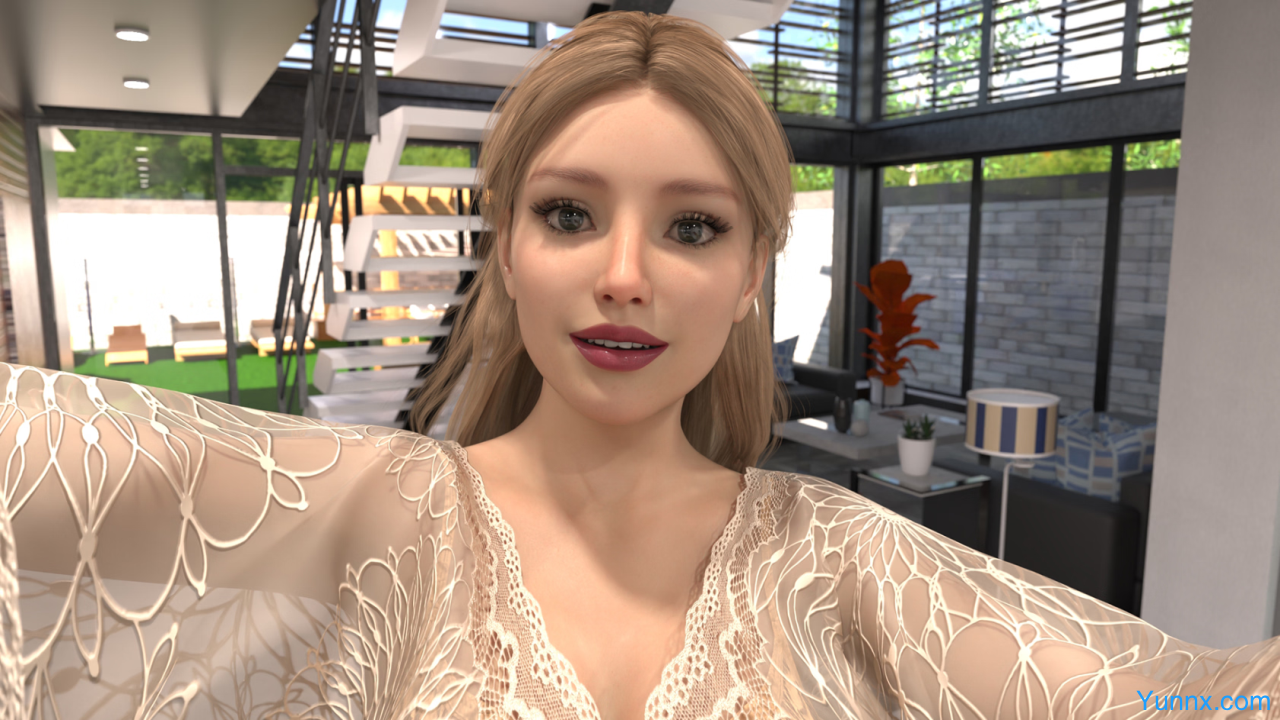
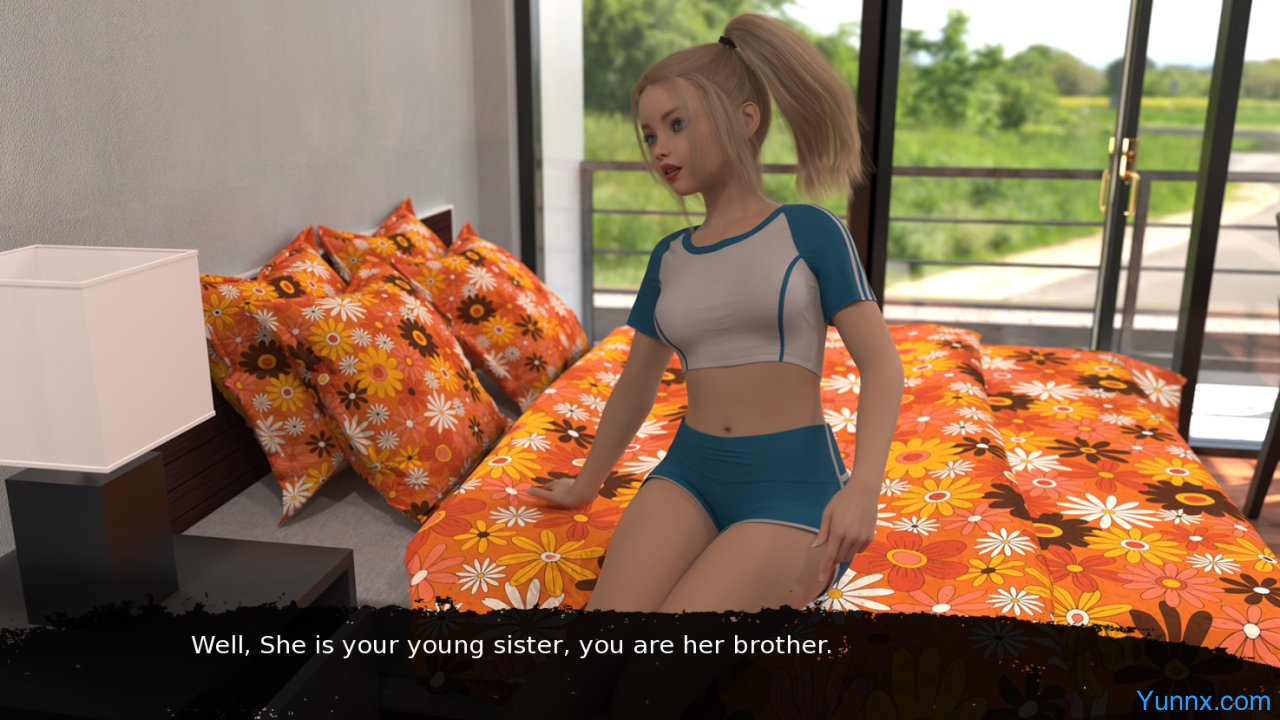
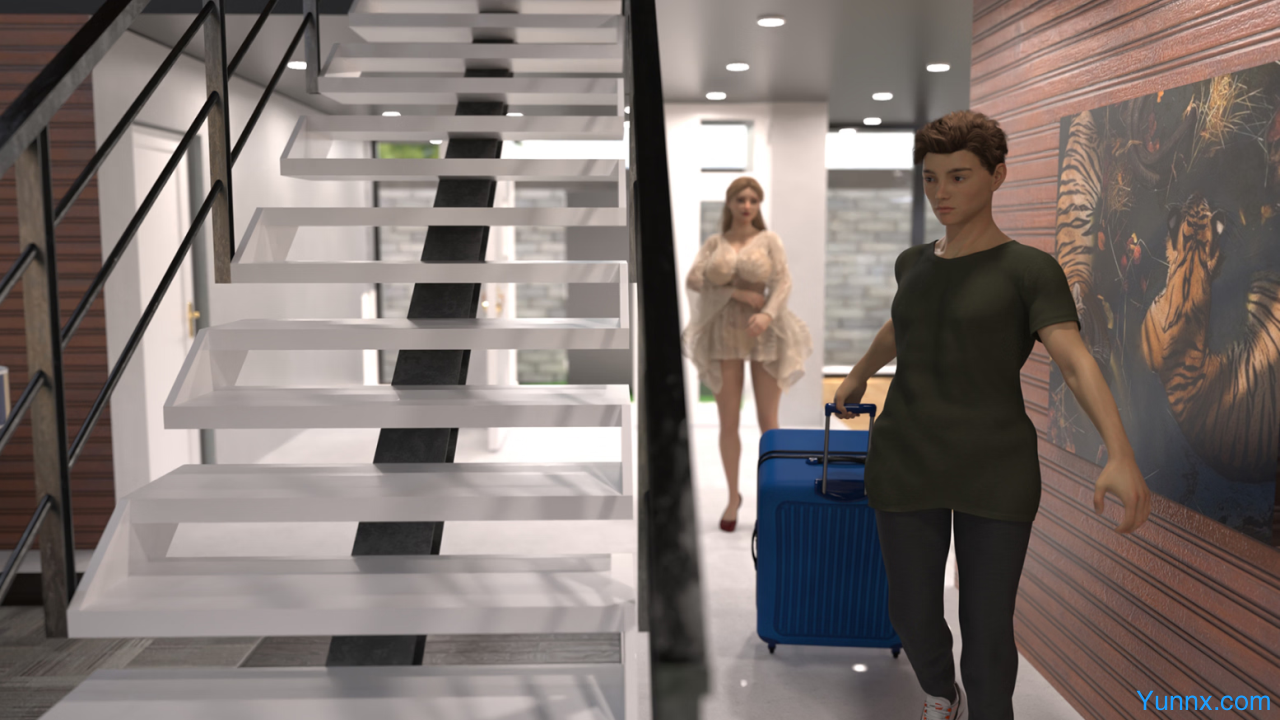
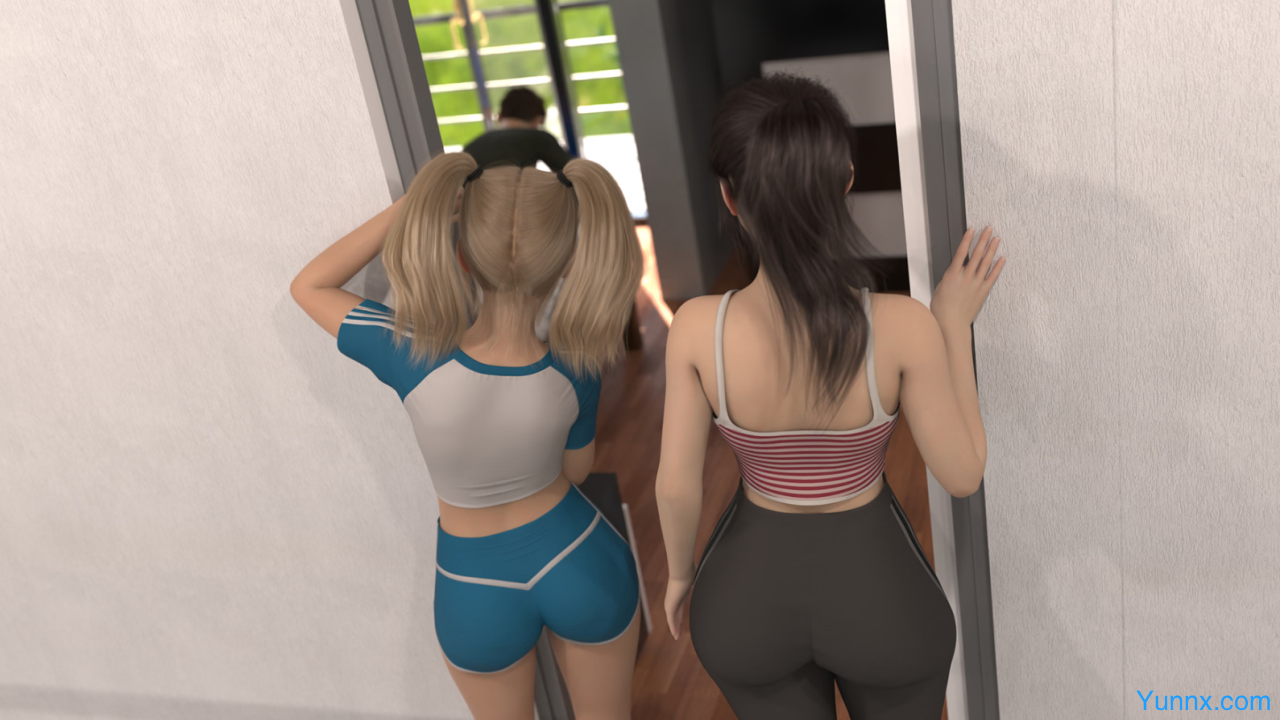
he Breeze in Night is a psychological horror visual novel that reimagines the themes of duality through a devastating homecoming. Returning to a fractured family, players confront buried secrets and moral decay in a fan-inspired narrative where every choice unravels the thin line between reality and nightmare. This fan remake explores the corrosive nature of memory and the terrifying price of coming back home.
Narrative and Themes
1. Homecoming as Horror: The protagonist's return to their childhood home triggers a cascade of repressed memories and unresolved conflicts. Each family member embodies a different facet of past trauma, from silent resentment to explosive confrontation.
2. Duality of Perception: Reality shifts between the idealized past and the grotesque present. Familiar rooms morph into oppressive labyrinths, and loving faces twist into masks of accusation, forcing players to question what is real.
3. Moral Ambiguity: There are no purely innocent characters. Every family member harbors dark secrets, and players must decide whether to expose truths for justice or bury them for fragile peace.
Gameplay Mechanics
1. Branching Dialogue System: Conversations with family members adapt based on tone and history. A gentle approach might uncover vulnerability, while aggression could trigger violent retaliation or permanent estrangement.
2. Environmental Investigation: Explore the deteriorating family home to find clues—hidden letters, damaged photographs, and cryptic messages—that piece together the full story behind the family's collapse.
3. Sanity Management: Witnessing traumatic events or making morally questionable decisions drains the protagonist's sanity. Low sanity distorts visuals, introduces phantom sounds, and unlocks alternative, darker narrative paths.
Unique Features
1. Dynamic Family AI: Each family member remembers every interaction and holds grudges. Forgotten insults resurface hours later, and kindness shown to one sibling might breed jealousy in another, creating unpredictable relationship webs.
2. Time Fracture Sequences: Certain triggers transport players to key moments from the past, allowing them to witness events that led to the family's dissolution. These sequences are interactive, and choices made in the past directly alter the present.
3. Community-Driven Content: As a fan remake, the game includes tools for players to create and share their own "duality" stories, expanding the narrative universe with custom family dramas and psychological horror scenarios.