
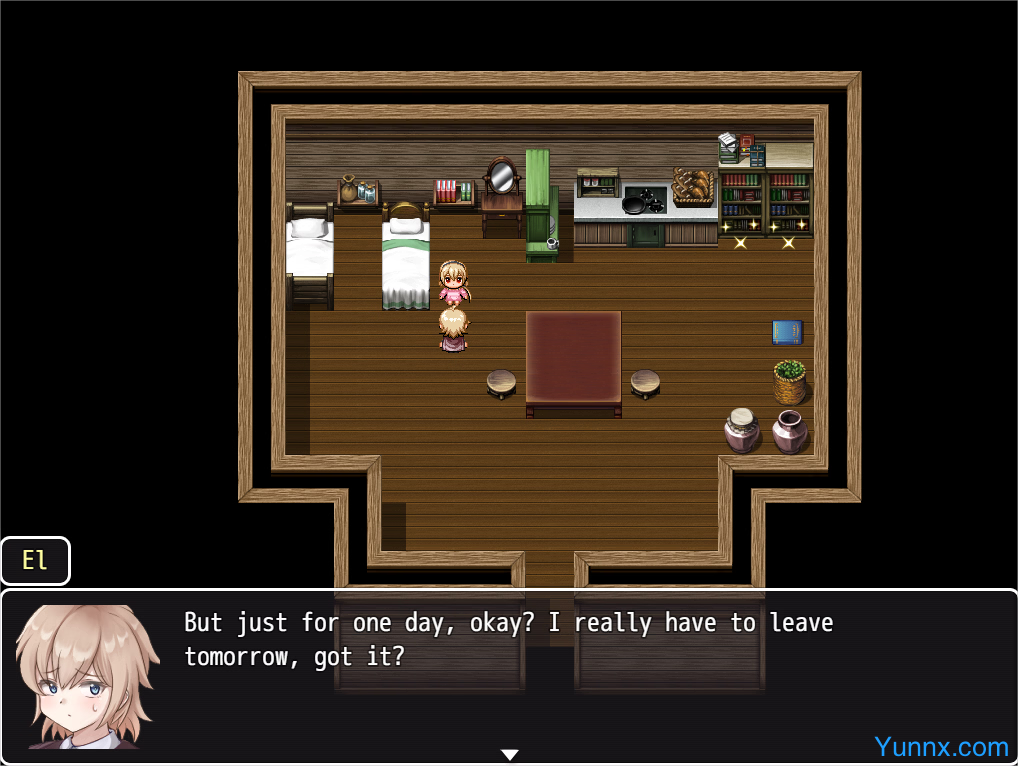


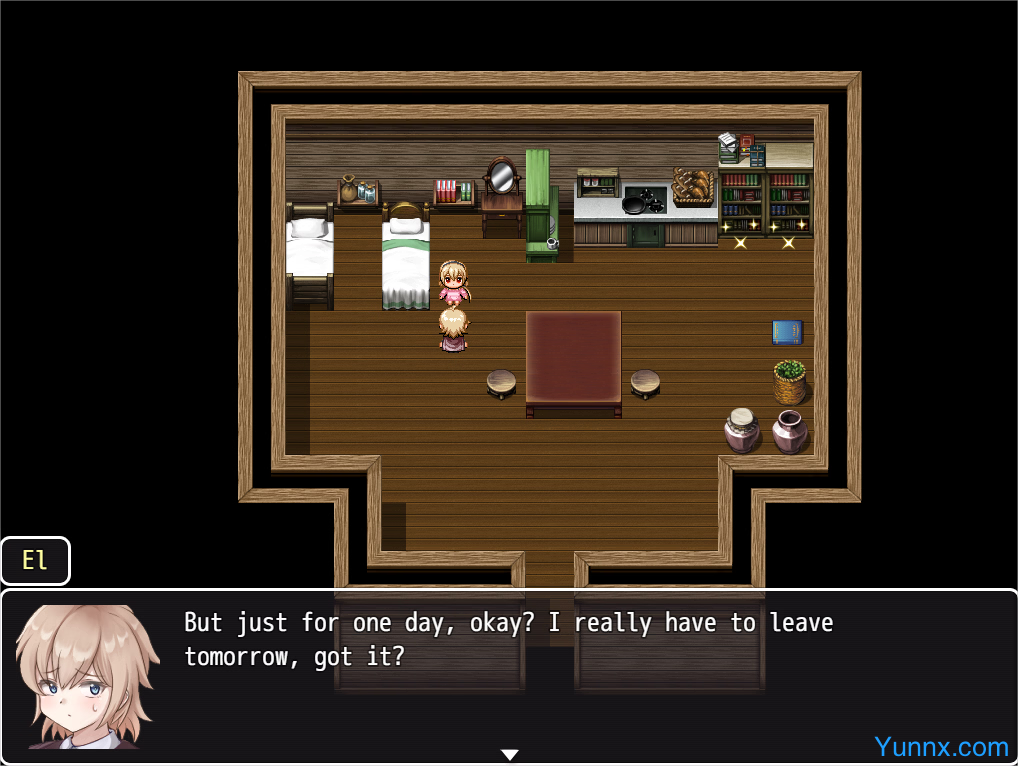
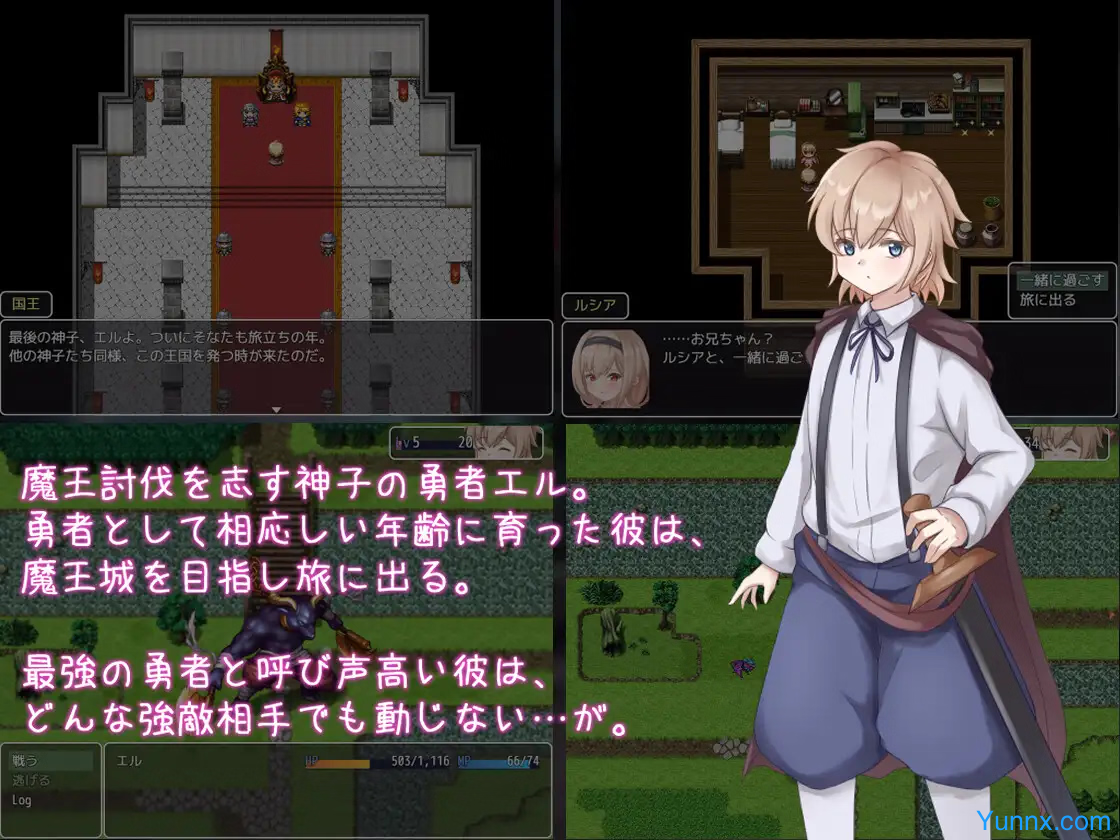
I Can't Proceed Unless I Defeat the Weaklings! is a darkly comedic action RPG where players confront a moral dilemma: crush helpless foes or embrace mercy in a world where strength defines destiny. As El, the kingdom’s chosen Divine Hero, you must navigate a twisted quest to defeat the Demon King, but your path is blocked by a band of inept enchantresses who defy expectations at every turn.
Core Narrative & Moral Complexity
1. Ethical Dilemma Design
Players face branching choices that redefine the story. Sparing the enchantresses unlocks alliances and hidden quests, while mercilessness accelerates power gains but triggers societal backlash. A "Karma Meter" tracks moral alignment, altering NPC reactions and ending scenarios—from becoming a celebrated savior to a reviled tyrant.
2. Dynamic Character Arcs
The enchantresses evolve based on player decisions. A timid mage might become a vengeful sorceress if betrayed, while a clumsy healer could evolve into a strategic mastermind. Subplots reveal their backstories, blending dark humor with poignant character growth.
3. Meta-Humor & Self-Awareness
The game pokes fun at RPG tropes—El’s over-the-top confidence clashes with his awkward attempts to justify his actions. Post-battle dialogues mock generic hero tropes, while side quests involve ridiculous tasks like "defeating" sentient furniture.
Combat & Strategy Mechanics
1. Adaptive Difficulty System
Enemies adjust their tactics based on El’s combat style. Overusing brute force makes foes evade more aggressively, while stealthy approaches trigger ambushes. A "Predictive AI" analyzes player habits, forcing tactical shifts to avoid repetition.
2. Resource Management & Status Effects
Limited mana and stamina require strategic use of abilities. Status effects like Charm Overload grant temporary buffs but risk corruption. Players must balance aggression with conservation, opting for environmental traps or diplomacy when resources dwindle.
3. Multiplayer Narrative Layers
Choices impact multiplayer interactions. Betraying an ally in co-op might grant short-term rewards but lock you out of late-game alliances. A "Reputation System" syncs with online leaderboards, reflecting your moral legacy across sessions.
Artistic Vision & Technical Innovations
1. Dual Art Styles
Daylight scenes use a soft, hand-painted aesthetic to emphasize El’s naive persona, transitioning into gritty, distorted visuals during moral crises. Enchantresses are designed with exaggerated features to highlight their comedic yet tragic roles.
2. Sound Design Psychology
A whimsical orchestral score juxtaposes cheerful tunes with unsettling ambient noises. Voice acting balances dark humor and raw emotion (enchantresses’ desperate pleas).
3. VR Compatibility
Optional VR mode immerses players in El’s perspective, with haptic feedback simulating the dread of moral decisions. A "Spectator Mode" allows viewers to vote on in-game choices via haptic controllers, adding a meta-commentary on agency.