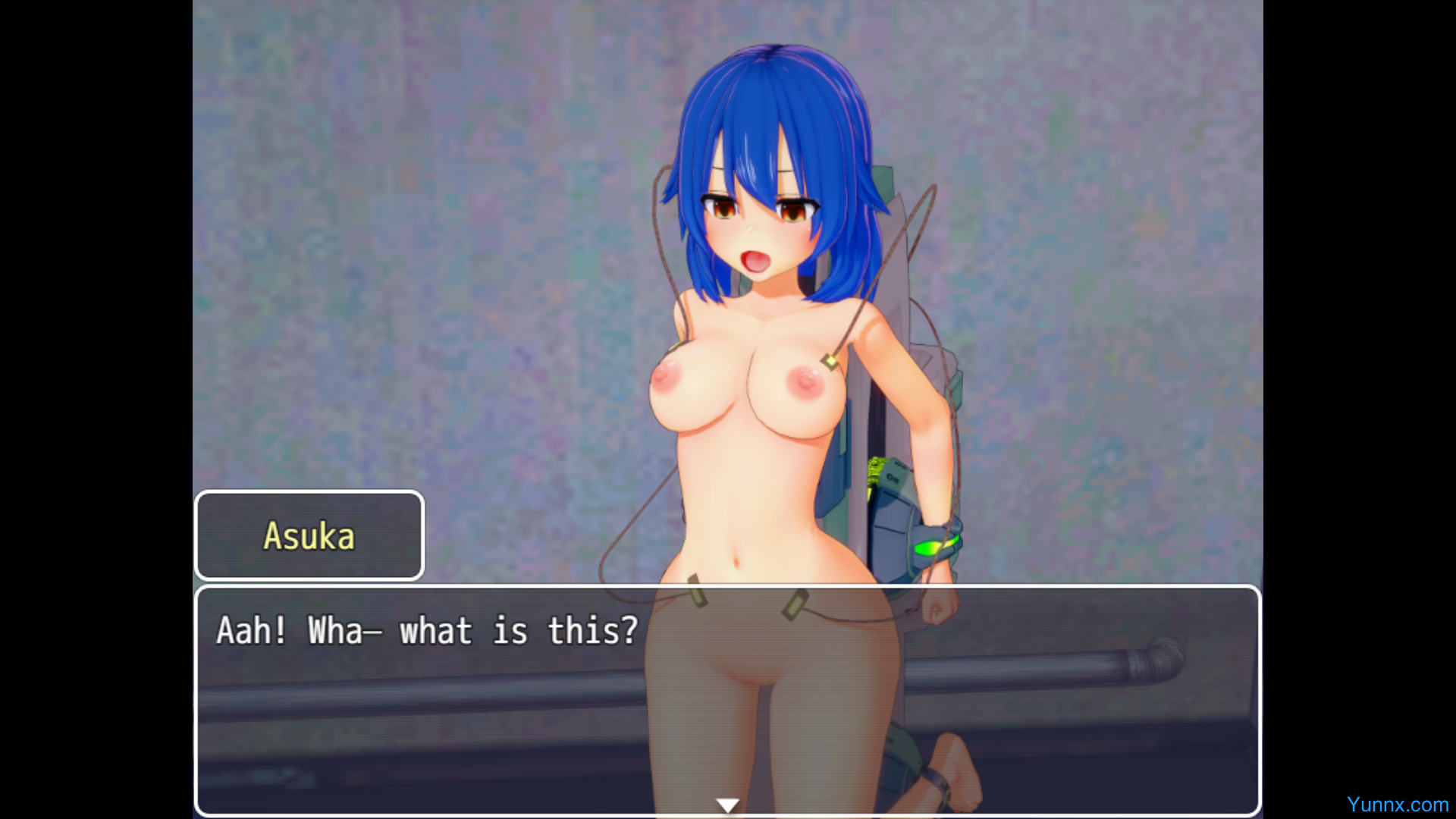
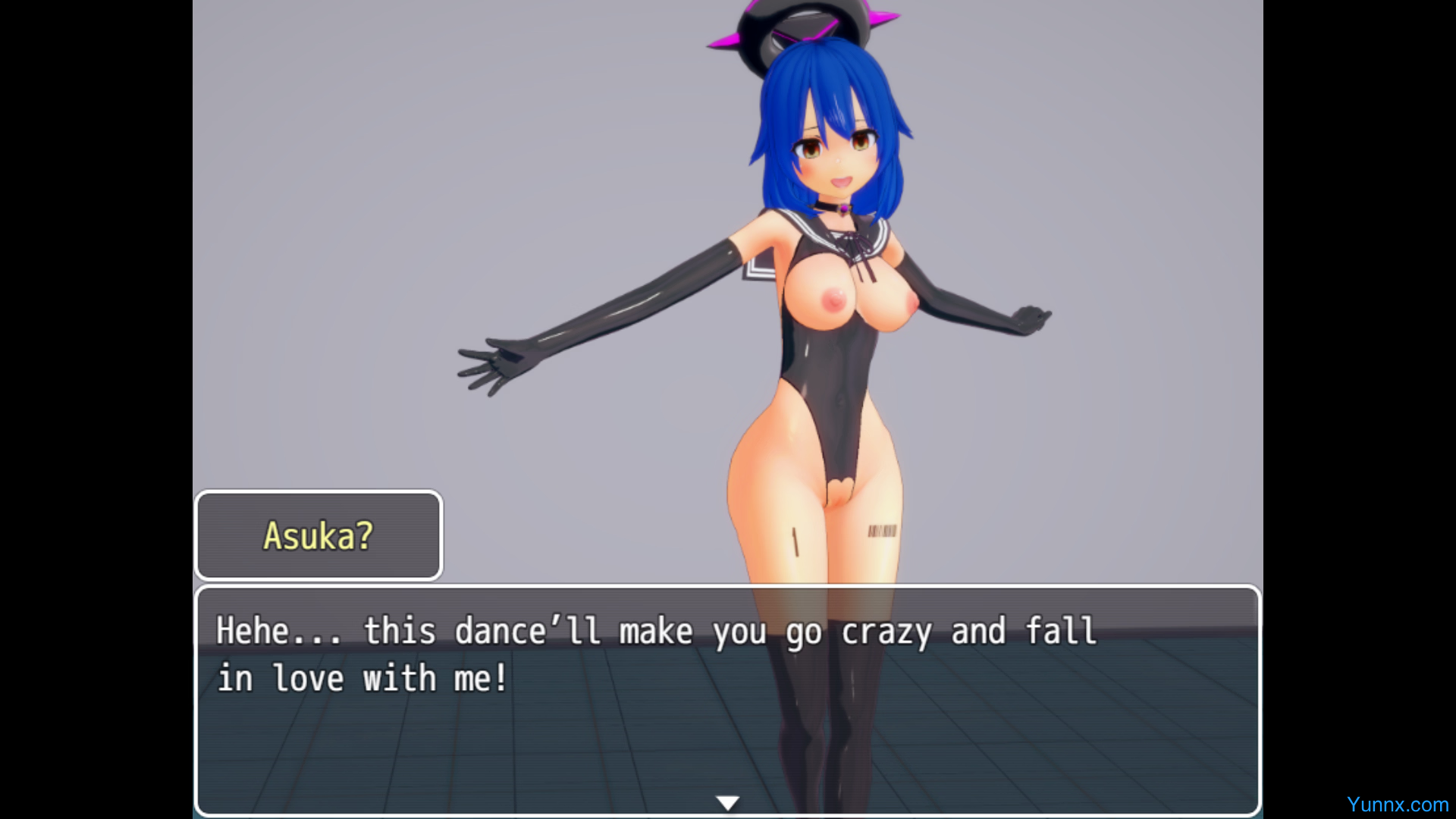
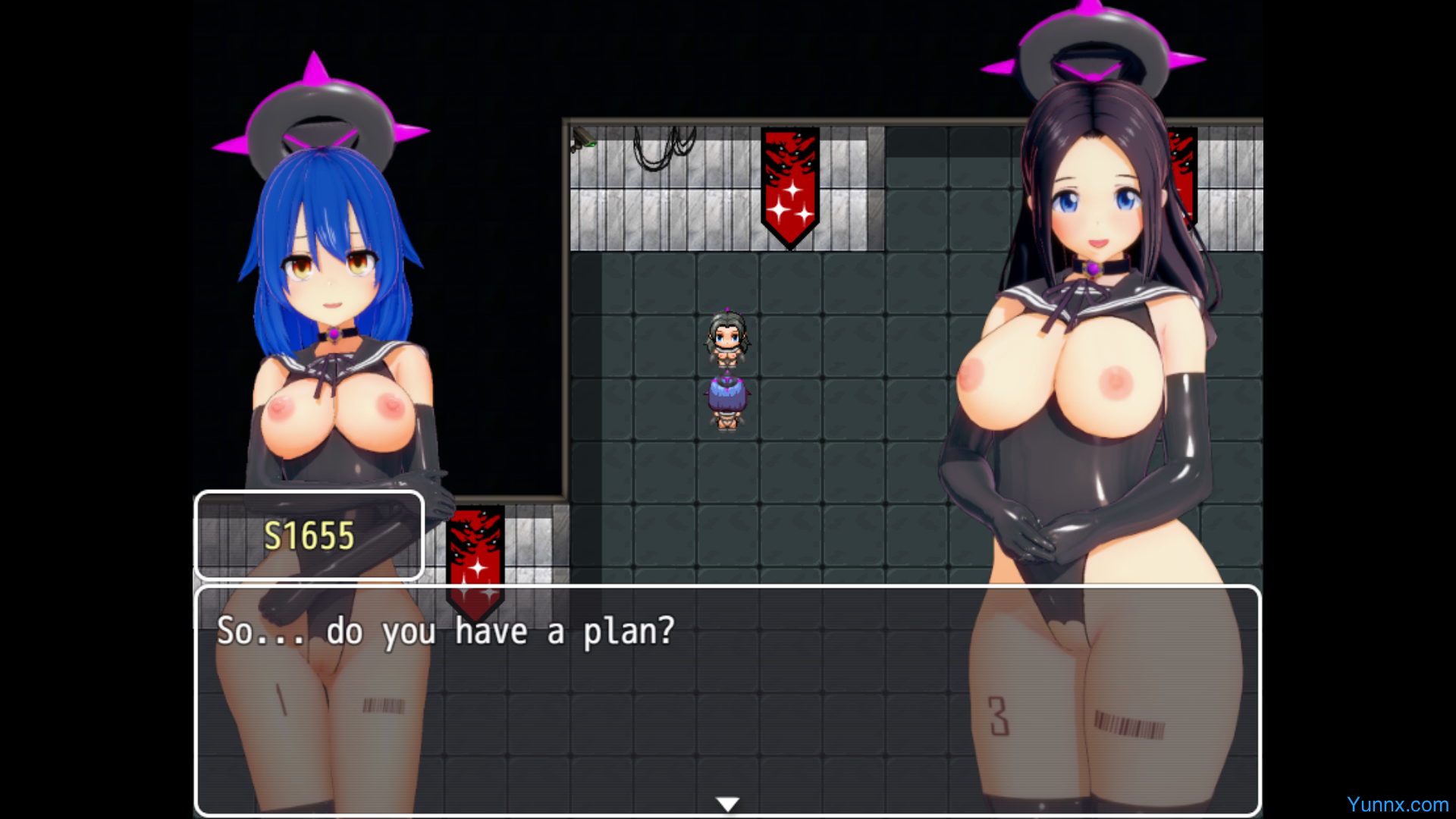
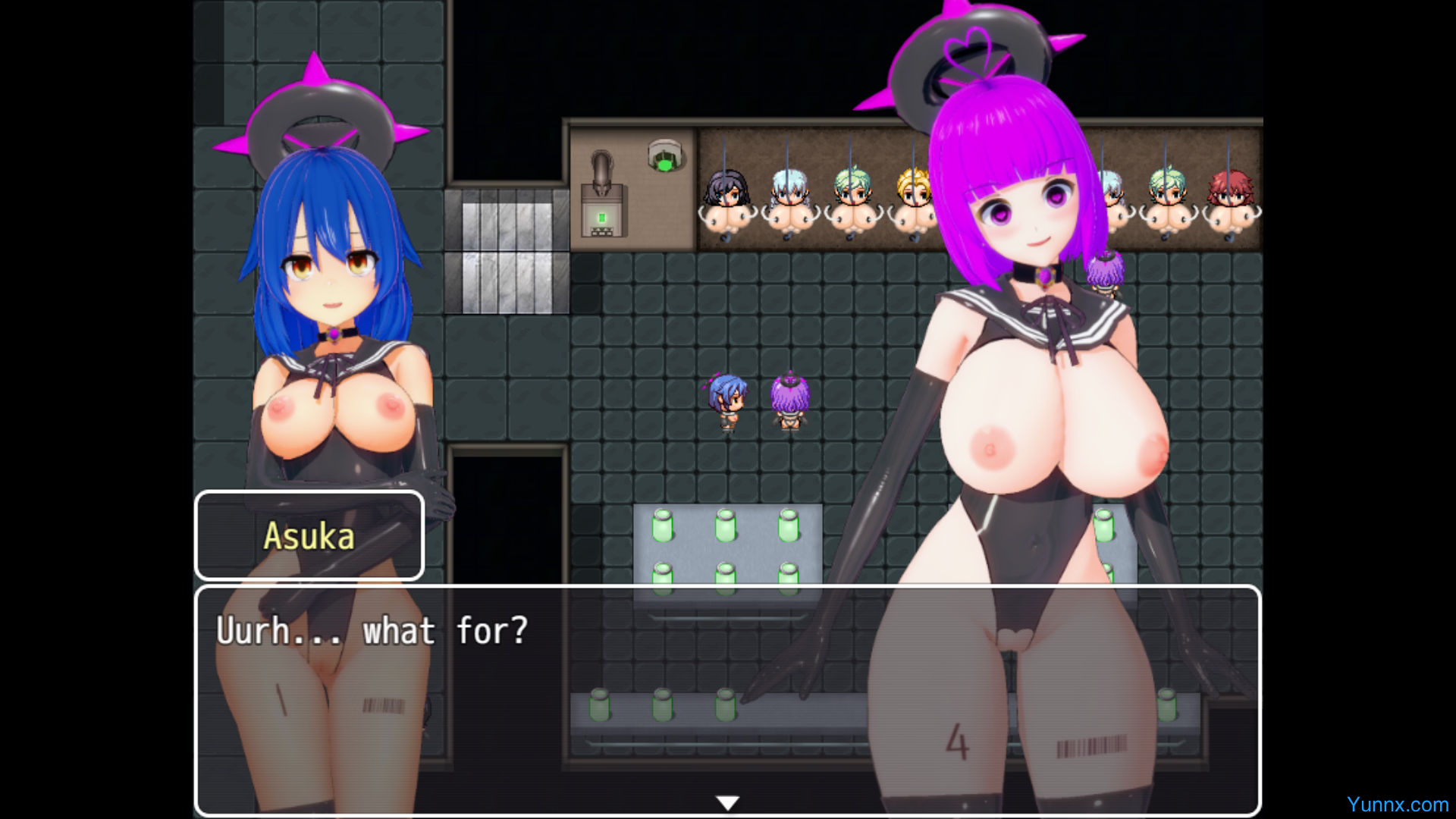
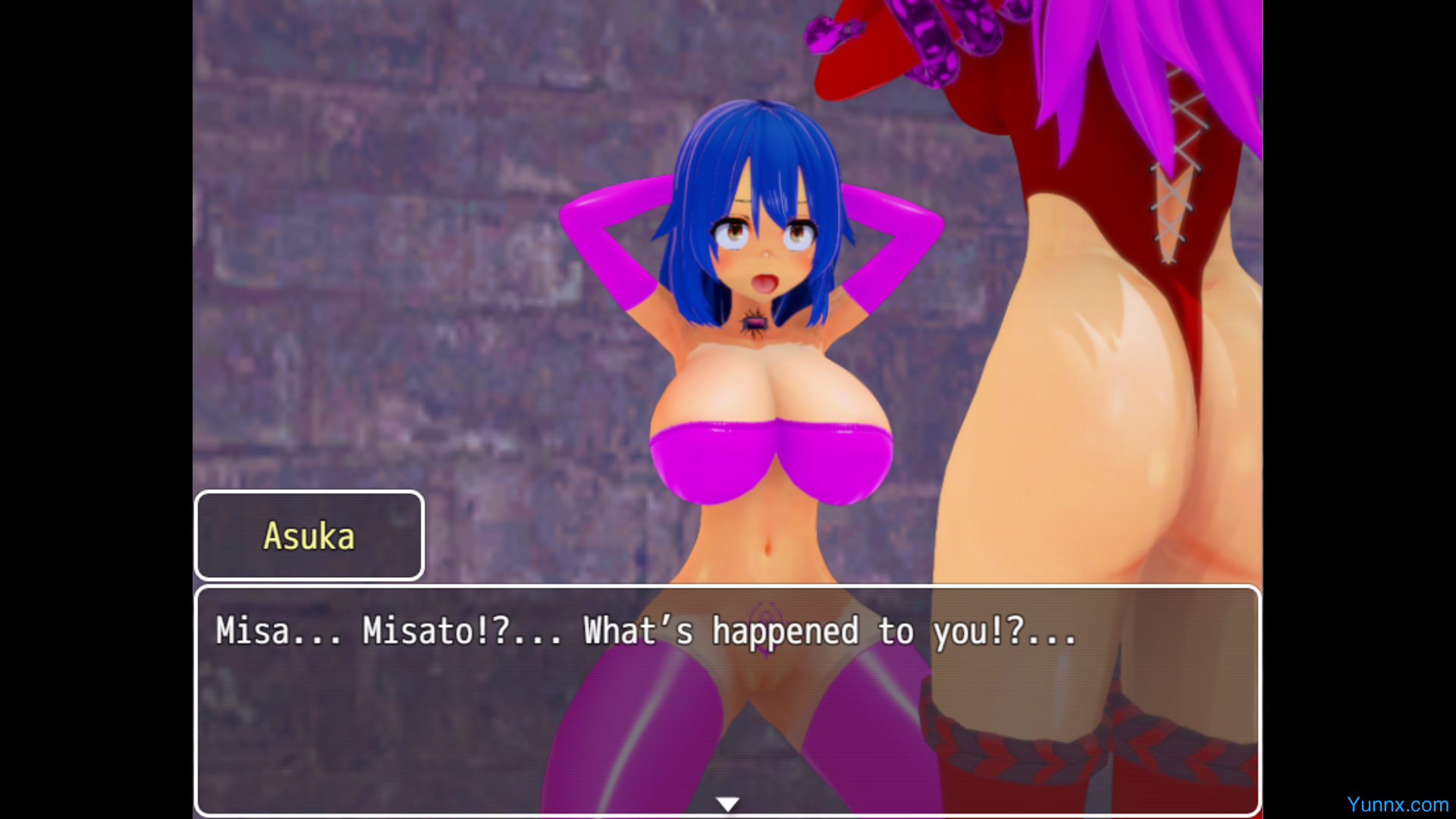
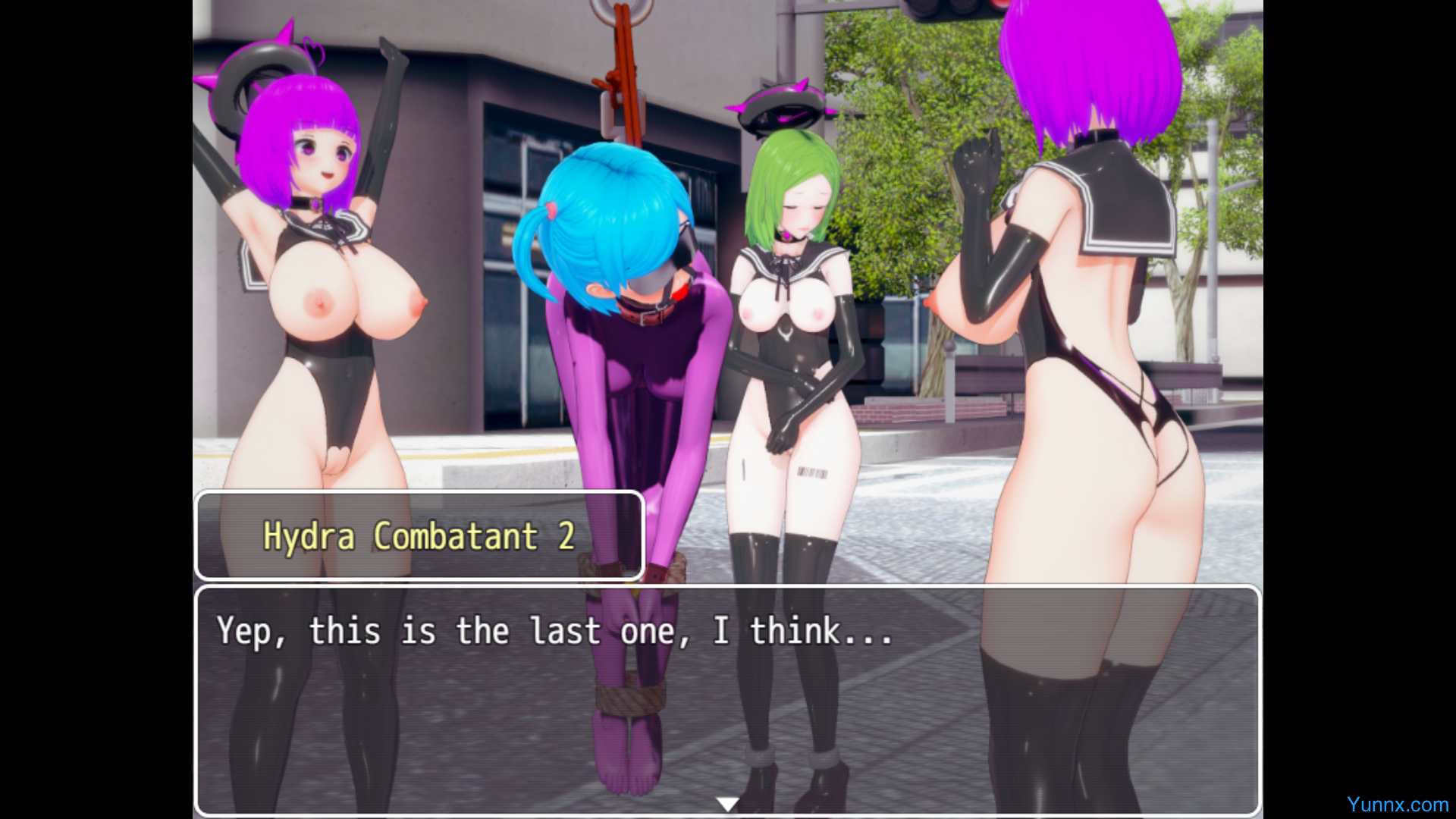
Great Exorcist Asuka is a dark fantasy RPG blending psychological horror and mature themes. Players control Asuka, a reluctant exorcist navigating a twisted realm where demonic possession warps reality. With her sister’s life at stake, Asuka must confront grotesque enemies, moral dilemmas, and her own suppressed fears in a battle where survival demands both physical and emotional sacrifice.
Narrative Depth & Emotional Layers
1. Dual Identity Struggles
Asuka’s journey is marked by her transformation from a timid apprentice to a hardened warrior. Flashbacks reveal her childhood trauma of witnessing her sister’s possession, blurring lines between duty and familial love. Players uncover fragmented memories through environmental storytelling, such as cryptic diary entries and hallucinations of a shadowy figure guiding her.
2. Dynamic Moral Choices
Every decision ripples through the narrative. Sparing a possessed NPC might grant critical intel but trigger revenge plots, while mercilessness accelerates power gains at the cost of sanity. A "Corruption Meter" tracks Asuka’s mental state, unlocking either empowering abilities or catastrophic breakdowns.
3. Multi-Branch Endings
Choices culminate in 12 distinct endings, ranging from sacrificial redemption to twisted apotheosis. Players can forge alliances with rival exorcists, betray allies for power, or embrace their demonic heritage, each path altering the game’s final act and epilogue.
Gameplay Mechanics & Innovation
1. Possession Combat System
Engage in turn-based battles against enemies that morph mid-fight. Use "Exorcism Chains" to chain attacks while managing a stamina bar—overexertion risks temporary possession by the enemy. Defeating bosses unlocks unique body-modification abilities, like elongating limbs for range attacks or hardening skin as armor.
2. Environmental Puzzle Integration
Navigate shifting labyrinths where gravity shifts, walls bleed, and rooms rearrange based on Asuka’s emotional state. Solve puzzles by manipulating light/shadow to reveal hidden sigils or using "Lust Energy" (earned through risqué minigames) to corrupt machinery.
3. VR-Compatible Horror
Optional VR mode immerses players in Asuka’s perspective, with haptic feedback simulating the claustrophobia of tight spaces and the dread of unseen threats. A "Peeping Tom" perspective lets viewers manipulate surveillance drones, adding a meta-commentary on voyeurism.
Artistic Vision & Technical Distinctions
1. Dual Art Styles
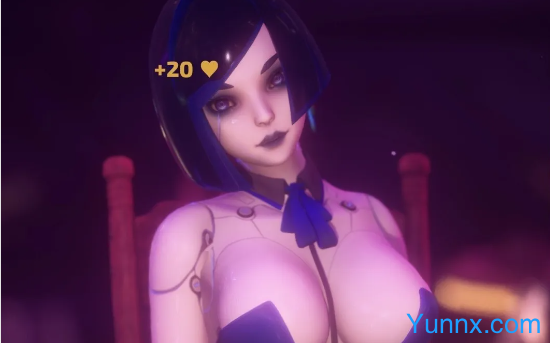
Daylight scenes adopt a muted, ink-wash aesthetic to emphasize decay, transitioning into hyper-saturated, cel-shaded horror during possession sequences. Character designs blend traditional Japanese yokai motifs with grotesque cyberpunk elements, reflecting the game’s fusion of old and new.
2. Sound Design Psychology
A minimalist orchestral score juxtaposes serene koto melodies with discordant electronic distortions during combat. Voice acting balances raw emotion (Asuka’s panicked screams) and unsettling calmness (the antagonist’s taunts), enhancing immersion in the game’s fractured psyche.
3. Procedural Story Elements
Random events—like sudden cult raids or NPC personality shifts—ensure no two playthroughs align. Choices in early chapters trigger late-game consequences, such as a betrayed ally becoming a boss or a rescued victim revealing a hidden agenda.