
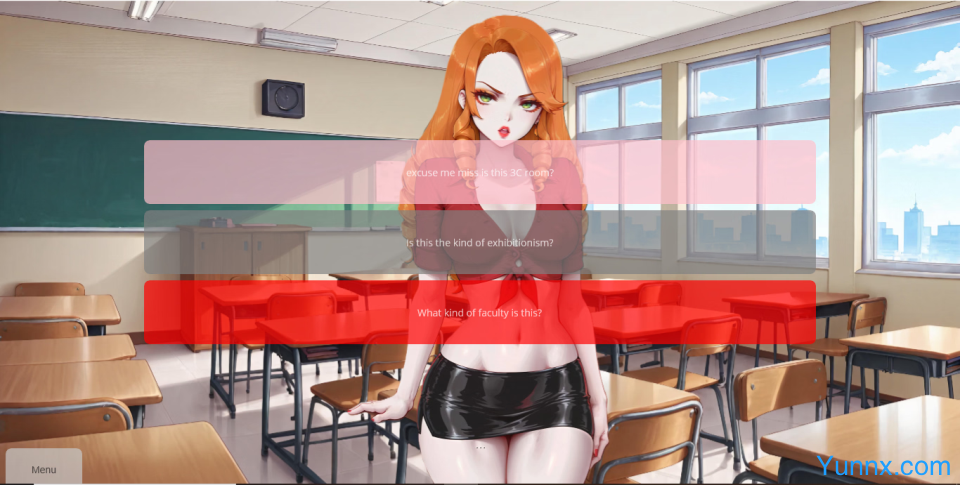

Lambda Lucy follows a nameless protagonist returning to a sprawling, amnesiac metropolis where forgotten pasts collide with neon-drenched decadence. Amid a sea of privileged youth grappling with surreal psychological struggles, you must unravel your fractured history while navigating a labyrinth of secrets and societal decay.
Game Strategy Guide
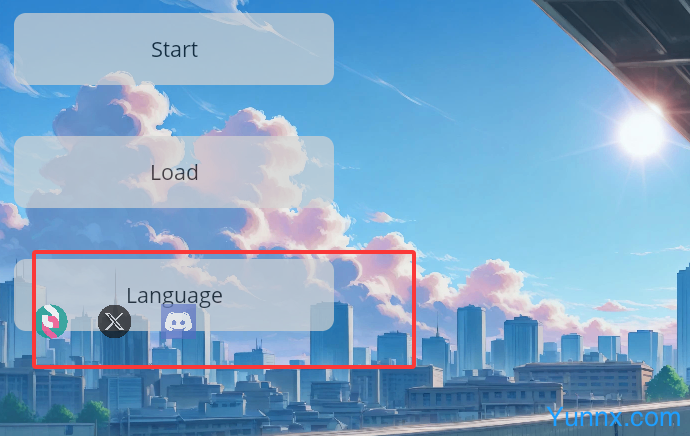
Select language

Enter the game ID

Start the game

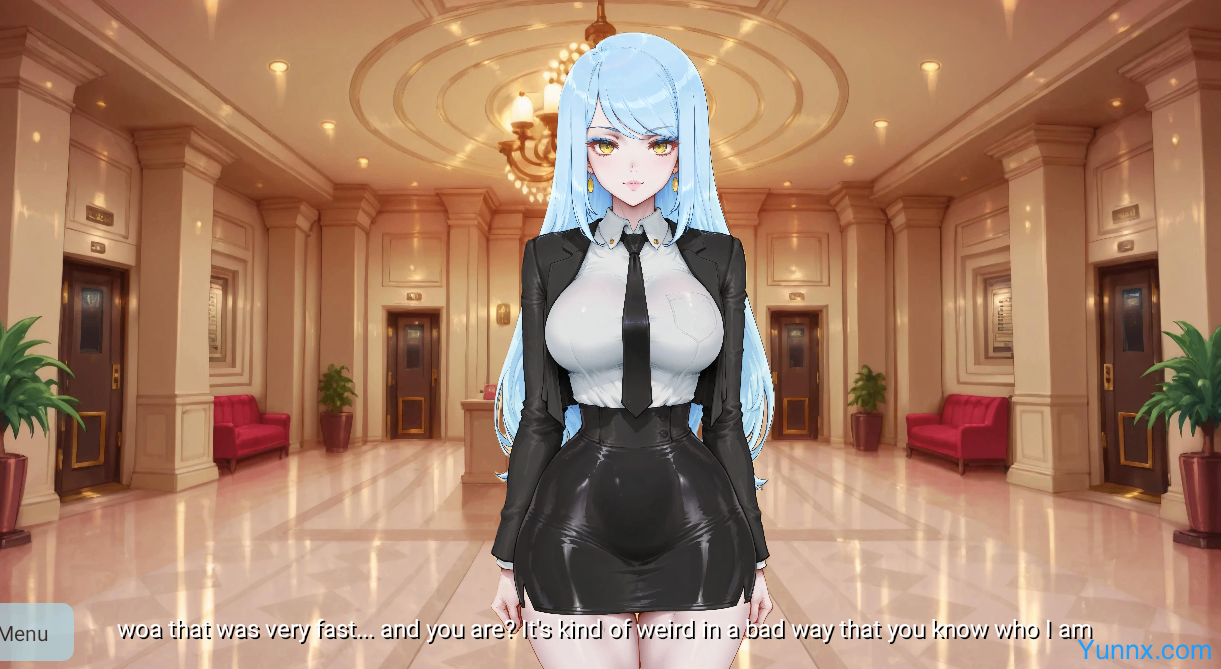
City of Shadows & Hidden Selves
1. The Metropolis: The game’s setting is a hyper-stylized, retro-futuristic urban sprawl—part cyberpunk dystopia and part aristocratic purgatory. Its districts mirror the protagonist’s fragmented psyche, blending opulent skyscrapers with derelict zones echoing with whispers of conspiracy.
2. The Wealthy Enigmas: The city thrives on its eccentric elite: young heiresses each burdened by bizarre neuroses (e.g., a compulsive collector of strangers’ memories or a girl who hallucinates time loops). These characters are neither allies nor enemies but puzzles demanding empathy and manipulation.
3. Erased Origins: Your character’s lack of a “notable past” is both a curse and a tool—amnesia forces introspection, while their anonymity lets you blend into crowds, eavesdrop on secrets, or assume fleeting identities to progress.
Mechanics Driving Mystery
1. Urban Exploration: Every alleyway, club, and elite penthouse becomes a clue vault. Interactive environments hide diaries, encrypted devices, and hidden messages linking to your forgotten past.
2. Social Engineering: Conversations with the enigmatic heiresses are turn-based “mind games,” requiring clever dialogue choices to coax them into revealing vulnerabilities or trading fragments of truth for favors.
3. Resource Scarcity: Survival hinges on balancing exploration with basic needs—scavenge food/drugs to stay functional, barter favors with street vendors, or exploit the elite’s whims for cash. Poverty and privilege clash in this high-stakes dance.
Themes & Psychological Depth
1. Identity & Belonging: The city mirrors society’s obsession with reinvention. Can you embrace your erased past to rebuild yourself, or will you become another hollow figure clinging to wealth?
2. Societal Decay: The elite’s “strange complexes” symbolize a rotting system—corruption, emotional voids, and generational trauma. Unmasking these layers reveals the city’s collapse is both literal and metaphorical.
3. Moral Ambiguity: Choices are rarely black-and-white. Saving a heiress from self-destruction might seal your doom, while betrayal could unlock critical clues—or condemn you to her fate.
Art & Atmosphere
1. Visual Contrast: The game’s aesthetic juxtaposes sleek, sterile futurism with grungy, decaying textures, reflecting the duality of opulence and despair.
2. Soundtrack: A haunting fusion of ambient synths and distorted classical melodies underscores the tension between beauty and madness.
3. Player Impact: Every decision subtly alters the environment’s tone—your choices shift color palettes, NPC behaviors, and even the city’s “mood,” creating a uniquely personal narrative canvas.