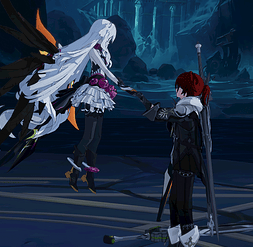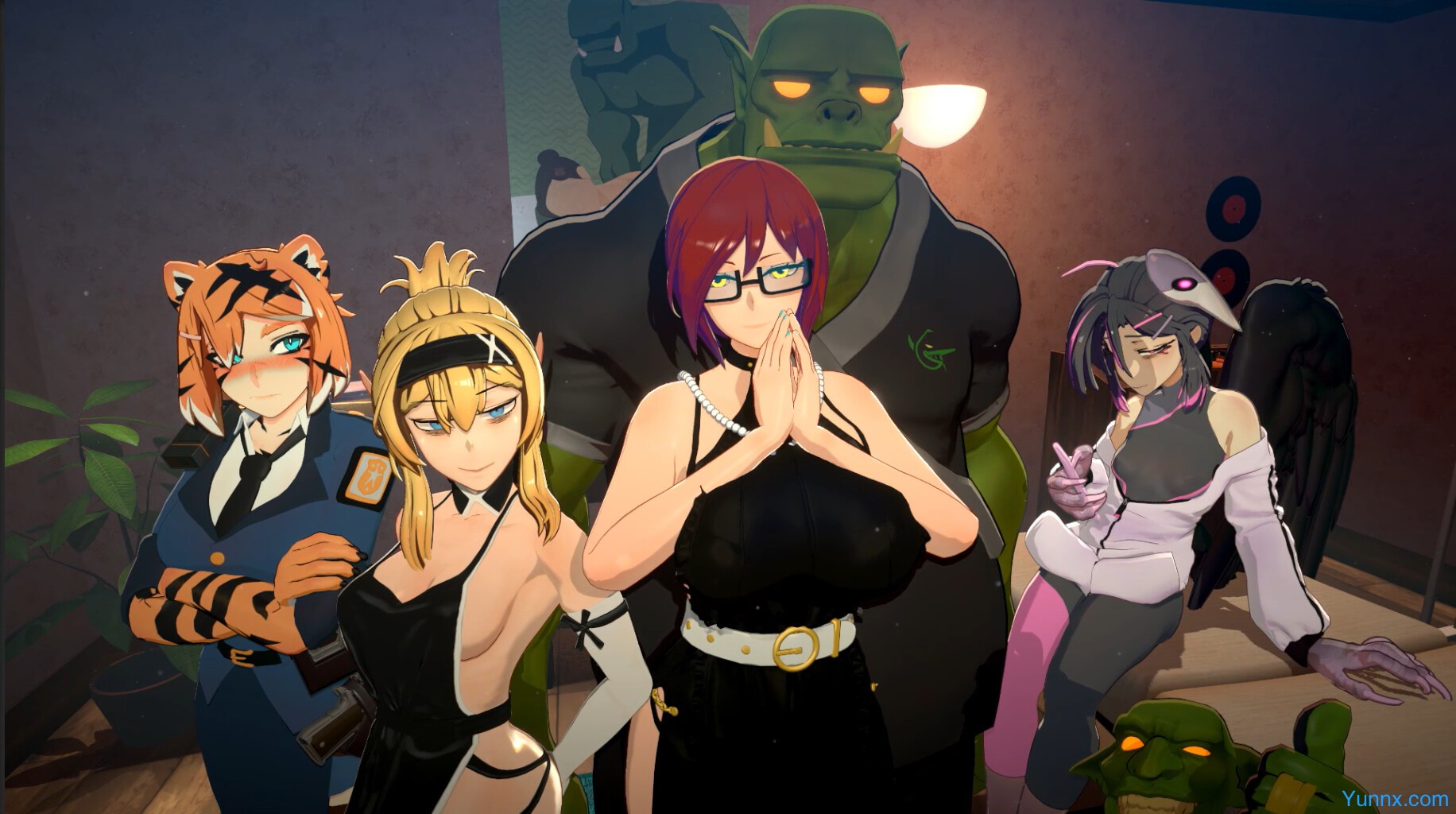
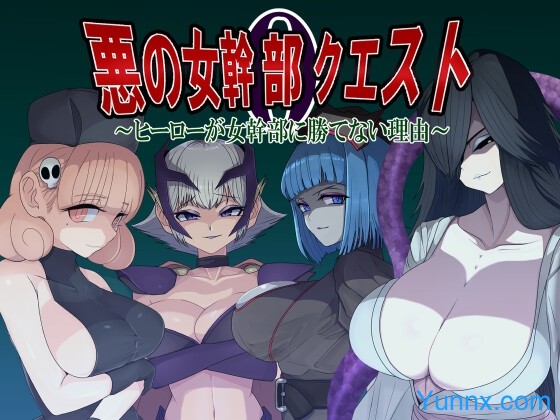


When the villainous Carnage Corps uses their female commanders’ alluring tactics to decimate the mighty Wide Ranger hero squad, one golden warrior remains: Wide Gold. Now, this legendary fighter embarks on a perilous investigation into his teammates’ fate—all while confronting the Carnage Corps’ seductive traps. A sequel to the series’ comic and game installments, this hero fantasy RPG blends psychological intrigue with high-stakes choices, where your decisions will determine if virtue or temptation prevails.
A World of Shadows and Seduction: The Carnage Corps’ Deadly Strategy
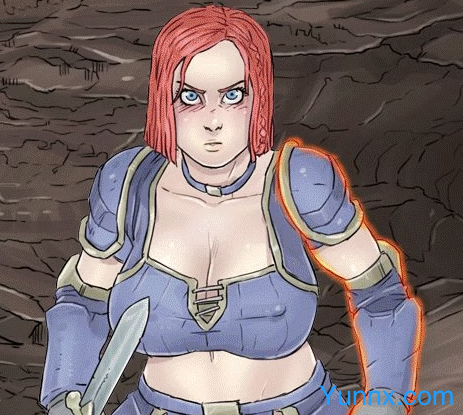
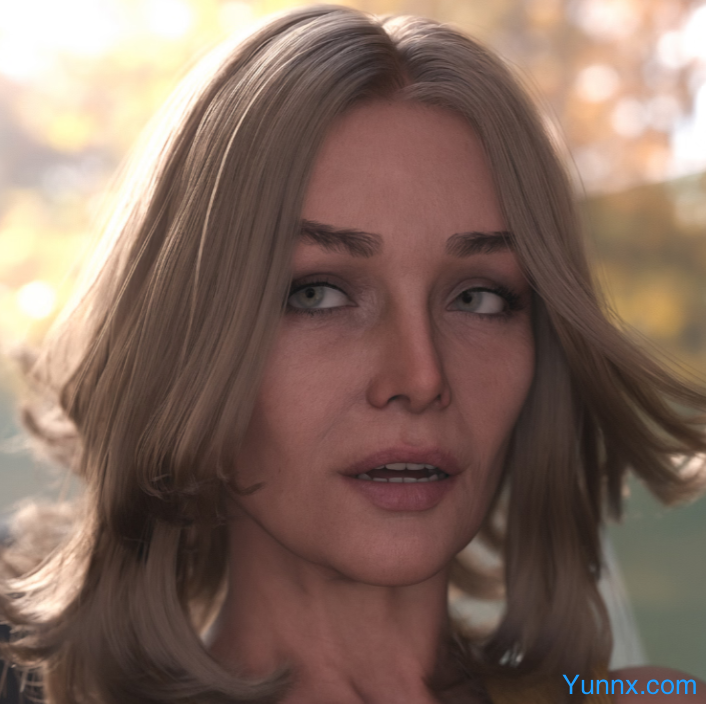
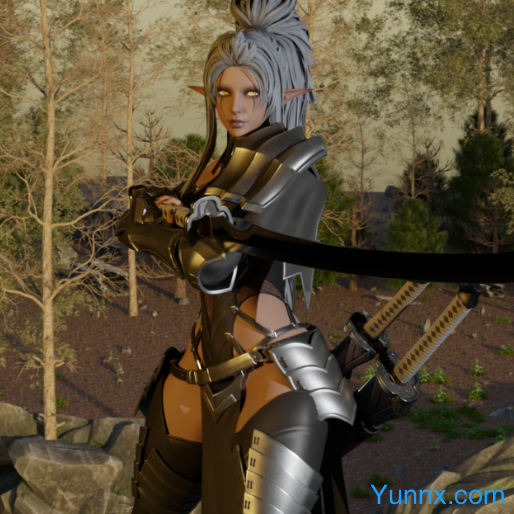
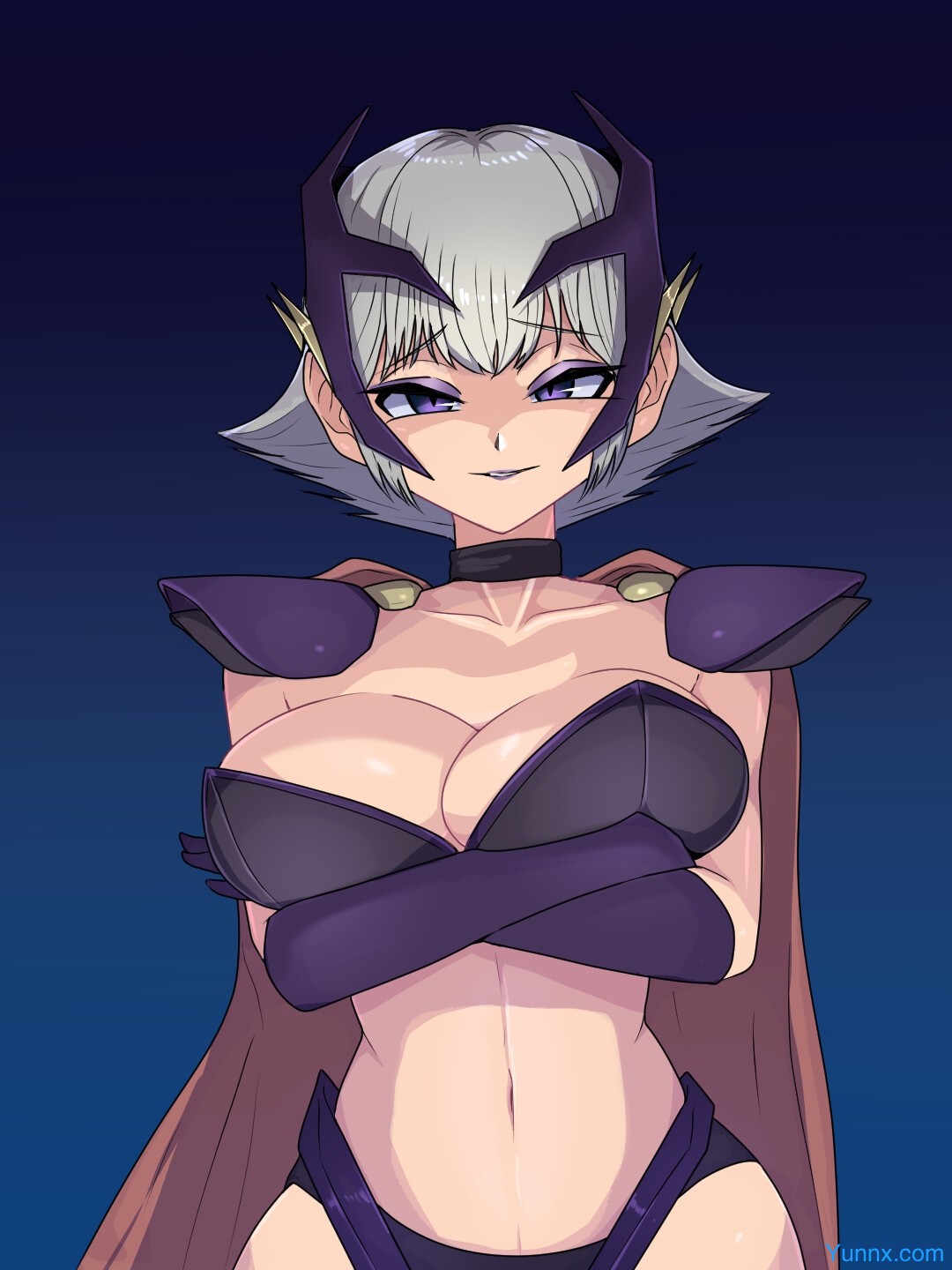
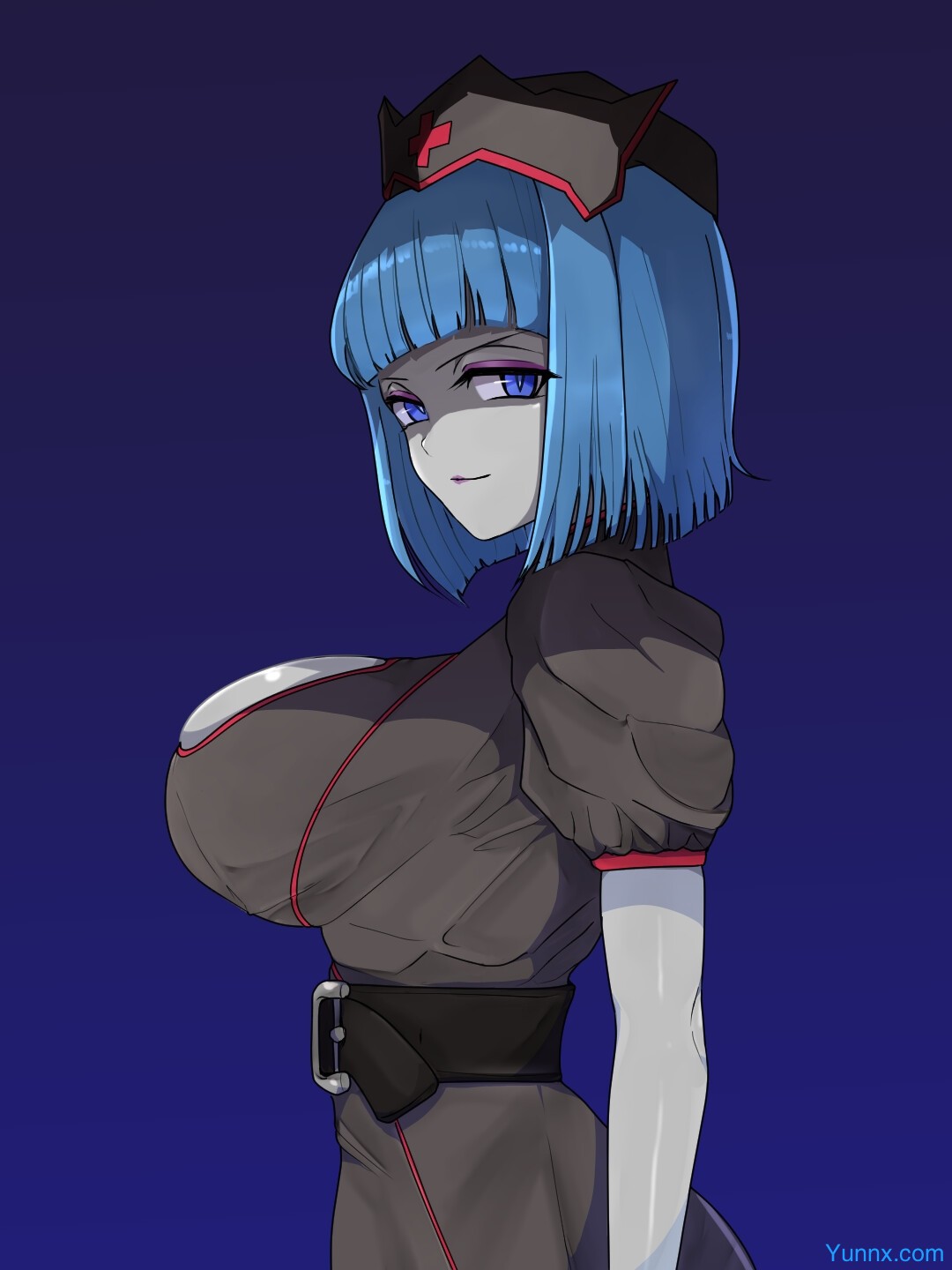
The Carnage Corps has rewritten the rules of hero-villain conflict. Instead of brute force, their female commanders—each with a distinct persona, from the cool-headed strategist to the fiery provocateur—deploy “charisma warfare”: tailored flattery, emotional manipulation, and strategically timed reveals of vulnerability. These tactics aren’t just for show; they’re designed to exploit heroes’ trust, turning allies into liabilities and heroes into prisoners of desire.
The game’s setting pulses with tension. Carnage Corps bases hide in plain sight—luxury mansions, bustling cafes, even a “wellness retreat”—blurring the line between enemy territory and everyday life. Environmental clues, like a half-finished coffee cup or a cryptic note scrawled on a mirror, hint at the commanders’ dual lives, rewarding players who explore every corner.
Worst of all? The Corps knows Wide Gold’s strength. They’ve studied his past victories, his sense of duty, and his lone-wolf tendencies. Their traps are personal: a “rescue mission” that turns into a hostage scenario, a “confession” from a captured Ranger that challenges Gold’s black-and-white view of justice. This isn’t just a fight for survival—it’s a battle for his very identity.
Characters That Spark Conflict: Heroes, Villains, and Everything in Between
Wide Gold isn’t fighting faceless foes. The Carnage Corps’ female commanders are fully realized characters, each with motivations beyond “evil.” There’s Seraphina, the former scientist who turned to the Corps after her research was stolen, using her charm to uncover corporate conspiracies. Or Vespera, a former child star who leverages her fame to distract heroes, masking a deep loneliness that makes her both dangerous and pitiable. Even minor lieutenants have backstories—like a recruit who joined after her family was “saved” by the Corps’ false charity.
Gold himself is far from a perfect hero. Haunted by the loss of his teammates, he wrestles with doubt: Is his unwavering sense of justice blinding him to the truth? His internal struggle plays out through dialogue choices—will he dismiss a commander’s plea for mercy, or pause to listen? These moments don’t just affect the story; they deepen Gold’s character, making his eventual triumph (or downfall) feel earned.
And let’s not forget the unsung heroes: the surviving Rangers. Though defeated, their scattered clues—hidden in a burned-out base, a prisoner’s cryptic message, or a child’s drawing left at the scene—guide Gold’s investigation. Reconnecting with their legacy isn’t just about justice; it’s about honoring the bonds he swore to protect.
A Series That Rewards New and Loyal Fans Alike
While Aku no Onna Kanbu Quest Zero builds on the comics and prior game, it’s designed to stand alone. New players get a tight, 10-hour campaign with clear context—no prior knowledge needed. But series veterans? They’ll spot subtle callbacks: a commander’s backstory ties to the comic’s prequel arc, a location from the game reappears with new secrets, and Gold’s internal monologues reference past battles. It’s a love letter to long-time fans and a gateway for newcomers.
The game’s art style blends retro anime aesthetics with modern polish. Female commanders shine in detailed sprites—Seraphina’s lab coat has frayed edges hinting at her past, Vespera’s costume glimmers with stage lights—but the real star is the animation. Every interaction, from a tense negotiation to a moment of vulnerability, is brought to life with fluid, expressive movements that make the seduction mechanics feel visceral.
Plus, the soundtrack deserves special mention. Tracks shift from ominous orchestral swells during investigations to sultry jazz in the Corps’ hideouts, mirroring the game’s tone. A hidden “character theme” playlist, unlocked by completing side quests, lets players dive deeper into the commanders’ psyches.
Your Choices Shape the Outcome: Will Virtue or Temptation Win?
At its core, this game is about decision-making. Every conversation, every clue pursued, every moment of compassion or suspicion alters the path. Will Gold see through the commanders’ schemes and dismantle the Corps? Or will he fall for their traps, drawn into a web of desire that compromises his mission?
Endings vary wildly. In one, Gold exposes the Corps’ leader and rescues his teammates, reaffirming his faith in justice. In another, he joins the Corps, believing their methods are a necessary evil to protect the world. A third path finds him forging an uneasy alliance, using the Corps’ resources to take down a greater threat—leaving the door open for sequels.
Even small choices matter. Do you return a commander’s lost locket (earning her gratitude) or pocket it (deepening her distrust)? Do you rush to rescue a Ranger or take time to gather intel (risking their life but gaining critical evidence)? These decisions don’t just change the story—they change Gold. By the end, you won’t just have played a hero… you’ll have shaped one.