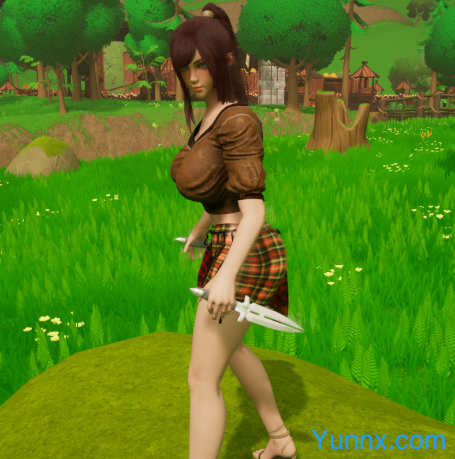

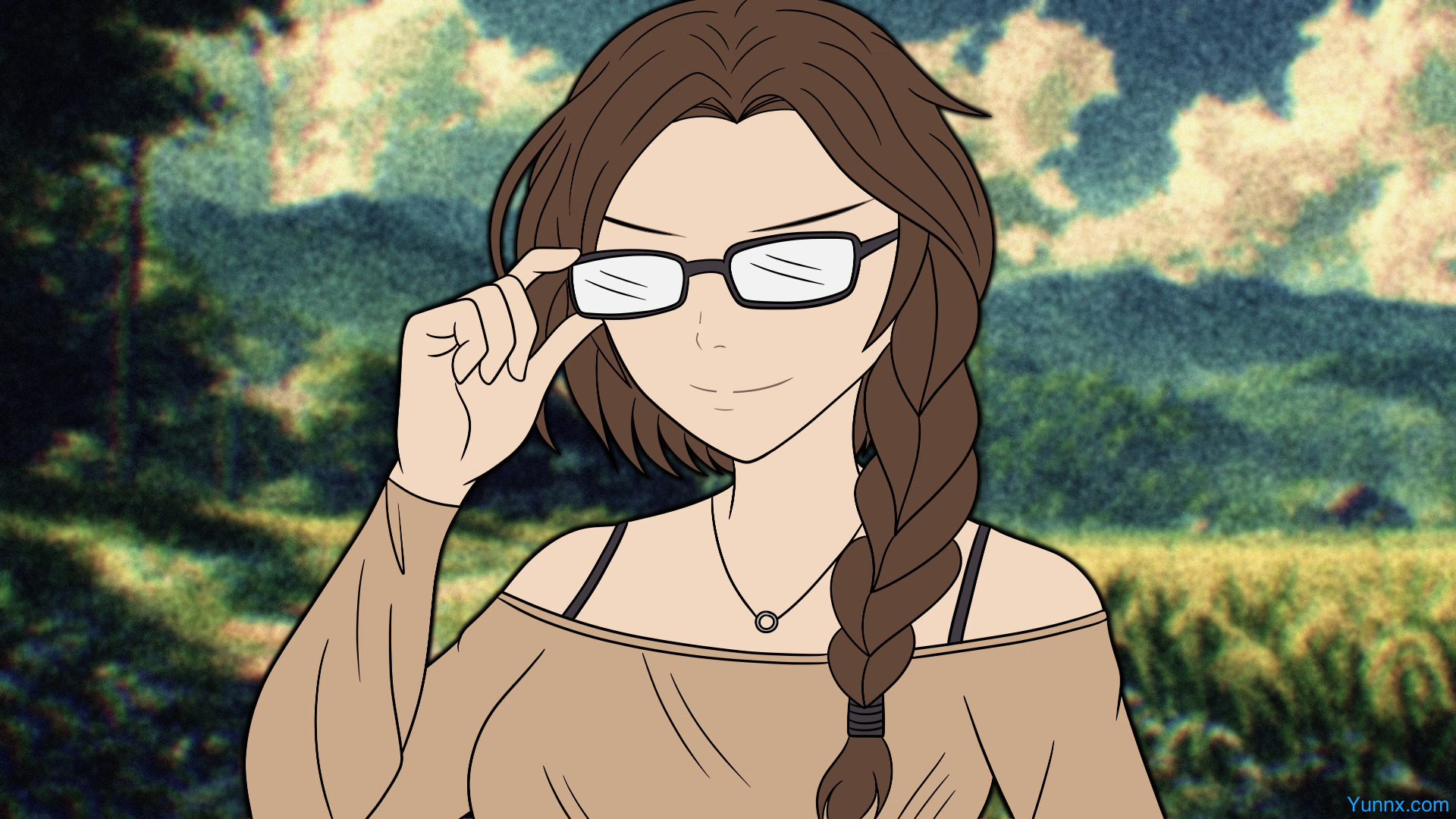

Re:Witch is a survival-themed visual novel that follows Ayumi, a futanari witch navigating a world where her kind faces extreme persecution. The game combines narrative-driven storytelling with survival mechanics, exploring themes of identity, prejudice, and the struggle for acceptance in a hostile society. Players will guide Ayumi through difficult choices that impact her relationships, survival, and the fate of those around her, all while uncovering the dark secrets behind the world's hatred of witches.
Compelling Protagonist and Character Development
1. Ayumi serves as a complex protagonist who must navigate her dual identity as both a witch and a futanari in a world that fears and despises her kind. Her journey explores themes of self-acceptance and the search for belonging in a society that rejects her.
2. The game features a diverse cast of characters who each have their own prejudices, motivations, and secrets. Players will need to build relationships carefully, as trust is hard-won and easily broken in this unforgiving world.
3. Character interactions are driven by meaningful dialogue choices that influence how others perceive Ayumi. These choices can unlock new story paths, alter character fates, and determine who becomes an ally or enemy in her struggle for survival.
Survival Mechanics and Resource Management
1. Players must manage limited resources including food, shelter, and magical energy to keep Ayumi alive while avoiding detection from witch hunters and hostile factions. Resource scarcity creates constant tension and forces difficult trade-offs.
2. The game features a reputation system that tracks how different factions and communities view Ayumi. Maintaining a low profile or building alliances can provide access to resources and safe havens, while drawing attention can lead to dangerous encounters.
3. Survival isn't just about physical needs—Ayumi must also manage her mental and emotional well-being. Stress, fear, and isolation can impact her decision-making abilities and unlock different narrative branches based on her psychological state.
Branching Narrative with Multiple Endings
1. The story features multiple branching paths determined by player choices throughout the game. Key decisions can lead to vastly different outcomes for Ayumi and the characters she encounters, encouraging replayability to explore all possible endings.
2. The game includes a timeline system that records major decisions and their consequences. These choices will resurface later in the story, creating ripple effects that shape the narrative's direction and available options.
3. Players can unlock secret endings by completing specific side quests, building relationships with certain characters, or discovering hidden information about the world's lore and the true nature of the witch persecution.
Unique Worldbuilding and Thematic Depth
1. The game's setting explores the social and political dynamics of a world where witches are systematically oppressed. Players will uncover the history behind the persecution and the various factions that either perpetuate or resist the discrimination.
2. The futanari aspect of Ayumi's character adds another layer to her struggle for acceptance, exploring how her unique biology intersects with the prejudice she faces as a witch. This creates opportunities for nuanced storytelling about identity and difference.
3. The survival theme extends beyond physical danger to include emotional and social survival. Ayumi must navigate complex moral dilemmas where helping others might jeopardize her own safety, forcing players to consider what they're willing to sacrifice to survive.