




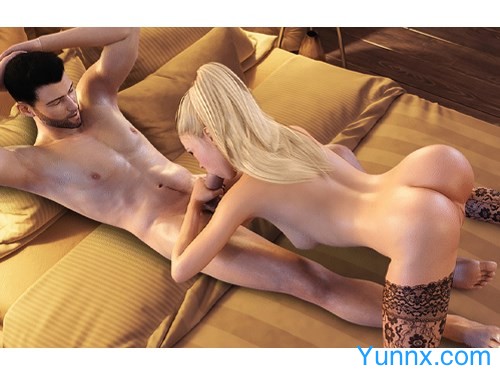
My Name Is David immerses players in a volatile divorce battle where every interaction is a tactical move. As a celebrated fantasy author, balance creative deadlines with sabotaged relationships, decode Maria’s motives, and fight to retain allies—or weaponize them—in this raw exploration of love, ego, and revenge.
Narrative Layers & Psychological Combat
Dual Reality Storytelling
1. Fiction Mirrors Reality: David’s novel drafts (playable mini-chapters) metaphorically reflect his crumbling marriage, with player choices altering both the in-game book’s plot and real-life outcomes.
2. Hidden Evidence: Scour emails, text histories, and financial records to uncover Maria’s secrets—or fabricate evidence to manipulate court proceedings.
3. Memory Fragments: Revisit key marital moments via flashbacks, where revised dialogue retroactively shifts present-day character motivations.
Social Strategy & Alliance Systems
Friendship as a Battleground
1. Loyalty Mechanics: Host gatherings or private talks to sway friends—appeal to logic, stoke guilt, or seduce to secure their testimony.
2. Reputation Duality: Publicly maintain a composed “wronged husband” image while privately deploying underhanded tactics, risking exposure if inconsistencies arise.
3. Third-Party Intrigue: Beware “allies” with hidden agendas—a supportive colleague might leak intel to Maria for career gain.
Erotic Tension & Emotional Warfare
Mind Games Reimagined
1. Calculated Seduction: Rekindle intimacy with Maria through carefully timed gestures, exploiting her desires to extract concessions or gather blackmail material.
2. Jealousy Engine: Flirt with mutual acquaintances during group events to provoke Maria, destabilizing her legal strategy—but overplay your hand, and allies turn skeptical.
3. Voyeuristic Risks: Hack Maria’s devices to monitor her activities, discovering truths that could liberate or destroy you.
Visual & Auditory Atmosphere
Sensory Storytelling
1. Symbolic Color Grading: Warm amber tones during nostalgic flashbacks contrast with cold, desaturated hues in present-day confrontations.
2. Diegetic Soundscapes: Overheard phone arguments, typing sounds during writing sessions, and muffled cries during breakdowns deepen immersion.
3. UI as Emotional Barometer: Screen borders crack under stress; cursor stability wavers during high-tension decisions, mirroring David’s mental state.