

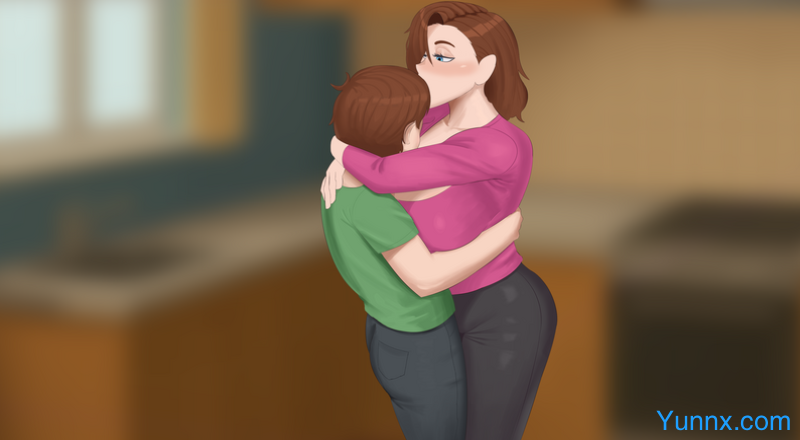
Summer in the suburbs is usually a blur of routine—until it cracks open. In this intimate, character-driven thriller, you’re a foster teen navigating a life of streaming marathons and dusty afternoons, chasing three goals: find a girl, mend your fractured family, and confront a past you’ve buried. But as familiar faces twist into something uncanny and everyday moments hum with tension, the line between “normal” and “unsettling” dissolves, turning small-town summer into a raw exploration of desire, identity, and what it means to belong.
Game Instructions
Set voice and text options
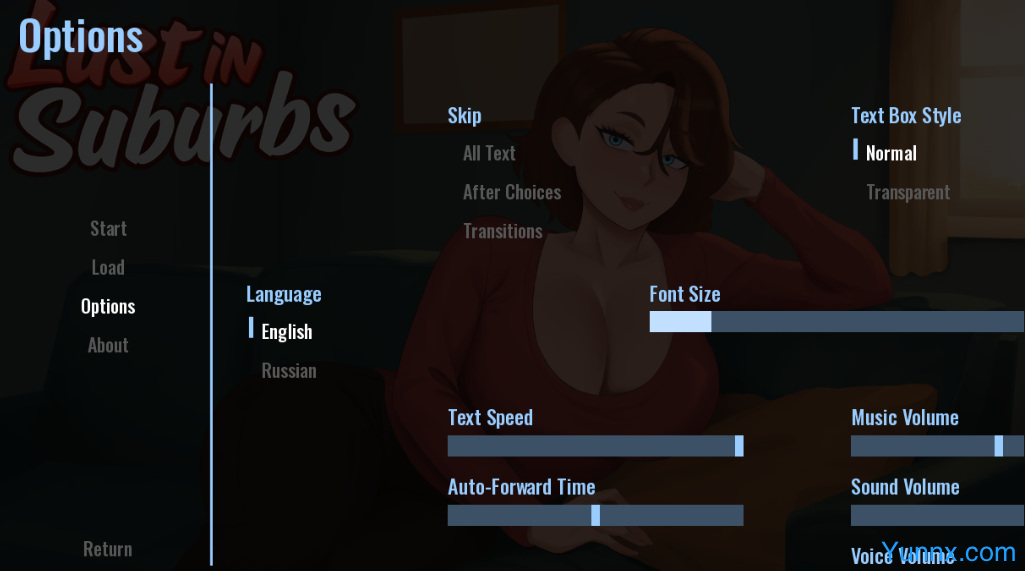
View or read saved files

Start game

Set player name
Summer Suburbia: Where Calm Meets Chaos
The game opens with a sun-bleached slice of suburban life—you, your foster parents, and the quiet hum of boredom. But beneath the surface, something stirs. What begins as a quest for simplicity spirals into a labyrinth of unspoken emotions and shifting dynamics, where even the most mundane interactions feel charged with meaning.
1. Routine Shattered: Your days blur into scrolling feeds and sweeping dust, but a single choice—a lingering glance, a question asked—unlocks a chain reaction. The suburban “sameness” you once accepted now feels like a mask, hiding secrets that demand to be uncovered.
2. Atmosphere of Unease: Familiar faces take on new dimensions. Your foster mom’s laughter sounds sharper; the neighbor who never waved now lingers at the end of your driveway. Every smile, every pause, feels deliberate, blurring the line between coincidence and intention.
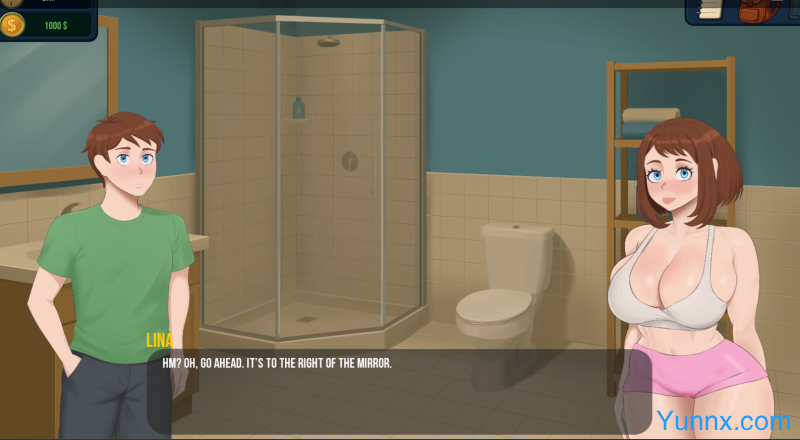
3. Intimacy Amplified: Even the smallest moments—sharing a soda, a late-night chat—transform into something charged. A brush of hands while passing the remote, a question about your day that lingers too long—these interactions feel less casual, more like threads in a web you’re only beginning to see.
Three Goals, Infinite Layers
Your journey hinges on three deceptively simple objectives, but each unfolds into a web of emotion, conflict, and self-discovery. They’re not just tasks—they’re mirrors, forcing you to reckon with who you are and who you want to be.
1. Find a Girl: She’s a shadow in the crowd, a voice on the phone, a name half-remembered. Is she a neighbor? A stranger? Her vague presence fuels curiosity, driving you to explore the suburb’s hidden corners—and confront the parts of yourself you’ve kept hidden.
2. Fix Your Family: Your foster parents are more than just caregivers; they’re strangers with a past. Tensions simmer beneath their forced cheer—arguments over chores, silent treatments, a locked drawer you’ve never dared to open. Mending the family means untying knots you didn’t even know existed.
3. Face Your Past: Memories flicker—fragments of a life before the foster system, a mother’s voice, a father’s face. They haunt you, but uncovering them could mean shattering the fragile stability you’ve built. Do you dig deeper, or let the past stay buried?
Characters Who Feel Like Family (Even When They Don’t)
The suburb’s residents aren’t just background—they’re players in your story, each with their own secrets, scars, and reasons for crossing your path. Their actions shape your journey, turning side interactions into pivotal moments that redefine “family.”
1. The Foster Parents: On the surface, they’re just… there. But their sudden overprotectiveness, the way they avoid eye contact when you ask about your past, and the hidden box in the attic hint at a history far more complicated than “just trying to help.” Are they shielding you—or hiding something?
2. The Girl Next Door: She’s been there all along, but you’ve never noticed. Her laughter echoes from the backyard, her curtains twitch when you walk by, and she leaves notes in your mailbox with cryptic doodles. Is she a friend, a foe, or a mirror of the self you’re afraid to meet?
3. The Town Oddball: Old Mr. Jenkins, who mows lawns at 3 a.m. and talks to his roses, suddenly starts sharing stories. Tales of “strange lights” in the woods, a “lost girl” years back, and a family that “moved on too fast.” His ramblings feel like more than coincidence—are they clues, or warnings?