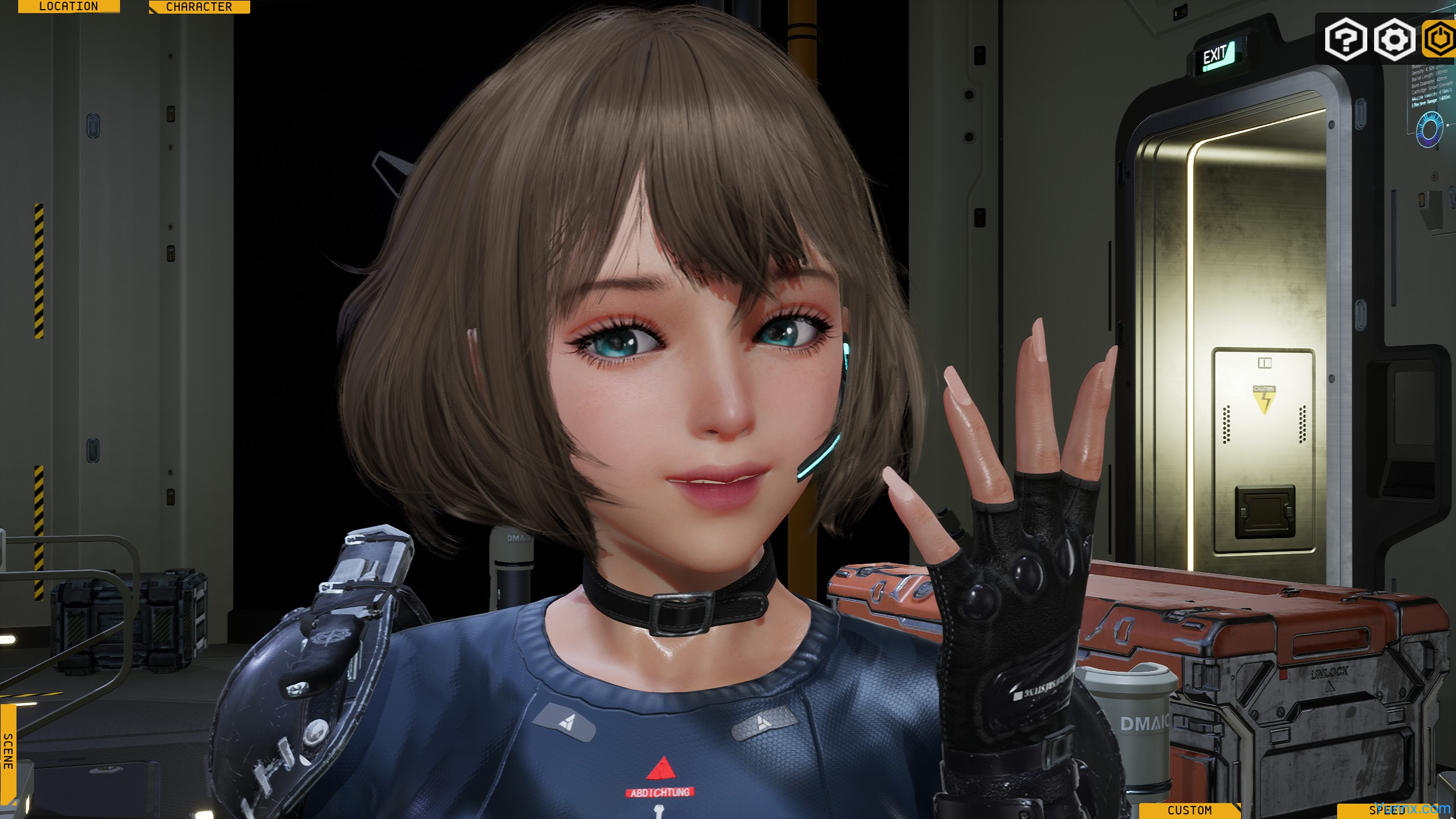




First Lie -Complete Edition- follows Demetra and her husband as they move into an aging apartment after he leaves a prestigious corporate job. Isolated by his late nights, Saki befriends their neighbor Hayashi, a man abandoned by his fiancée and his work. Her compassion saves him, and that same kindness unravels everything she built.
A marriage that breaks without anyone raising a voice
1. The collapse does not arrive with a fight. It arrives with a key turning later each night, with a dinner plate cleared for one, with a woman learning the exact shape of silence in a room she chose willingly. The apartment itself becomes the antagonist: old, cramped, and full of sounds that carry.
2. Saki is not a victim of circumstance and she is not a schemer. She is someone whose entire world was one person, suddenly asked to live in a world where that person is absent. Every choice she makes afterward grows logically out of that emptiness, which is what makes the story feel inevitable rather than contrived.
3. The Complete Edition delivers the full arc without chapter gates or missing scenes. What begins as domestic drama becomes a study in how far a person will walk away from her own vows just to feel seen again, and how easily rescue turns into something neither of them planned.
Hayashi: the man who was already drowning
1. He arrives already hollowed out: laid off, left by his fiancée, sitting in a room that smells of other people's cooking and his own failure. He is not a predator. He is a man who has stopped expecting anything from tomorrow, which makes the first kind word aimed at him land like a physical event.
2. Saki's compassion gives him a reason to stand up in the morning. That is the honest part of it. The dishonest part is how quickly gratitude curdles into possession, and how a person who has lost everything becomes willing to take what belongs to someone else because it is the first thing that ever looked at him warmly.
3. His route through the story is the mirror of hers. She reaches out to save him and discovers that saving someone can mean handing them the leverage to ruin you. The tension between them is never about lust alone; it is about two people using each other to escape the lives they cannot admit they hate.
Desire as the engine, secrecy as the structure
1. Intimacy in this game is framed through closeness, restraint, and the unbearable weight of almost being caught. Breath against a wall, fingers that hesitate, the pause before a name is spoken — the writing leans on suggestion and aftermath rather than explicit display, and the art follows the same discipline.
2. The thrill is structural, not decorative. Every encounter happens under the threat of a door opening, a phone lighting up, a husband's footsteps on the stair. Scenes are paced around proximity and risk, so the most charged moments are often the ones where nothing is touched at all.
3. What lingers afterward is not the act but the lie that must be carried back across the hall. The game understands that the real cost is paid in the morning, when she smiles at the man she loves and knows exactly what she is hiding behind it.