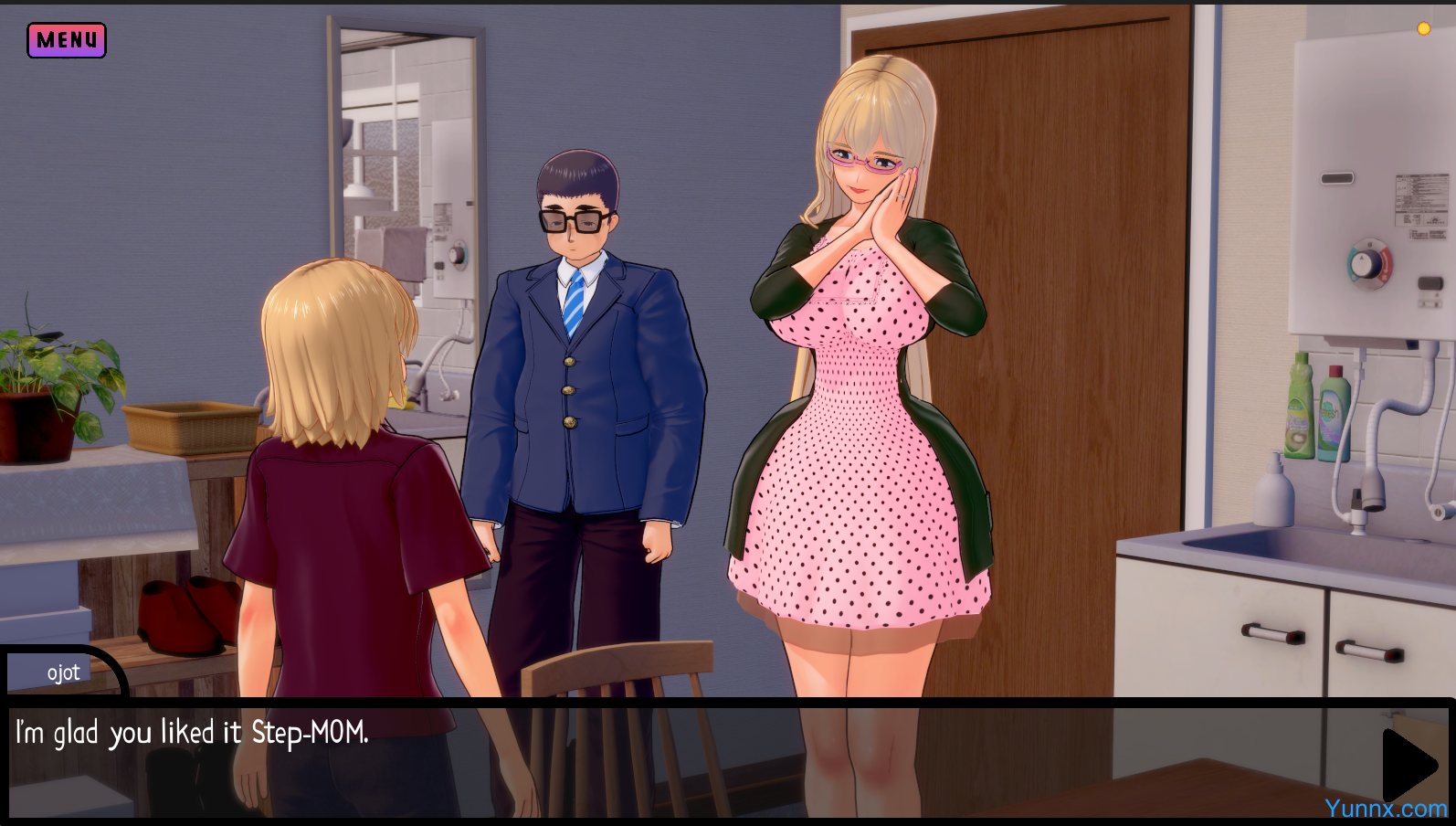
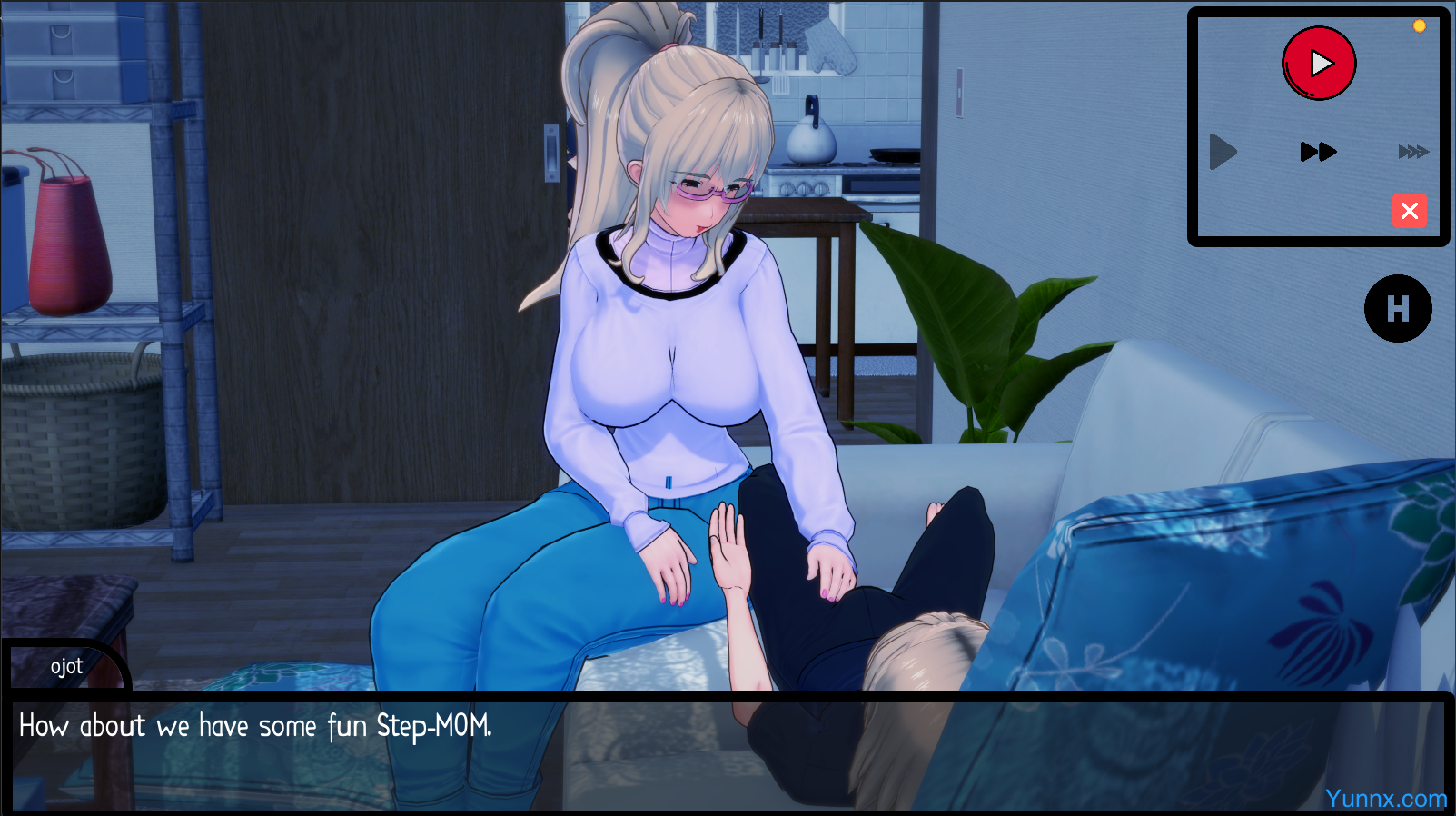
After spending years apart, an unexpected message gives you the opportunity to see her again. But returning to the past is never simple. Old memories, complicated relationships, new circumstances, and things left unsaid all begin to surface as you try to find your place in her life again. She's not the same woman you left behind. You're not the same man who walked away. And the tension between who you both were and who you've become is where everything gets messy.
The Message That Changes Everything
1. It arrives without warning. A name you haven't seen on your screen in years, lighting up your phone like nothing ever happened. She's reaching out. Not with an apology, not with an explanation, just a simple message that cracks open a door you thought you'd sealed shut. The game doesn't tell you what she says. It tells you how your chest tightens when you see her name.
2. The first few exchanges are careful. Polite. Both of you circling each other like animals who remember old wounds. She asks how you've been. You ask the same. The conversation is short, clipped, and loaded with everything neither of you is saying. The game captures that specific discomfort of talking to someone who once knew your body better than you did, and now doesn't know what you eat for breakfast.
3. But the door is open. And once it's open, it doesn't close the same way again. She mentions she's in town. Not permanently. Just for a while. Just long enough for you to remember what her voice sounds like when she's not trying to be careful with you. The game gives you choices here. You can play it cool. You can be direct. You can ask the question you've been swallowing for years. Every option leads somewhere. None of them lead back to where you were before that message arrived.
Old Flames, New Bodies
1. She looks different. The game makes sure you notice. Not in a bad way. In a way that reminds you time has passed and she hasn't been waiting for you to catch up. She carries herself differently. She laughs at different things. She's built a life that doesn't have a space carved out for you, and you can feel that absence like a missing tooth. The woman in front of you is familiar and alien at the same time.
2. But the chemistry is still there. That's the problem. It hums underneath every conversation, every accidental touch, every moment she looks at you a half-second longer than she needs to. The game leans into this tension without rushing it. A dinner that runs too late. A drink that turns into two. A walk back to her place where neither of you says anything about how close you're standing. The air between you is thick enough to chew.
3. And then there's the question neither of you asks but both of you feel. What happens if you cross that line again? The game doesn't answer it for you. It builds the moment. It lets you feel her hand brush yours. It lets you hear the way her breath catches when you stand too close. It lets you remember what it felt like to have her, and then it makes you wait. The wait is the point. The wait is where the arousal lives.
The Space Between Text and Touch
1. Much of Taking Her Back unfolds through messages. Late-night texts. Voice notes she sends when she's had a glass of wine and her guard is down. Photos that are almost innocent but not quite. The game uses this digital intimacy to build a different kind of tension. You're not just seeing her. You're seeing the version of her that only exists on a screen at 1 AM, when she's alone and thinking about you and can't stop herself from typing.
2. These messages are where the game gets explicit without being graphic. She tells you things she wouldn't say to your face. She asks questions she'd never ask in daylight. She sends a photo of her legs on a hotel bed and the caption says "wish you were here" but the subtext says something much filthier. You respond. She responds faster. The conversation spirals into a place where both of you are breathing harder and neither of you is pretending this is just catching up anymore.
3. The game rewards players who lean into this digital flirtation. The more honest you are in your messages, the more she opens up. The more she opens up, the more the boundaries between "old friends" and "something else" dissolve. By the time you see her in person again, you're not walking into a reunion. You're walking into a continuation of everything you've been typing at 2 AM. And she knows it. You can see it in her eyes when she opens the door.