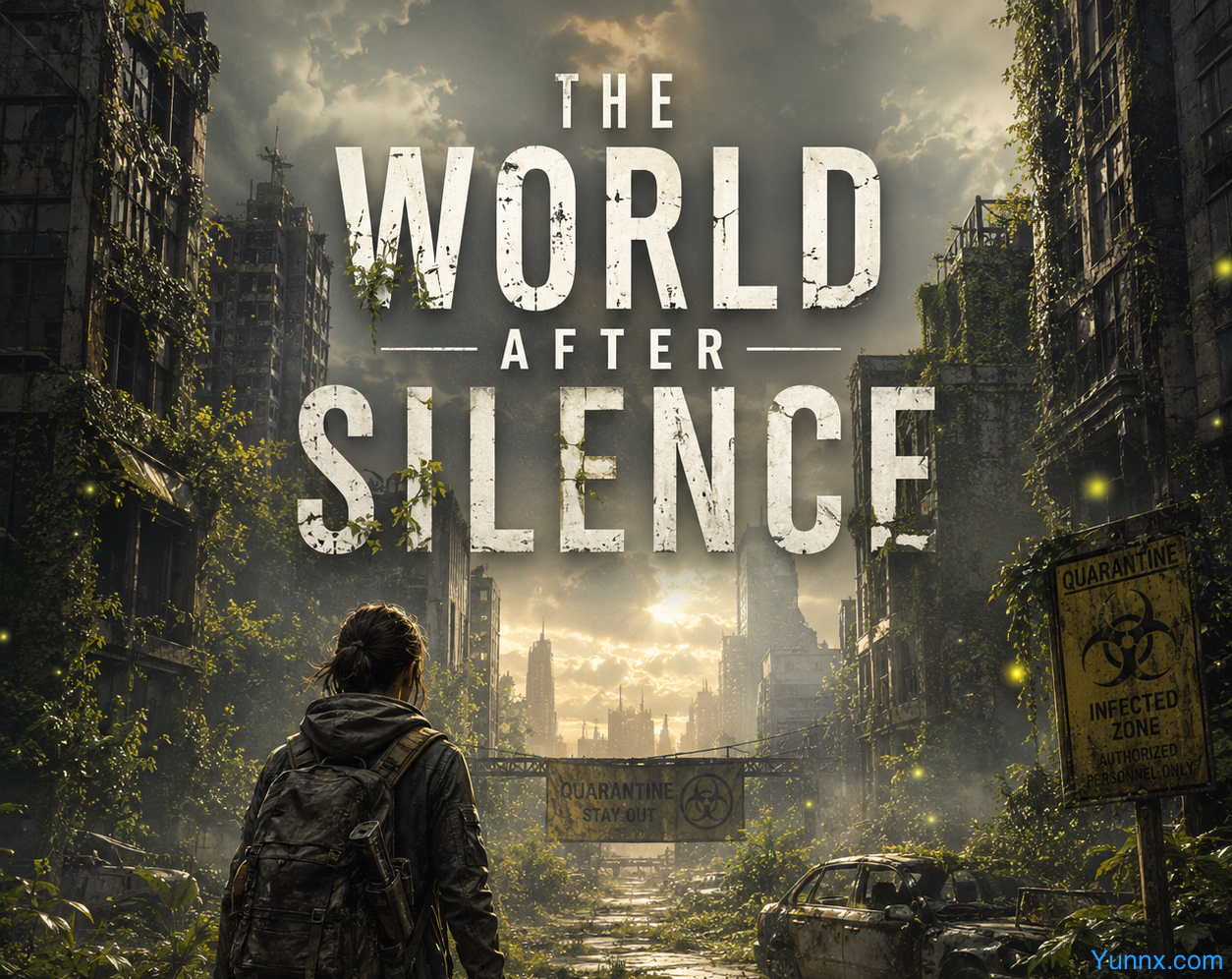





A deadly virus of unknown origin has collapsed society. Cities lie empty, resources are scarce, and danger lurks around every corner. Yet amidst the ruins, survivors continue to carve out existence. The World After Silence drops players into this brutal reality, where survival is only the beginning and human nature reveals its darkest depths.
A World Destroyed by an Unknown Virus
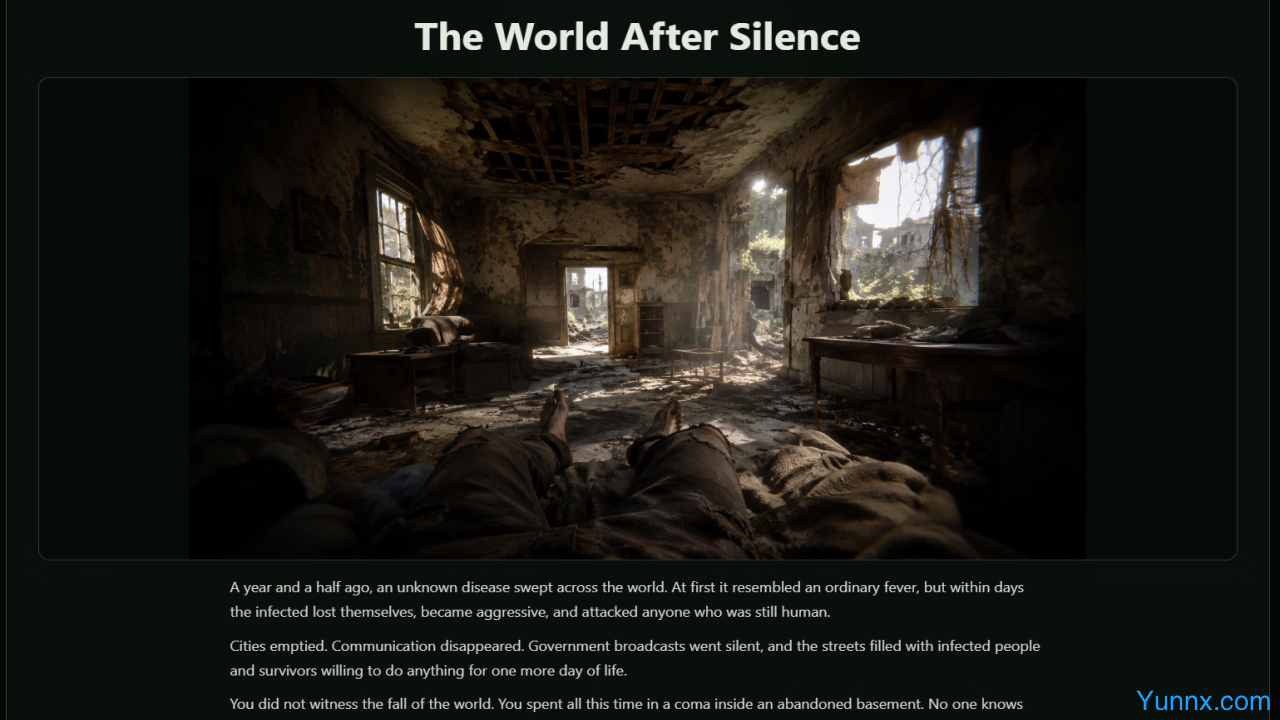
1. The World After Silence opens with the collapse of everything known. An unidentified virus swept across the globe with terrifying speed, leaving no nation untouched and no city standing. Civilization as it existed ended not with a bang but with a silent, creeping death that turned streets into graveyards and homes into tombs. The game captures this desolation through atmospheric storytelling and environments that speak of lives abruptly ended.
2. Unlike typical zombie or monster apocalypse narratives, The World After Silence focuses on the quiet horror of a world emptied of people. The virus did not create ravenous hordes—it created silence. Cities stand intact but lifeless. The enemy is not a visible threat but the constant, gnawing reality of scarcity, isolation, and the psychological toll of being among the last survivors.
3. The game's setting draws inspiration from real-world pandemic scenarios, imagining a worst-case outcome where containment failed and humanity paid the ultimate price. This grounding in plausible horror makes the experience more visceral and unsettling. Players are not fighting monsters—they are confronting the terrifying possibility of a world where the greatest threat is the silence itself.
Survival in the Abandoned Cities
1. In this new reality, survival is a daily struggle that demands more than just physical strength. Resources are scarce, and every decision carries weight. Players must scavenge through abandoned buildings, manage dwindling supplies, and navigate environments that were once bustling with life but now hold only echoes of the past. The game emphasizes resource management and strategic thinking over combat, reflecting a world where bullets and bravado matter less than wit and patience.
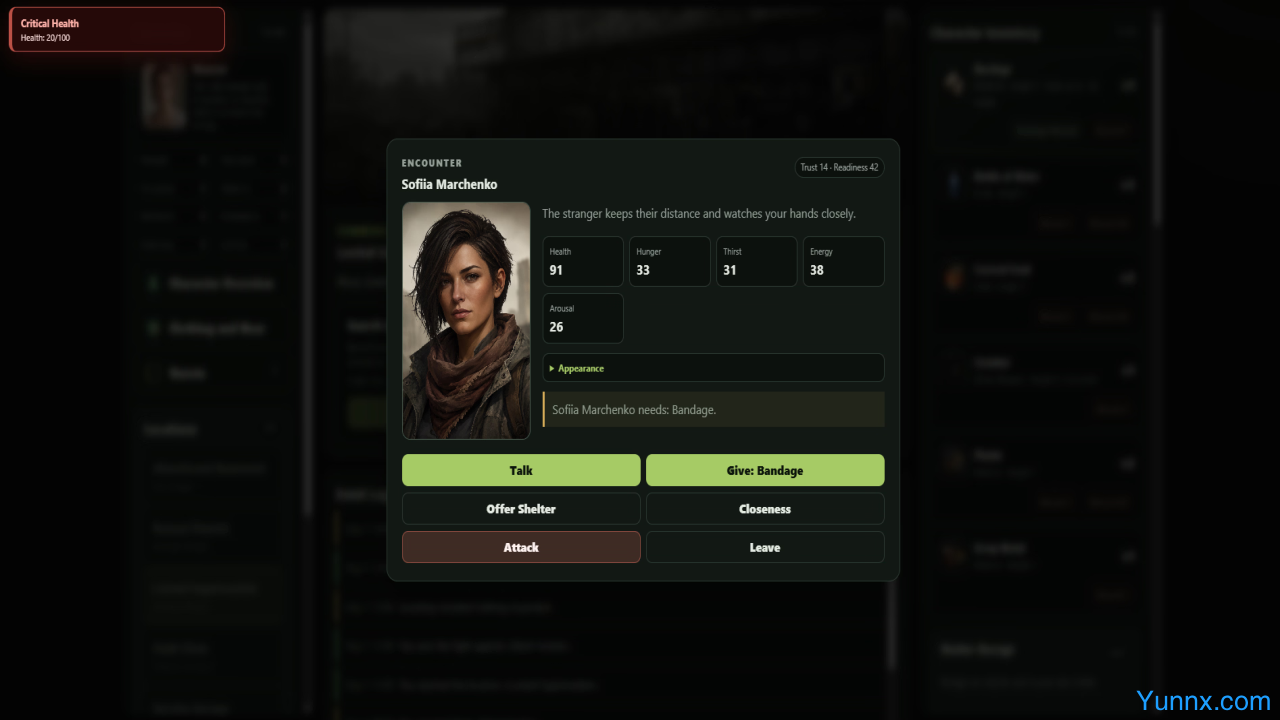
2. The cities of The World After Silence are not empty in the traditional sense. Other survivors remain—some friendly, some hostile, and some whose motives are impossible to read. Every encounter is a gamble. Trusting the wrong person can be as deadly as running out of food or water. The game weaves these social dynamics into its core loop, forcing players to weigh the risks of cooperation against the dangers of isolation.
3. Exploration is central to the experience. Each abandoned building tells a story, each locked door hides a secret, and each decision opens or closes pathways forward. The game rewards thorough exploration while punishing recklessness. Players who rush through the silent streets will miss vital supplies and crucial information. Those who proceed with caution, however, may uncover the truth behind the virus and find a way to survive—or even rebuild.
The Human Element in a Broken World
1. At its heart, The World After Silence is a game about people. The virus may have destroyed civilization, but it is human nature that determines what comes next. Survivors must grapple with loss, guilt, and the question of whether humanity deserves to continue. The game presents difficult moral choices that test the player's values and force them to consider what they would sacrifice to survive another day.
2. The relationships players form with other survivors are central to the narrative. Some offer companionship and hope in a world stripped of both. Others present danger disguised as kindness. The game does not shy away from the darker aspects of human behavior—desperation breeds cruelty, and even the noblest intentions can curdle in the face of starvation and fear. Every interaction carries weight, and every alliance comes with a cost.
3. The World After Silence also explores themes of memory and meaning. In a world where the future is uncertain, the past becomes a refuge and a burden. Players encounter remnants of the old world—photographs, letters, recordings—that serve as painful reminders of what was lost. These fragments shape the emotional landscape of the game, grounding the survival mechanics in a deeply human story about holding onto identity when everything else has been stripped away.
A Unique Post-Apocalyptic Experience
1. The World After Silence distinguishes itself from other survival games through its focus on atmosphere and narrative over action. There are no hordes to mow down, no bases to fortify against endless waves of enemies. Instead, the game asks players to sit with the silence, to feel the weight of empty spaces, and to confront the loneliness of being among the last of your kind. This slower, more introspective approach creates a haunting experience that lingers long after the game ends.
2. The game's adult content is integrated naturally into the narrative, exploring how intimacy and desire persist even in the most desperate circumstances. In a world without laws or social structures, human connections take on new meanings. The game treats these themes with the same seriousness as its survival mechanics, presenting them as a natural part of the human experience rather than gratuitous additions.
3. For players seeking a post-apocalyptic game that prioritizes story, atmosphere, and emotional depth over action, The World After Silence offers a distinctive and memorable journey. It is a game about loss and hope, about the fragility of civilization and the resilience of the human spirit. In a genre crowded with explosive set pieces and constant danger, this game dares to be quiet—and that silence speaks volumes.