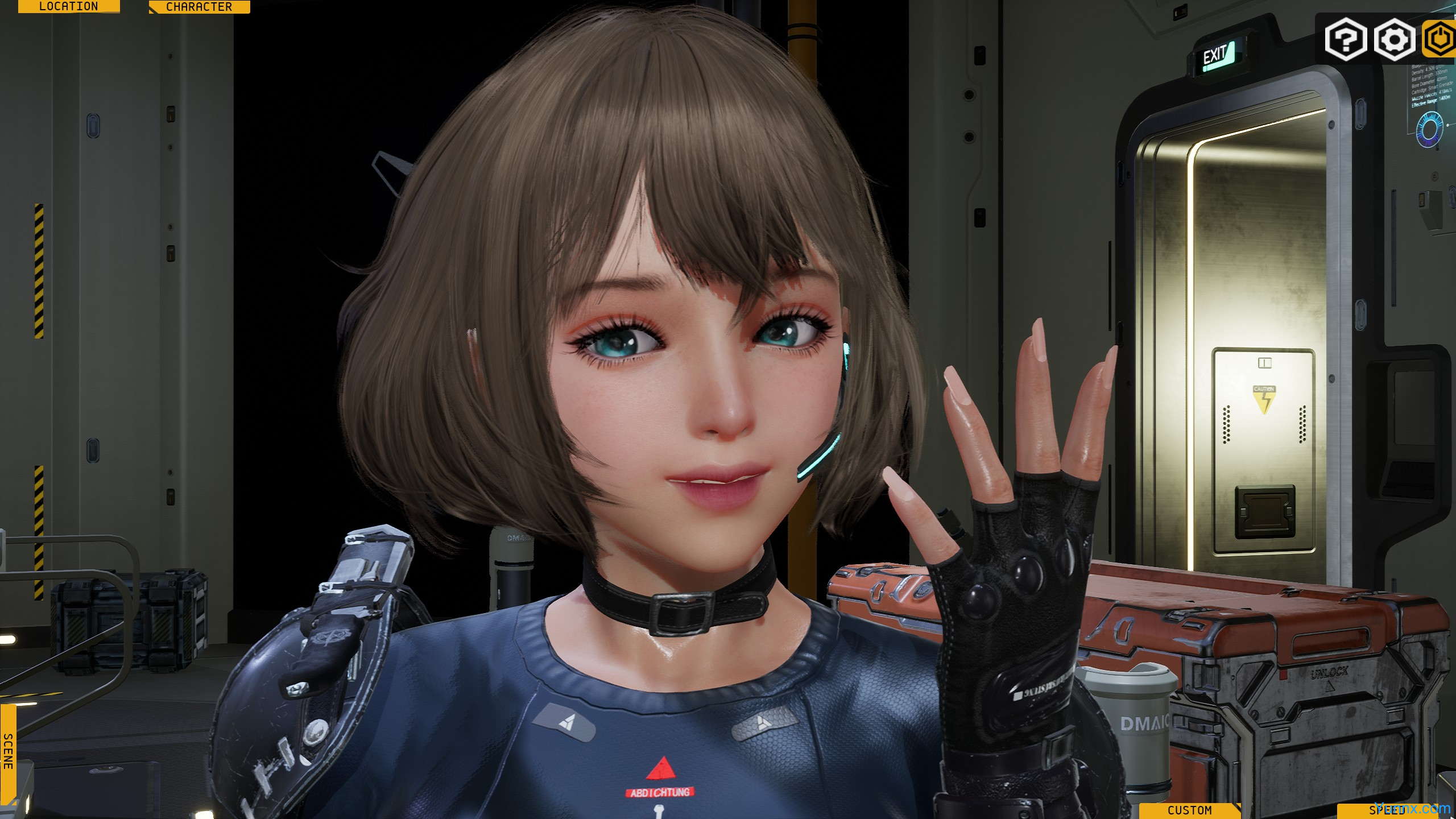







In Loser's Redemption, you step into the worn-out shoes of a high school outcast—bullied, ignored, and invisible. Day after day, the abuse piles up. But when the breaking point finally arrives, you are given a choice: sink deeper into despair, or rise up and claim the life that was stolen from you. Revenge has never tasted so sweet, and corruption has never felt so seductive.
Story & Setting
1. Loser's Redemption is an adult visual novel that pulls no punches in its unflinching portrayal of high school cruelty. You play as the MC—a student with no friends, no allies, and no one to turn to. Every day is a gauntlet of humiliation: classmates who bully him without mercy, teachers who turn a blind eye, and a social system designed to crush anyone who doesn't fit in. The world of Loser's Redemption is not a cartoonish exaggeration—it is a raw, uncomfortable mirror held up to the darkest corners of teenage social dynamics.
2. The narrative is driven by a single, powerful question: what does it take for a person who has been broken down every single day to finally stand up? The MC's journey is not a simple hero's arc—it is a slow, painful, and often morally ambiguous transformation. The game does not offer easy answers or clean resolutions. Instead, it forces players to confront uncomfortable truths about power, weakness, and the lengths a person will go to reclaim their dignity.
3. The setting is deceptively simple—a contemporary high school environment—but the emotional stakes are anything but. Every hallway, every classroom, every empty stairwell becomes a battlefield. The game's atmosphere is thick with tension, drawing players into the MC's isolation and desperation. This is not a story about becoming a hero; it is a story about what happens when a good person is pushed too far, and the monster that emerges when the last thread of patience finally snaps.
Gameplay & Core Mechanics
1. Loser's Redemption is a choice-driven visual novel where every decision carries weight. Players navigate the MC through a series of social encounters, each one presenting opportunities to either endure the abuse in silence or fight back in increasingly bold ways. The game features a branching narrative structure with multiple endings, ensuring that no two playthroughs are exactly alike. Your choices determine not only the MC's fate but also the fates of those around him—including the bullies who made his life a living hell.
2. The core gameplay loop revolves around managing the MC's psychological state while navigating the treacherous social landscape of high school. As the pressure mounts, players unlock new dialogue options and actions that reflect the MC's growing desperation or, conversely, his gradual descent into cold, calculated vengeance. The game rewards careful observation and strategic thinking—knowing when to strike, when to wait, and when to completely dismantle someone's reputation from the inside out.
3. Beyond the main narrative, Loser's Redemption offers replayability through its multiple story branches and character routes. Each major character—from the ringleader of the bullies to the bystanders who looked away—can be confronted, corrupted, or even redeemed, depending on the player's choices. The game tracks the MC's relationships and reputation in real-time, creating a dynamic experience that responds to the player's unique approach to revenge and redemption.
Unique Appeal & What Sets This Game Apart
1. What distinguishes Loser's Redemption from other adult visual novels is its unflinching commitment to moral complexity. This is not a game where revenge is presented as a straightforward, cathartic victory lap. Instead, the game forces players to grapple with the consequences of their actions—the collateral damage, the guilt, the realization that becoming a monster to fight monsters might cost you your humanity. The narrative does not judge the player's choices, but it does not shield them from the fallout either.
2. The game's adult content is not gratuitous—it is woven into the fabric of the story as a tool for power, manipulation, and control. As the MC gains influence over his tormentors, the game explores themes of corruption, seduction, and the intoxicating allure of finally having the upper hand. This is a game for mature audiences who appreciate storytelling that challenges, disturbs, and refuses to offer easy moral lessons.
3. Loser's Redemption also stands out for its psychological depth. The game delves into the MC's internal world with a level of detail rarely seen in the genre—his doubts, his rage, his fleeting moments of hope, and his gradual transformation into someone unrecognizable. Through branching dialogue, internal monologues, and reactive environments, the game creates an immersive experience that makes the player feel every triumph and every defeat as if it were their own.