


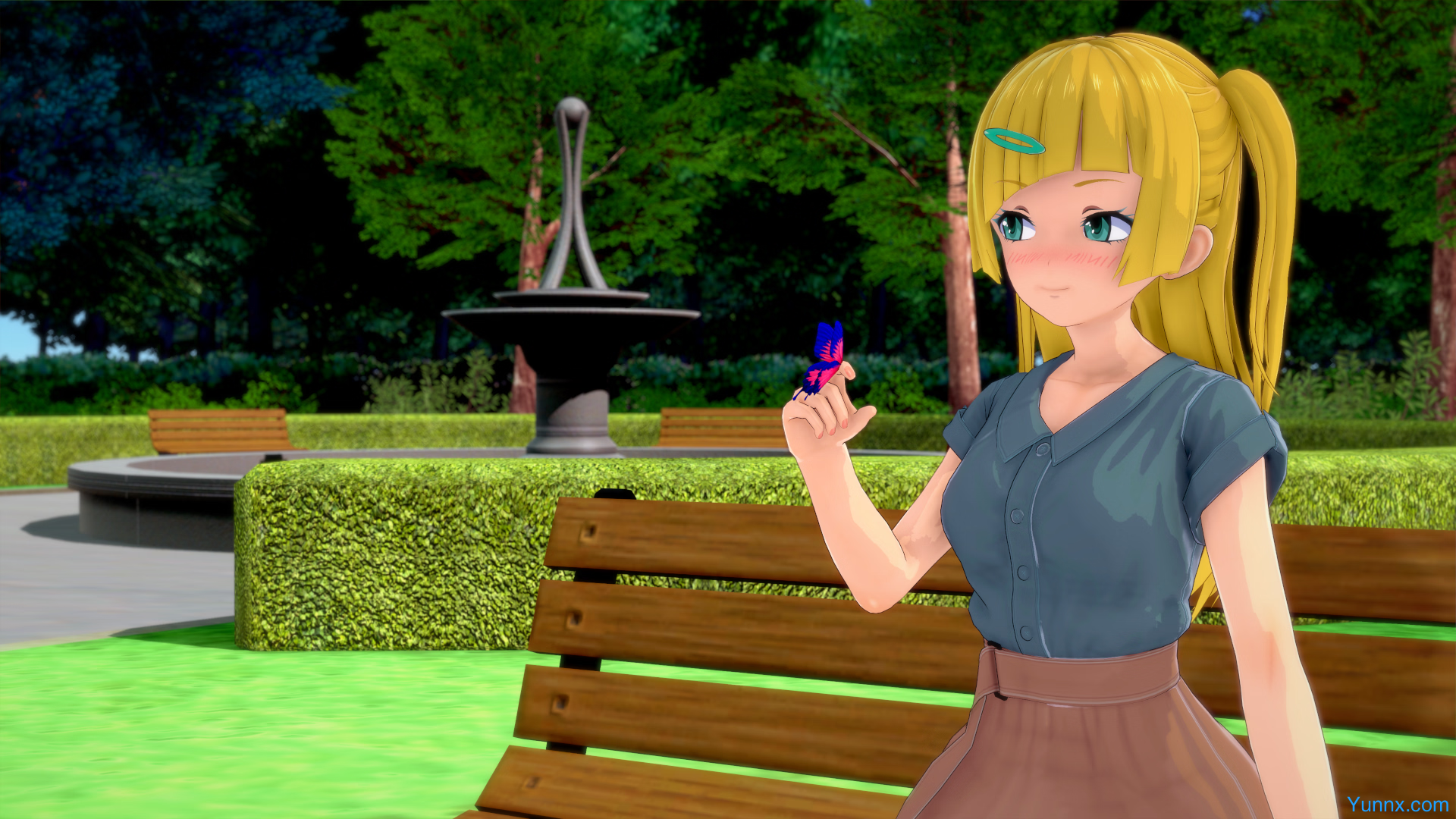

Shards of the Past follows a protagonist scarred by foster home abuse who reunites with his childhood friend Chloe after years apart. Now living together as adults, they navigate healing, new relationships, and the lingering shadows of their traumatic past while reconnecting with old friends Louise, Angela, and Lily. This 18+ visual novel masterfully blends deep emotional storytelling with intimate romance and difficult personal growth.
Traumatic Past and Lasting Bonds
Growing up in a harsh foster environment forged an unbreakable friendship between the protagonist and his four closest companions. Years later, the scars remain, influencing how they approach adulthood and new beginnings.
The story sensitively explores themes of survival, abandonment, and chosen family. Shared history creates a foundation of trust that both supports and complicates their present lives.
1. Authentic portrayal of childhood trauma and its adult consequences.
2. Strong emphasis on the power of long-term friendships.
3. Emotional depth makes character relationships feel genuine and meaningful.
New Life Together with Chloe
After achieving independence, the protagonist invites Chloe to share his apartment, marking the start of their adult journey under one roof. Daily life together brings comfort, tension, and evolving feelings.
Cohabitation creates natural opportunities for intimacy and conflict. The story examines how shared living space can both heal and challenge old bonds.
1. Focus on realistic roommate dynamics in a romantic context.
2. Gradual development from friendship to deeper connection.
3. Personal growth through facing past wounds together.
Rekindling Old Friendships
Reconnecting with Louise, Angela, and Lily adds layers of nostalgia, jealousy, and new possibilities. Each friend brings different personalities and unresolved history to the present.
Multiple routes allow exploration of various relationships and outcomes. Social circles outside the core group introduce fresh challenges and opportunities.
1. Distinct personalities make each reconnection feel unique.
2. Past dynamics influence current interactions and tensions.
3. Branching paths offer meaningful choices and consequences.