
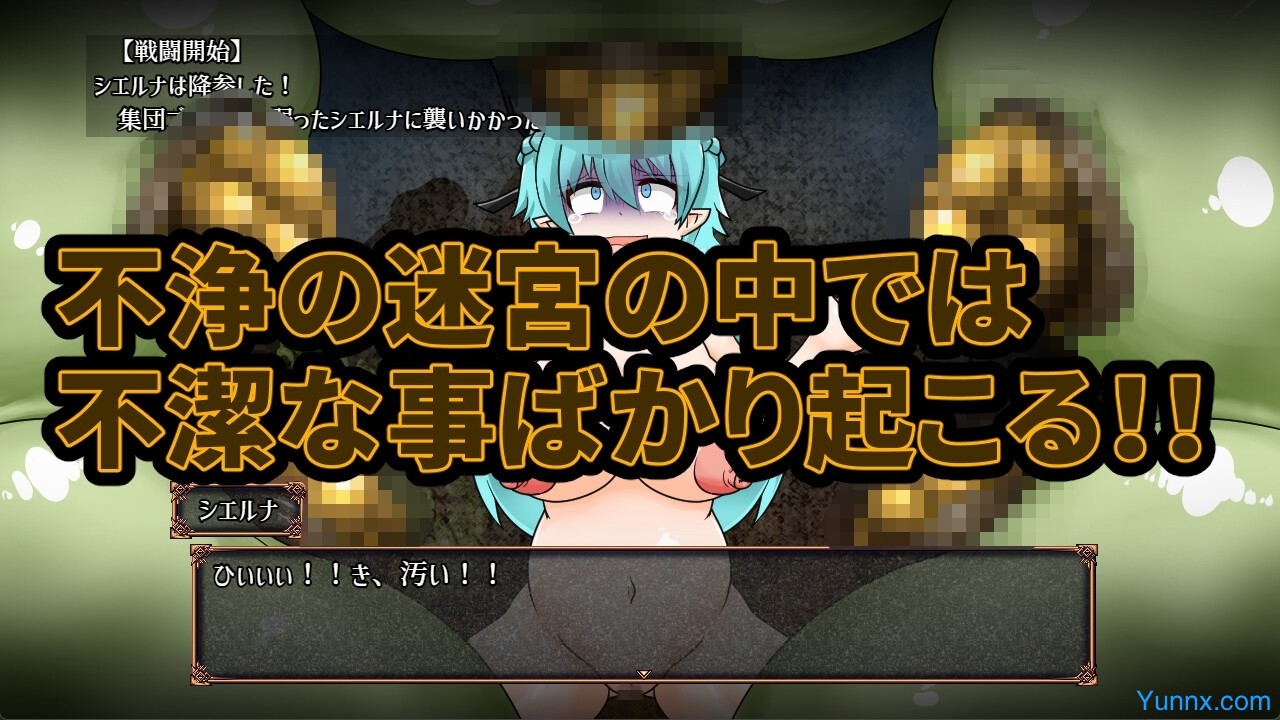
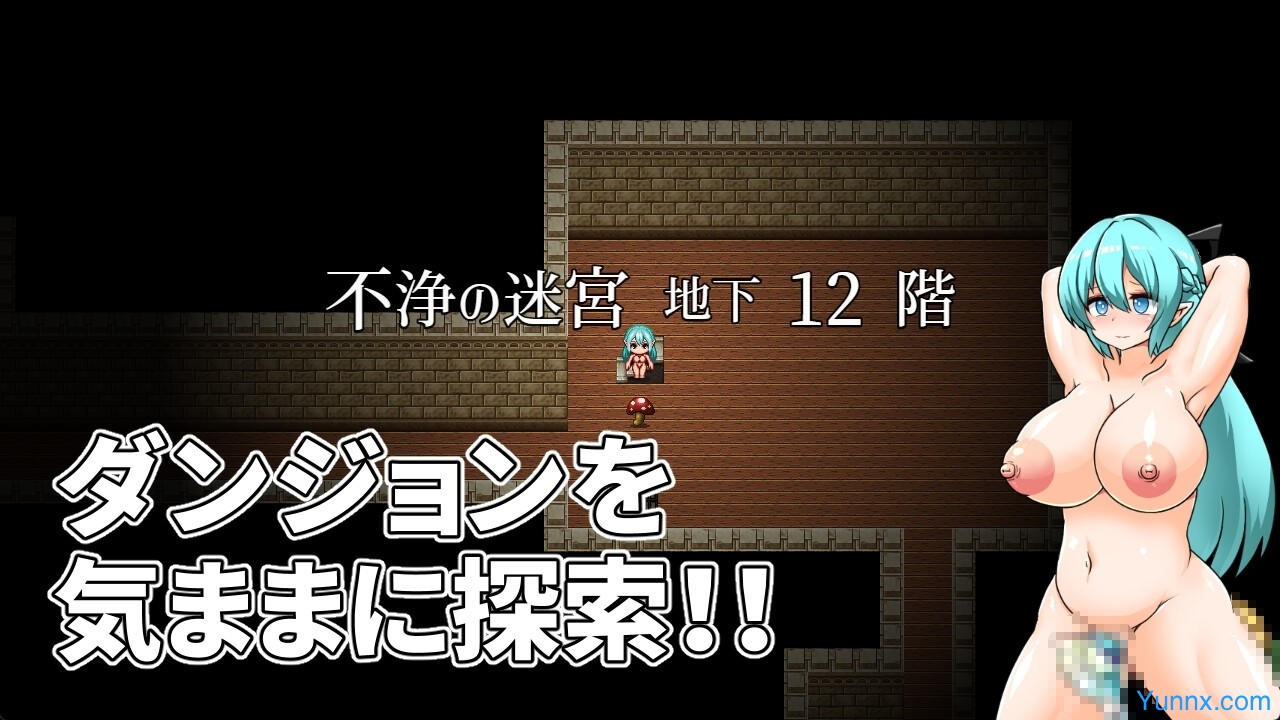
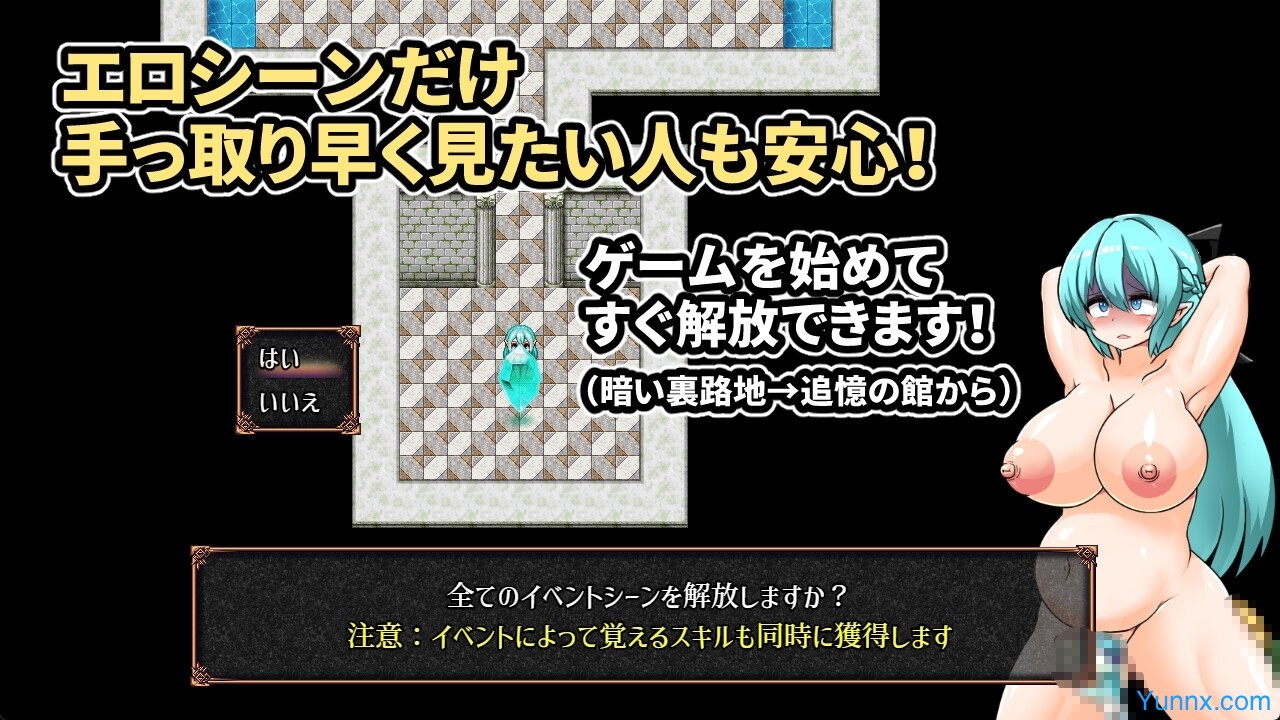

Cursed Elf in a Dungeon of Filth follows an elf escaping a mysterious labyrinth only to be afflicted with a curse that renders her unrecognizable to all living beings. Stranded without funds or allies, she ventures into the abandoned, contamination-ridden Unclean Labyrinth seeking survival, answers, and a way to break the spell binding her existence.
Curse Mechanics & Social Isolation Systems
1. The core curse permanently prevents NPCs from perceiving the elf’s presence visually or aurally, forcing unique stealth and interaction mechanics where standard dialogue or trade options are unavailable, requiring environmental observation and indirect methods to gather information or resources.
2. This invisibility creates layered gameplay challenges: enemies ignore her unless provoked by direct contact, traps trigger based on physical disturbance rather than sight, and story progression relies on discovering scattered journals, carvings, or altered environments left by previous labyrinth explorers who sensed her unseen influence.
3. Narrative depth emerges through the psychological toll of isolation; optional sanity mechanics affect perception (distorting dungeon visuals or audio cues when stress is high), while hidden lore fragments gradually reveal the curse’s origin and the true nature of the labyrinth she fled.
Dungeon Exploration Survival & Resource Management
1. Set within the decrepit Unclean Labyrinth, exploration emphasizes scavenging for scarce resources like purified water, makeshift bandages, and nutrient-dense fungi growing in waste pools, directly tied to her penniless status forcing constant risk assessment between delving deeper or retreating to sparse safe zones.
2. Environmental hazards are integral to gameplay: filth pools cause gradual damage or status effects requiring timely cleansing, unstable corridors demand careful navigation to avoid collapse-triggered encounters, and bioluminescent mold provides the only reliable light source in pitch-black sections, creating tense risk-reward decisions for pathfinding.
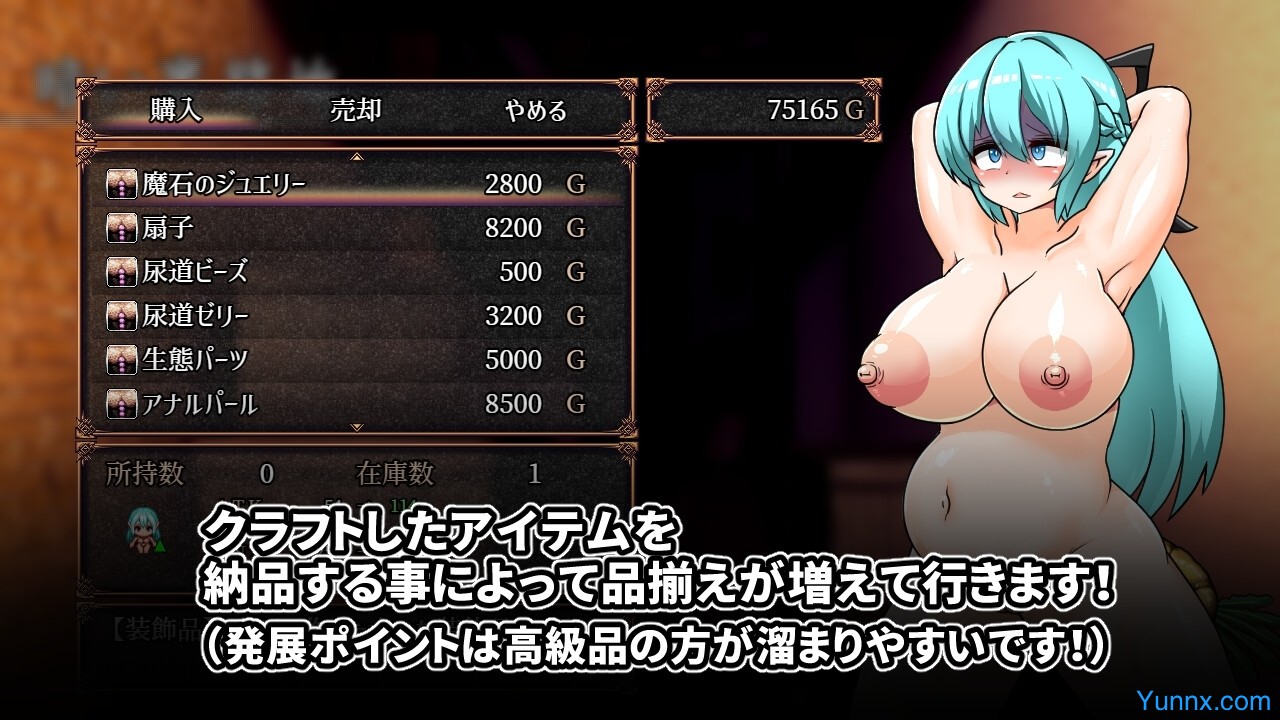
3. Progression systems link survival to story advancement; crafting rudimentary tools from discarded labyrinth materials (broken pipes, scrap metal) enables access to new zones, while restoring ancient purification systems temporarily creates safe hubs where limited perception returns, offering brief respite and critical plot revelations through activated recordings.
Combat Progression & Mature Narrative Integration
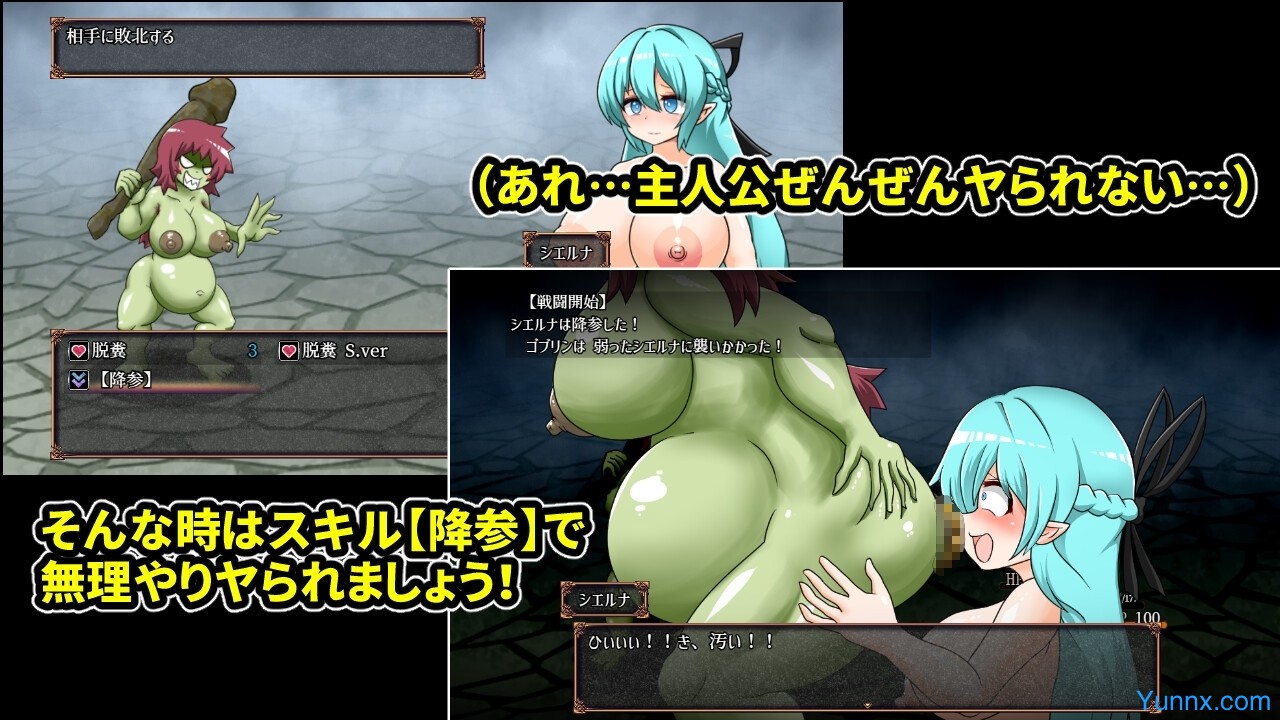
1. Combat avoids traditional grinding; encounters focus on evasion and precision strikes using crafted tools (shivs from shards, acid vials) against mutated labyrinth guardians, with success often depending on exploiting environmental hazards (luring enemies into filth traps) rather than brute force, reflecting her vulnerable state.
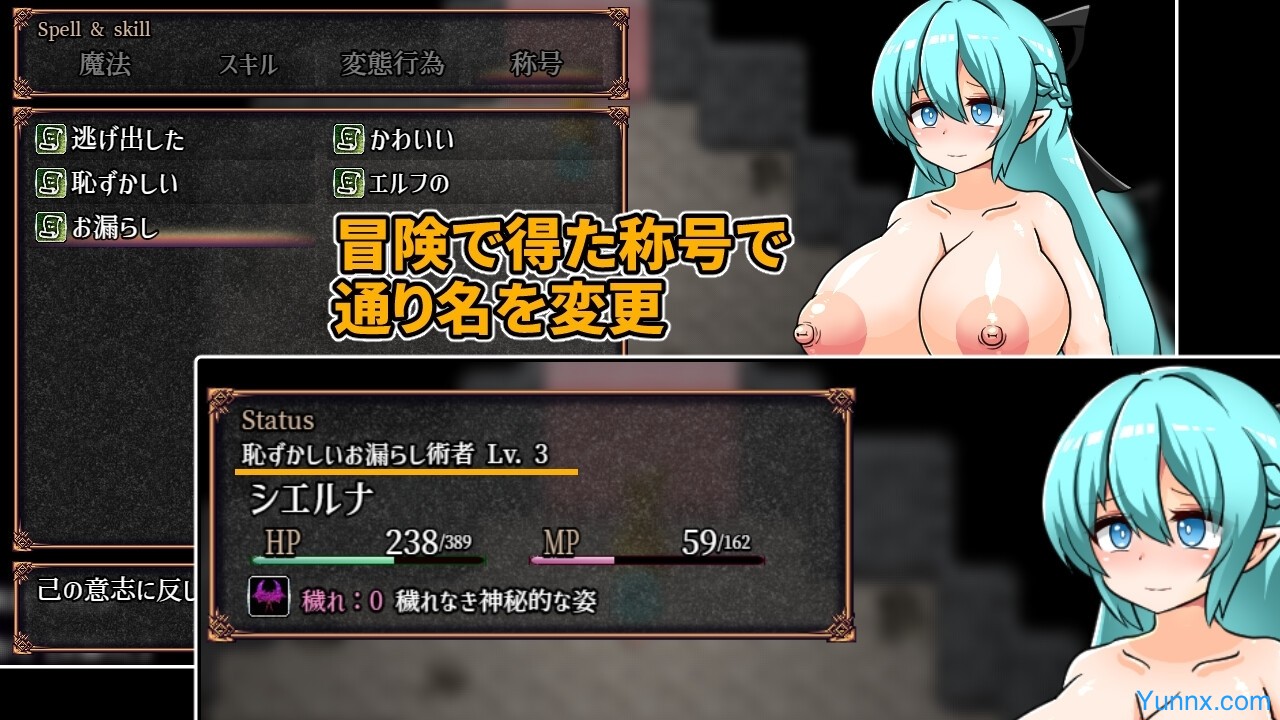
2. Skill trees center on overcoming the curse and labyrinth threats: branches include "Filth Resistance" (reducing hazard damage), "Unseen Movement" (silent takedowns, extended stealth duration), and "Fragmented Memory" (unlocking backstory scenes and dialogue options with perceived entities as sanity fluctuates).
3. Mature themes are woven into narrative and environment, exploring the elf’s traumatic past within the originating labyrinth through optional, context-sensitive interactions that reveal character motivation and curse lore, ensuring adult content serves story depth and world-building rather than gratuity, with player choices influencing multiple endings tied to her psychological state and discoveries.