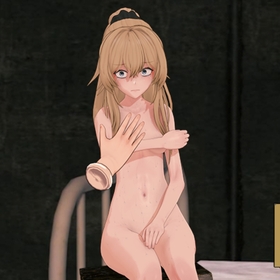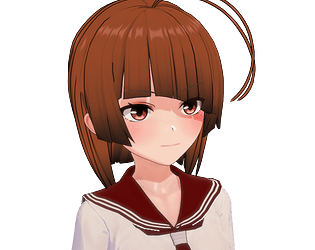




You're the bartender of a yacht full of beauty-pageant contestants when a storm smashes everything into the South Pacific. The ship goes down, your captain brother doesn't make it, and you wash ashore with a handful of survivors — all of them "Miss World" hopefuls. What follows is an active first-person adventure: explore the island, scavenge for survival, solve puzzles, run a beach bar, fish the reefs, and navigate a web of romances where every woman has her own story, her own scars, and her own price for letting you close. Treasure hunts, mysteries, and fully animated intimate scenes await — if you can keep everyone alive long enough to find them.
Marooned With the Wrong (or Right) Crowd
1. The setup does more heavy lifting than the average adult VN bothers with. You aren't some blank self-insert dropped into a harem — you're the guy who was mixing drinks three decks below when the wave hit. The survivors are exclusively the pageant girls and you; your brother, the ship's captain, is gone. That grief sits under the whole game, coloring how the women lean on you and how you lean back. The island isn't just a pretty backdrop; it's the thing that isolates you from the world that knew you.
2. Atmosphere is the game's quiet strength. South Pacific visual language — turquoise water, palm canopy, volcanic rock, that specific golden-hour light that makes everything look expensive — rendered in 2D with a painterly touch. The UI leans into the vacation-log vibe: journal entries, sketched maps, a task tracker that feels like a survivor's notebook rather than a spreadsheet. You believe you're stranded because the game wants you to feel the luxury and the trap of it simultaneously.
3. The "mysteries" part of the pitch isn't fluff. The island has ruins, strange markers, and hints that the pageant charter wasn't random — there's a thread about why this specific group ended up on this specific shore, and it unfolds across multiple character arcs. You're not just surviving; you're piecing together why the storm felt too precise, why some girls remember things they shouldn't, and what's buried inland past the waterfall caves.
Active Gameplay — Click, Explore, Survive, Repeat
1. This isn't a kinetic novel with occasional choices. It's a click-to-interact adventure with genuine systems. You explore the island in screens, highlight-object style — click the driftwood, the fruit cluster, the odd carving, the girl sitting on the rocks. The upper-right corner keeps a task hint active so you're never totally lost, but the joy is in poking corners the hint doesn't mention. Missable shells, hidden tide-pool paths, a half-buried chest that only appears at low tide.
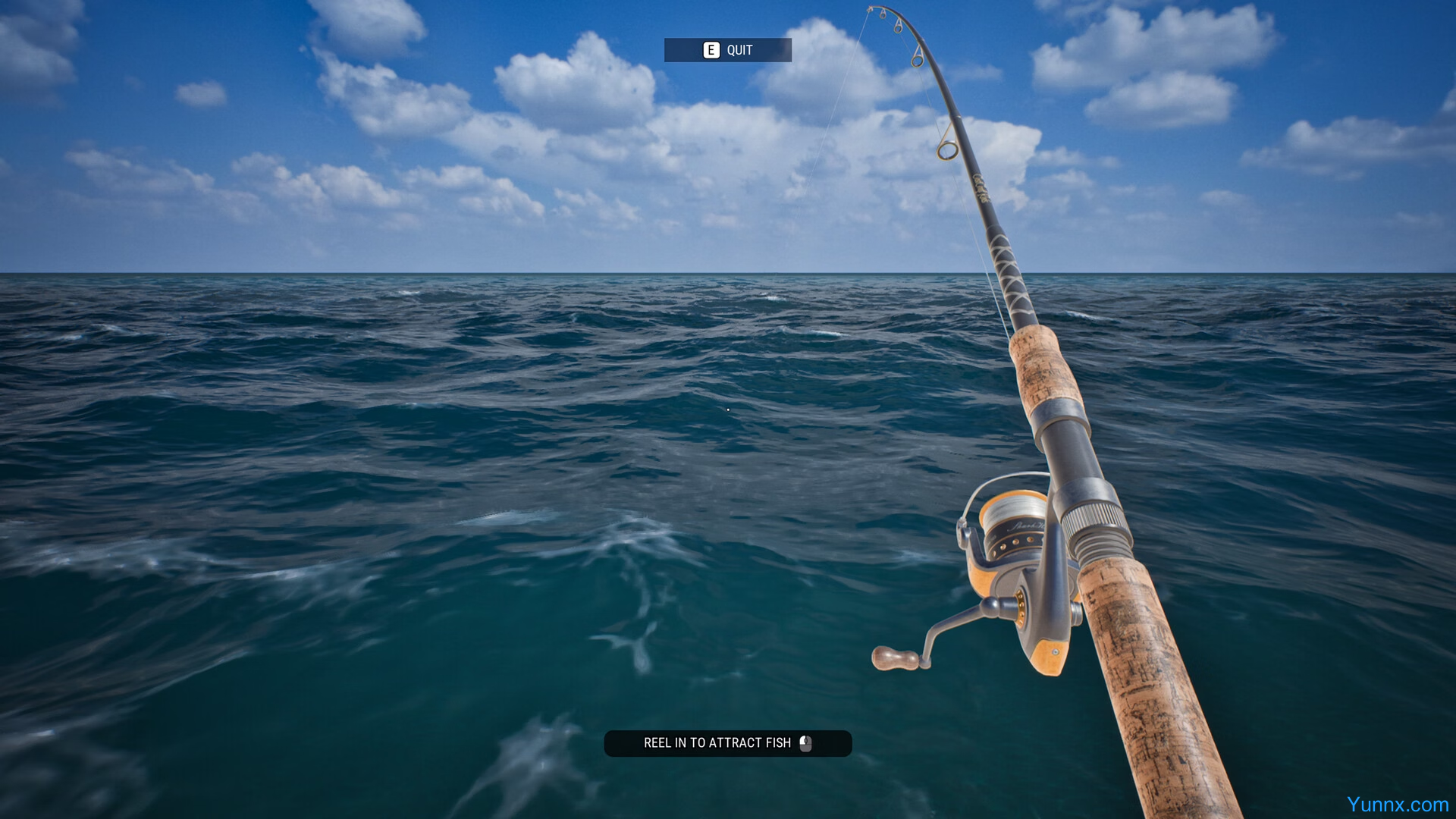
2. Mini-games and side loops give the days structure. Fishing in the lagoon (different spots yield different species, some tied to quest unlocks). Running a beach-bar side operation — mixing drinks for the girls, managing ingredients, earning favor through service as much as words. Painting/illustration minigame where you sketch the women and the scenery (doubles as a gallery/progression tracker). Jigsaw puzzles tied to map fragments and relic reconstruction. None of it overstays its welcome; each loop feeds back into character progression or survival meters.
3. The "treasure-hunting" backbone connects it all. Ancient caches, smuggler drops, the pageant girls' own lost luggage with valuables that become barter or gifts, and eventually the deeper island secret that explains the wreck. Exploration rewards curiosity — the players who treat it like a scavenger hunt get the densest content, while those who only follow the task log will finish but miss half the character moments hidden in optional encounters.
Romance, Character Arcs, and the Fully Animated Payoff
1. Over a dozen women, each with a distinct personality, backstory, and desire profile — not reskins with different hair. The pageant framing gives them built-in contrasts: the veteran competitor carrying the weight of three failed tries, the rookie who joined on a dare, the one who was using the trip to disappear from a fiancé back home, the fierce one who blames you for the crash before softening. The writing avoids the "they're all into you immediately" trap by making affection something you earn through dialogue choices, gift preferences, and showing up to their optional activities.
2. Intimacy escalates through fully animated scenes, gated by how deep you've gotten into each woman's personal story. You don't unlock sex by clicking the right dialogue tree three times — you unlock it by unraveling what she's afraid of, what she left behind, what she wants the island to erase. The H-content is character-driven rather than menu-driven, which is why repeat players mention the scenes land harder than expected for a "beach romcom" setup. Consent, mood, and narrative context shift per character.
3. The "active gameplay" and "erotic adventure" halves reinforce each other. A yoga session on the sand with one girl, a night swim that turns into something heavier with another, a post-storm comfort scene in a lean-to, a candlelit bar-closing moment where the rum runs out and nobody leaves — the game uses the island's rhythms (dawn fishing, noon heat, dusk gatherings, midnight insomnia) to justify why and when intimacy happens. It feels located, not scheduled.