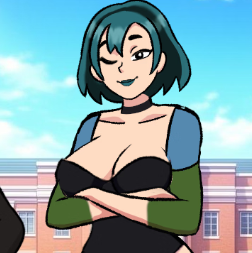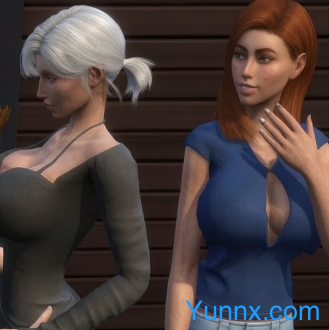

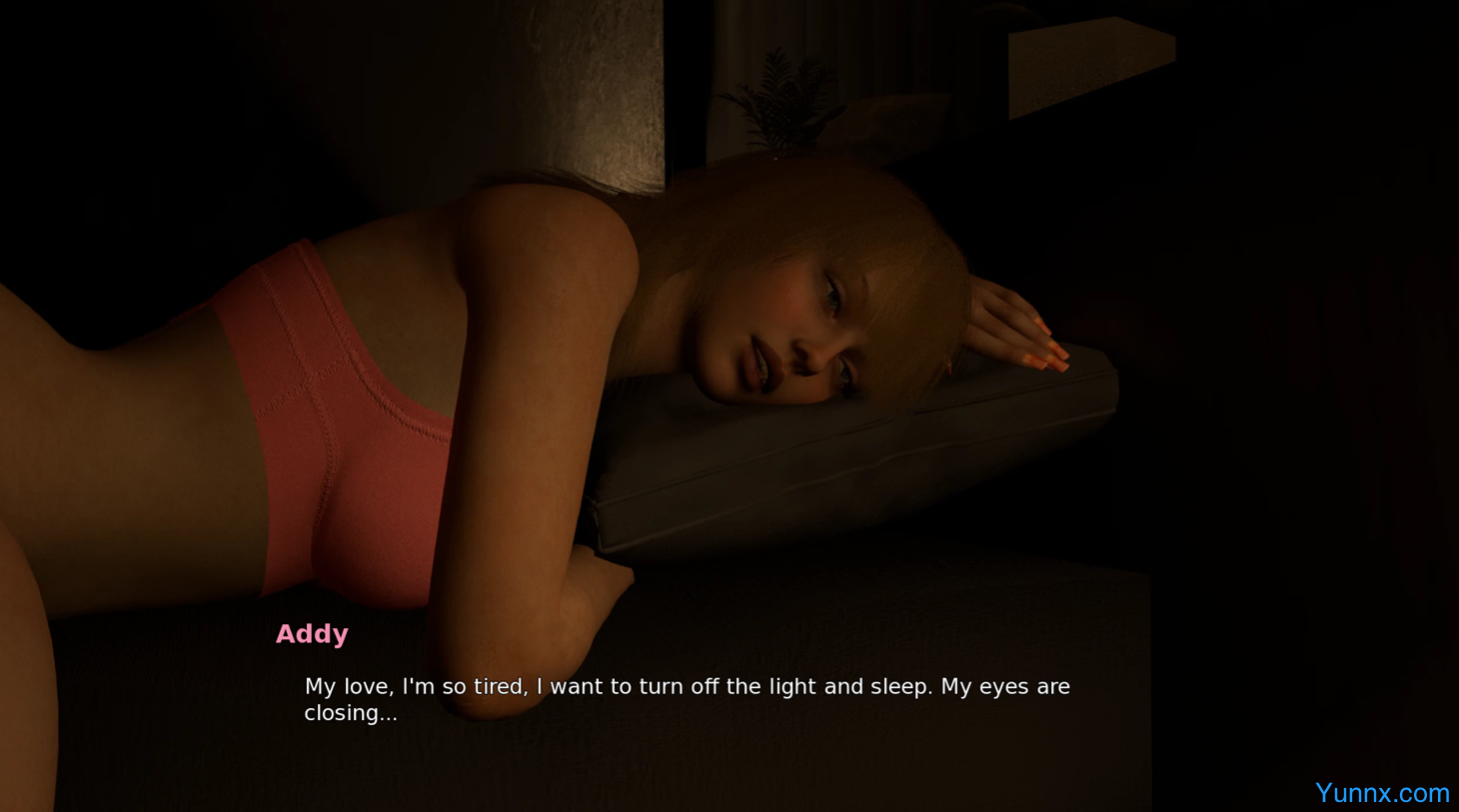
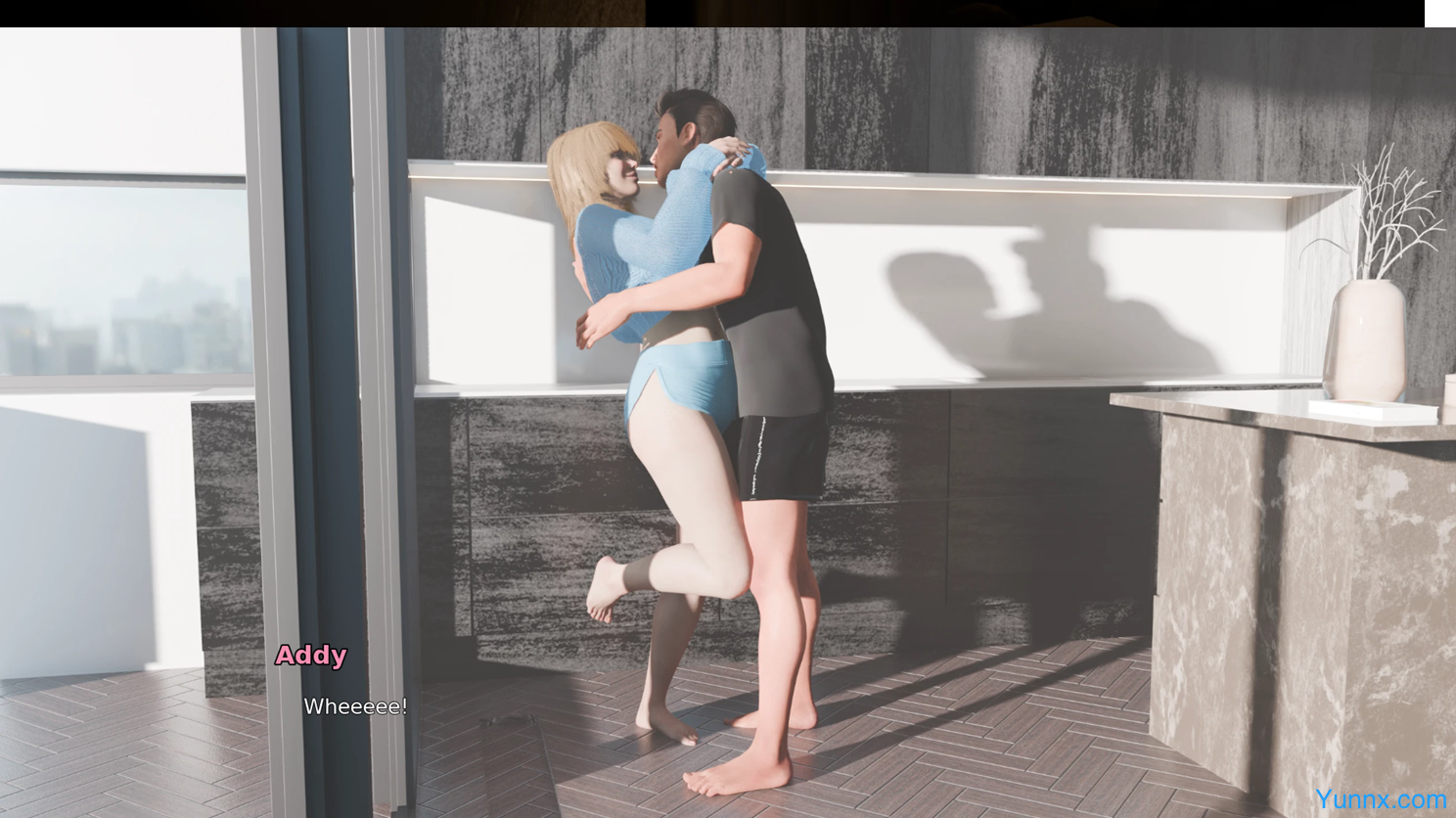



Daphne's been gone a year. Not a quiet disappearance—a tumultuous one, the kind people in town still lower their voices about when they think you aren't listening. Then she walks back into your life like the wreckage behind her is just luggage she's learned to carry. All of Them is an original indie visual novel that treats romance the way actual adult relationships work: layered, compromised, and tangled up in other people's business. You're not picking a route. You're stepping back into a situation that already started without you, and every choice you make pulls someone else deeper in—or cuts them loose.
The Year That Didn't Just Go Away
1. The setup wastes zero time pretending everything's fine once she crosses your threshold again. You know the version of Daphne the neighborhood remembers—loud laugh, sharper tongue, the girl who used to dare you into everything. What comes back wears the same face but carries herself like someone who stopped sleeping through the night somewhere along the way. The game opens in that uncomfortable middle ground between relief and dread: you're glad she's here, and you're terrified of why now.
2. What makes the writing click early is that the story doesn't dump her dark past on you in a single expository info-burst. It leaks. A flinch at a certain street name. A text notification she flips face-down before you can read it. A name she drops once, casually, then refuses to repeat when you ask. The "hidden truths" the tagline promises aren't mystery-box teases—they're structural. They sit under the floorboards of every scene, and the story trusts you to notice the boards creaking.
3. You're trying to rebuild what you lost with her, yeah. But All of Them makes sure you feel the other gravitational pull too: the people around you both who got used to her being gone, the half-formed lives everyone built in the gap year, and the uncomfortable fact that pulling Daphne back in means disturbing all of it. The title starts making its kind of sense fast—it's never just about one person. It's about the whole web.
Choice Architecture That Actually Hurts
1. This isn't a VN where you pick Dialogue Option A for Girl #1 and Dialogue Option B for Girl #2 like you're filling out a cafeteria tray. Choices here operate on overlapping loyalties. Comfort Daphne in the kitchen and you might shut out the friend who's been covering for both of you all year. Push her on what really happened and you get truth—but you might also watch whatever fragile trust you're rebuilding crack right down the center. There's almost always a cost visible in the moment, and the game is honest about showing you which bridge you just lit on fire.
2. The choice system tracks what the script calls emotional debt—not a meter you see ticking on a HUD, but a set of flags and relational states that quietly reroute scenes three chapters later. People remember what you said. They remember what you didn't say. A character you brushed off in Act 1 can show up in Act 3 with an entirely different posture toward you because of it, and the writing sells it so well you'll catch yourself wishing you could undo a throwaway line from four hours ago.
3. Routes don't split clean like train tracks. They braid. You can be romancing—or reconnecting with—Daphne and keeping someone else close and lying to a third party who thinks you're on their side, and the narrative holds all those plates spinning until the point where gravity takes over and something has to break. That's where the "life-altering" part of the pitch stops sounding like marketing and starts feeling like the thing actually happening to you onscreen.
The Relationships—Romance, Guilt, and the Cast That Comes With the Territory
1. Daphne's the heartbeat, but she's not the only one. All of Them earns its title by populating your orbit with people who have their own claims on you—old friends who stepped up when you were drowning without her, someone new who made the year bearable, family members holding grudges they'll frame as "concern for your wellbeing." The romantic tension isn't confined to one subplot; it bleeds across alliances, late-night conversations, and the moments where comfort turns into something heavier because neither of you wants to be alone with your thoughts tonight.
2. The 18+ content—when it lands—lands because the emotional groundwork is already there. This isn't cutscene-to-cutscene skin. Intimacy escalates out of exhaustion, reconciliation, bad ideas made at 2AM, quiet mornings-after where nobody quite knows what to say yet, and the specific kind of vulnerability that only exists between two people who've hurt each other and are trying not to anymore. The game treats adult romance like adults actually live it: messy, reciprocal, sometimes desperate, sometimes achingly tender, always carrying consequences.
3. What players tend to mention after a full run is that the real gut-punch isn't any single revelation about Daphne's past—it's realizing how your own choices shaped who survived the fallout and who didn't. The "multiple choice, rich character development, interactive paths" line from the elevator pitch sounds standard on paper. In practice, the game weights those interactions so you walk away asking yourself if "protect the ones you love" was ever a promise you could keep without sacrificing someone else to do it.