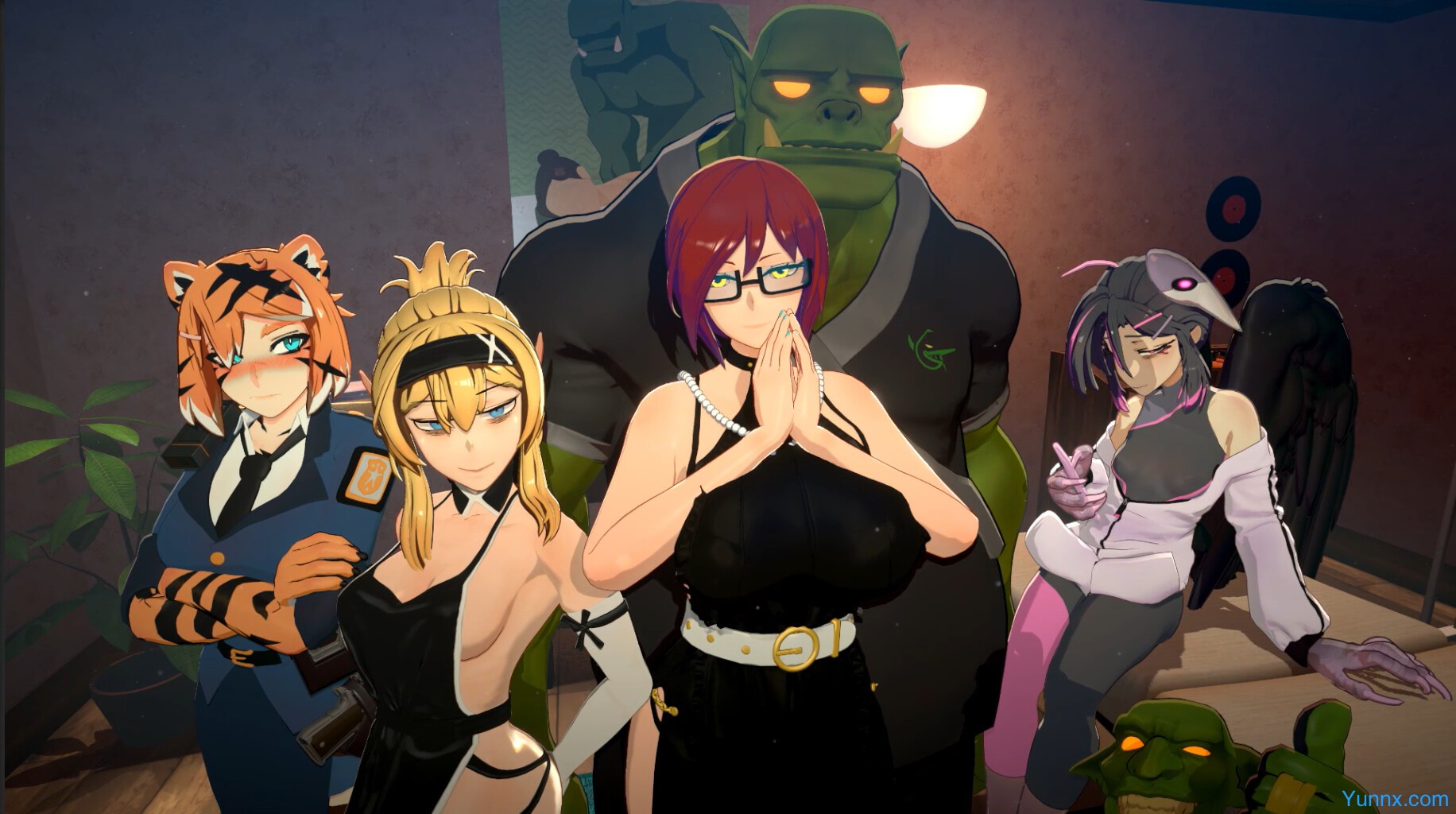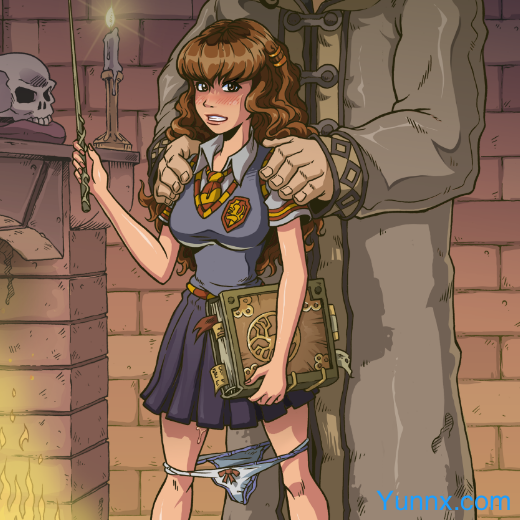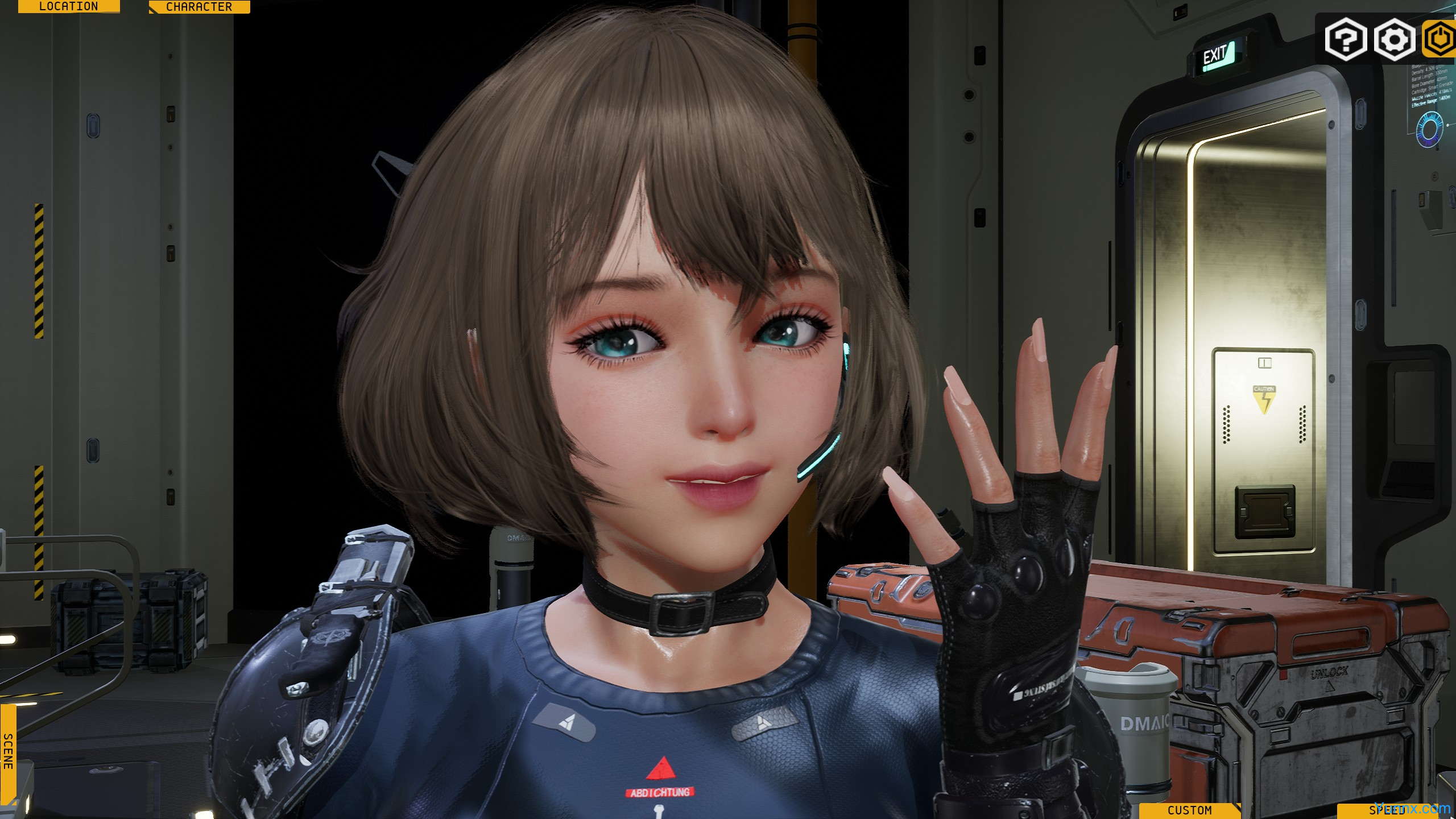
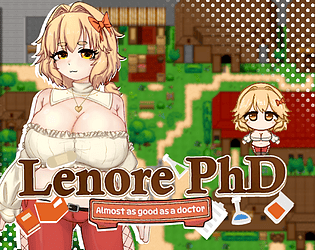
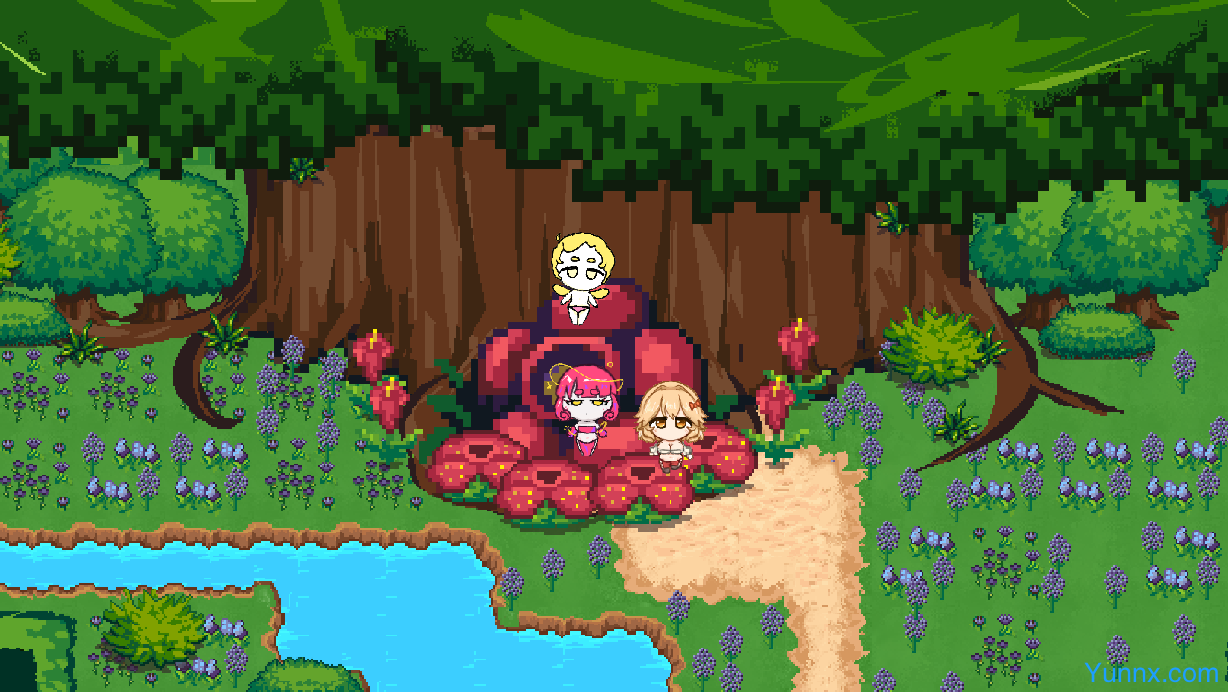
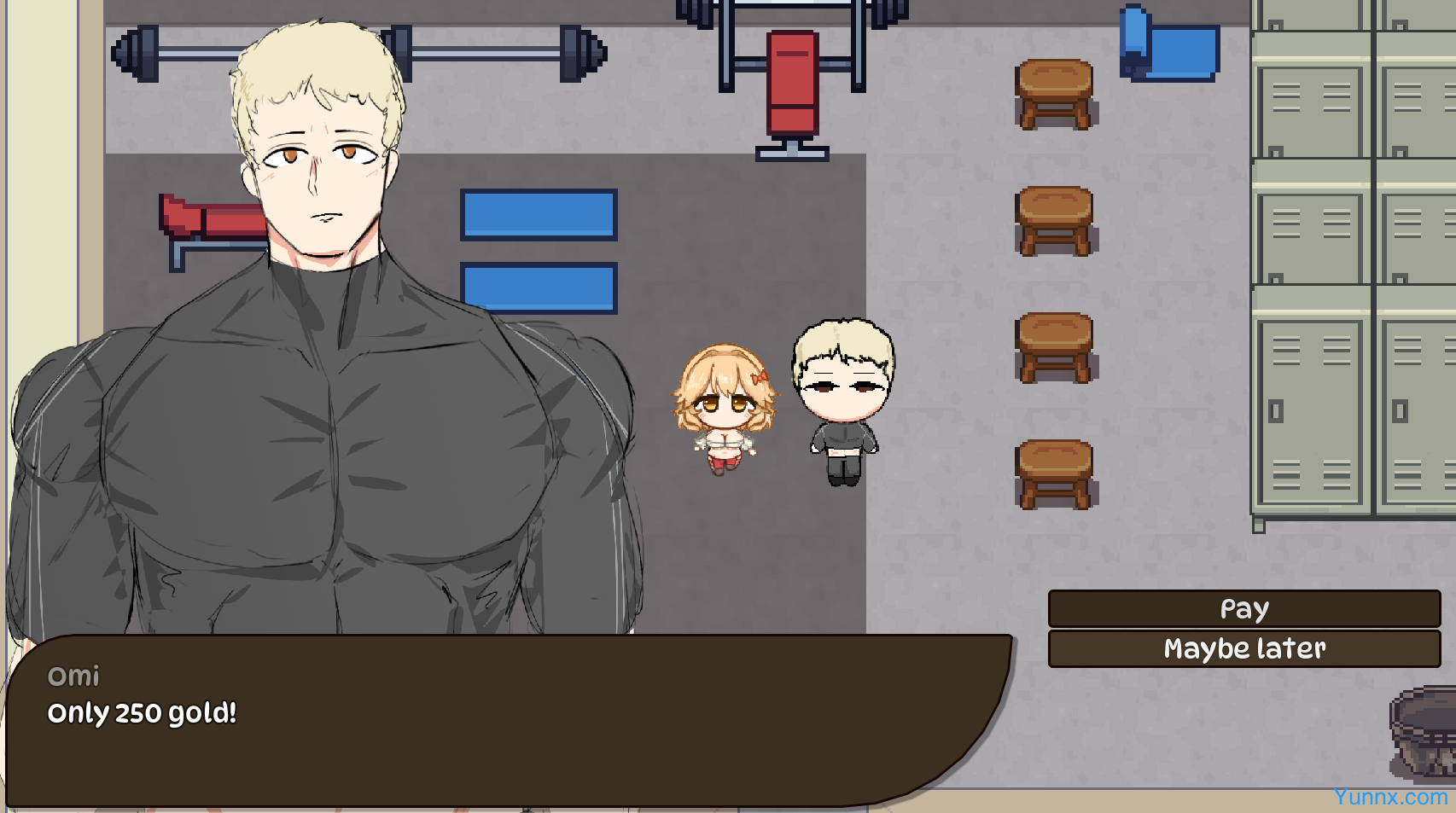
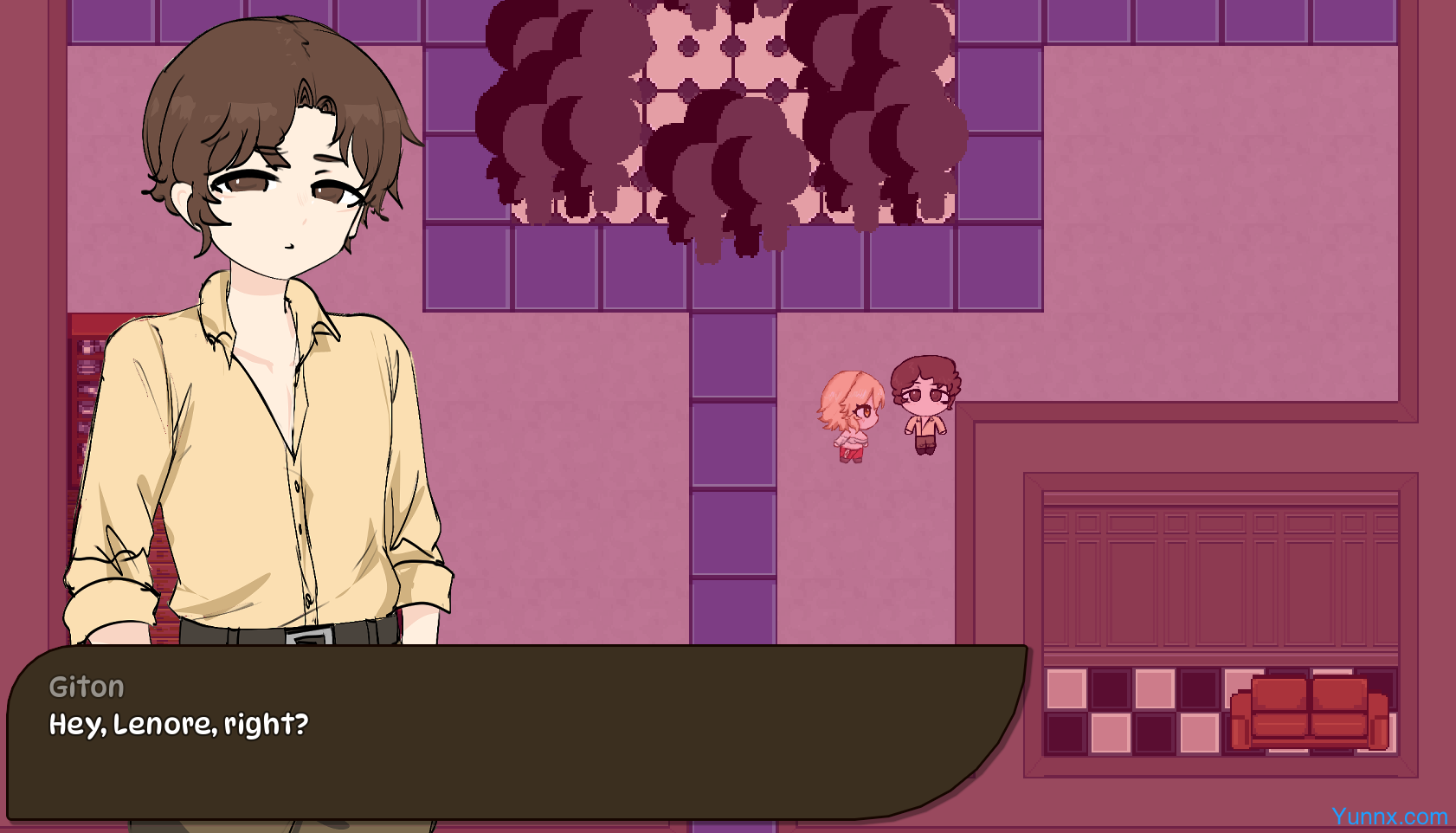
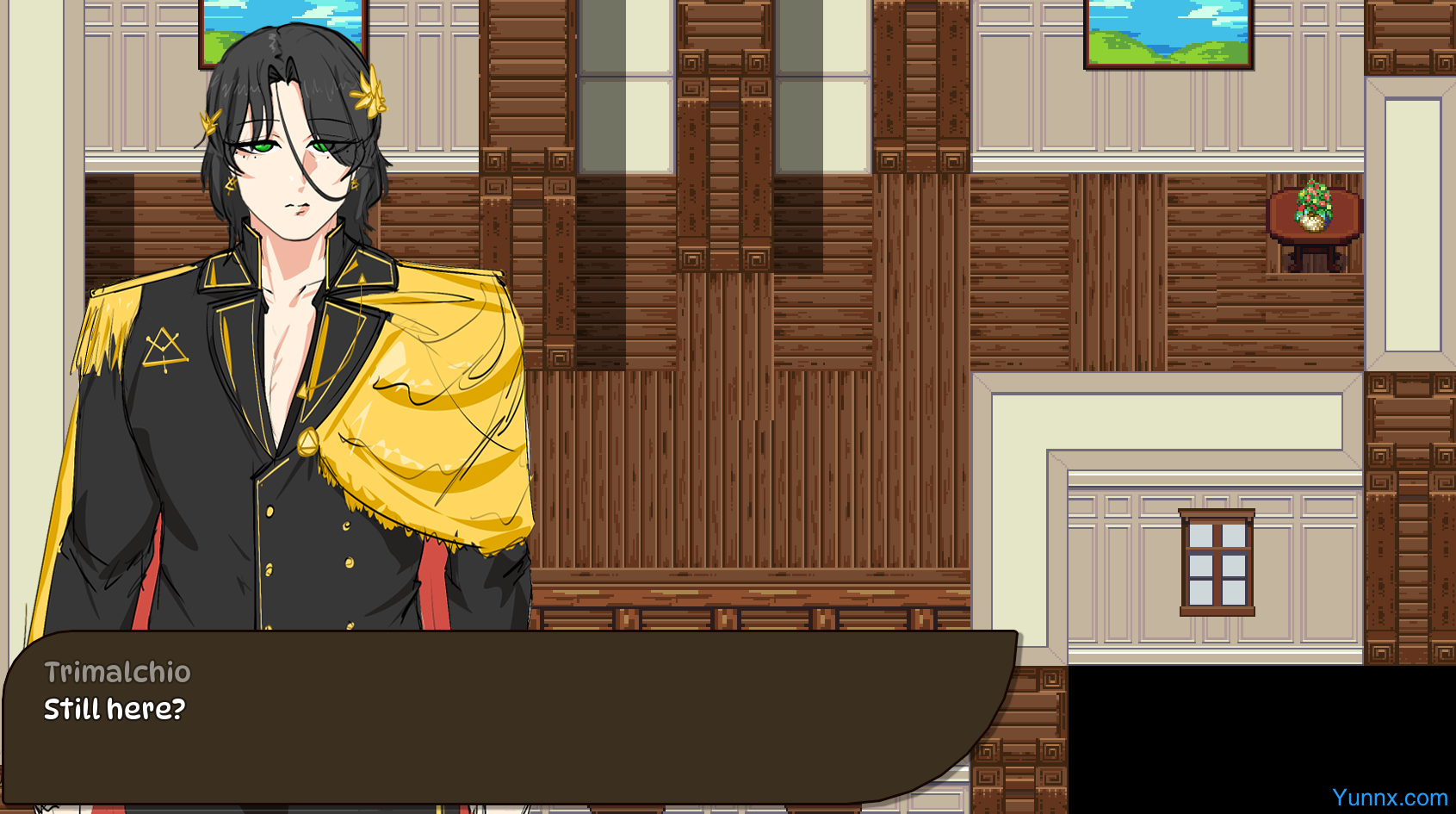
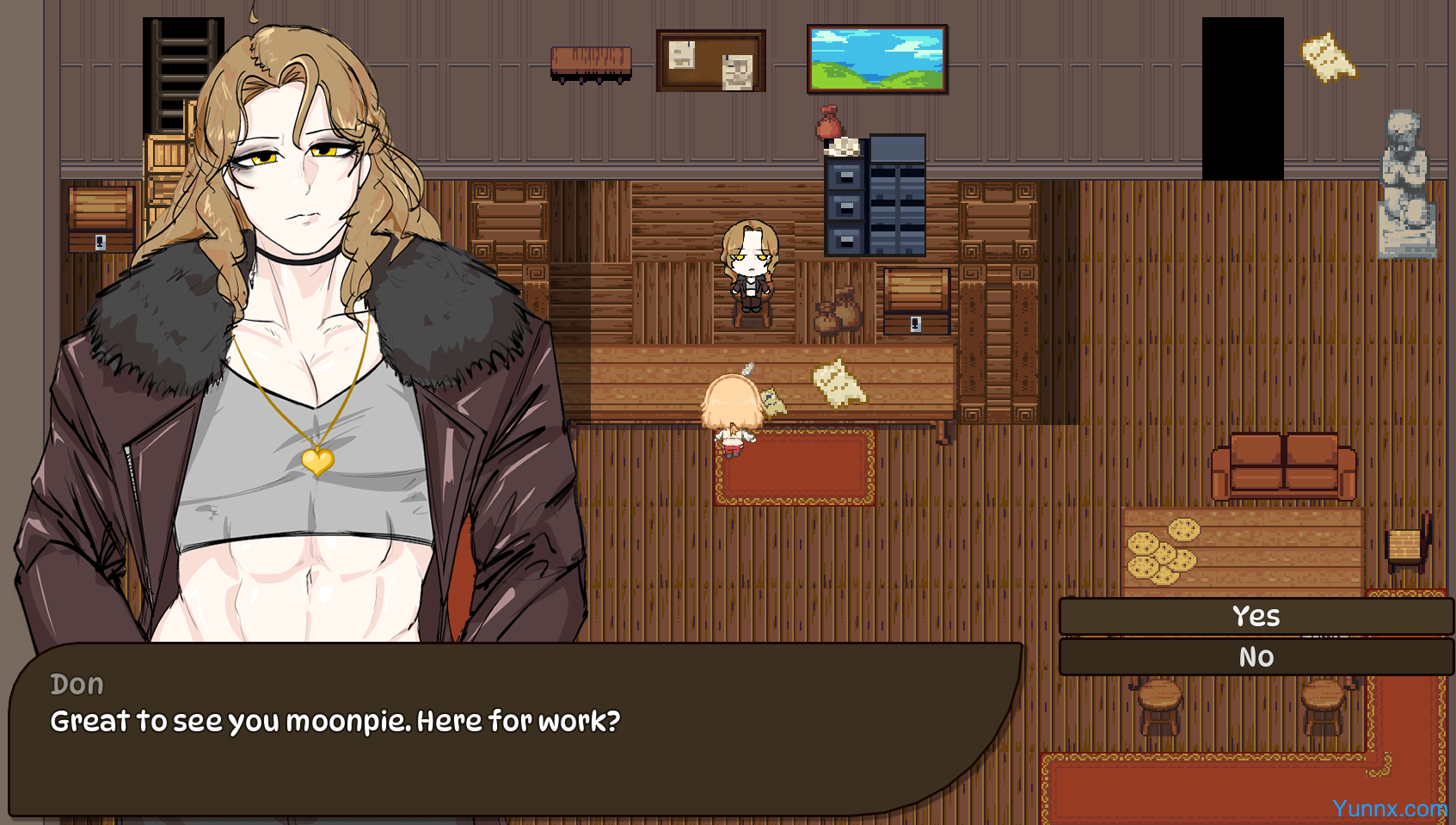
A clumsy move, a fresh start in a quiet town that isn't as safe as it looks, and a stack of debt that shows up faster than the furniture. Lenore PhD drops you into the shoes of Lenore — broke, out of her depth, and completely incapable of fighting back — so survival isn't a "get stronger and kill everything" arc; it's a slow, nerve-wracking management game where you barter time, dignity, and favors just to keep the roof on. Beneath the odd jobs and the clinic shifts, something darker than debt is clearly breathing down her neck — and the town's warmth starts feeling a little calculated.
The Hook — No Magic, No Sword, No "Hero" Arc
1. The core identity here is what the game denies you on purpose: Lenore literally cannot hurt people. No violence option, no hidden OP spell tree, no sudden awakening that flips the genre halfway through Chapter 1. That restriction rewires the whole experience. You stop thinking like an adventurer and start thinking like someone who has to stay useful so others keep her alive — healing, buffing, triaging followers mid-encounter, and keeping panic under control while everyone else trades blows.
2. Because she can't clear the way herself, the "combat" loop becomes a weirdly tense support puzzle. Enemies still block paths, patrols still ruin your day, and the screen is still a top-down RPG grid — but your toolkit is about survival logistics: patch allies up before morale/shields collapse, position them so they draw aggro you can't survive, and use the environment or enemy movement against itself. You're not playing against the enemies as much as you're playing around them, with your guys as both shields and bargaining chips.
3. That vulnerability is exactly why the 18+ tone works instead of feeling glued-on. When you can't brute-force a situation, pressure finds other outlets: someone demands payment you don't have, a guard looks the other way for a price, a follower hints that "protection" comes with expectations. The game nudges you into gray territory not with edge-lord flair but with a very ordinary, grinding problem — rent, food, medicine, supplies — and the creeping realization that saying no can be more dangerous than saying yes.
Making Ends Meet — Jobs, Reputation, and the Price of "Just One More Shift"
1. Day-to-day survival runs on a job rotation that actually changes how people see Lenore around town. Clinic work keeps her respectable — steady hands, soft reputation, a circle of "proper" clients who treat her like a professional — while tavern shifts put her in the thick of rumors, drunk confessions, and the kind of informal network that knows where trouble hides. Farming and errands fill gaps in coin, but they also tie her to locals whose kindness isn't always free of strings.
2. Then there's the option you take when the ledger leaves you no runway: selling her body isn't presented as a glamorous "secret route," it's presented as a debt-mechanic with social fallout. It accelerates cash flow, sure, but it rewrites reputation flags, changes who approaches you, who corners you, and which doors open without knocking. The game's smarter moments are in that trade-off — you fix tonight's crisis and quietly accept tomorrow's complication, because the game never pretends you can out-earn a bad start just by being virtuous and diligent.
3. Everything here is choice-tracked: who you helped, who you turned away, which job you normalized, how far you let desperation dictate the schedule. Those flags don't just gate lewd content — they alter dialogue tone, quest availability, and the way followers protect (or exploit) you when things spiral. Treat Lenore like a victim and the world coddles her while taking bites; treat her like a hustler and the town responds in kind — with better pay, worse company, and fewer safe exits.
Followers, Healing, and the Thing Breathing Down Her Neck
1. Your "party" are the ones who swing weapons, but they're not vending machines with swords — they have moods, limits, and their own reasons for sticking with a girl who can't defend herself. In combat you're operating on followers when they're injured (bandages, herbs, stabilization, maybe more arcane/clerical touches depending on build), which makes you feel essential without ever letting you feel dominant. If you misread an engagement and someone goes down, the safety net shrinks fast.
2. Exploration reinforces that "non-combat cunning" vibe: sometimes the win condition is luring enemies into each other, or into terrain/traps, or into a patrol collision that clears your lane without Lenore ever raising a hand. It's clever design, because it keeps the power fantasy muted — you're not humiliated by weakness; you're forced to be creative with it, which is a very different flavor of tension and fits the adult narrative where control is slippery, negotiated, and occasionally bought.
3. Behind the daily grind, the story drip-feeds that "worse than debt" line for a reason. Small coincidences pile up — why certain clients know too much, why the town's underworld seems a little too ready to extend credit, why the clinic sees injuries that don't match local wildlife. By the time Chapter 1 closes, the game makes it clear that Lenore didn't just wander into a cozy town; she wandered into a system that knows how to process someone exactly like her — and it's already started.