


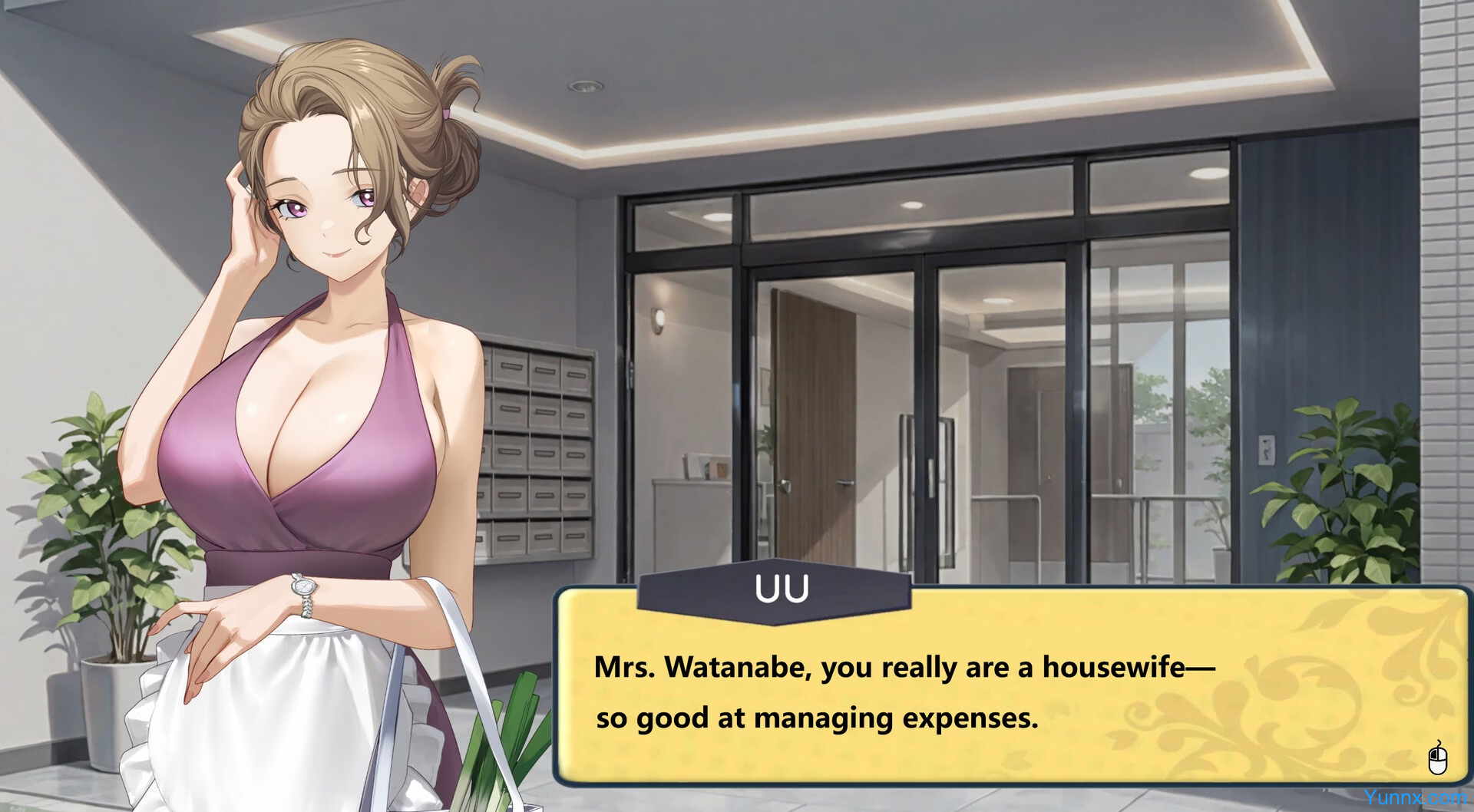
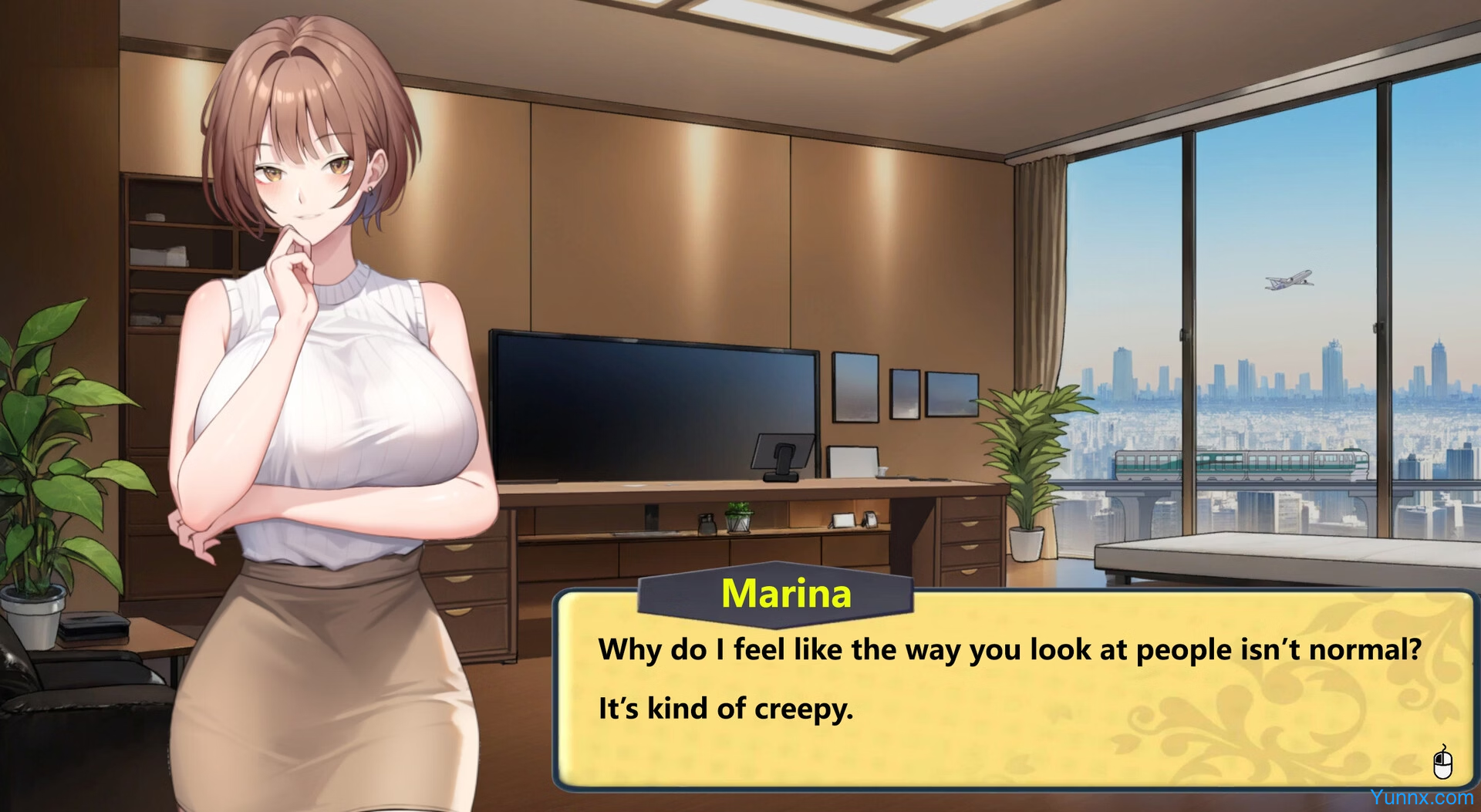
Yesterday you were another disposable cog in the corporate machine—chewed up, spat out, and replaced before your goodbye email finished sending. Today, a cryptic message from a long-lost uncle flips the script: he’s left you his company, his city, and a shot at a fortune so massive it rewrites your bloodline. The catch? Complete his “objectives.” They aren’t standard business metrics. They’re intense, indulgent, and demand a stamina you didn’t know you had. Welcome to Black Gold - Shining Town, where the only thing brighter than the skyline is the price of admission.
From Corporate Slave to City Master
1. The transition isn’t gradual. One morning you’re dodging HR layoffs and eating instant noodles over a laptop; the next, you’re standing in a penthouse office overlooking a skyline that answers to your surname. The company isn’t some struggling startup—it’s a cornerstone of Shining Town’s economy, with fingers in shipping, energy, and a dozen industries the locals only half-understand. You don’t just inherit assets. You inherit gravity. People rearrange their schedules around yours. The city feels different when you walk through it. Smaller. Obedient.
2. But the paperwork is… odd. The objectives aren’t “increase Q4 revenue” or “streamline logistics.” They’re personal. Specific. “Host a private reception for key stakeholders.” “Ensure the satisfaction of priority clients.” “Demonstrate leadership resilience during high-pressure evaluations.” The phrasing is clinical, but the subtext is written in neon. Your uncle didn’t build an empire through boardroom meetings alone, and he’s not trusting you to either.
3. The power rush is immediate and addictive. You fire the middle manager who made your old life hell. You approve budgets that would’ve funded your entire department for a year. You walk into rooms and watch conversations pause. But underneath the high, there’s a persistent itch: none of this came free. The objectives aren’t suggestions. They’re milestones. And the deeper you get, the more the line between “running a company” and “performing for an audience” starts to blur.
The Objectives — Where Business Meets Indulgence
1. The tasks escalate in layers. Early ones are plausible: negotiate a merger, oversee a product launch, handle a PR crisis. Manageable. Then they shift. “Coordinate a private tour of the facilities for visiting delegates.” “Lead a closed-door strategy session with select partners.” “Ensure the evening concludes to everyone’s complete satisfaction.” The language stays professional. The expectations do not. You’re not just making decisions—you’re being evaluated on delivery, composure, and how well you handle pressure when the stakes stop being theoretical.
2. Stamina becomes a metric. Not just physical—though there’s plenty of that—but mental endurance. Back-to-back meetings that run late into the night. Dinners where you’re expected to be charming, persuasive, and unflappable while the wine flows and the topics drift into territories your old HR handbook would’ve banned. The game tracks your performance through subtle flags: did you maintain control? Did you meet the objective’s “quality standards”? Did you leave the room looking like someone who belongs in charge?
3. The indulgent edge isn’t a gimmick—it’s the core mechanic. Success in Shining Town requires mastering the art of the deal and the art of the after-hours arrangement. Refuse the objectives, and the inheritance stays locked. Lean in, and you unlock new tiers of influence, new districts of the city, and new levels of access to people who don’t just want your signature—they want your attention. The game makes it clear: you’re not playing CEO. You’re playing sovereign.
Shining Town — A City That Runs on Black Gold
1. The setting is its own character. Shining Town isn’t a generic metropolis—it’s a place built on a resource everyone calls “black gold,” a substance that fuels industry, politics, and the particular kind of luxury that makes people forget their morals. The city gleams at night, but the shine is synthetic, powered by deals made in basements and back rooms. You see it clearly now. The skyline isn’t a view. It’s a scoreboard.
2. The citizens adapt to you. Shopkeepers remember your name. Security details adjust their routes. Influential figures start inviting you to events that aren’t on any public calendar. Some want your favor. Some want your downfall. Most want both, depending on the hour. Navigating this web requires more than business acumen—it requires reading people, anticipating moves, and knowing when a handshake is a threat and when a threat is a compliment.
3. Your uncle’s legacy isn’t just wealth. It’s a system. A machine. And you’re the new component being tested for fit. The more objectives you complete, the more the city reveals itself—not just its secrets, but its dependencies. You start to see how the black gold flows, who it enriches, and who it destroys. By the time you realize you’re not just inheriting the town—you’re being absorbed by it—the question isn’t whether you’ll finish the objectives. It’s whether you’ll still recognize yourself when you do.
The Inheritance — And What It Costs
1. Multiple paths branch from how you handle the pressure. Play it straight and you build a legitimate empire—respected, feared, but clean enough to pass regulatory audits. Play it indulgent and you become something else entirely: a figurehead of excess, worshipped and resented in equal measure, with a personal life that’s a matter of public record and private fantasy. The game doesn’t judge. It just tallies the results.
2. Relationships shift based on your choices. Allies become liabilities. Rivals become partners. The woman who runs your legal department starts looking at you differently after you close a deal that should’ve been impossible. The city councilor who opposed you at the last meeting now requests private consultations. Everyone wants a piece—of the company, of the city, of you. Managing them is part of the job.
3. The final objective looms over everything. It’s not a task. It’s a threshold. Cross it, and the inheritance is yours in full—money, power, the whole city. Fail, and you lose it all, walking away with nothing but the memory of what you briefly owned. The uncle’s email didn’t specify what happens if you refuse to play. Maybe that’s the last test. Or maybe the city already decided for you the moment you clicked “accept.”