




Humanity’s last line isn’t a hero—it’s a batch of recon clones sent into the ruins. Earth is broken, quiet, and heavily armed. You take position, watch the dark, and shoot first when the void things stir. Stay sharp, burn ammo wisely, and push deeper until the way home is something you can actually reach.
Ruined Earth, Unseen Threats
1. The surface looks empty at first, like a place that just ran out of people. Cracked pavement, half-collapsed blocks, and long sightlines make movement feel safe—right until the shadows twitch and a shape slides through where geometry shouldn’t allow it.
2. You’re not here to “explore” for curiosity. Command sent recon clones because satellites stopped answering and patrols stopped returning. The job is simple: confirm what’s alive, what’s dead, and what’s worse than either, then report before the relay dies.
3. That “worse” has a pattern. Void creatures don’t announce themselves with roars; they wait along routes you assumed were clear, then spill out in bursts that punish slow triggers and worse aim. The planet isn’t just ruined—it’s actively hostile in ways the old maps never prepared you for.
Clone Operations and Field Pressure
1. You’re not a single legendary soldier with infinite plot armor. You’re a unit cycling through dispatches, each one expected to hold a sector long enough for data to matter. That pressure changes how you play: fewer “hero moments,” more “did I check that alley corner?”
2. Ammo is the real clock. Magazines feel generous until a pack hits from two sides and your reload rhythm slips. You learn to treat corners like appointments—arrive early, scan, confirm target, fire. Waste a burst on a shadow and you’ll feel it three sectors later.
3. The recon frame also means information is part of the weapon. Marking spawn paths, remembering which gaps hide movement, and choosing when to push versus when to hunker down often matters more than raw DPS. Survival here is a habit, not a lucky streak.
Weapons, Positioning, and “Annihilate”
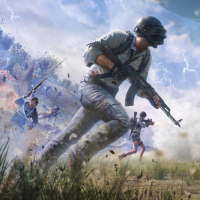
1. “Take up your weapons and annihilate the enemy” isn’t hype—it’s doctrine. You’ll rotate tools for different ranges and threats: something tight and controllable for corridors, something heavier when the void brings bigger bodies that eat small-caliber fire and keep coming.
2. Elevation wins fights you didn’t see coming. A stair landing, a broken mezzanine, even a rusted truck bed can turn a swarm into a manageable chokepoint. The trick is recognizing when a position is strong because it’s covered—and when it’s a trap because it’s surrounded.
3. Annihilation isn’t about style; it’s about stopping momentum. If the enemy surge rolls past a certain point, your choices collapse to “last stand” or “fall back and lose ground.” Clean, decisive fire under pressure is what keeps the mission from becoming a memorial.