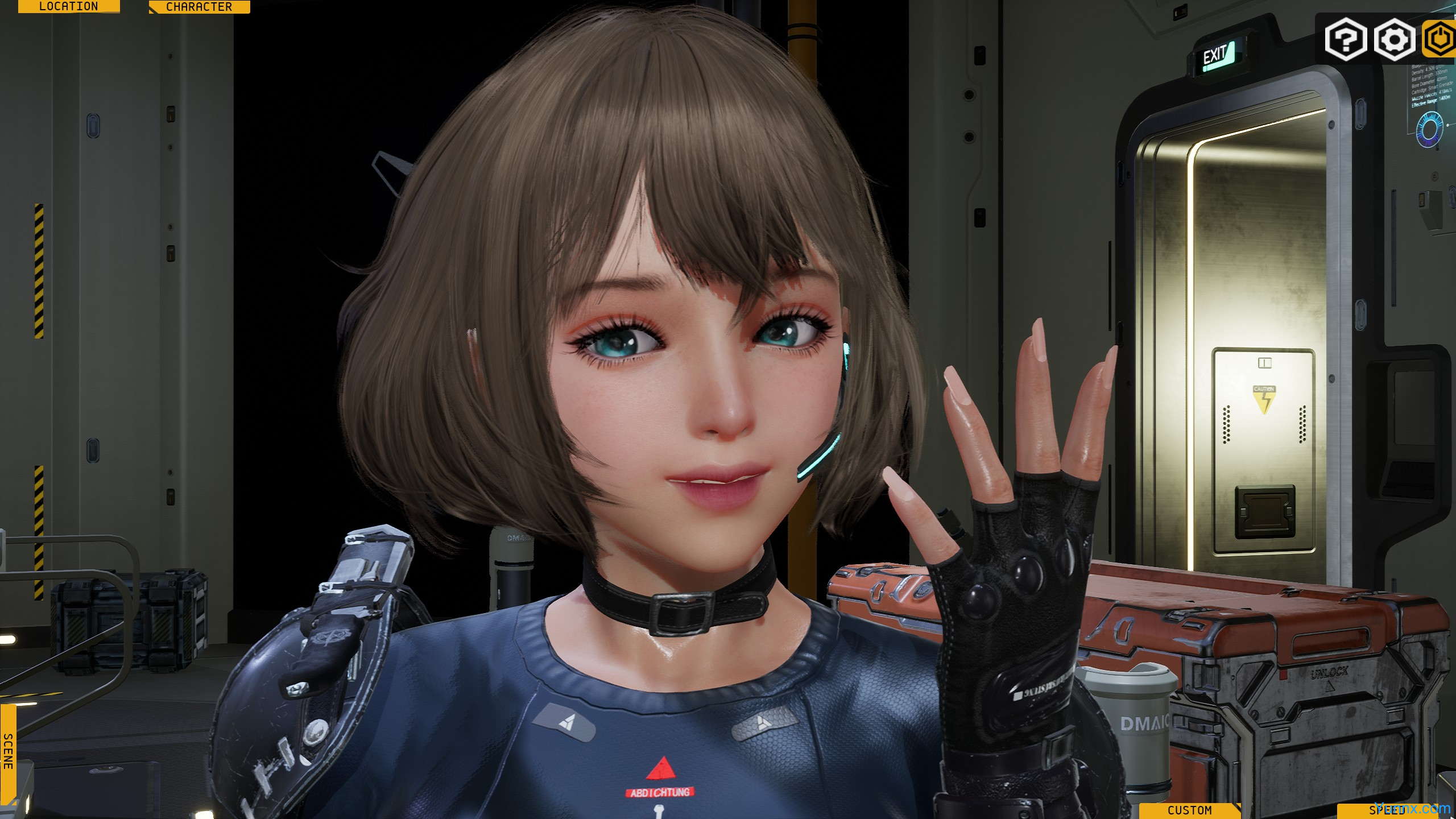









Deconstruction of Emily is a morally complex adult visual novel where players assume the role of a manipulative friend exploiting Emily’s vulnerability. Through calculated choices, guide her descent from innocence to ruin, embracing corruption with zero "good" pathways—only ruthless ambition drives the narrative forward.
Narrative-Driven Moral Corruption
1. Ethically Charged Storytelling: Set against the backdrop of a fractured workplace friendship, the game challenges players to exploit Emily’s trust and naivety. Each decision, from subtle betrayal to outright sabotage, accelerates her unraveling.
2. No Redemption Arcs: Unlike typical visual novels, Deconstruction of Emily rejects moral ambiguity. Players must confront irreversible consequences as Emily’s life spirals, with every action deepening her despair and your own complicity.
3. Dynamics of Power Imbalance: The relationship between protagonist and Emily is meticulously designed. Her loyalty and desperation are weaponized, mirroring real-world dynamics of manipulation, creating an unsettling emotional core.
Player Agency and Unyielding Consequences
1. Branching Downfall: Choices ripple across multiple narrative threads, determining how Emily’s corruption manifests—whether through psychological collapse, criminal acts, or societal rejection. The path is yours, but the end is always dark.
2. Systemic Impact Tracking: A hidden metric quantifies Emily’s psychological state and your moral decay. Progress indicators warn of no回头路, emphasizing that even minor decisions amplify her suffering and your culpability.
3. No Safe Choices: The game deliberately subverts traditional "win conditions." There are no "good endings"—only varying degrees of Emily’s degradation, forcing players to grapple with their complicity.
Immersive Psychological Depth
1. Emily’s Humanity on Display: Her character arc is rendered with disturbing nuance. Flashbacks and fragmented dialogues reveal her inner struggles, heightening the moral weight of the player’s exploitation.
2. Adult Themes with Purpose: The game’s mature content—graphic emotional distress, workplace toxicity, and existential decay—is woven into the narrative fabric, avoiding gratuitousness to focus on psychological unraveling.
3. Ambient Tone Design: Haunting soundscapes and stylized visuals mirror Emily’s declining mental state. The aesthetic evolves from warm, pastel tones to bleak grays as corruption progresses, amplifying player unease.