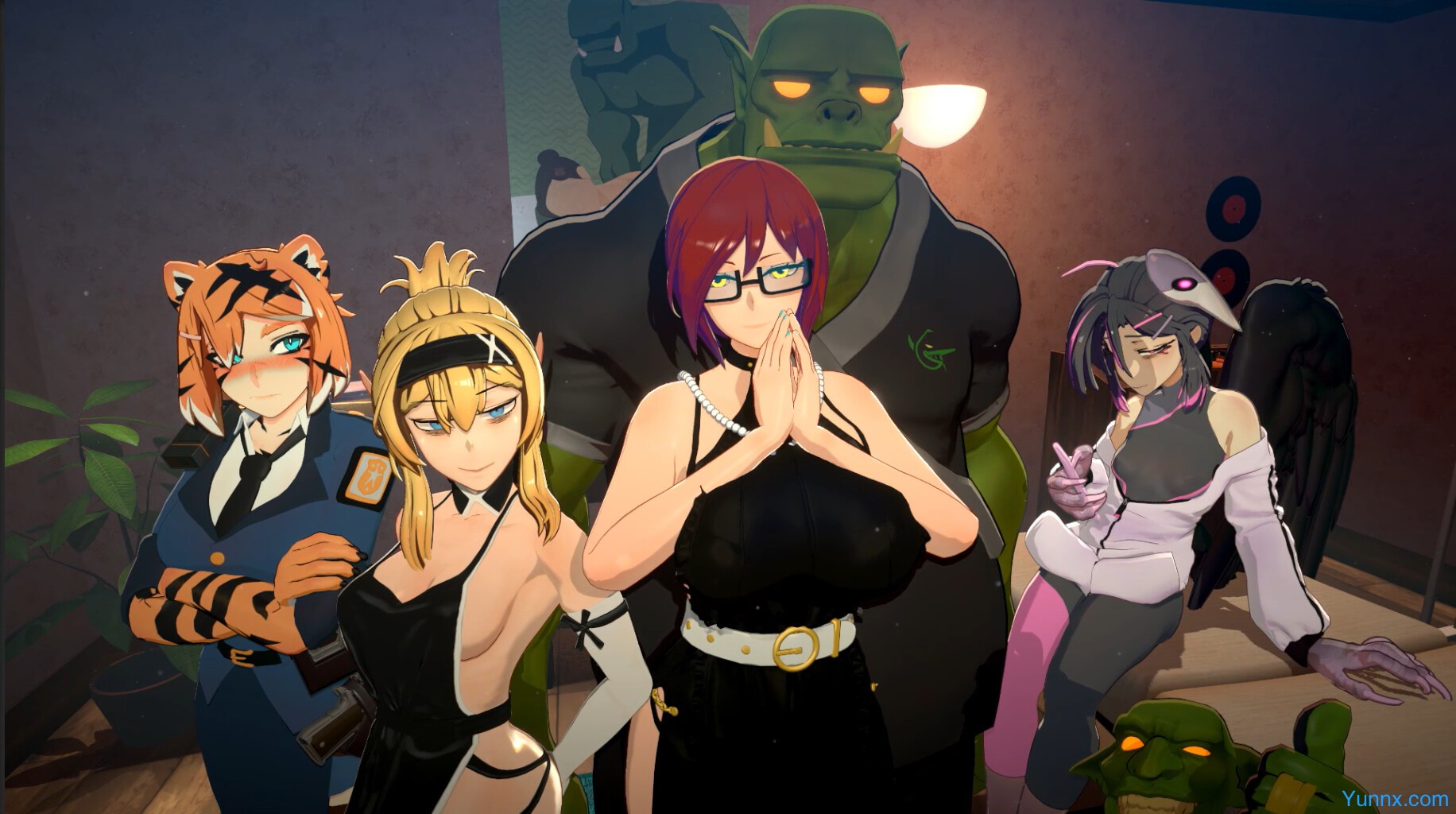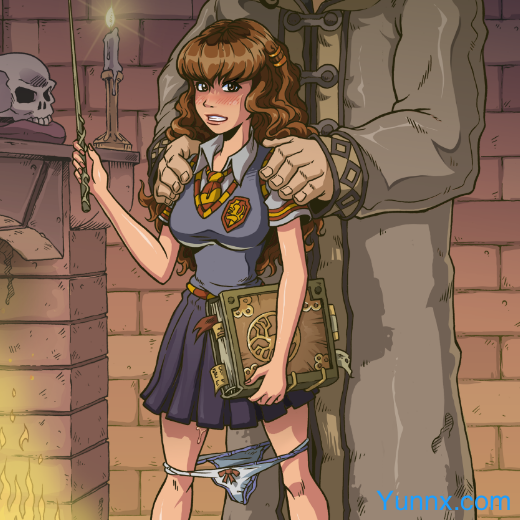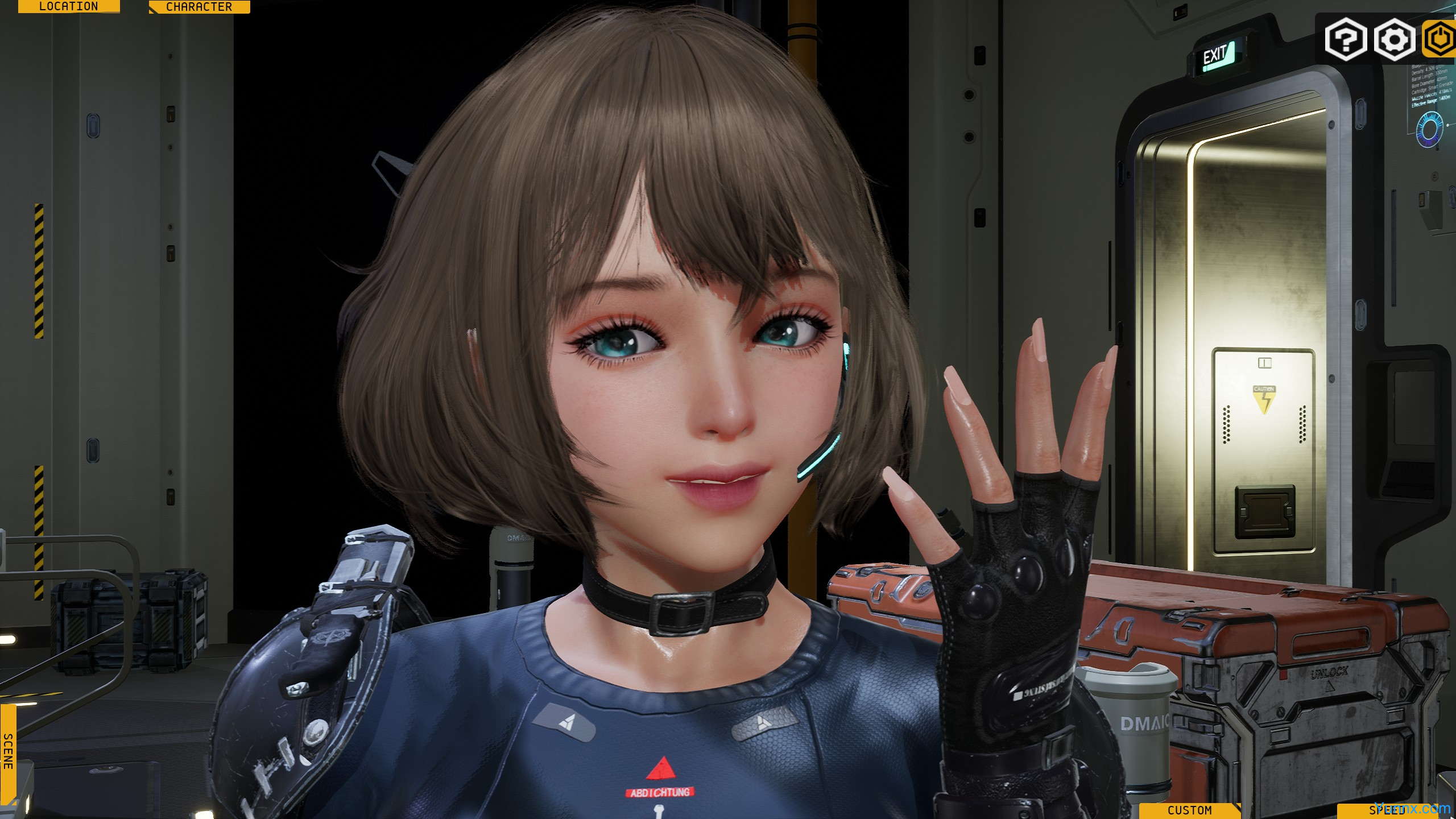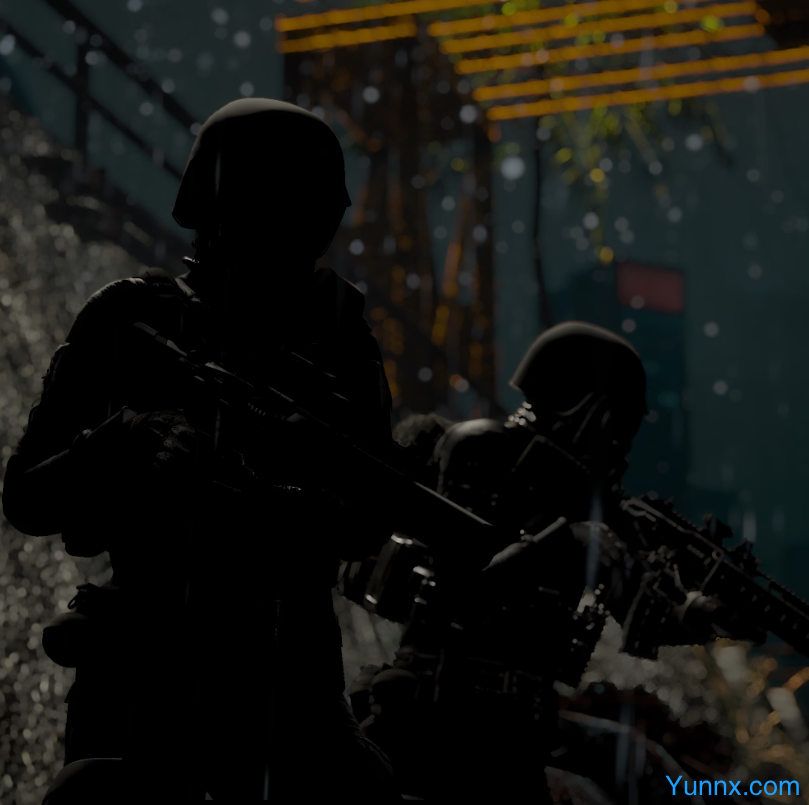







Endtime Desire plunges you into the heart of a shattered city, where survival is a daily gamble against the undead and the living alike. You are Luke, a survivor navigating the ruins, tasked with managing scarce resources, forging uneasy alliances, and confronting the brutal realities of a collapsed world. This story-driven experience masterfully intertwines tense survival gameplay with a mature, emotionally charged narrative where bonds are fragile, trust is a luxury, and the looming specter of NTR (Netorare) is an unavoidable truth of life in the apocalypse.
A World of Ruin and Relentless Struggle
1. The game builds upon the profound and enduring allure of the post-apocalyptic genre, where civilization's end serves as a blank canvas for exploring raw human nature. As Luke, you don't just fight zombies; you grapple with the basic, crushing instincts of survival—scavenging for food and water, seeking safe shelter, and navigating a social landscape where old rules are dead and new ones are written in blood and betrayal[^1][^9]. This setting is more than a backdrop; it's an active character that constantly pressures your decisions.
2. Your journey through the overrun city is a constant balance between exploration and peril. Every abandoned building might hold lifesaving supplies or a horde of infected, and every other survivor you meet carries their own trauma, agenda, and desperate needs. The game captures the psychological tension of a world reduced to its core, where the uncertainty of tomorrow mirrors our own deep-seated societal anxieties about collapse and change.
3. Beyond physical survival, the game introduces a critical "Desire" or "Corruption" metric, reflecting the mental and moral toll of this existence. Your actions, from violent confrontations to difficult ethical choices, will impact Luke's sanity and worldview. This system ensures that survival isn't just about managing a health bar, but about preserving your humanity—or consciously deciding what fragments of it to sacrifice in order to see another dawn.
The Inevitable Heart of the Narrative: NTR
1. Endtime Desire distinguishes itself by placing the controversial NTR trope at the center of its storytelling, not as optional content but as a core, unavoidable narrative mechanic[^8]. This approach uses the post-apocalyptic setting as the ultimate pressure cooker for relationships, where traditional notions of loyalty and love are stress-tested to the breaking point. The narrative is engineered to create a potent, slow-burning tension focused on emotional experience and psychological torment.
2. The game employs classic NTR archetypes within its survival framework. You, as Luke, often embody the "Protagonist" role, facing feelings of powerlessness and despair as you witness events unfold. The other survivors you connect with fill the "Partner" role, their own survival instincts and vulnerabilities making them susceptible to influences beyond your control. The "Antagonist" role is not always a person, but can be the crushing circumstances of the apocalypse itself—hunger, fear, or the promise of protection from a more powerful faction—that slowly erodes the bonds you try to build.
3. This creates a narrative that is deliberately heavy and psychologically potent. The story's emotional weight rests on making you, the player, intimately feel Luke's struggle, jealousy, and complex grief. It explores dark themes of possession, loss, and what happens to intimacy when society disappears, offering a story path that is designed to be emotionally impactful and morally challenging for players seeking a mature, non-traditional romance or drama within their survival experience.
Survival Systems and Forged Connections
1. Gameplay revolves around a detailed survival system that goes beyond combat. You must actively manage Luke's health, hunger, thirst, and sanity through exploration and crafting. A day-night cycle and dynamic weather affect both zombie behavior and available resources, forcing you to plan your risky forays into the city carefully. This constant resource pressure directly fuels the narrative tension, making every alliance and transaction fraught with need.
2. Interactions with other survivors are deep and consequential. Following community-shared strategies, prioritizing the development of attributes like Charisma and Strength can unlock different dialogue options and event outcomes. Your choices determine who trusts you, who you can rely on, and ultimately, the trajectory of your key relationships. These connections are vital for survival, providing shared safety, skills, and companionship, but they also represent your greatest emotional vulnerabilities in a world where everyone has something to lose.
3. The game promises a high degree of replayability based on your choices. While the overarching threat of NTR is unavoidable, how it manifests, which relationships are most affected, and Luke's ultimate fate can vary significantly. You might focus on building a defensible stronghold with one group of survivors, only to see dynamics shift tragically when a more powerful group arrives. This combination of strategic survival management and deep, branching character drama ensures that each playthrough tells a distinct, personal story of love, loss, and endurance in the end times.