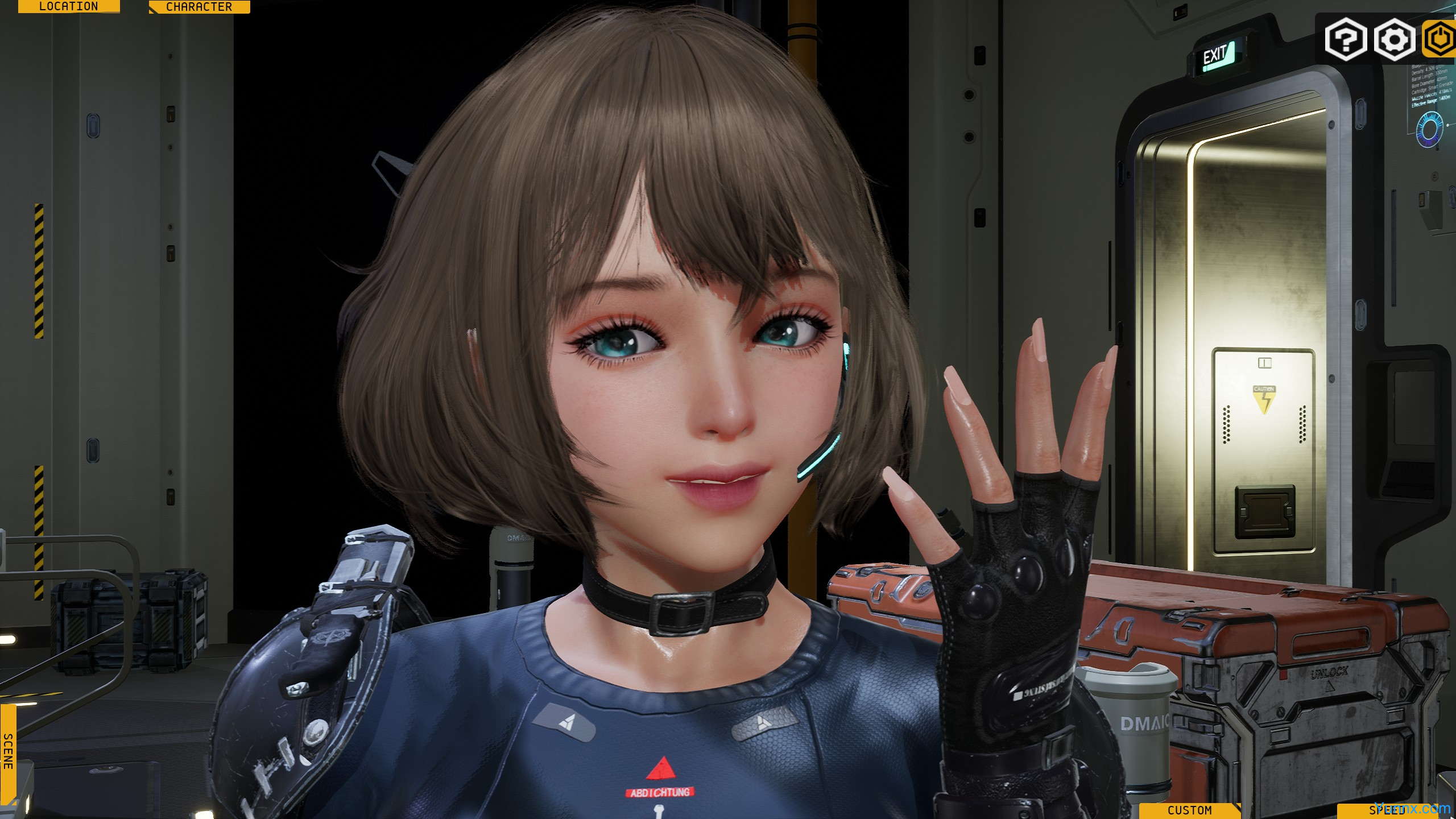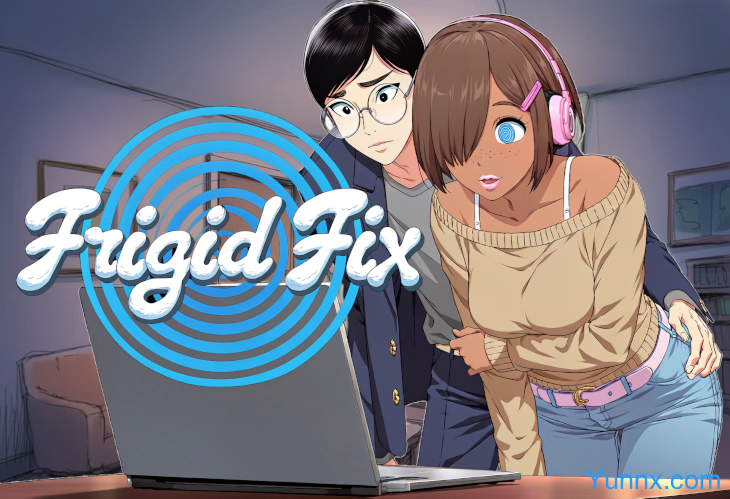
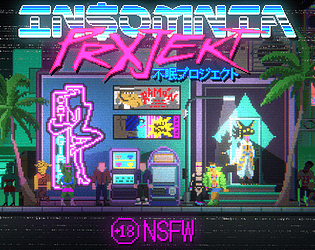
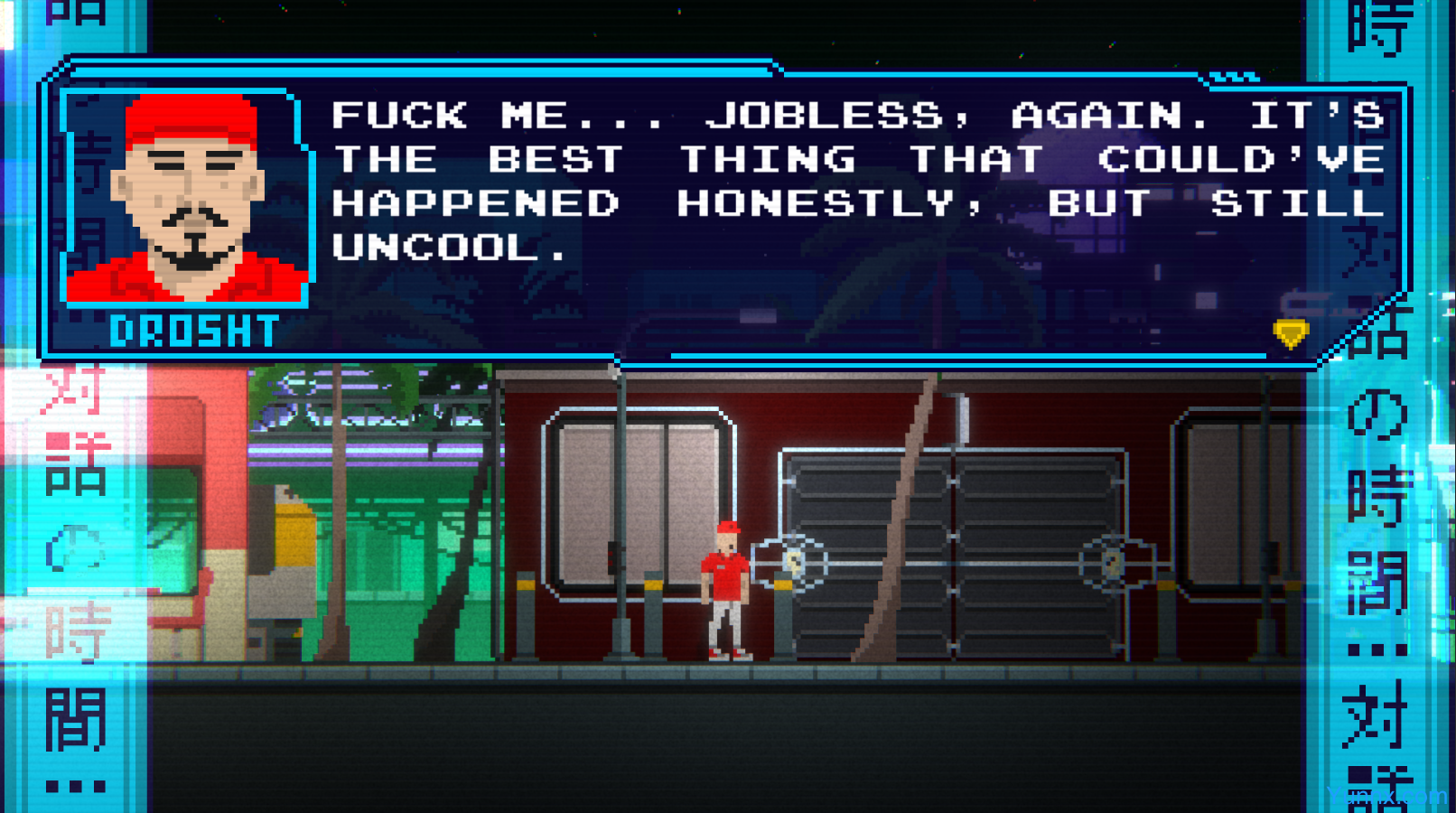
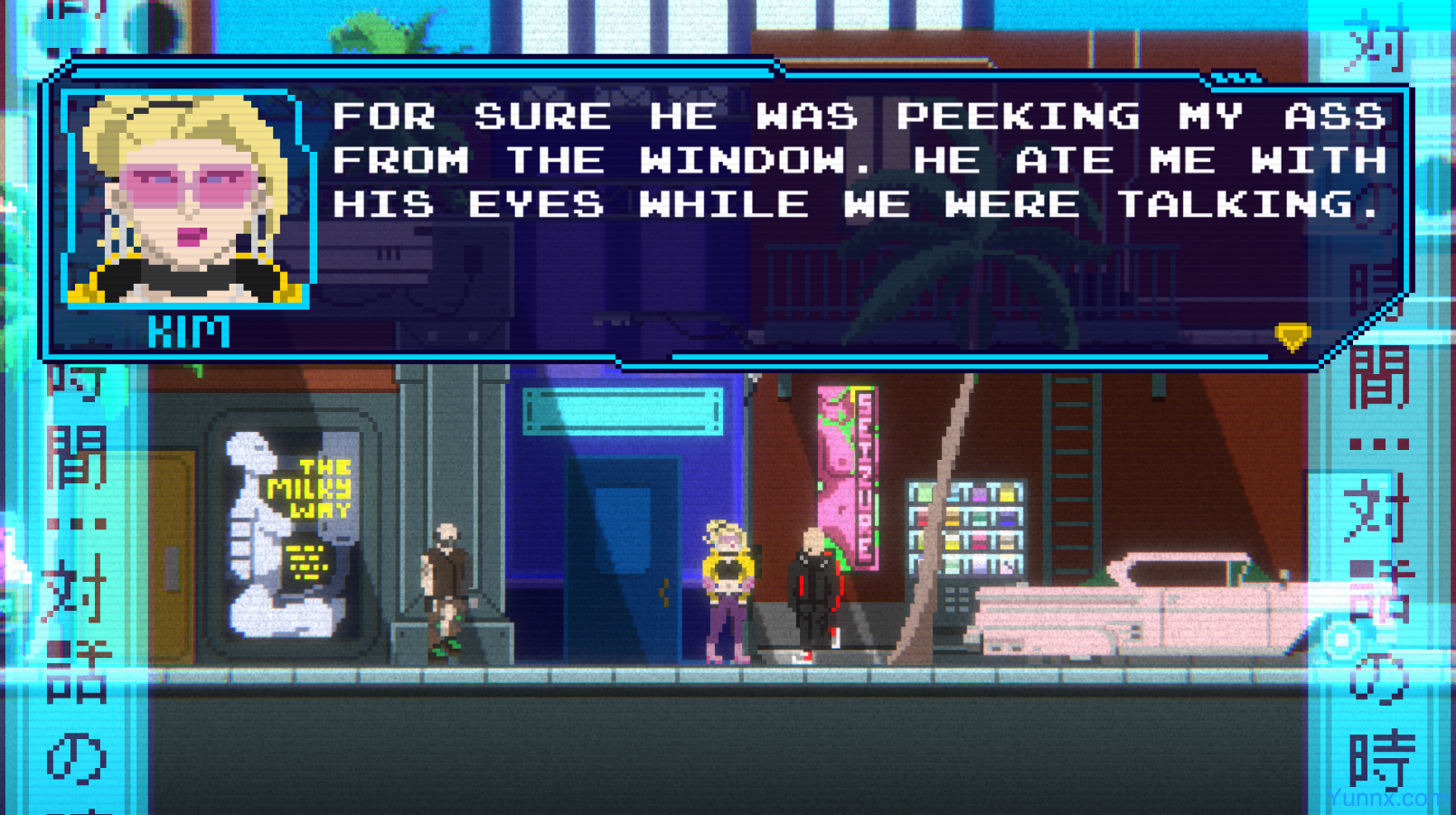
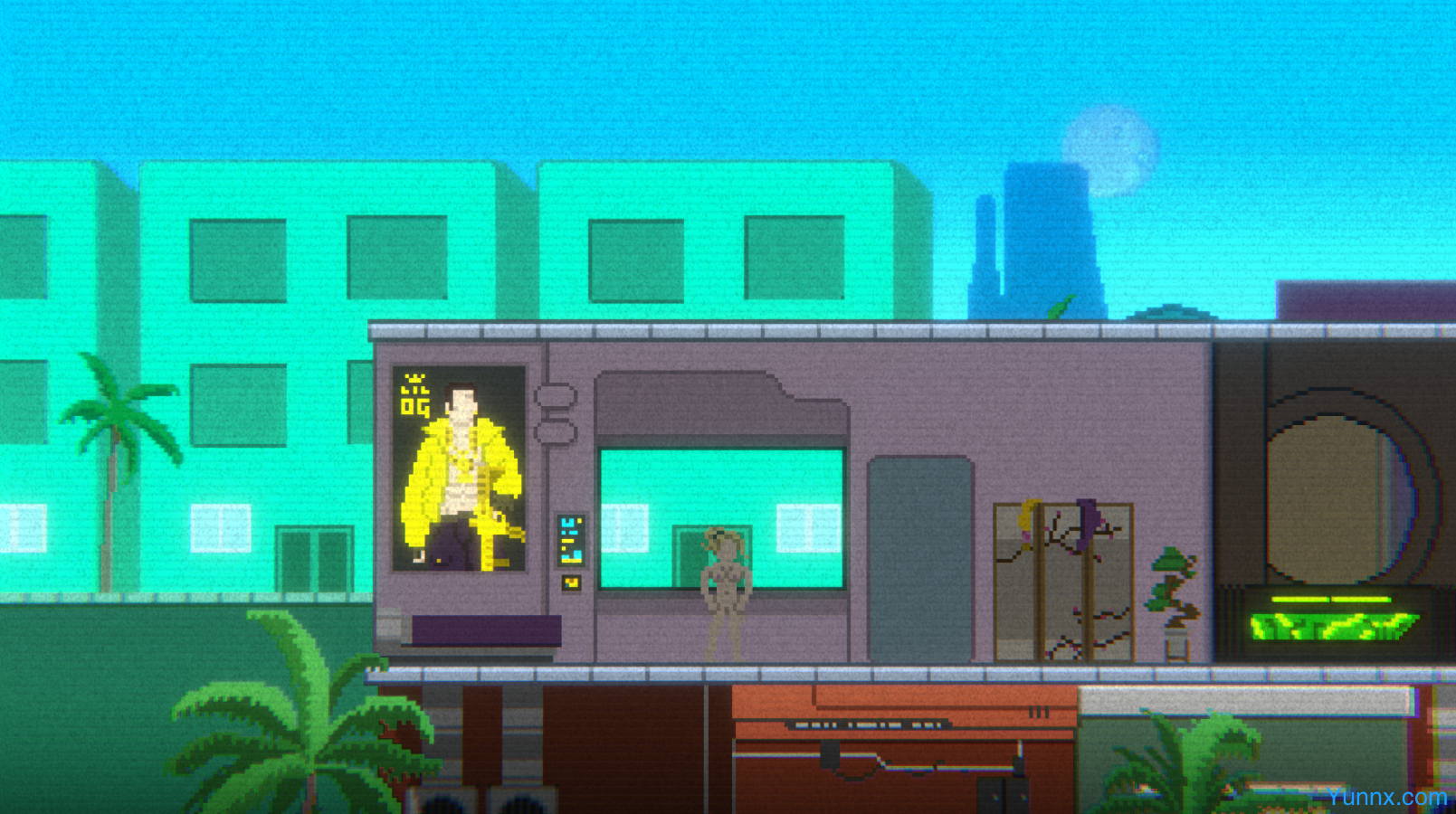
Welcome to Insomnia City, 2069—where a mysterious hormonal surge has amplified every desire. In$omnia Prxjekt drops you into a neon-drenched world where lust, love, jealousy, drugs, and violence collide in a narrative-driven experience. Designed for one-handed play, this Thunder Zebra crowdfunded project challenges you to survive the city’s relentless heat. WARNING: You won’t last 3 seconds.
The Neon Jungle of 2069: A City on Edge
1. A Biochemical Anomaly Reshaping Society
Insomnia City isn't just another cyberpunk backdrop; it's a living experiment gone awry. A recent, unexplained hormonal boost has swept through the population, lowering inhibitions and heightening emotions to dangerous extremes. Streets once orderly now pulse with unpredictable energy, where a casual glance can escalate into obsession and a business deal might end in a back-alley frenzy. This pervasive tension forms the core atmosphere of every interaction.
2. Architecture of Desire and Decay
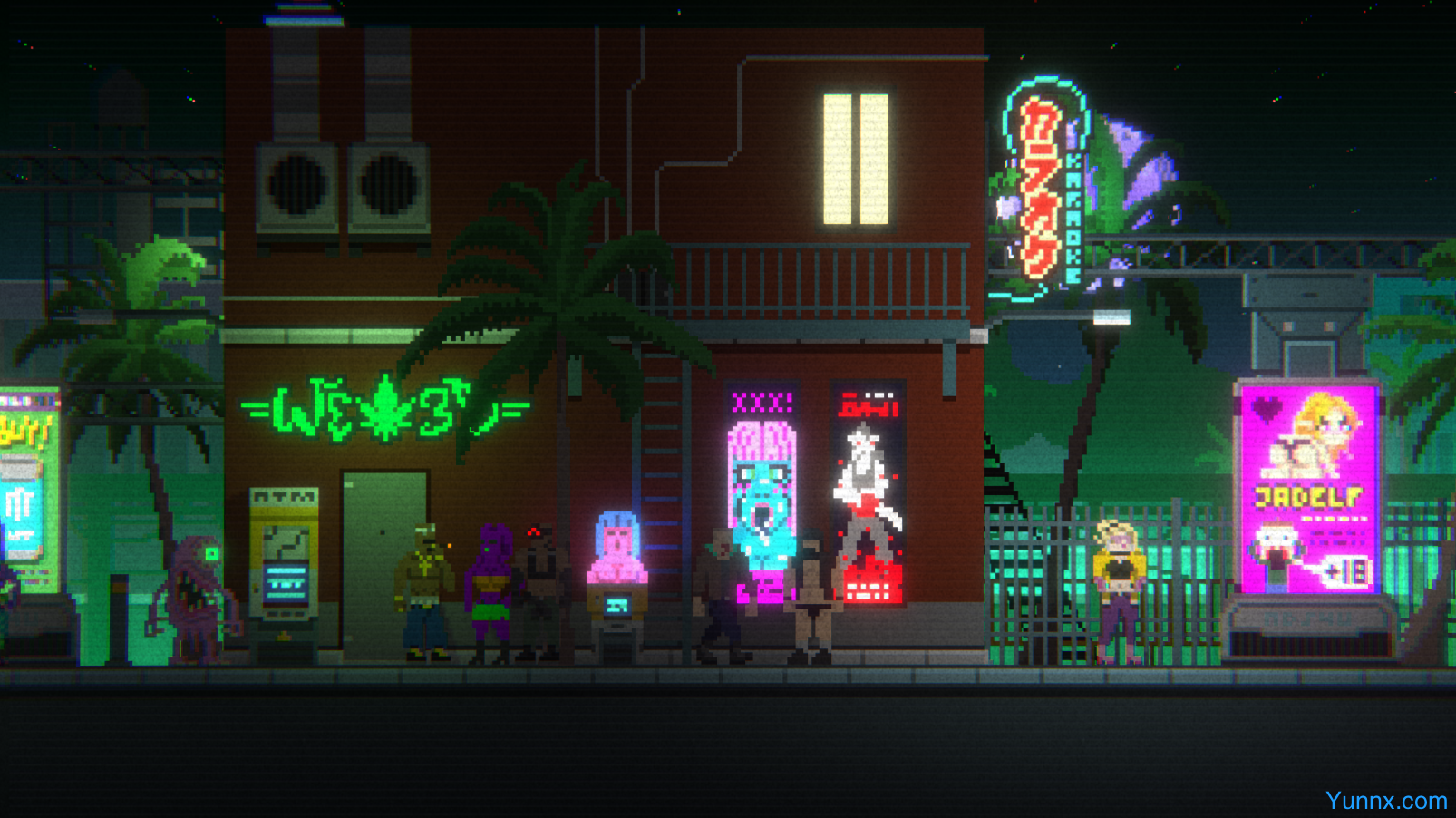
The city's design reflects its internal chaos. Neon signs advertising mood-altering tech flicker above streets littered with discarded synth-stimulants. Luxurious penthouse suites overlook districts where black-market emotion-modulators trade hands. Players navigate this vertical landscape, moving from corporate lobbies where deals are sealed with more than handshakes, to underground clubs where the music is felt in your bloodstream. The environment itself becomes a character—seductive, threatening, and always watching.
3. Factions Riding the Chemical Wave
Various groups have emerged to exploit or control the city's new normal. There are the "Sensation Seekers" who chase ever-stronger thrills, the "Purists" who want to reverse the change through any means, and shadowy corps selling "stabilizers" that might be making things worse. Your alliances within these factions determine which doors open—and which close permanently.
One-Handed Gameplay: Mechanics Built for Intensity
1. Interface Designed for Immersion and Accessibility
The game's control scheme revolutionizes adult gaming by being fully operable with just one hand. This isn't a gimmick—it's a deliberate design choice that removes barriers between you and the experience. Navigation uses intuitive swipe and tap gestures, while dialogue and action sequences flow without complex button combinations. Community feedback highlights how this design deepens immersion, especially during the game's most intense narrative moments.
2. Pacing That Masters the Art of Tension
Gameplay alternates between exploratory phases where you gather information and build relationships, and high-stakes sequences where quick decisions matter. The "you won't last 3 seconds" warning refers to these pressure-cooker scenarios: negotiations that turn physical, chase sequences through crowded markets, or intimate encounters where choosing the wrong word changes everything. These bursts of intensity are strategically placed to keep your pulse elevated.
3. Consequence-Driven Interaction System
Every choice, from which district to visit at night to how you respond to a character's advance, branches the story. The game tracks subtle metrics like "Chemical Attraction" and "Risk Tolerance," which influence how NPCs perceive and react to you. This creates a highly reactive world where yesterday's flirtation might lead to today's alliance—or betrayal.
Characters Forged by Chemical Fire
1. Protagonists Riding the Edge
You might play as a corporate fixer using the city's lust for power to climb the ladder, a street medic trying to heal emotional wounds in a world that only wants to tear them open, or a newcomer whose body reacts to the hormonal surge in unique ways. Each protagonist offers a different lens on the chaos, with personal story arcs that explore how extreme emotions redefine identity.
2. A Cast Driven by Amplified Desires
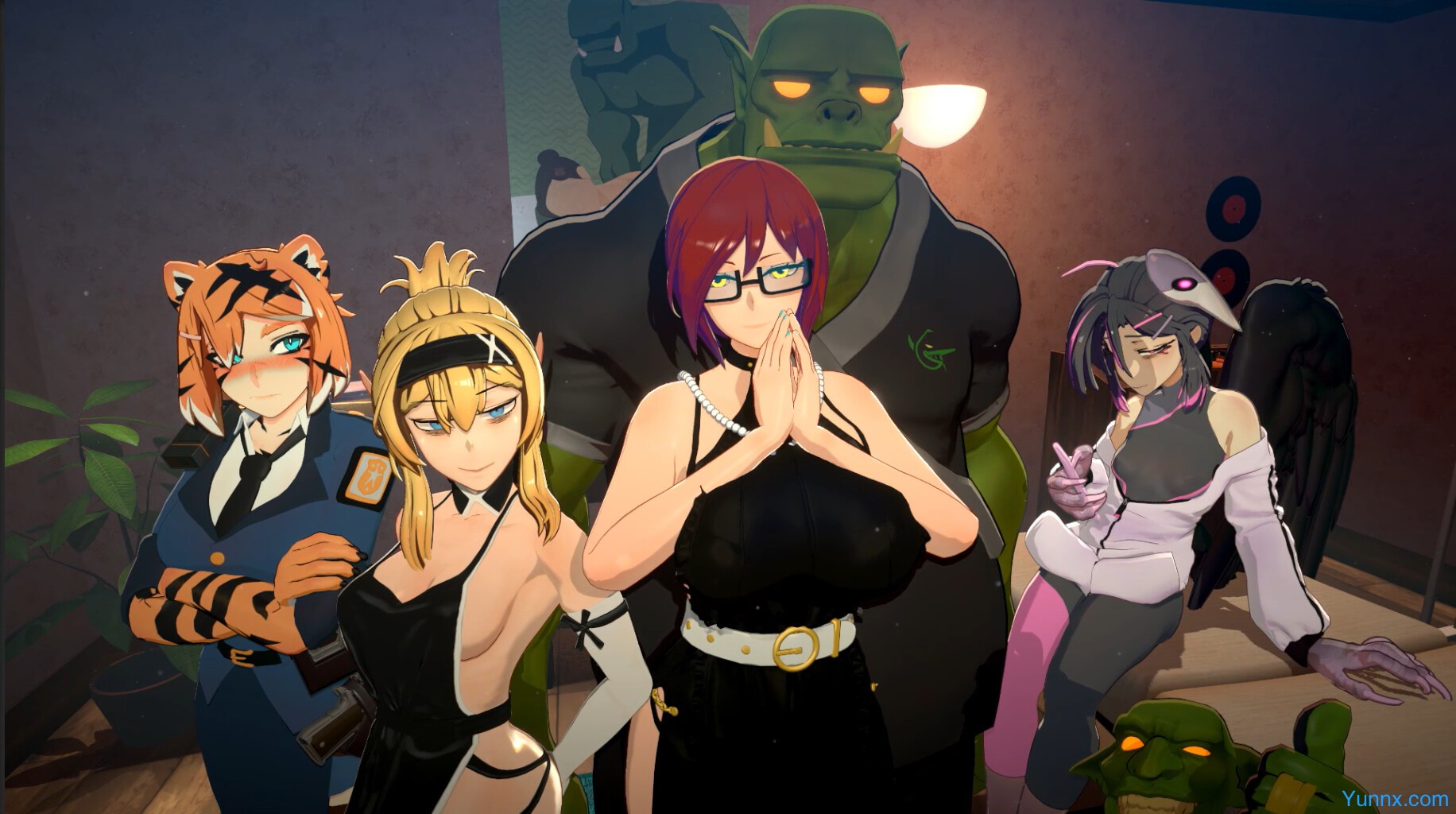
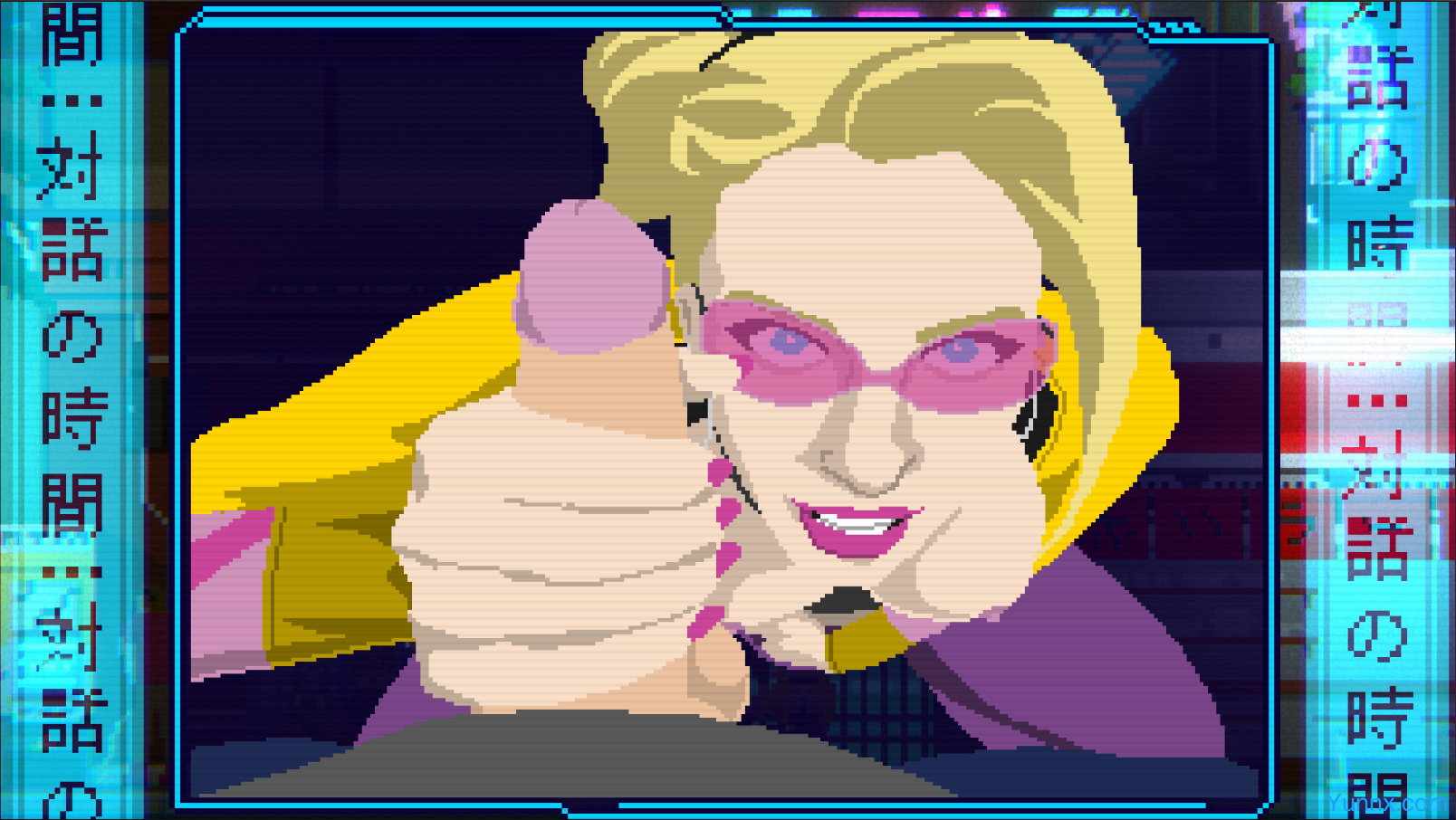
Meet the heiress whose jealousy manifests in corporate sabotage, the drug designer addicted to his own creations, or the nightclub owner who trades secrets for moments of genuine connection. These characters aren't just quest-givers; they're individuals whose motivations are magnified by the city's condition, making every relationship volatile and potentially rewarding.
3. Relationship Dynamics as Gameplay
Building bonds (or rivalries) directly affects available missions, resources, and survival chances. A character who feels desired might share crucial black-market access; one spurned could hire thugs to interrupt your next deal. The game's relationship system avoids simple "like/dislike" meters, instead modeling complex emotional states that can shift rapidly based on your actions.