

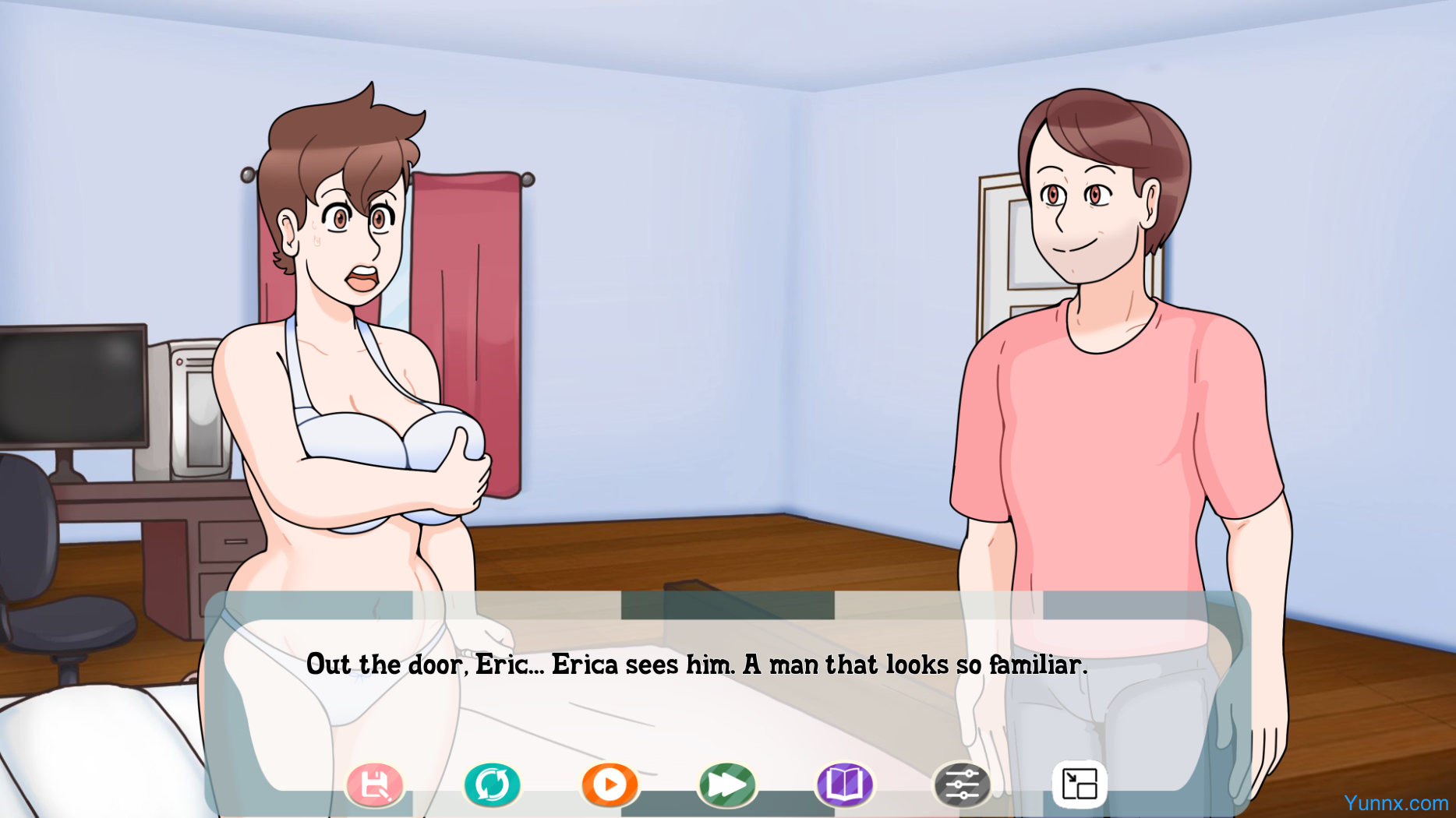



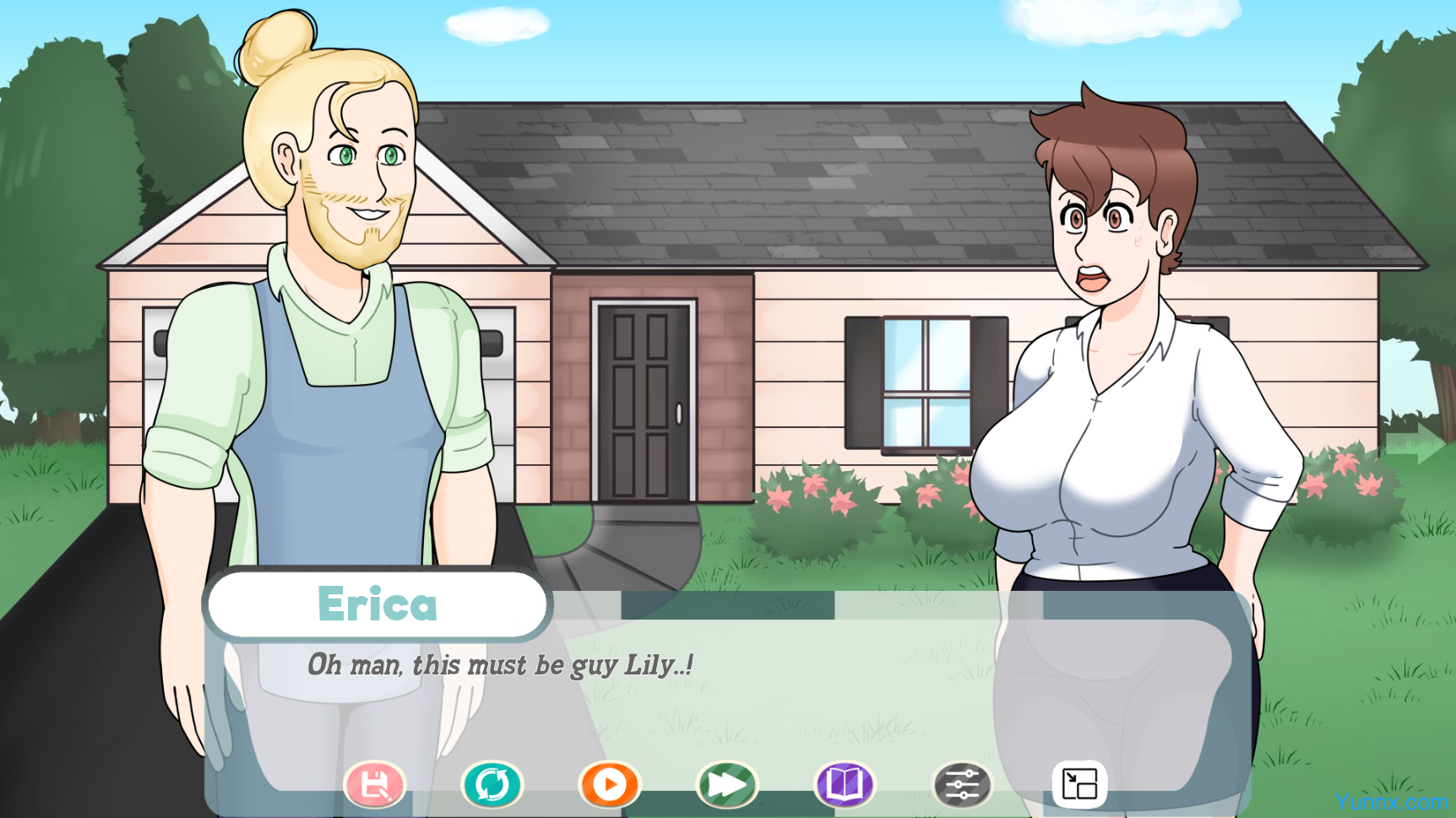
Profession of Affection is an immersive adult adventure where ordinary life unravels into surreal transformation. Follow Eric as he navigates bizarre shifts in relationships and identity after a mysterious awakening, blending dark humor, emotional stakes, and morally complex choices in a world spiraling beyond control.
Narrative Depths: A Fractured Reality
1. Eric’s stable but modest existence—a life balanced between debt and love—shatters when he wakes to surreal alterations. Friends act stranger, familiar locations distort, and Erica’s presence grows hauntingly pivotal. Each choice amplifies disorientation as players question: What altered reality are you inhabiting?
2. Characters evolve unnervingly. Relationships once secure fracture into ambiguity—betrayals, alliances, and twisted affections emerge from fragmented dialogues. Erica’s enigmatic motives deepen as gameplay progresses, her role shifting from confidante to catalyst for existential crises.
3. Hidden layer mechanics reward thorough exploration. Unlock cryptic diary entries and surreal hallucinations that reinterpret earlier events. The narrative’s true timeline fragments across multiple endings, demanding replay cycles to piece together Eric’s distorted psyche.
Transformative Choices: Unraveling Morality
1. Financial struggles mirror emotional bankruptcy. Manage Eric’s crumbling finances while confronting ethical dilemmas—steal to survive, manipulate loved ones, or succumb to despair. Every decision echoes through relationships, often irrevocably.
2. Unique "Persona Decay" system tracks psychological tolls. Repeated negative choices erode Eric’s capacity for trust and empathy, altering character interactions permanently. Conversely, stabilizing moments restore clarity but demand sacrifice.
3. The game’s climax forces players to confront paradoxical truths: Is the awakening an external reality or Eric’s psychological collapse? Outcomes hinge on whether players prioritize self-preservation or confront uncomfortable emotional truths.
Interactive Dynamics: Surreal Social Mechanics
1. Breakthrough dialogue branching employs "empathy cost" mechanics. Certain truths about Erica’s role can only be revealed by intentionally harming relationships—a tension between honesty and preservation.
2. Environmental storytelling dominates. Locations morph visually as reality frays—walls bleed symbols, rooms invert, and recurring motifs (clocks, mirrors) signal impending narrative twists. Players must document clues to avoid narrative disorientation.
3. A vibrant player community thrives around interpreting ambiguous endings. Forums debate whether the game’s "solution" lies in accepting delusion or dismantling it. Developer diaries reference surrealist art influences, encouraging meta-analysis of symbolism.