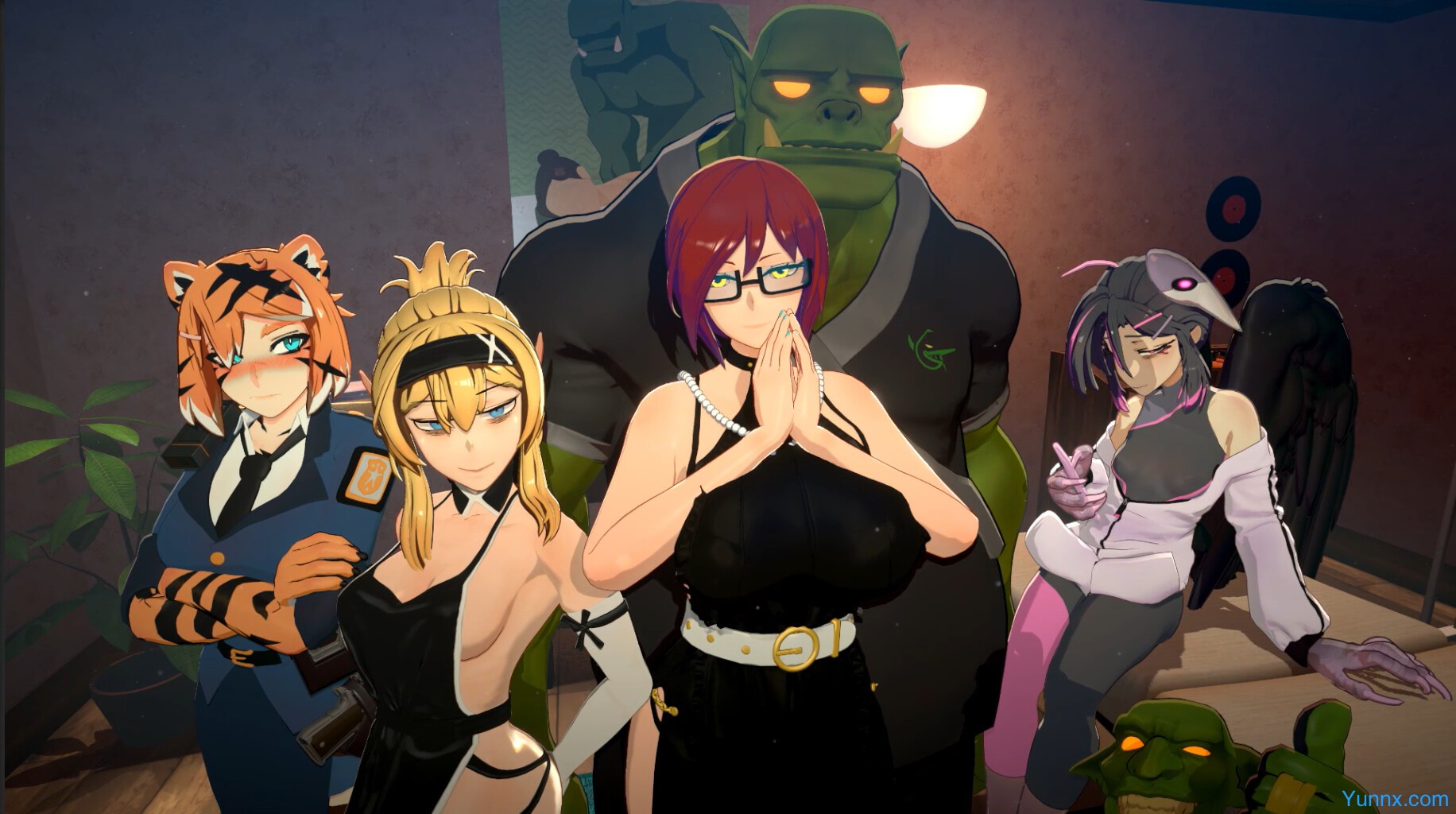

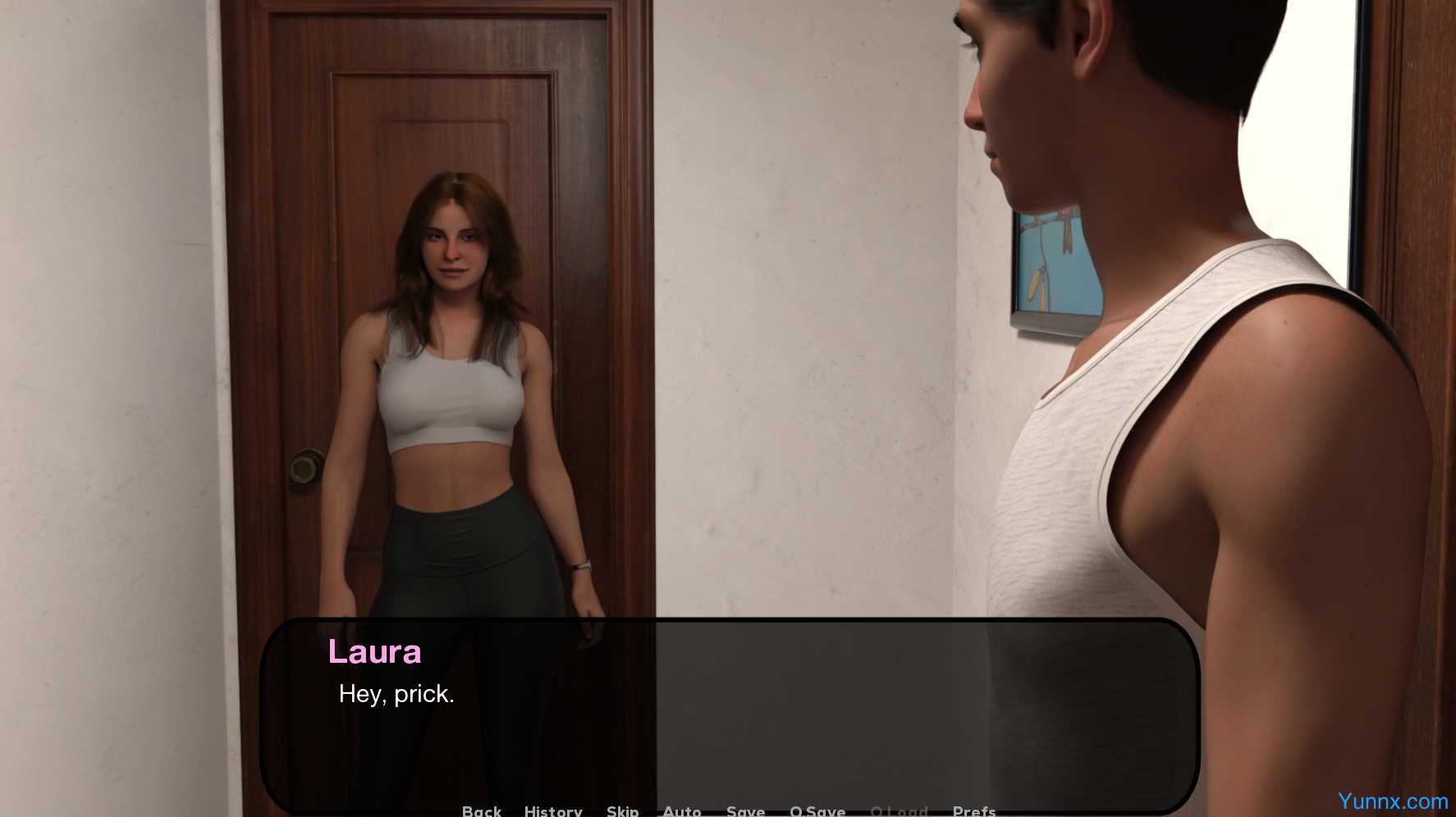

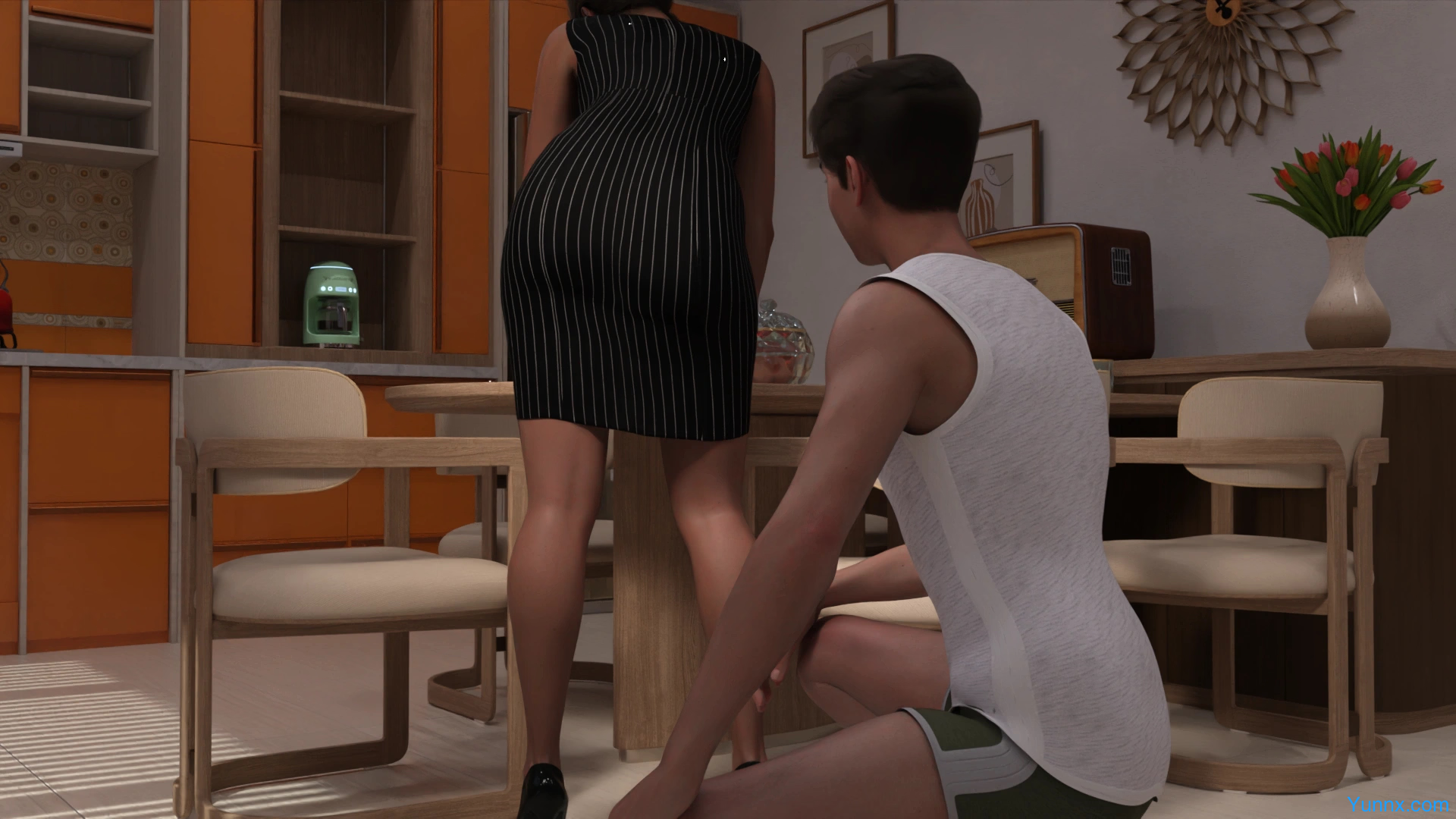

Kyle's Mind invites players into the mundane world of Kyle, a lonely urbanite trapped in a monotonous life with his family—until a chaotic, enigmatic figure crashes through his window, shattering his routine. Suddenly, Kyle’s days spiral into unpredictable mischief: sabotaging family dinners with glitter bombs, turning grocery runs into city-wide chases, and discovering hidden truths about his own psyche. Every choice blurs the line between thrilling rebellion and dangerous obsession
Life-Altering Encounter & Dynamic Characters
1. The Catalyst: A nameless, anarchic stranger—part muse, part menace—bursts into Kyle’s apartment, dragging him into absurd heists and surreal pranks. Their motives remain shrouded, pushing Kyle to question whether they’re a figment of his imagination or a key to unlocking his suppressed desires
2. Family as Foils: Navigate relationships with Kyle’s oblivious family—his rule-obsessed mother, workaholic father, and skeptical sister. Use their routines against them: swap Dad’s coffee with adrenaline-laced brew to trigger a chaotic office meltdown, or hack Mom’s smart fridge to broadcast embarrassing secrets
3. Urban Playground: The city transforms into a sandbox for mischief. Hack public billboards to display cryptic messages, repurpose construction sites into parkour escape routes, and infiltrate corporate lobbies to replace executives’ portraits with Kyle’s doodles
Choice-Driven Chaos & Psychological Layers
1. Mischief Meter: Every prank (e.g., gluing city mayor’s shoes to the floor) fills a "Chaos Gauge." High chaos attracts police scrutiny and family interventions; low chaos lets Kyle blend in but risks losing the stranger’s interest—and his newfound sense of self
2. Dual Dialogue System: Conversations feature surface-level options ("Distract the guard") and hidden psychological prompts ("Remember Mom’s warning"). Choose recklessly, and repressed memories surface—like childhood trauma explaining Kyle’s fear of open spaces—altering future reactions
3. Sanity vs. Surrender: Kyle’s mental state fluctuates via "Clarity" stats. Ignoring the stranger’s antics stabilizes him, unlocking logical solutions; embracing chaos unlocks hallucinogenic minigames where city streets morph into neon dreamscapes, blurring reality
Unique Gameplay Mechanics
1. Improvised Toolkit: Craft gadgets from household junk—turn vacuum cleaners into "confetti cannons" or microwaves into signal jammers. Each item’s effectiveness depends on context: jam security cameras during a gala heist, but overheat it mid-chase, and alarms blare
2. Procedural Family AI: Kyle’s family adapts to his antics using machine learning. Repeatedly sabotage Dad’s commute, and he installs surveillance drones; prank Sister’s dates too often, and she sets traps using Kyle’s own toolkit against him
3. Dynamic Consequences: Choices ripple beyond endings. Get expelled from a museum heist, and future missions reroute through sewers; befriend a security guard instead, and he leaks blueprints for later jobs. Even "failed" actions unlock new pathways
Narrative Depth & Endings
1. The Stranger’s Truth: Uncover their origin through environmental clues—a tattoo matching Kyle’s childhood sketchbook, or familiarity with his phobias. Reveal they’re a manifestation of his dissociative identity, and the game shifts into a psychological survival horror
2. Five Endings: Achieve liberation (Kyle abandons family to join the stranger’s dimension), reconciliation (expose family secrets to heal together), institutionalization (succumb to "delusions"), domination (Kyle becomes the new chaos entity), or annihilation (a shared jump off the city’s highest tower)
3. Easter Egg Labyrinths: Discover hidden areas reflecting Kyle’s psyche—a distorted childhood bedroom accessed through mirrors, or a glitched city square where NPCs recite his inner monologues. Solve puzzles here to rewrite past decisions
翻译中...