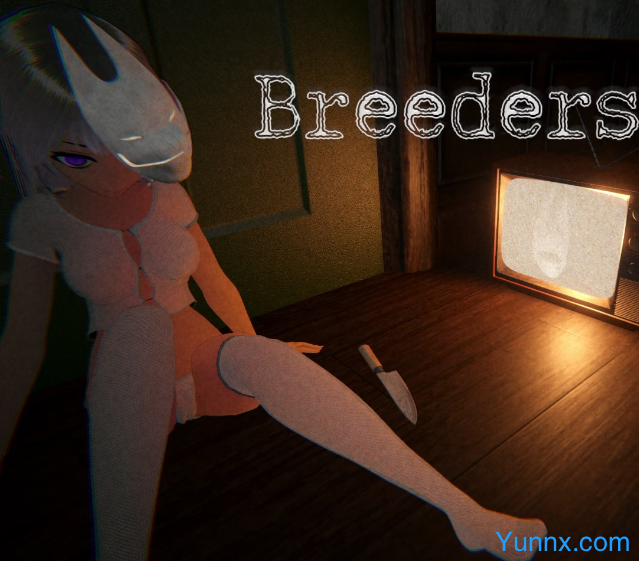
Breeders is a post-apocalyptic RPG where humanity’s remnants navigate a world overrun by primal, hyper-evolved creatures. Players dual-wield perspectives as Luci, a lab escapee haunted by her past, and a nameless wanderer drawn into her quest. Navigate hostile biomes, forge alliances with mutated fauna, and confront ethical dilemmas in a society where survival demands both brutality and empathy.
Dynamic Worldbuilding & Ecological Horror
1. A fractured ecosystem thrives under mutated flora and fauna—bioluminescent forests harbor predatory "Veinweavers," while radioactive marshes birth amphibious "Mirelings" with regenerative abilities. Environmental storytelling reveals humanity’s downfall through decaying cities overrun by symbiotic monster colonies.
2. Weather systems dynamically alter terrain: acid rain corrodes armor, sandstorms obscure vision, and "Bloom Cycles" trigger explosive plant growth that alters creature behavior.
3. Scavenged tech and creature biomass fuel crafting—a rusted reactor core might power a makeshift fortress or be traded for genetic upgrades to resist mutations.
Core Gameplay Mechanics & Player Agency
1. Dual-character progression: Luci specializes in stealth and psychic resistance, while the Wanderer unlocks brute-force combat and creature taming. Choices in skill trees permanently alter playstyles—e.g., sacrificing ethics for enhanced regeneration.
2. Breeding mechanics introduce strategic depth: hybridize creatures using DNA fragments from slain foes, balancing aggression and fertility. A "Gene Purity Meter" tracks mutations, risking instability for powerful hybrids.
3. Resource scarcity drives high-stakes decisions—harvesting a rare plant could save a settlement or provoke territorial wars with mutant packs.
Narrative Depth & Moral Complexity
1. Branching storylines emerge from interactions with factions: the fanatical "Pureblood Collective" seeks to purge mutations, while nomadic "Fleshweavers" view hybrids as divine. Player alliances shift the world’s power balance.
2. Luci’s fragmented memories—revealed through hallucinations and found documents—uncover her role in the lab’s experiments, intertwining personal trauma with global stakes.
3. The Wanderer’s anonymity allows players to shape their identity: a ruthless warlord, a reluctant protector, or a manipulative opportunist, each path unlocking unique dialogues and endings.
Visual Design & Immersive Sound
1. A blend of gritty realism and surreal bio-aesthetic—coral-clad skyscrapers, creatures with translucent exoskeletons, and bioluminescent fungal networks create a hauntingly beautiful apocalypse.
2. A reactive soundscape layers ambient noises (creaking metal, distant howls) with creature vocalizations that escalate tension during exploration.
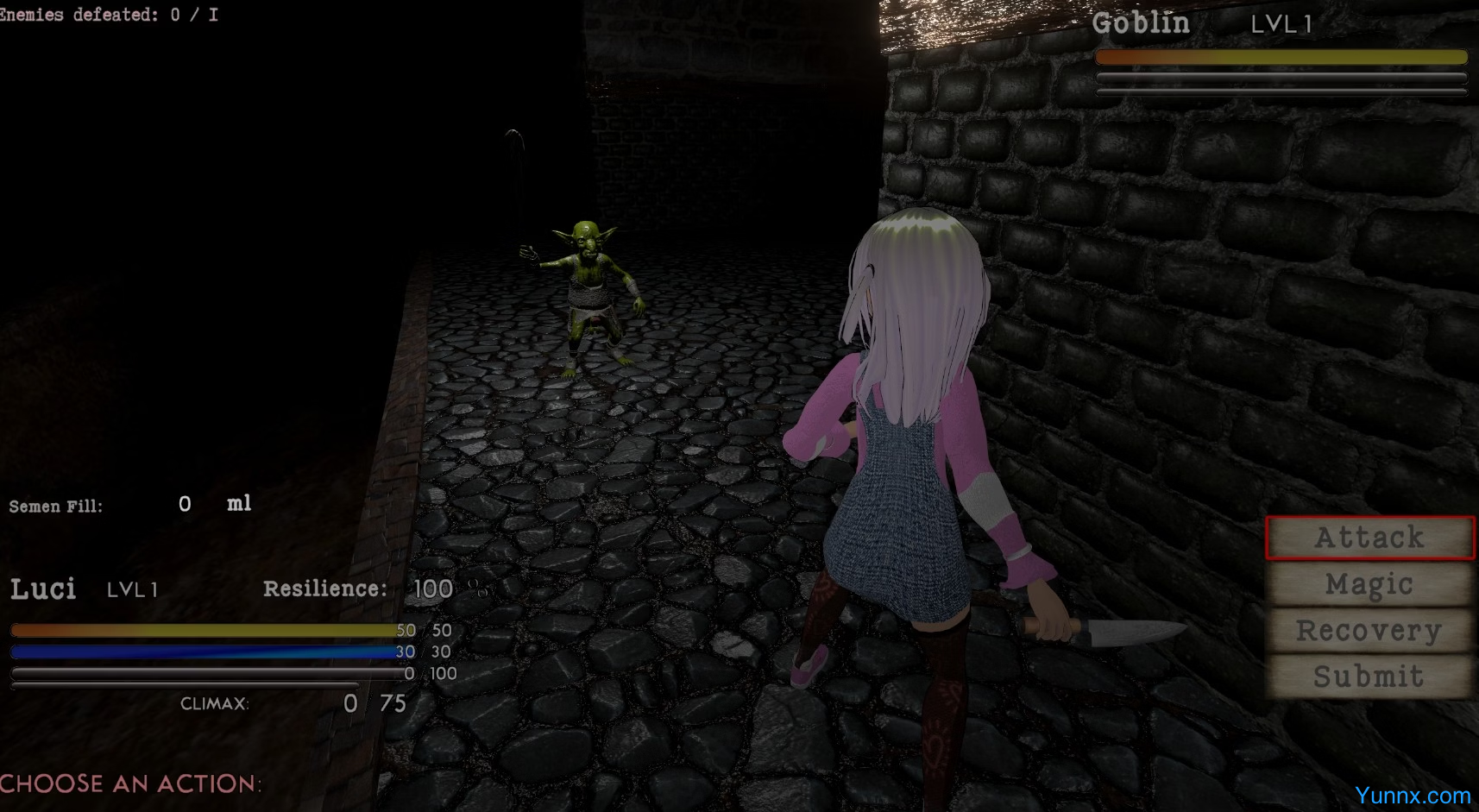
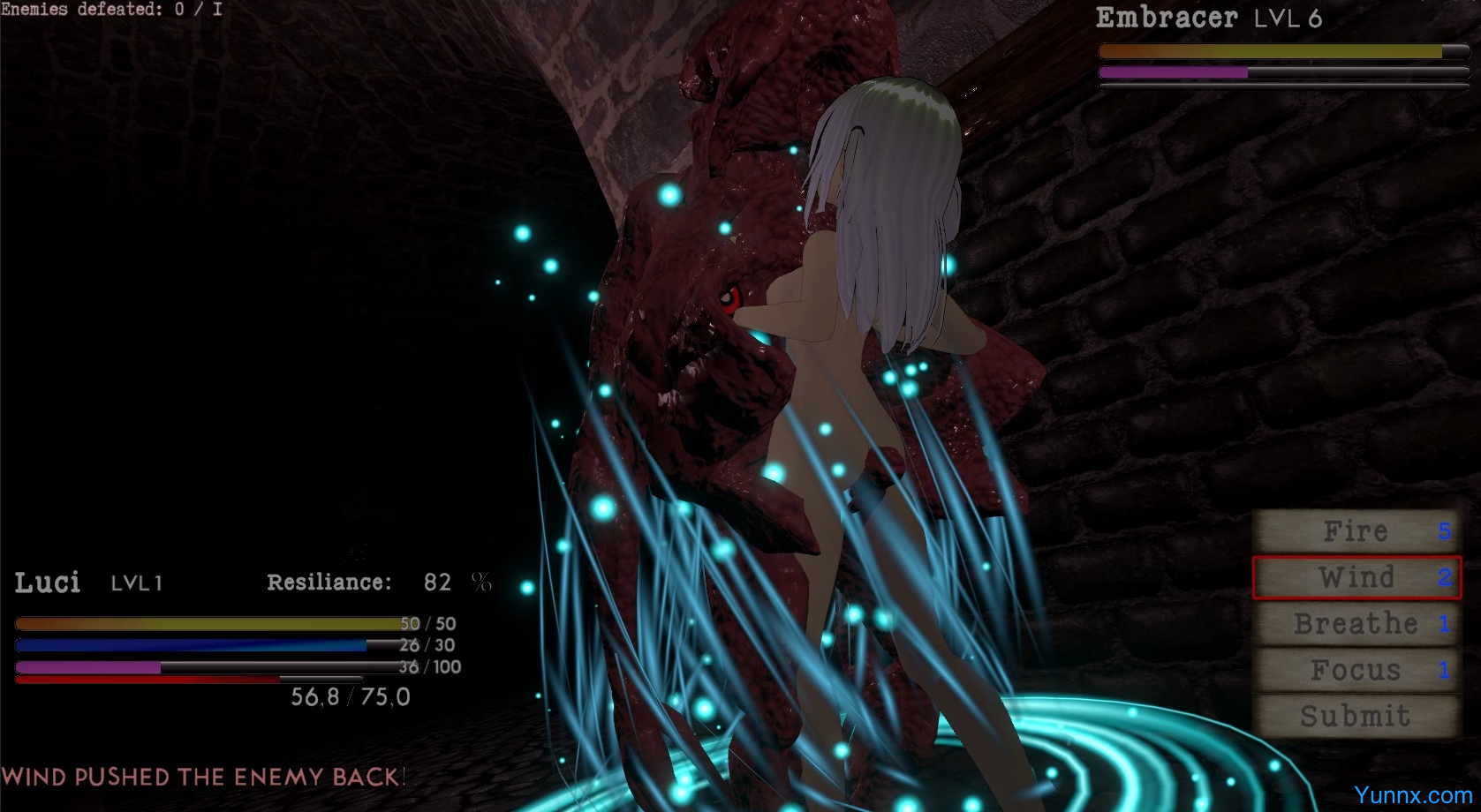
3. UI design emphasizes immersion—health bars mimic creature organs, and maps evolve as territories change hands, blending UI elements into the environment.