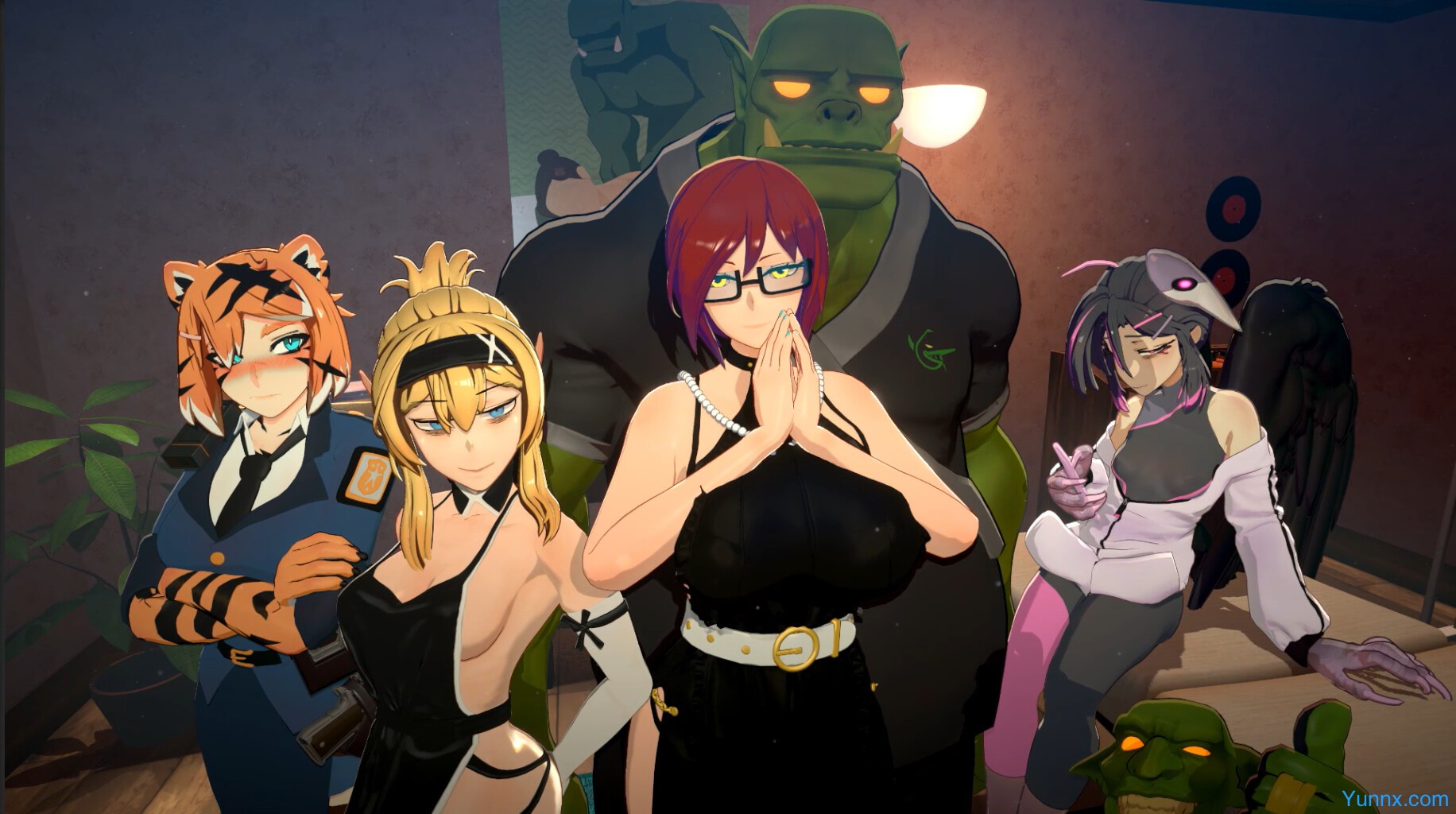

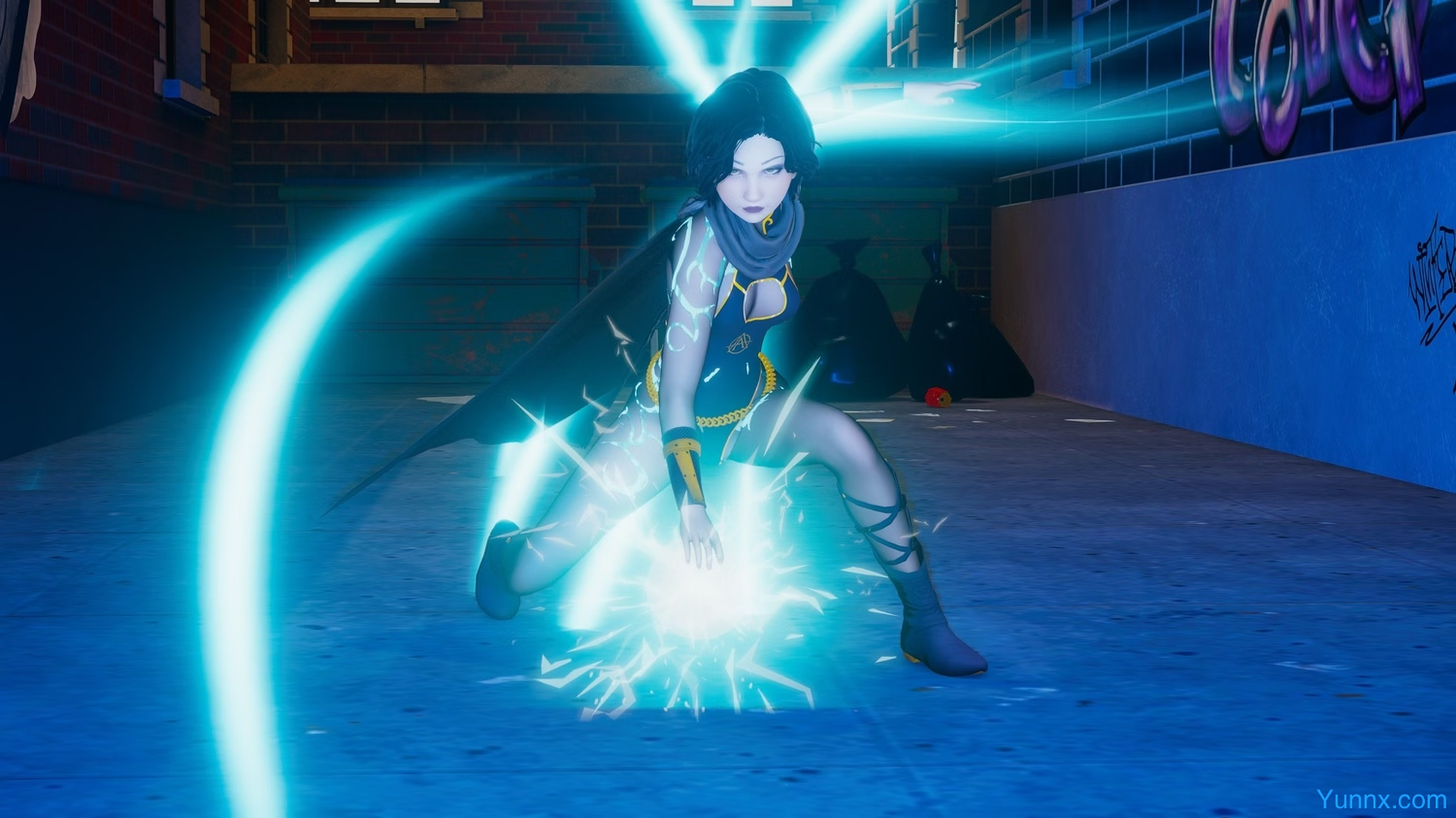






Aegis is an erotic visual novel set in a contemporary world where superhuman abilities coexist with everyday life. Players follow the Aegis, a team of young superheroines revered as icons of justice but haunted by personal struggles. When the enigmatic Kain arrives, their already precarious balance fractures, forcing them to navigate moral compromises, intimate tensions, and a story blending psychological thriller and romance .
Worldbuilding and Core Conflict
1. Dual Identities and Public Perception: The Aegis team operates in a society where superpowers are normalized, yet their public image as flawless heroes clashes with private vulnerabilities. They face immense pressure to uphold justice while concealing their trauma and desires from the world.
2. The Kain Catalyst: Kain’s arrival disrupts the team’s dynamic, introducing an unpredictable variable that challenges their unity. His presence forces each heroine to confront unresolved fears and attractions, blurring the lines between ally and threat.
3. Societal Fragility: The game explores a world superficially stabilized by superheroes but inherently fragile. Themes of power imbalance and moral ambiguity emerge as the Aegis grapple with choices that could either strengthen society or trigger its collapse.
Character Depth and Relationship Dynamics
1. Complex Heroine Archetypes: Each member of the Aegis embodies a unique blend of strength and fragility. Their backgrounds include repressed trauma, conflicted loyalties, and yearning for normalcy, making their psychological journeys as critical as their heroic feats.
2. Erotic Tension and Trust: Relationships evolve through a system of choices where authority, desire, and vulnerability intersect. Players influence bonds that range from tender alliances to manipulative entanglements, with erotic scenes emerging organically from emotional crescendos.
3. Kain’s Role as a Mirror: Kain serves as a catalyst for the team’s hidden tensions. Interactions with him can either heal or corrupt, revealing how power dynamics shape intimacy—whether through domination, submission, or mutual dependence.
Narrative Mechanics and Player Agency
1. Branching Moral Dilemmas: Key decisions alter the story’s trajectory, with outcomes ranging from redemption to ruin. Choices involve sacrificing personal desires for the greater good or prioritizing individual relationships over team stability.
2. Psychological Thriller Elements: The plot incorporates suspenseful twists where trust is routinely tested. Betrayals, hidden agendas, and unexpected alliances keep the narrative tension riveting.
3. Multiple Endings and Replayability: Twelve distinct endings reflect the consequences of player actions, encouraging replays to explore all facets of the story, including secret routes tied to secondary characters.
Audiovisual Design and Thematic Resonance
1. Artistic Contrasts: The game’s visuals juxtapose vibrant superhero aesthetics with muted, intimate scenes, mirroring the clash between public bravado and private turmoil. Character designs emphasize expressiveness to convey emotional depth.
2. Ambient Soundscapes: A curated soundtrack shifts between epic orchestral scores during action and subtle melodies during introspective moments, enhancing the emotional weight of each scene.
3. Immersive Interface: The UI integrates diegetic elements like the team’s communication devices, ensuring seamless immersion while tracking relationship stats and pivotal plot branches.