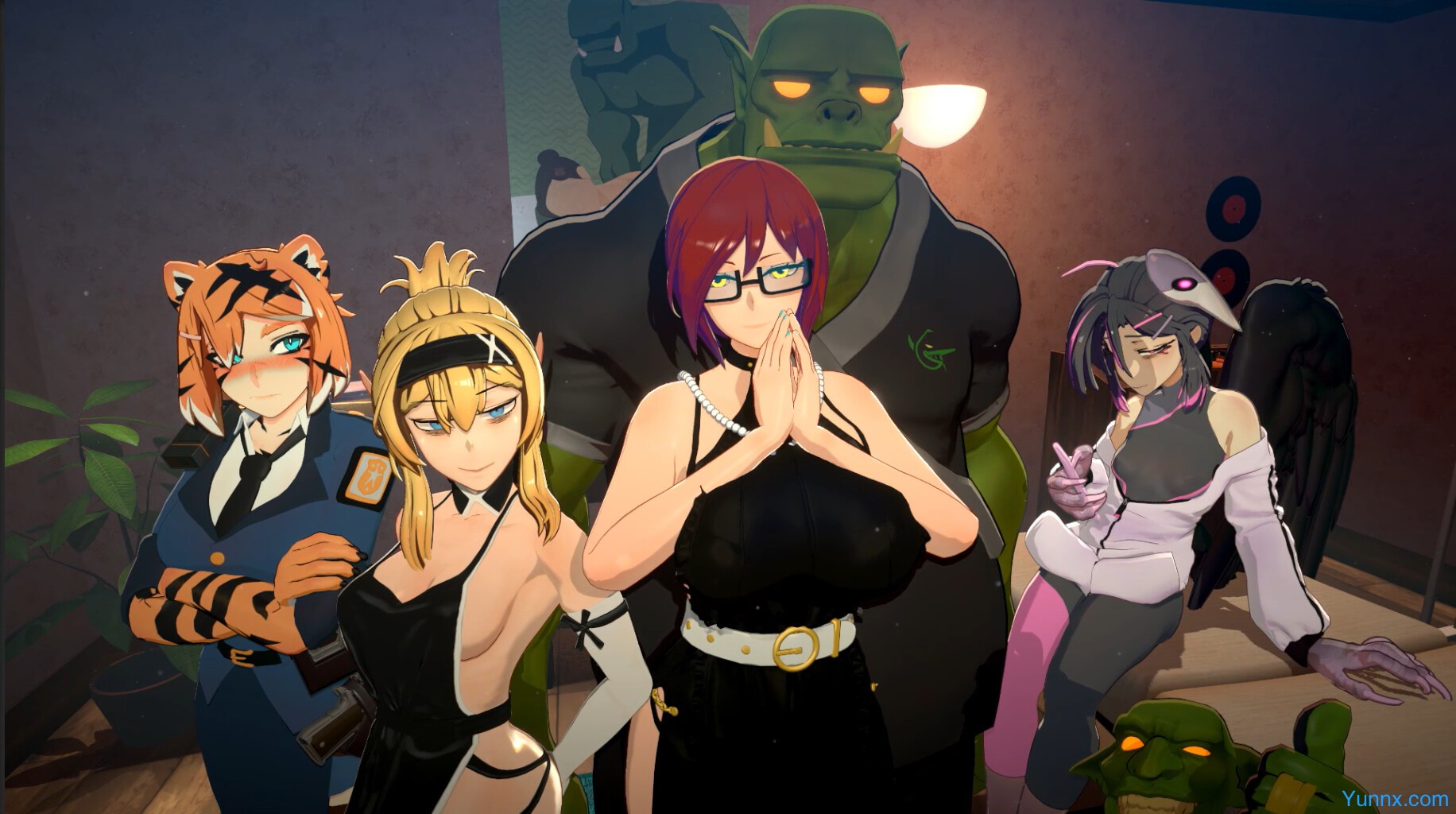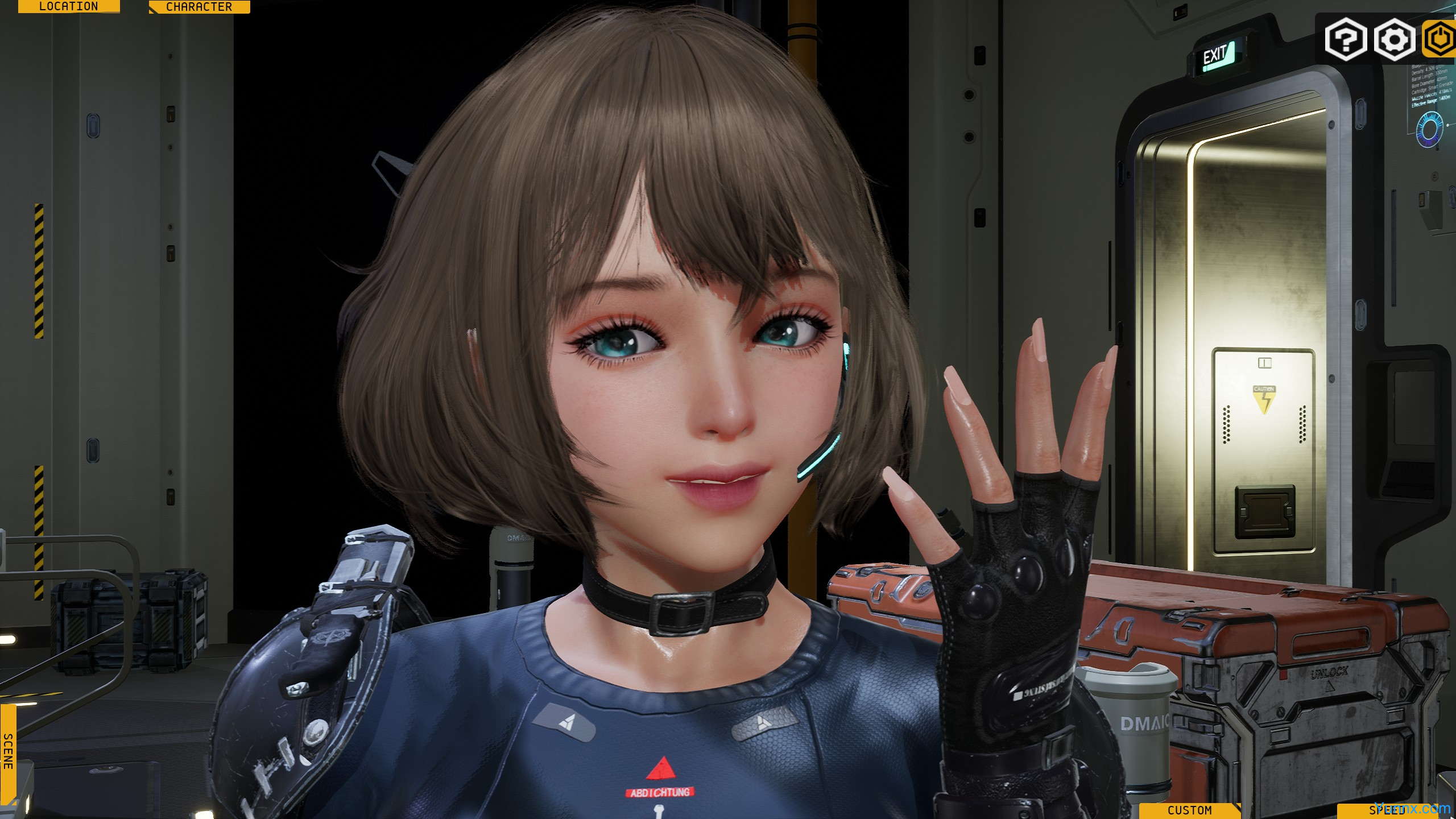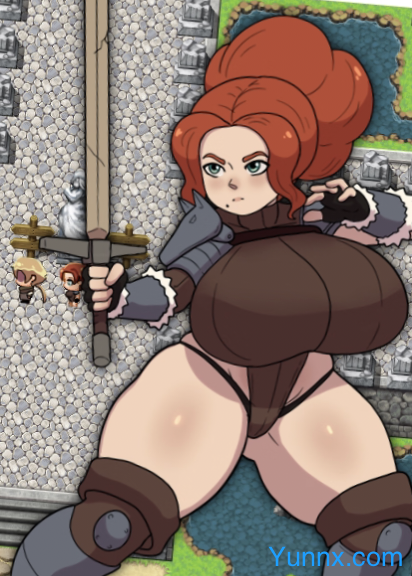
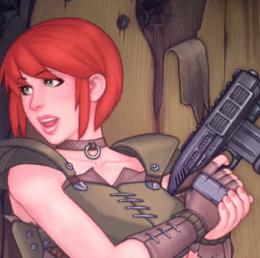
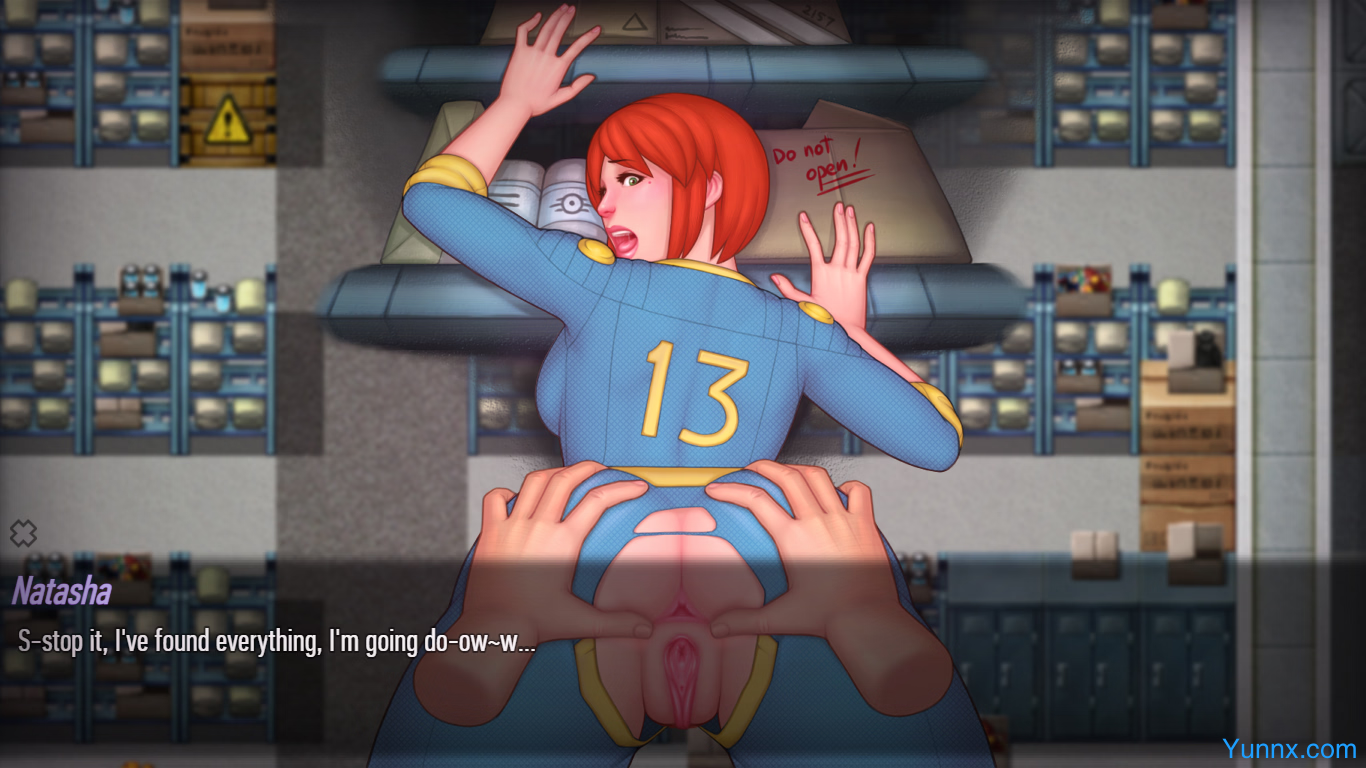
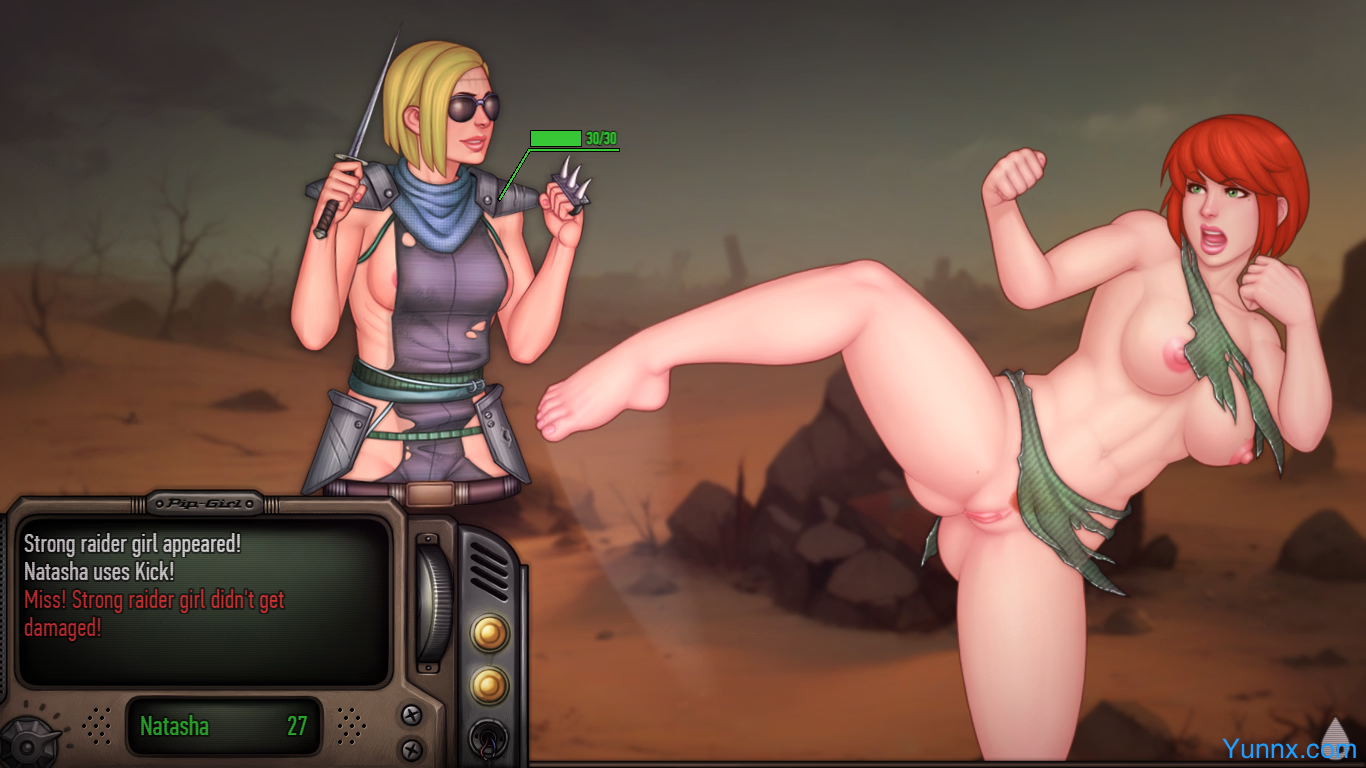

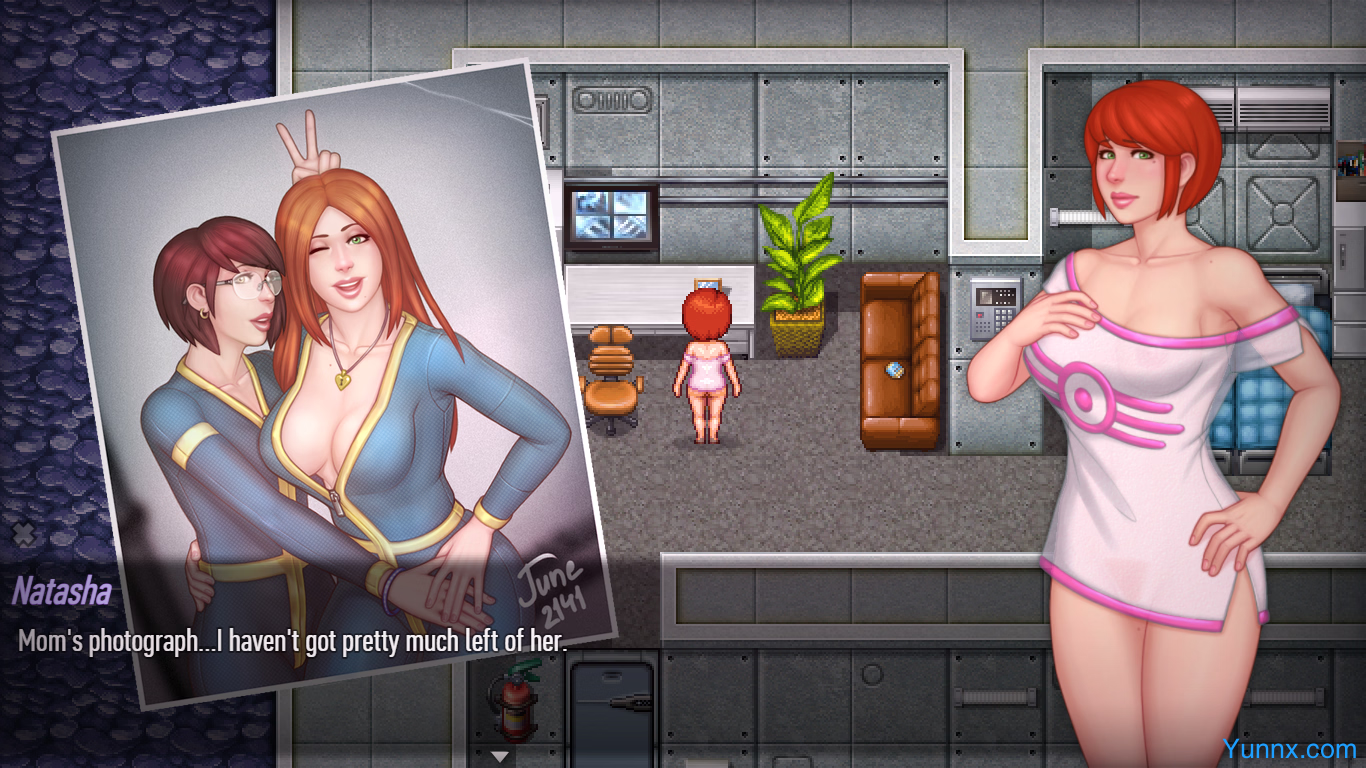
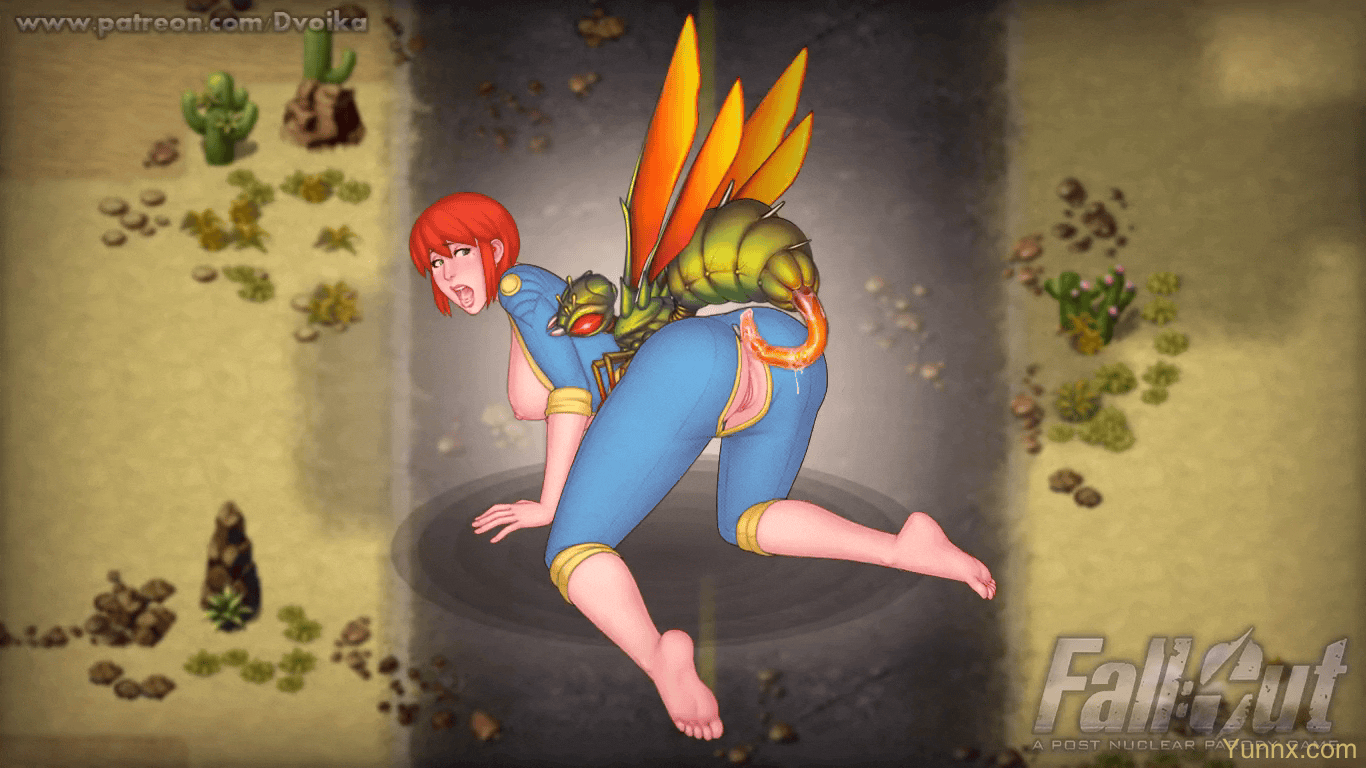
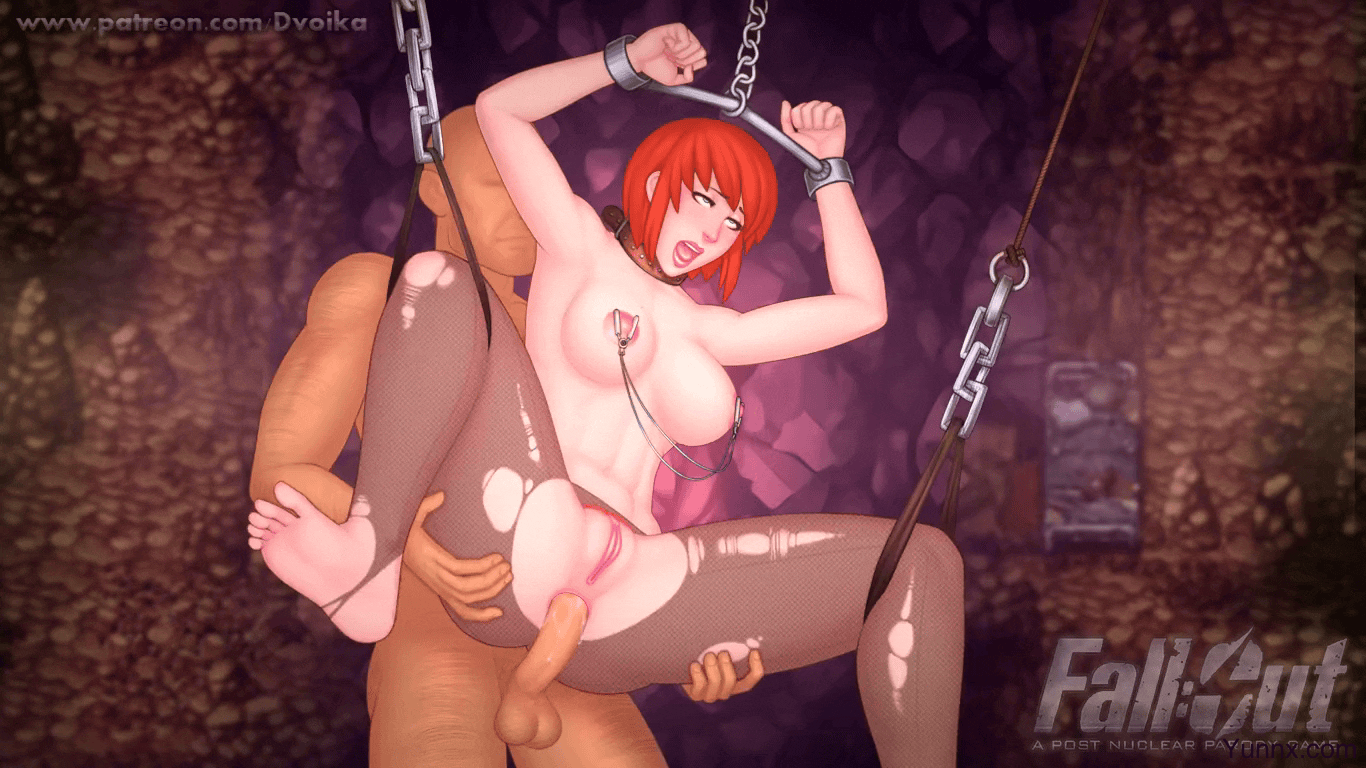

Fall:Out is an adult parody that reimagines the classic 1997 Fallout universe through a provocative lens, following Natasha’s journey across a war-ravaged wasteland. This choice-driven RPG blends gritty survival with risqué encounters, tasking players with navigating morally ambiguous quests, forging alliances, and confronting bizarre foes. With its blend of dark humor, strategic combat, and branching narratives, the game offers a fresh take on post-apocalyptic themes while celebrating the series’ roots.
A World of Decadence and Danger
1. The game unfolds across a handcrafted open world inspired by retro-futuristic aesthetics, where crumbling cities and mutated landscapes hide secrets ranging from valuable resources to risqué surprises. Dynamic weather and day-night cycles affect both exploration and character interactions, with certain events only triggering under specific conditions.
2. Encounter diverse factions vying for control, from pragmatic scavenger guilds to hedonistic cults, each with unique philosophies and questlines. Your reputation with these groups unlocks exclusive missions, trade opportunities, or romantic subplots that reshape the world’s balance of power.
3. Environmental storytelling breathes life into the wasteland through detailed logs, abandoned holotapes, and interactive set pieces that reveal deeper lore. Uncover hidden vaults, forgotten laboratories, and pleasure dens that challenge Natasha’s morals and desires.
Innovative Gameplay Systems
1. A hybrid combat system merges real-time exploration with pause-and-plan tactical options, allowing players to target enemy weak points or use seductive distractions to gain the upper hand. The game introduces a "Desire Meter" that influences combat efficiency and dialogue outcomes based on Natasha’s emotional state.
2. Deep crafting mechanics enable players to repurpose scrap into weapons, outfits, or luxury items that affect how NPCs perceive Natasha. Upgraded gear unlocks new interaction paths, such as bypassing guards with high charisma or infiltrating restricted areas with stealth enhancements.
3. Quests feature multi-layered solutions that reward creativity—hacking a terminal, bribing a guard, or seducing a key figure might achieve the same goal but yield vastly different consequences. A karma system tracks moral alignment, subtly altering enemy behavior and available story branches.
Characters and Narrative Depth
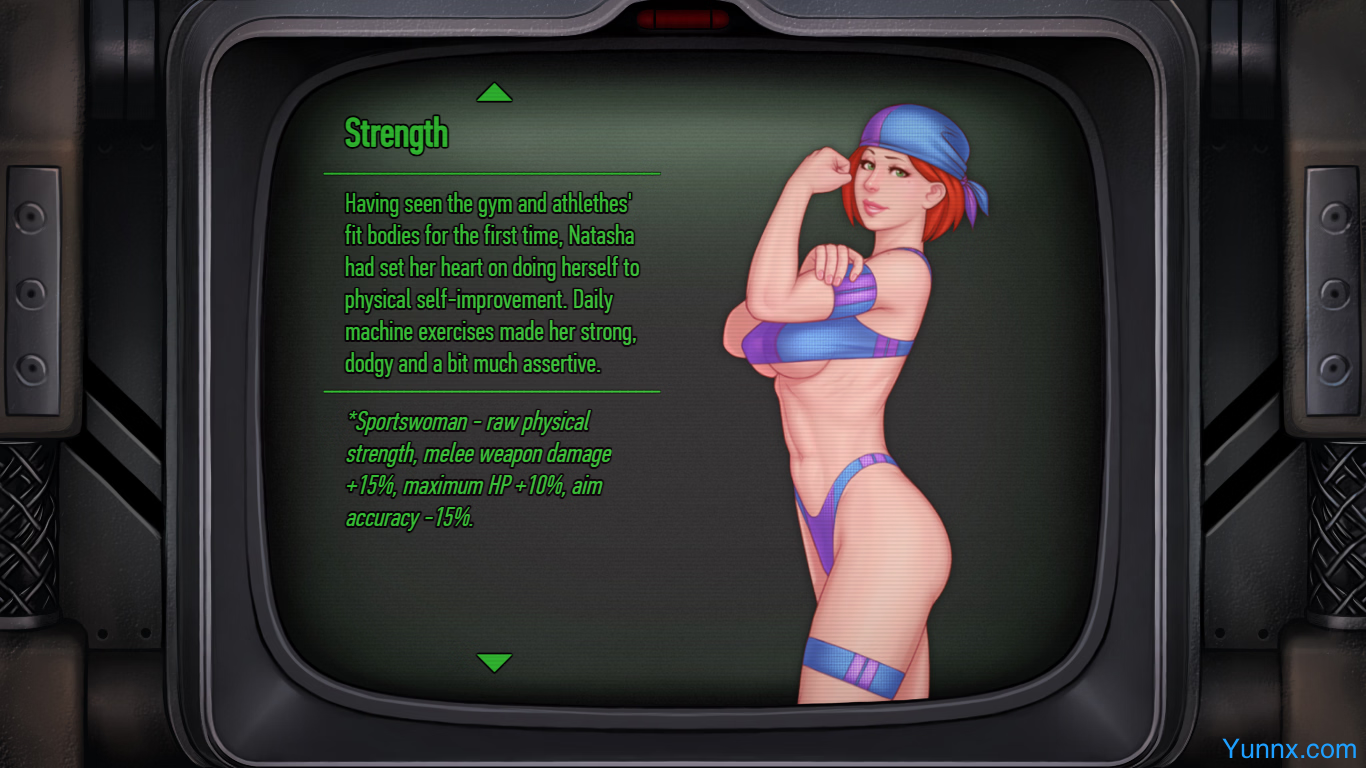
1. Natasha evolves from a naive survivor into a wasteland legend through a flexible skill tree that emphasizes social manipulation, combat prowess, or technical expertise. Her backstory unfolds through flashbacks and dialogue choices, revealing ties to the old world that impact the main plot.
2. Recruit companions with distinct personalities and secret agendas, like a cynical mercenary with a hidden soft side or a cheerful engineer prone to jealous outbursts. Their loyalty missions unlock special abilities and romantic options, but neglecting their needs can lead to betrayal.
3. The narrative avoids binary morality by presenting dilemmas where saving one community dooms another, or indulging in vice yields short-term gains at the cost of long-term stability. Key decisions ripple across the campaign, leading to one of eight endings that reflect Natasha’s legacy.
Unique Features and Replayability
1. Adult content is woven organically into the gameplay through a "Chemistry System" where relationships unlock tactical perks or resource bonuses, avoiding gratuitous tropes by tying intimacy to character progression and narrative consequences.
2. Procedurally generated side content ensures that each playthrough offers new locations, random encounters, and rare items. A New Game+ mode introduces mutated enemies, alternate quest solutions, and harder challenges for seasoned players.
3. The game supports extensive customization via modding tools that allow players to create new outfits, quests, or even entire regions, with popular community mods eligible for inclusion in official updates.