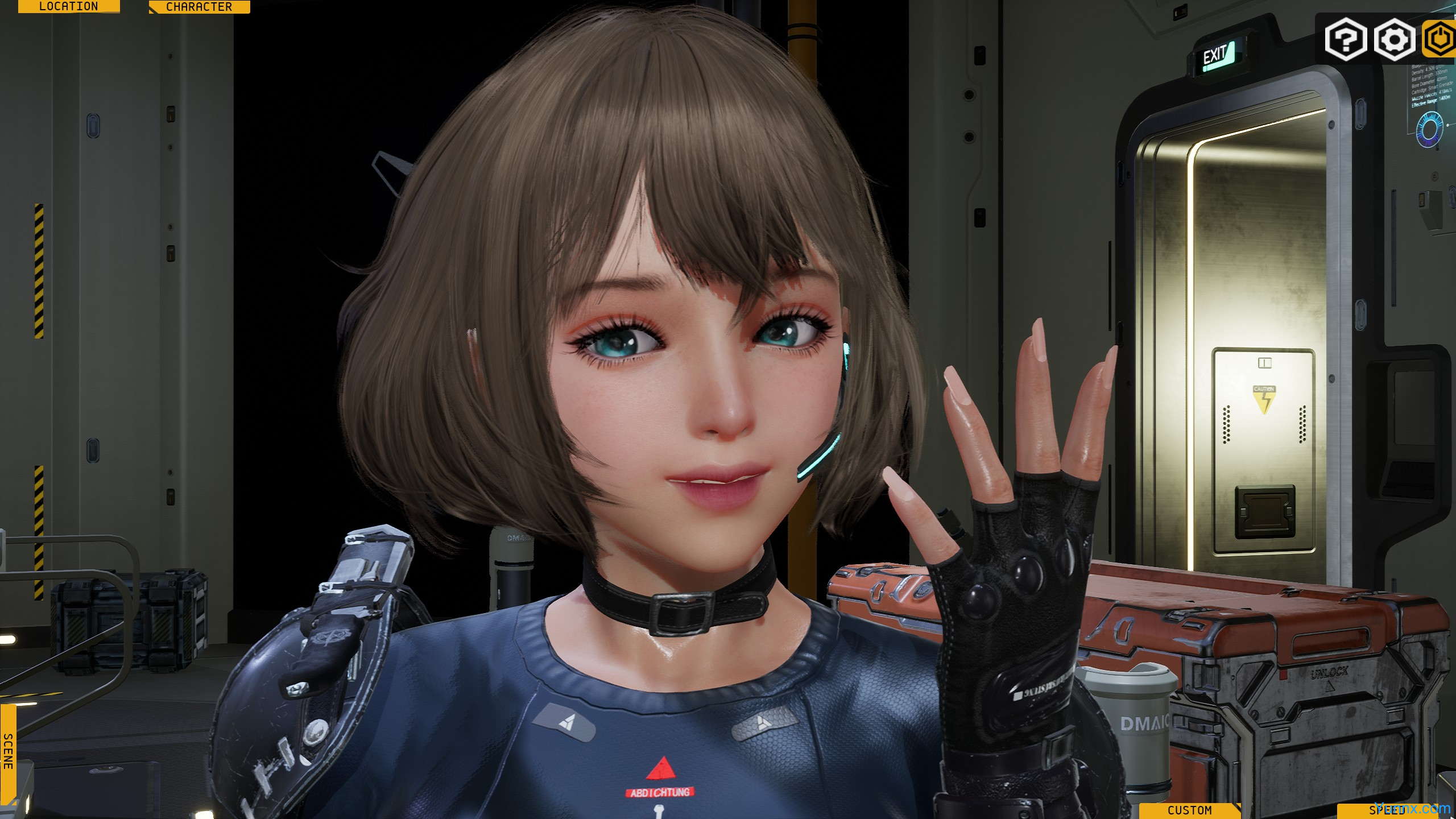



Pink House immerses players in a morally ambiguous quest as Sakura Ayanogawa, a soldier deployed to a remote military-controlled town, must solve interconnected cases to restore peace. Blending tactical investigation with psychological depth, the game challenges players to navigate corruption, hidden agendas, and personal ethics in a fractured society.
Moral Complexity & Investigative Gameplay
1. Case-Driven Narrative
Each case unveils layers of conspiracy, from political cover-ups to supernatural phenomena. Players gather evidence through interrogations, forensic analysis, and covert surveillance, where choices directly impact case outcomes and character trust.
2. Ethical Dilemmas
Sakura’s loyalty is tested through morally gray decisions—protecting civilians might require betraying allies, while pursuing justice could ignite wider conflict. Consequences ripple across the town, altering alliances and unlocking hidden story paths.
3. Dynamic Event Systems
Random encounters—riots, covert meetings, or environmental disasters—force improvisation. Manage resources like forensic tools or political favors to resolve crises, balancing short-term gains with long-term stability.
Rich Worldbuilding & Character Dynamics
1. Multi-Faction Politics
Navigate rivalries between the military police, local gangs, and a secretive cult. Ally with factions like the rebellious "Gray Roses" or exploit corruption for strategic advantage, but risk backlash from opposing groups.
2. Character-Driven Subplots
Interact with key figures—corrupt officials, traumatized civilians, and enigmatic outsiders—whose personal stories intertwine with the main plot. Choices in side missions can redeem allies or expose hidden atrocities.
3. Psycho-Political Layers
Uncover experiments on citizens using a fictional energy source, "Aetherium," which drives both technological advancements and psychological decay. Solve puzzles tied to energy surges to destabilize or stabilize critical facilities.
Visual & Narrative Immersion
1. Dual Art Styles
Daylight scenes use gritty realism to depict military occupation, transitioning into surreal, fragmented visuals during supernatural events. UI elements mimic classified documents and surveillance feeds for tactical immersion.
2. Soundtrack & Voice Acting
A minimalist score blends orchestral tension with electronic glitches during critical decisions. Voice lines reflect regional dialects and psychological strain, enhancing realism in interrogations and town dialogues.