

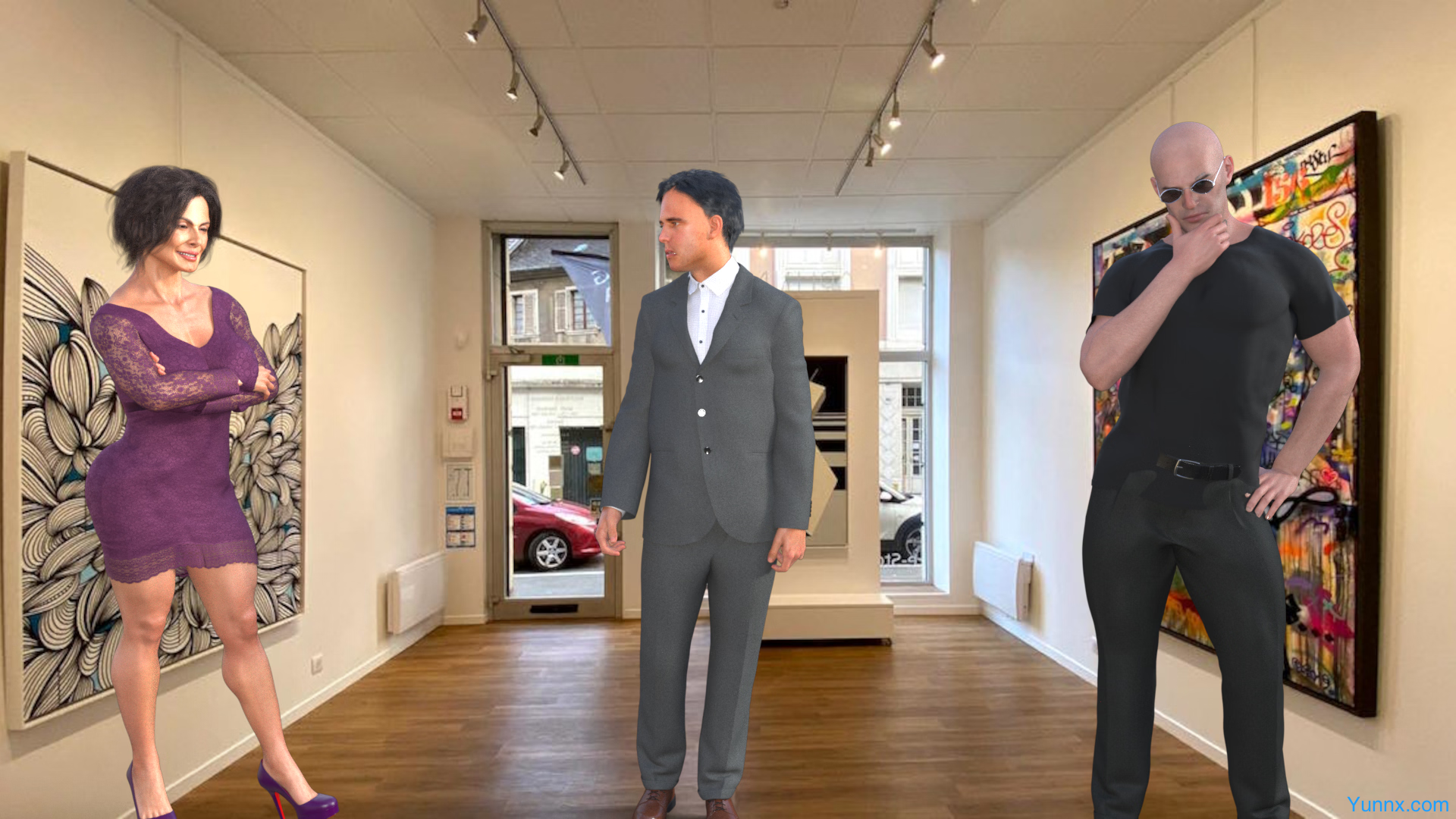


The Witness's Eye is a slow-burn visual novel that delves into the lives of a couple in their early fifties, married for barely a year. Beneath the facade of stability, the story traces a gradual and believable descent into tension, shaped by underlying conflicts and a subtly unbalanced dynamic. Through ambiguous situations and accumulating minor decisions, the game explores psychology and character evolution, where the point of no return emerges not from drama but from the weight of everyday choices.
Narrative Depth and Character Development
1. Complex Protagonists: The game focuses on a couple in their early fifties, a rare demographic in visual novels, allowing for mature exploration of midlife relationships, regrets, and unspoken tensions. Their marriage, barely a year old, serves as a fragile foundation for examining how past experiences influence present dynamics.
2. Gradual Unraveling: Unlike stories reliant on dramatic events, the descent here is crafted through believable, incremental choices. Each decision—whether a passive-aggressive remark or a withheld emotion—contributes to a chain reaction that alters the relationship’s trajectory without obvious triggers.
3. Psychological Realism: The narrative emphasizes internal conflict over external action, delving into themes of guilt, vulnerability, and the ambiguity of love. Characters evolve organically, reflecting how seemingly minor interactions can accumulate into irreversible emotional shifts.
Gameplay Mechanics and Player Agency
1. Choice-Driven Progression: Players influence the story through subtle decisions that mirror real-life relationship nuances. There are no clear "good" or "bad" paths; instead, choices reflect shades of intention, forcing players to confront the consequences of their actions over time.
2. Nonlinear Narrative Structure: The game employs branching pathways that react to player inputs, ensuring that no two playthroughs are identical. Key moments are revisited from different perspectives, revealing how small changes in approach can lead to vastly different outcomes.
3. Interactive Dialogue System: Conversations are dynamic, with options that range from supportive to manipulative. The system tracks cumulative dialogue patterns, affecting trust levels and intimacy in ways that become apparent only as the story unfolds.
Unique Themes and Emotional Impact
1. Exploration of Ambiguity: The Witness's Eye thrives on moral and emotional gray areas. Situations are designed to resist easy judgments, encouraging players to sit with discomfort and reflect on the complexity of human connections.
2. Focus on Accumulative Consequences: The game’s core innovation is its emphasis on the weight of minor decisions. Rather than a single turning point, the narrative highlights how overlooked moments—a silent car ride or a missed apology—can define a relationship’s collapse.
3. Atmospheric Storytelling: Through minimalist visuals and a carefully curated soundtrack, the game builds tension that simmers beneath the surface. The environment often mirrors the couple’s internal state, using weather, lighting, and space to convey unspoken emotions.