
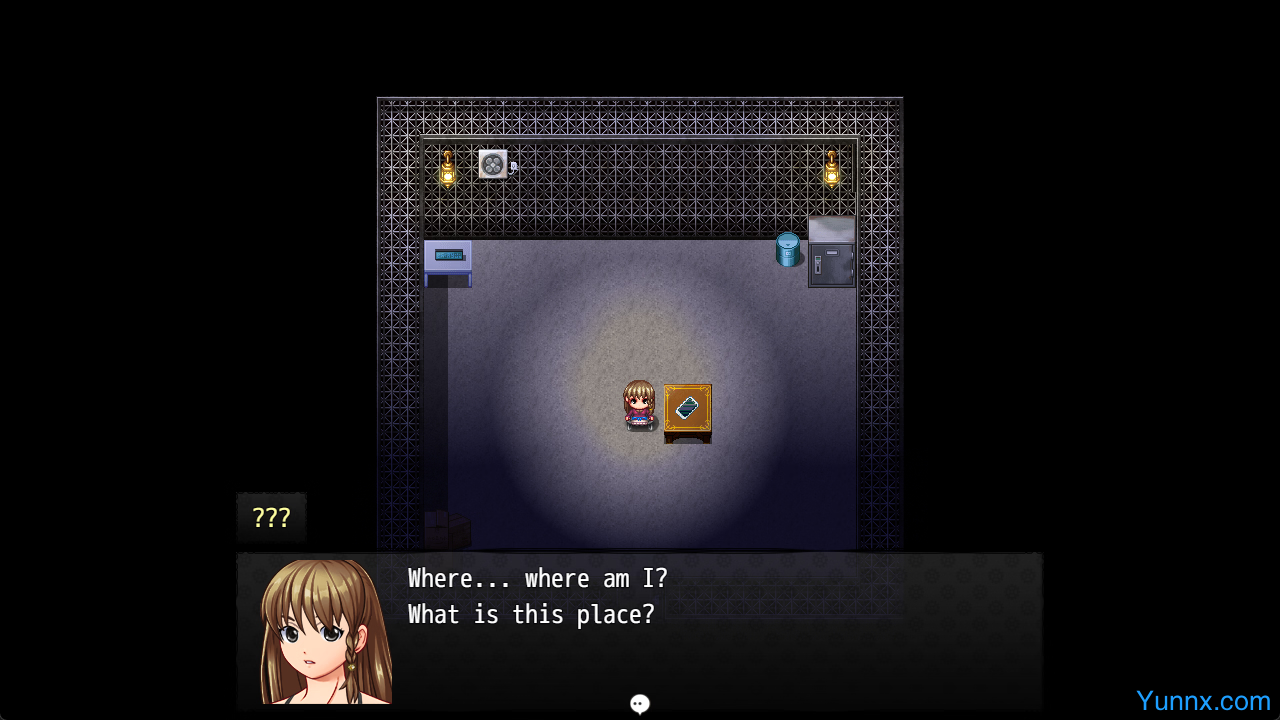
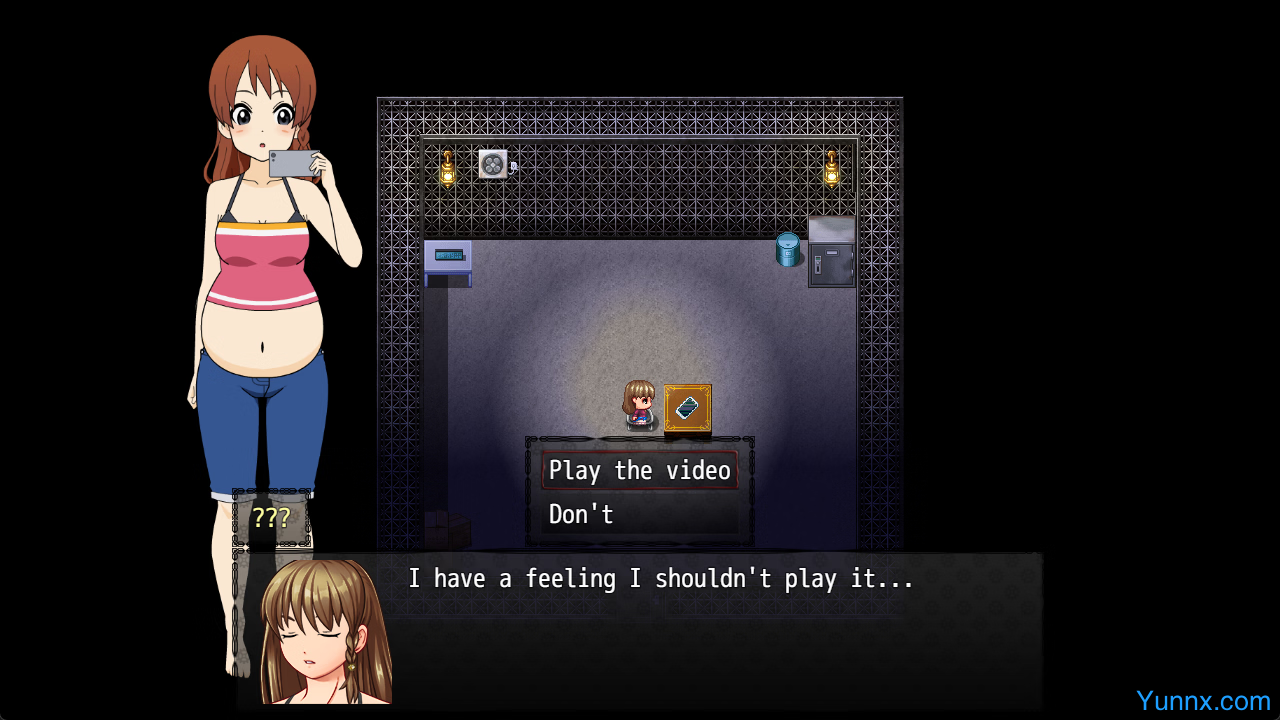
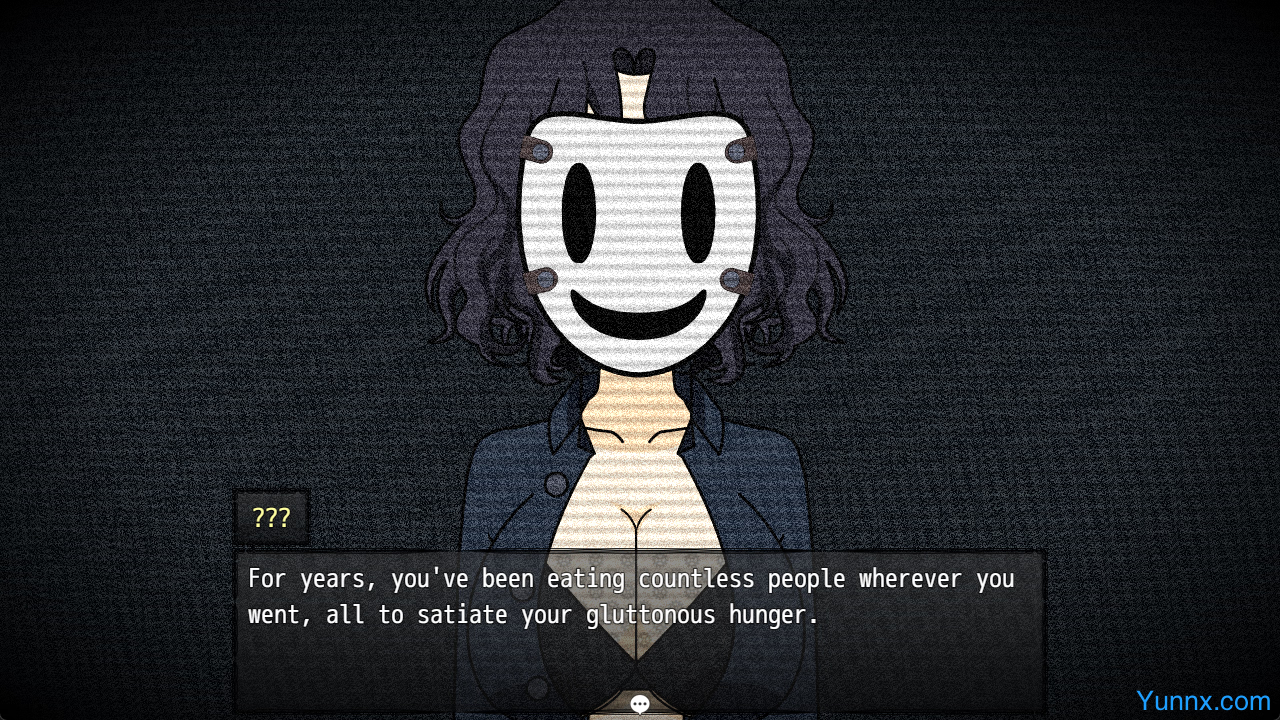
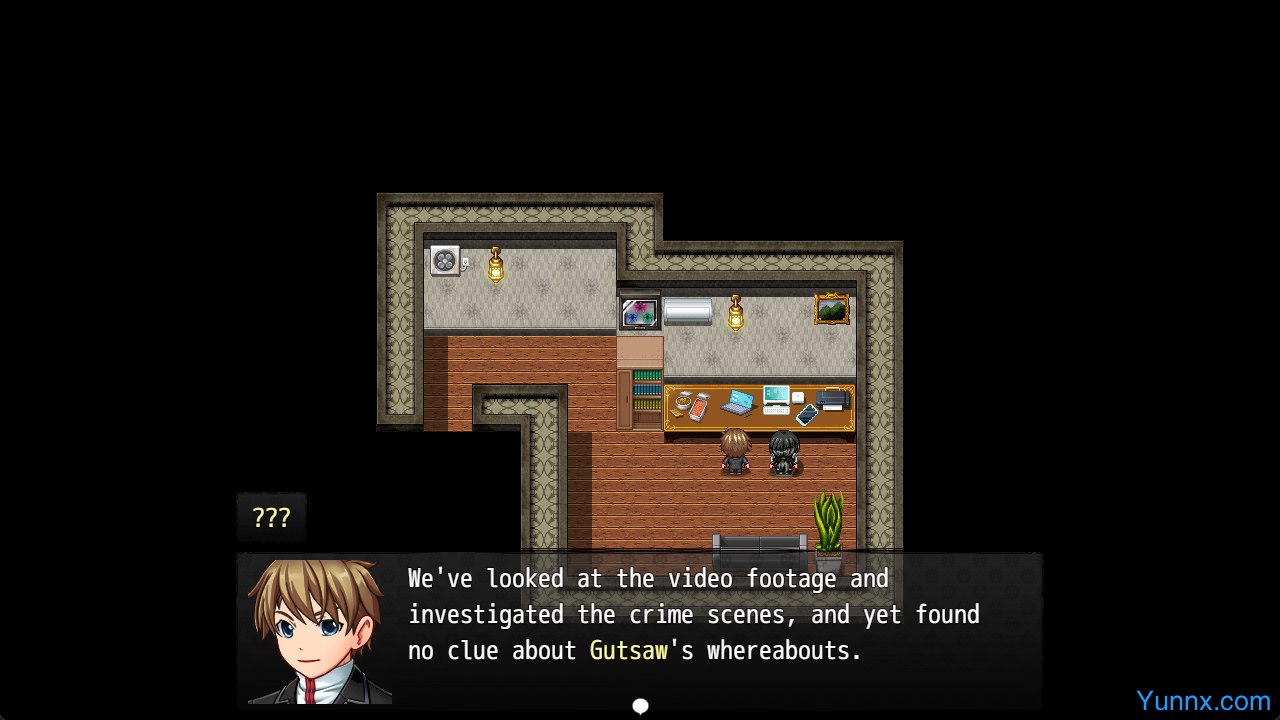
Gutsaw: Trust the Untrusted plunges you into a nightmare orchestrated by a serial killer who forces her victims through lethal "trials" for a chance to live. As her newest captive, you must outsmart Gutsaw’s twisted games while the police race to stop her reign of terror. No one has ever survived her challenges—will you be the first, or become another statistic in her gruesome legacy?
The Hunter and Her Game
1. A Sinister Antagonist: Gutsaw isn’t just a killer; she’s a master manipulator who designs personalized trials to break her prey psychologically. Her motives remain shrouded in mystery, adding layers of dread as you uncover fragments of her past through environmental clues and victim logs.
2. High-Stakes Trials: Each trial is a unique puzzle blending physical endurance, quick decision-making, and moral dilemmas. From timed escapes in booby-trapped environments to cryptic riddles that test your sanity, failure means instant death—and Gutsaw revels in every misstep.
3. Law Enforcement Subplot: While you struggle to survive, the police investigation unfolds indirectly through radio broadcasts and discarded evidence. Their progress—or lack thereof—creates a ticking clock, reminding you that hope is fleeting but not entirely absent.
Core Gameplay and Player Agency
1. Dynamic Choice System: Your decisions directly shape the narrative and trial outcomes. Trusting other captives might lead to alliances or betrayal, while resource scarcity forces agonizing trade-offs between self-preservation and altruism.
2. Environmental Interaction: Scavenge for tools, decode hidden messages, and manipulate your surroundings to gain advantages. The game rewards observational skills—overlooking a subtle clue could spell doom in later stages.
3. Adaptive Difficulty: Gutsaw learns from your strategies. If you repeatedly exploit a tactic, she alters subsequent trials to counter it, ensuring no two playthroughs feel identical and maintaining relentless tension.
Immersive Horror and Technical Execution
1. Psychological Terror: The game relies on atmospheric dread rather than jump scares. Sound design amplifies isolation with distant whispers and unsettling noises, while visual distortions blur the line between reality and paranoia during stress points.
2. Branching Narrative Pathways: Multiple endings reflect your cumulative choices—whether you succumb to despair, turn ruthless, or achieve a fragile victory. Secret endings require uncovering deeply hidden lore about Gutsaw’s origins.
3. Replayability Incentives: Unlockable difficulty modes, developer commentary, and trial randomizers encourage repeated exploration. Achievements track niche accomplishments like pacifist runs or solving trials without hints.