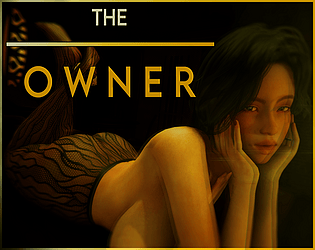





NTR Stories: Different Lives, Same Fate invites players into a meticulously crafted universe where emotional boundaries are tested through three interconnected narratives centered on themes of betrayal, desire, and psychological complexity. This visual novel experience explores the nuanced dynamics of Netorare (NTR), weaving together multiple perspectives into a shared world where choices resonate across stories. The public release delivers the complete core content of Season 1, while Early Access supporters receive exclusive future updates, additional scenes, and behind-the-scenes material. Designed for enthusiasts of mature storytelling, the game challenges conventional relationship tropes with its layered character development and morally ambiguous scenarios.
Narrative Depth and Interconnected Worlds
1. The game structures its campaign around three distinct yet interwoven stories, each examining NTR from unique angles—whether through the lens of emotional neglect, opportunistic seduction, or calculated manipulation. This multi-perspective approach ensures no single character’s experience defines the entire universe, enriching the overarching lore.
2. Characters across stories occasionally cross paths or influence events indirectly, creating a cohesive timeline where actions in one narrative may ripple into another. For instance, a side character in one story might become the central focus in a different arc, rewarding players who explore every thread.
3. Unlike linear visual novels, the game employs a "Fate System" where pivotal decisions in early chapters dynamically alter dialogue options, relationships, and endings in subsequent stories. This encourages replayability to uncover how different choices reshape the fates of all characters.
Emotional Resonance and Character Arcs
1. Protagonists are designed with flawed, relatable motivations, making their journeys into betrayal or complicity feel psychologically plausible. Each character’s backstory—revealed through unlockable diaries or flashbacks—adds layers to their actions, preventing simplistic moral judgments.
2. The game avoids gratuitous drama by grounding conflicts in realistic relationship tensions, such as communication breakdowns, unmet desires, or external pressures. Emotional payoffs are earned through gradual build-ups, with scenes focusing on internal turmoil rather than sensationalism.
3. Players encounter varied archetypes, from the initially oblivious partner who grows suspicious to the assertive third party exploiting vulnerabilities. These archetypes subvert expectations by revealing hidden depths, such as a seemingly villainous character’s own history of heartbreak.
Gameplay Mechanics and Player Agency
1. Dialogue trees go beyond superficial choices, incorporating a "Trust Meter" that tracks how much characters believe or doubt each other. Critical decisions can permanently shift this meter, locking or unlocking routes in all three stories.
2. Key scenes feature "Perspective Shifts," allowing players to temporarily assume the role of different characters during pivotal moments. This mechanic reveals intentions or secrets unknown to the main protagonist, adding dramatic irony and depth.
3. The interface includes a "Timeline Journal" that logs events across all stories in chronological order. Players can revisit this journal to identify connections between disparate events, piecing together the full scope of the interconnected universe.
Visual and Audio Presentation
1. Artwork emphasizes expressive character sprites with dynamic poses and subtle facial animations that convey emotional shifts without explicit text. Backgrounds use lighting contrasts—e.g., dimly lit rooms for intimate tensions or vibrant social settings for public humiliations.
2. An original soundtrack adapts to narrative tones, transitioning from melancholic piano melodies during reflective moments to dissonant ambient tracks during scenes of unease. Sound effects, like distant phone notifications or echoing footsteps, enhance situational realism.
3. The user interface integrates thematically with the game’s focus on hidden truths; menus resemble fragmented diary pages, and save files display icons hinting at pivotal branching points without spoilers.