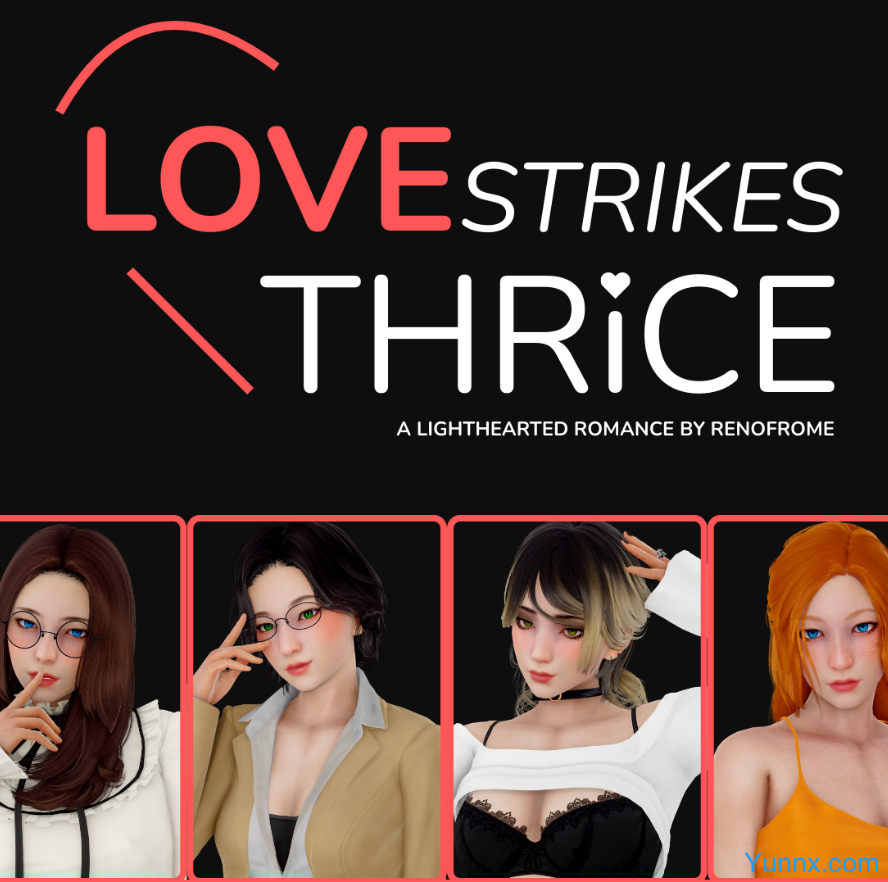
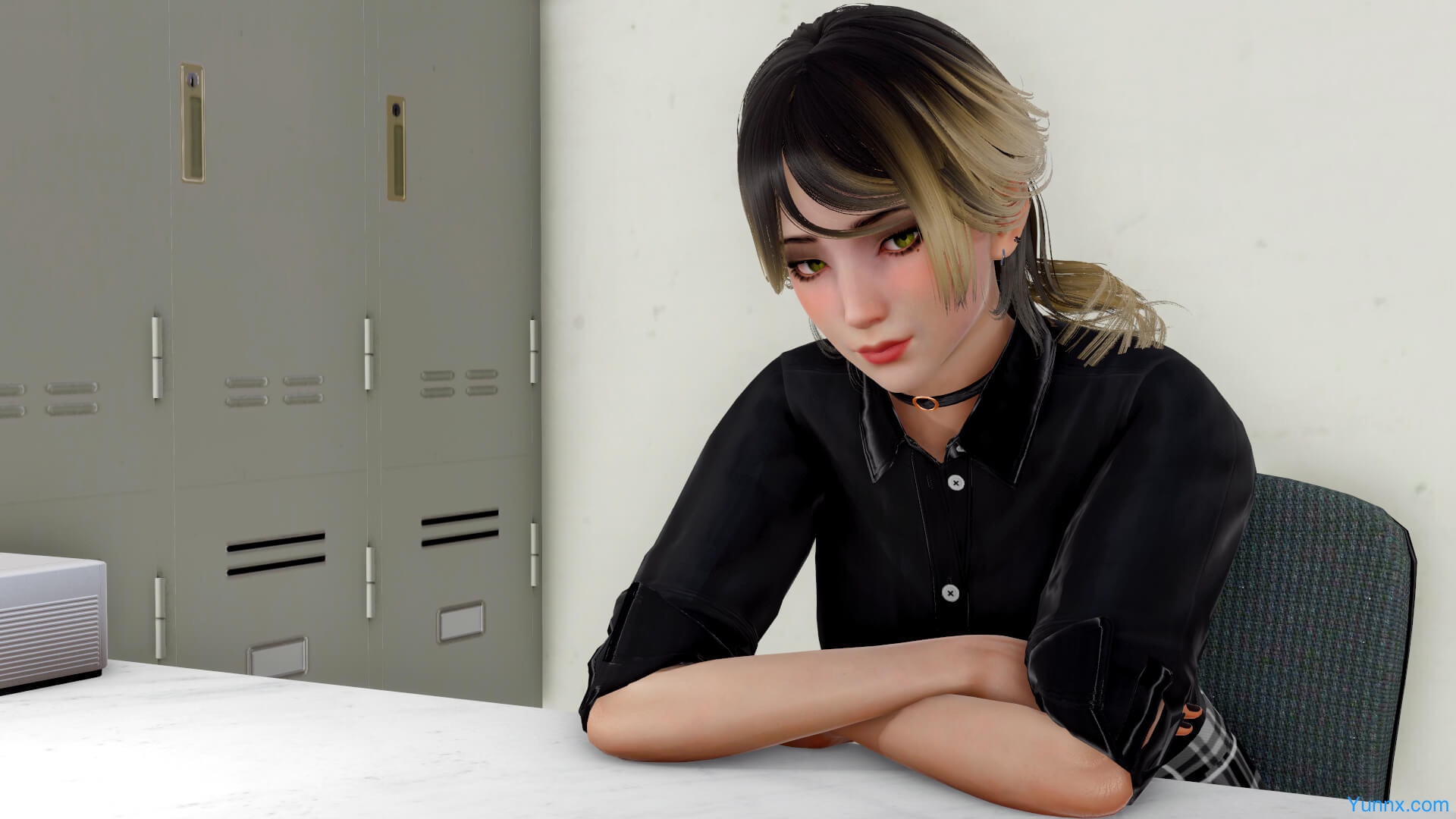
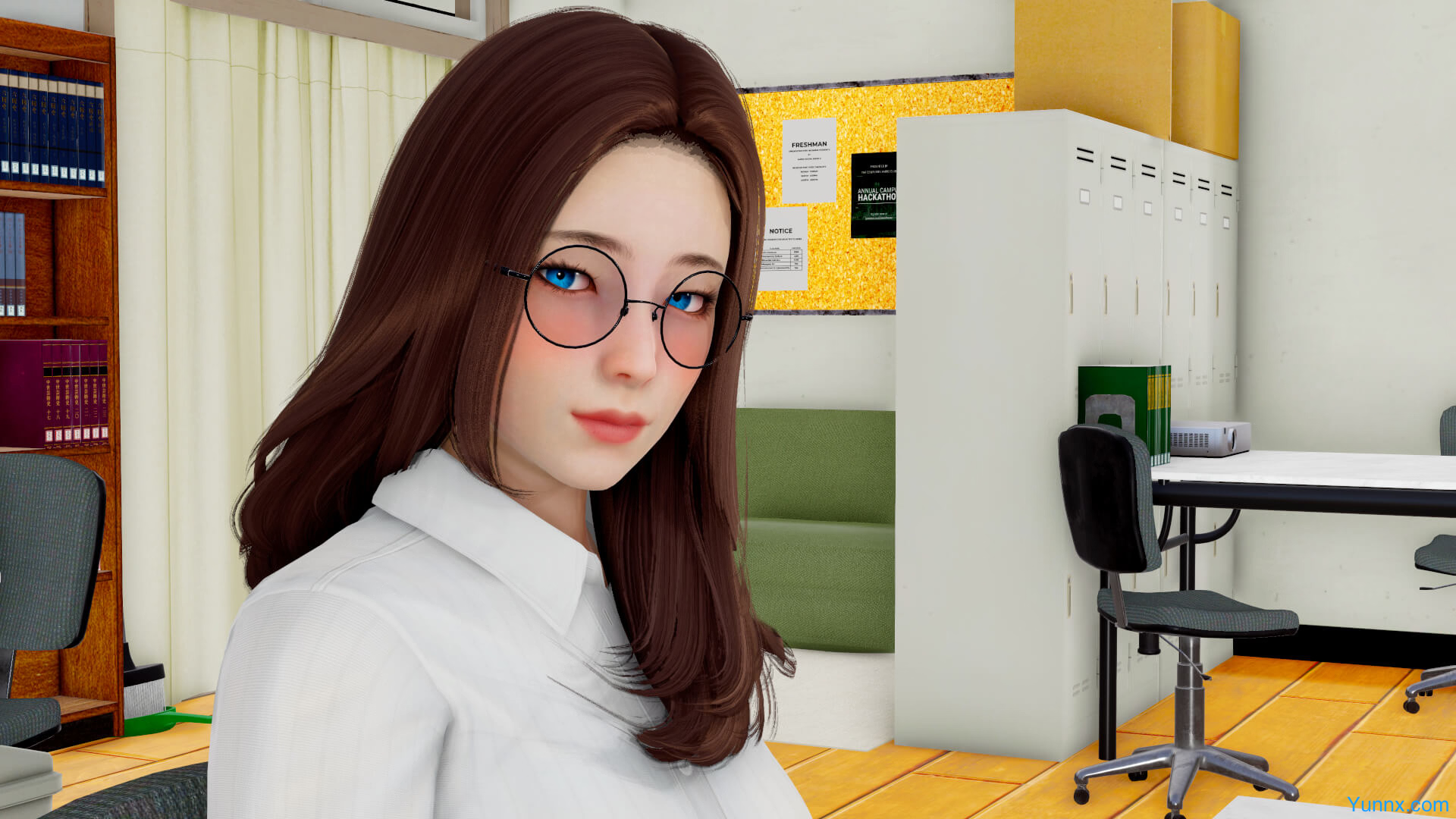

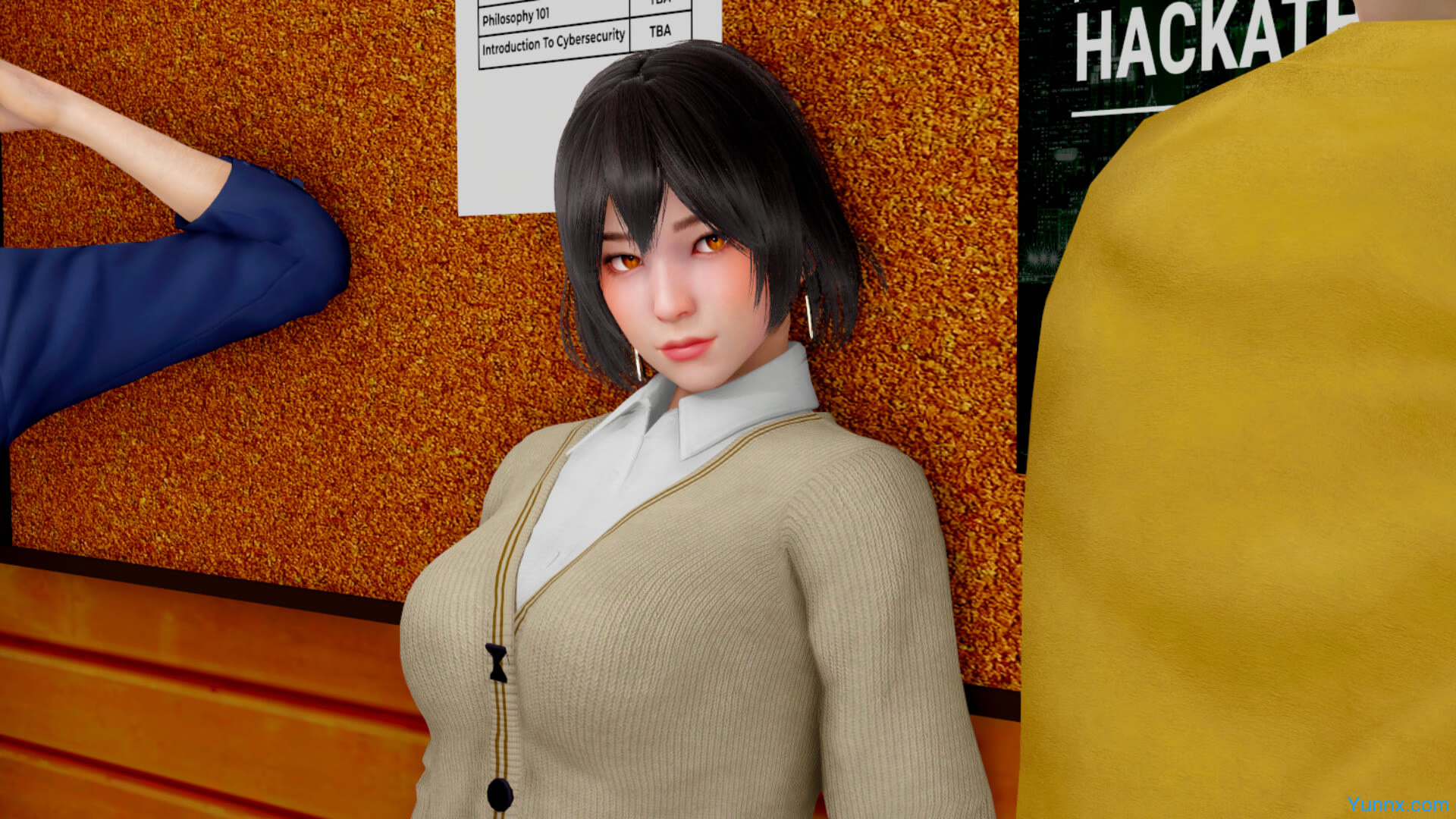
Follow three young adults as they grapple with societal expectations, hidden desires, and the fragile balance between ambition and authenticity. Eric Hayes, a student council vice president haunted by his curated persona, crosses paths with a mysterious neighbor whose arrival triggers a chain of events that will unravel their carefully constructed lives.
Multi-Threaded Narrative & Character Depth
The story unfolds through interconnected perspectives, blending third-person observation with first-person introspection to capture the complexity of modern relationships.
1. Eric’s Public vs. Private Struggles: Balance leadership duties with personal insecurities—manage time between council meetings, part-time jobs, and a growing attraction to his enigmatic neighbor, Mia.
2. Mia’s Hidden Agenda: Uncover her past as a reclusive artist whose sudden move to the neighborhood masks a quest for redemption tied to a family secret.
3. Interwoven Fates: Discover how decisions in one character’s storyline—like Eric’s choice to expose corruption or Mia’s decision to confront her estranged father—ripple across others’ lives.
Dynamic Relationship Systems
Build trust, rivalry, or romance through context-sensitive interactions that reflect real-world social dynamics.
1. Moral Ambiguity: Navigate situations where honesty conflicts with self-preservation—e.g., cover up a friend’s mistake or expose truths that fracture alliances.
2. Branching Consequences: Choices in early chapters determine late-game alliances and antagonists.
3. Hidden Storylines: Unlock secret scenarios by aligning with specific characters, discover Mia’s connection to a decades-old campus mystery by aiding her in cryptic puzzles.
Interactive Gameplay Mechanics
Immerse yourself in the characters’ worlds through mechanics that mirror their emotional journeys.
1. Time Management Mini-Games: Balance Eric’s council duties with personal obligations—miss deadlines to prioritize Mia’s art exhibition and risk political fallout.
2. Dialogue Trees with Weighted Outcomes: Convince a rival politician to support a policy by appealing to their ego or empathy, altering the game’s power dynamics.
3. Environmental Storytelling: Piece together Mia’s past by analyzing her abstract paintings, each brushstroke revealing fragmented memories of her mother’s disappearance.
Art & Sound Design Philosophy
A minimalist aesthetic juxtaposes stark realism with surreal symbolism, reflecting the characters’ internal conflicts.
1. Dual Art Styles: Eric’s scenes use muted tones and rigid compositions to emphasize societal pressure, while Mia’s sequences feature vibrant, distorted visuals mirroring her mental state.
2. Dynamic Soundtracks: A blend of ambient electronica and orchestral swells shifts with tension—calm piano melodies during introspective moments give way to dissonant strings during confrontations.
3. Voice Acting Nuance: Multiple voice options for key characters (e.g., Eric’s friend can be sarcastic or earnest) allow players to shape interpersonal chemistry.