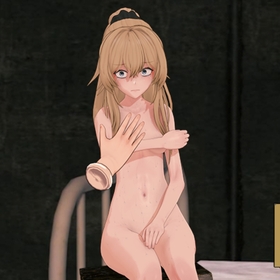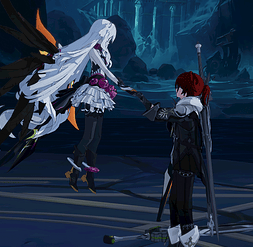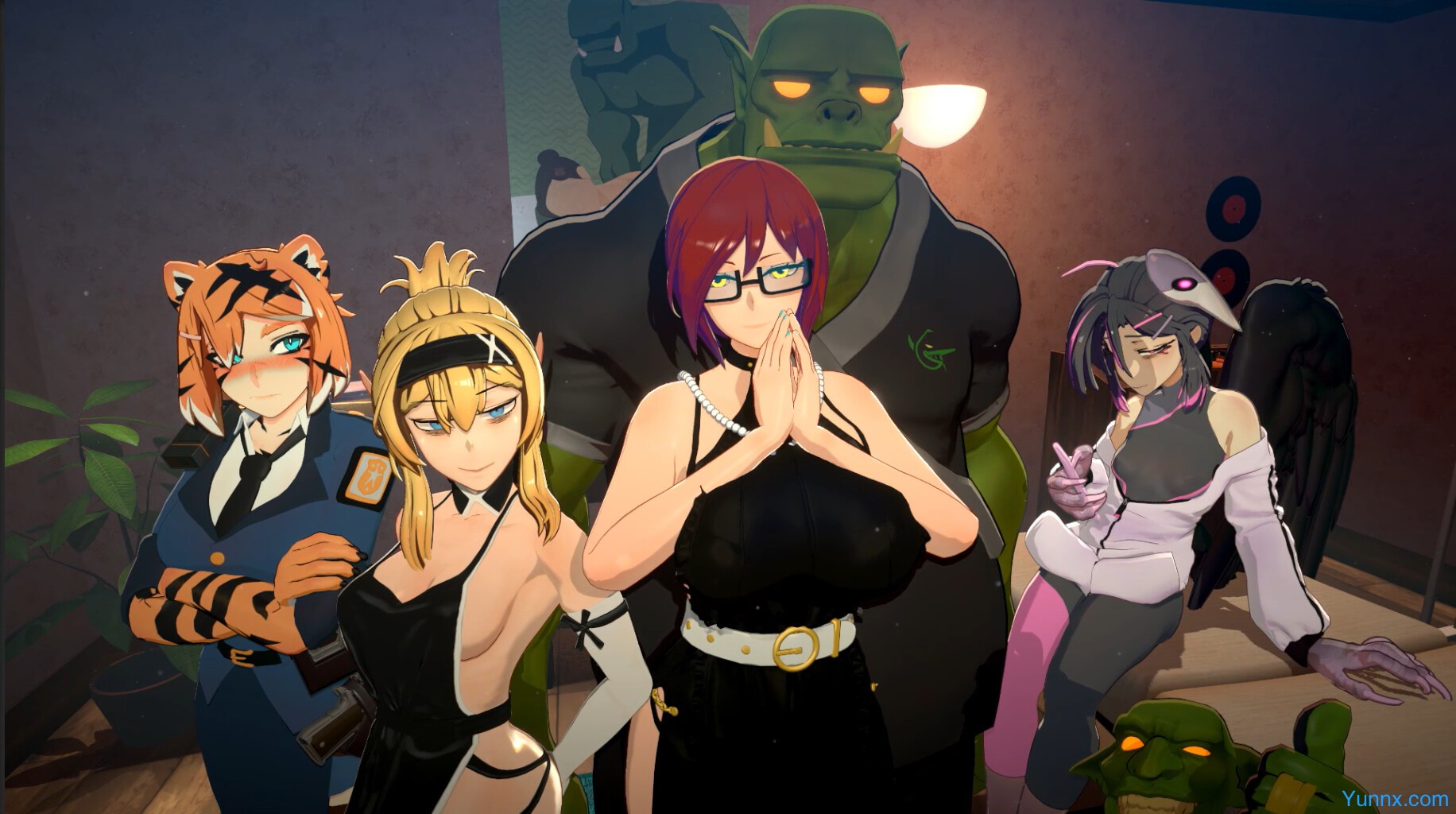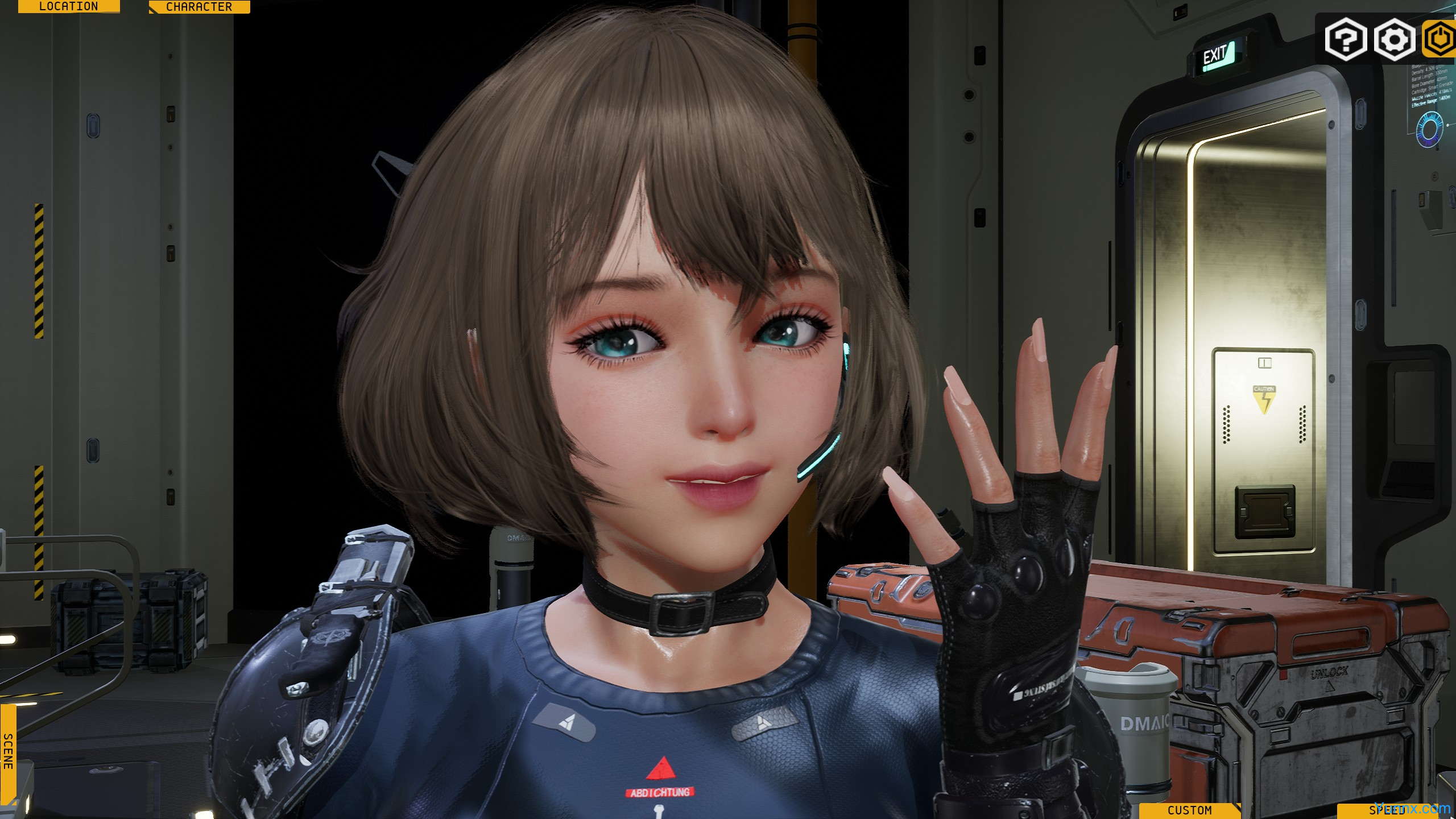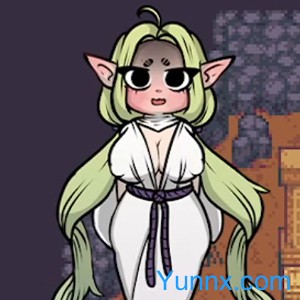

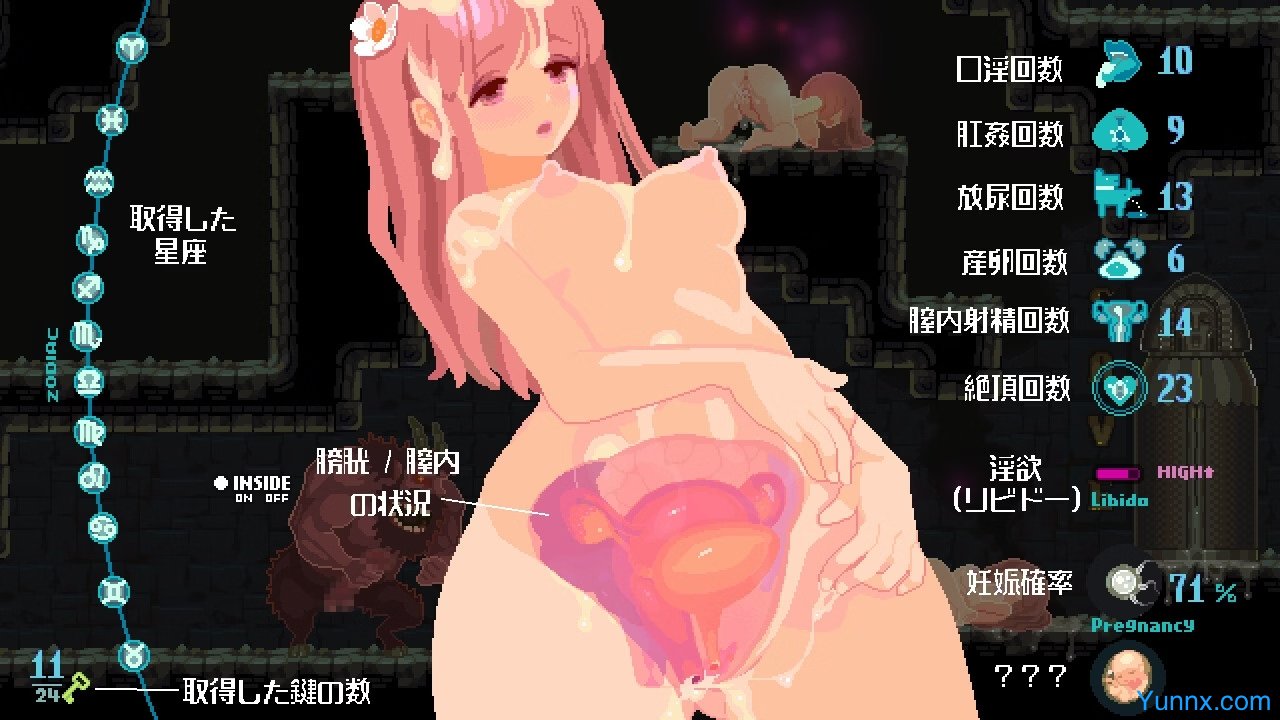
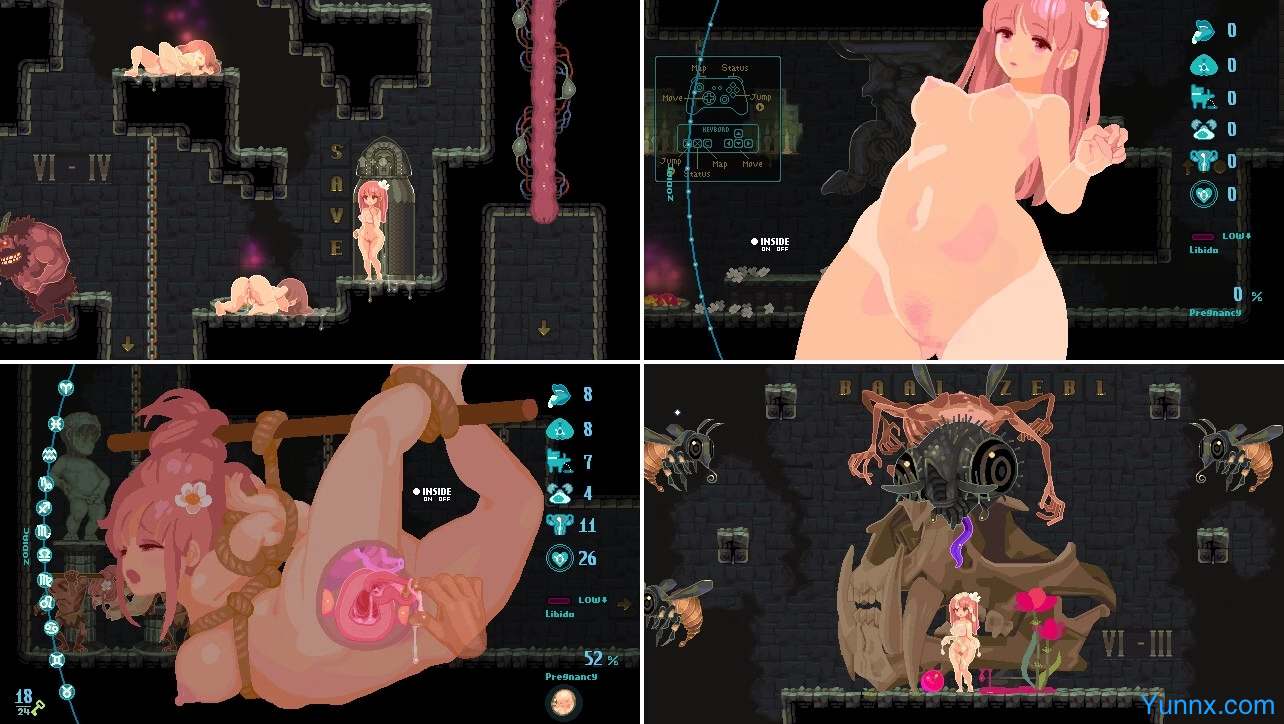
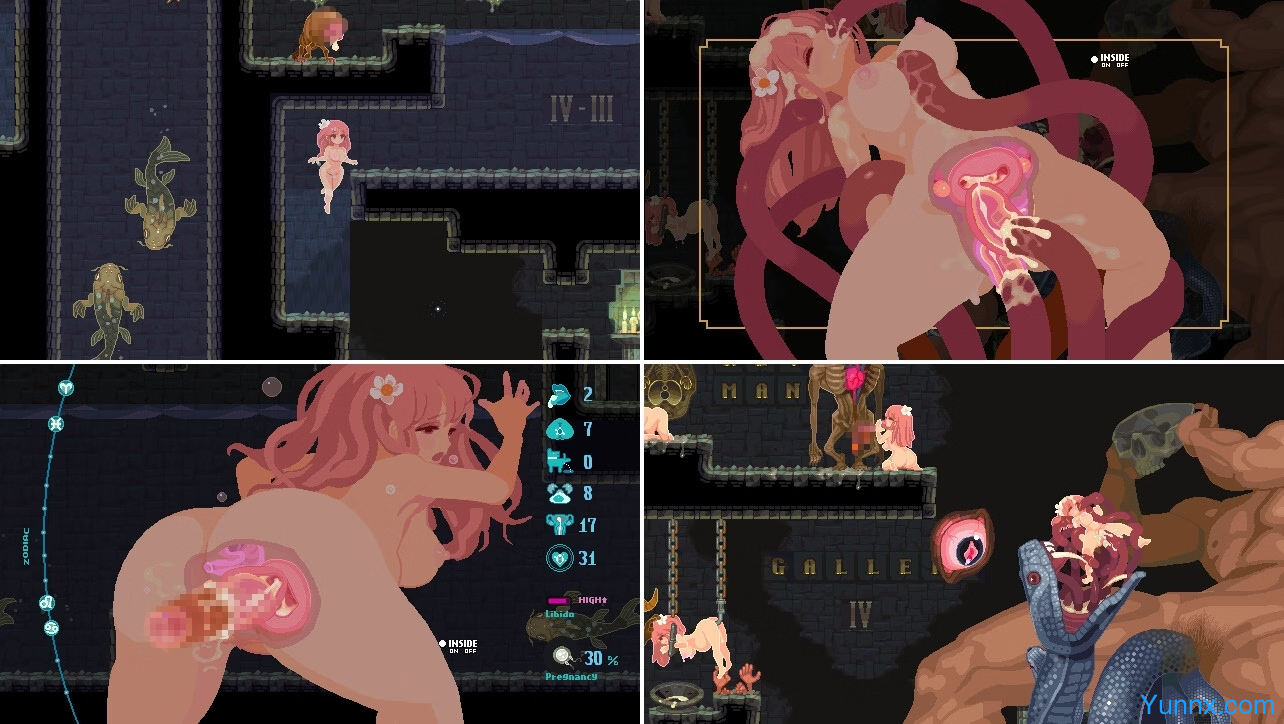
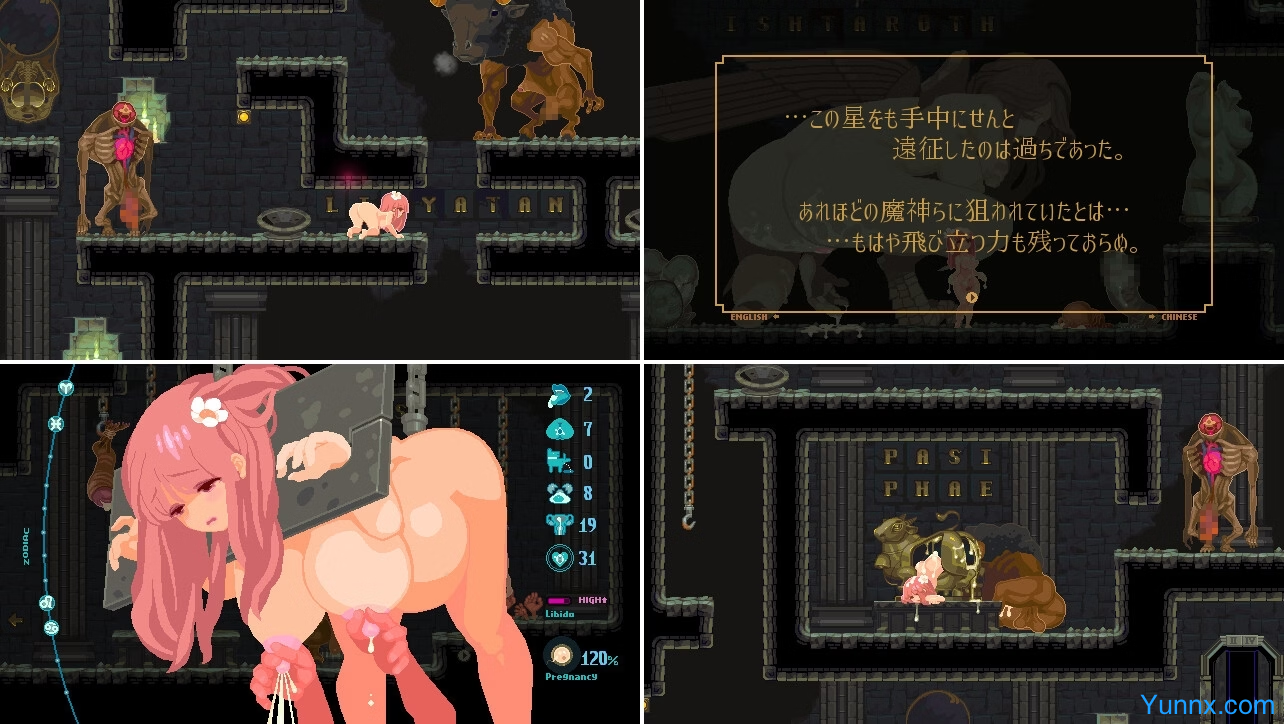
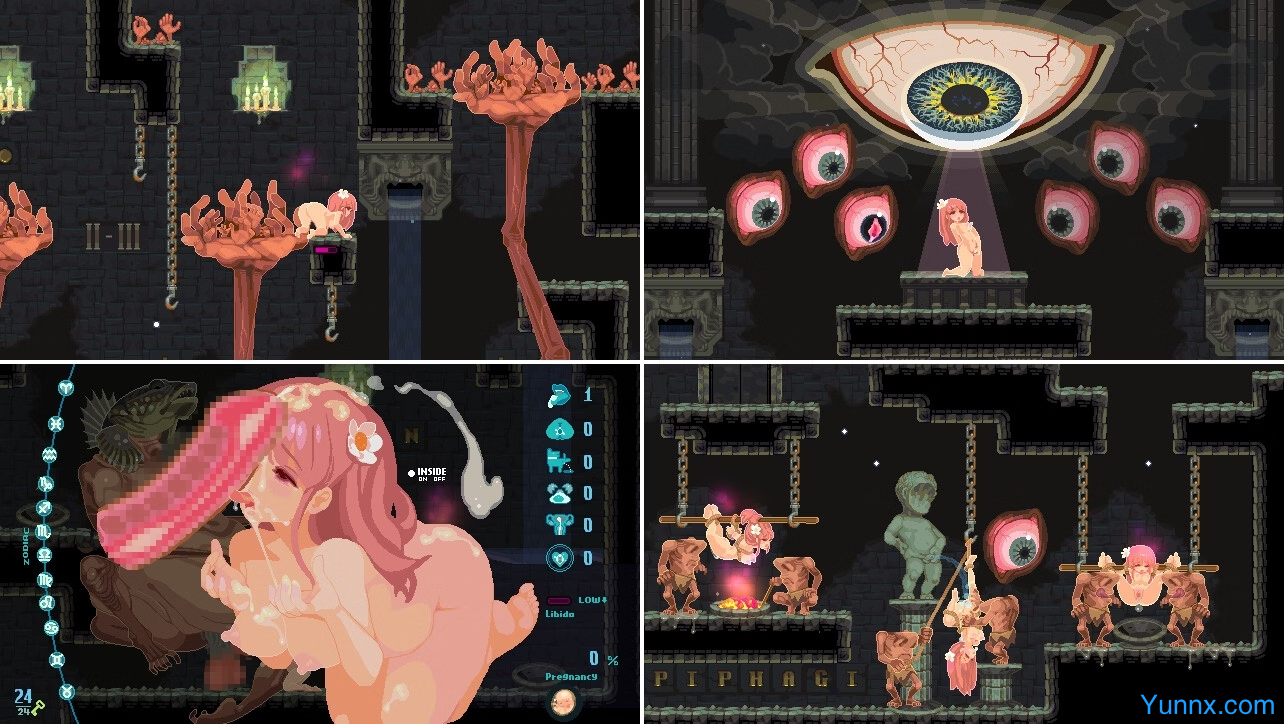
LEWD GOD plunges players into a dark fantasy action-adventure where a sacrificed maiden must navigate a treacherous labyrinth ruled by the Lust God. This erotic exploration game challenges players to conquer-driven enemies and traps through physical prowess—climbing, crawling, and swimming through perilous environments. Every choice risks corruption or liberation, blending tense platforming with morally ambiguous puzzles in a world where surrender might be the key to survival
A Labyrinth of Temptation and Danger
1. Seductive Environmental Design: The maze shifts between opulent chambers and grotesque caverns, each zone featuring interactive hazards like living vines that ensnare or pools that alter perception. Lighting and soundscapes amplify tension, with whispers of the Lust God taunting the maiden’s resolve.
2. Thematic Enemy Encounters: Foes embody carnal desires, from shadowy stalkers that pursue with relentless hunger to stationary traps that paralyze with pleasure. Each enemy type requires unique interactions, whether evading their grasp or strategically yielding to their advances.
3. Dynamic Morality System: The labyrinth reacts to the maiden’s actions—resisting temptation strengthens her purity, while repeated submission unlocks hidden paths adorned with greater risks and rewards. This duality mirrors the overarching conflict between escape and eternal servitude.
Physics-Driven Exploration and Puzzle Solving
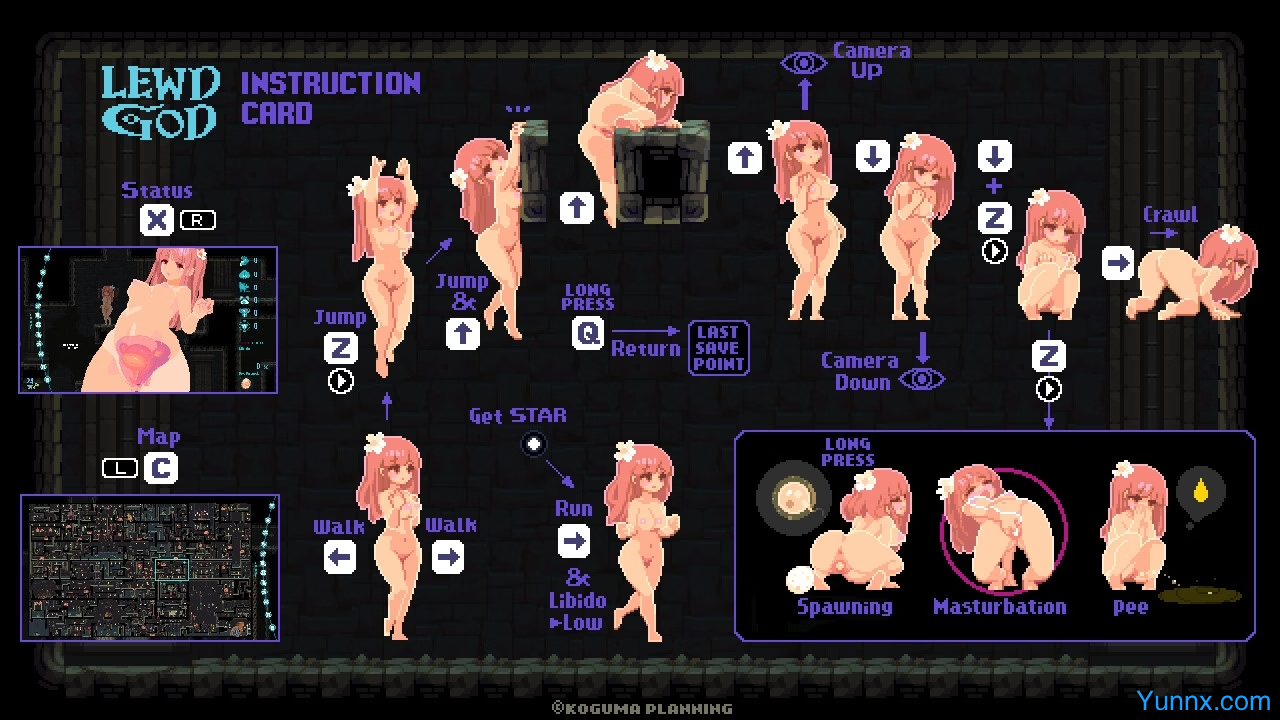
1. Intuitive Movement Mechanics: The maiden scrambles up crumbling walls, squeezes through narrow fissures, and dives through underwater tunnels with fluid animations. Momentum-based controls demand precision, as miscalculated jumps lead to capture or fatal falls.
2. Puzzles Rooted in Sacrifice: Progress often hinges on voluntary capture—allowing certain enemies to transport the maiden to otherwise inaccessible areas. This risk-reward system encourages players to weigh short-term losses against long-term gains, such as unlocking shortcuts or vital resources.
3. Interactive Object Integration: Leveraging environmental props is essential; for example, activating ancient altars temporarily disables traps, while misplaced steps trigger cascading effects like collapsing platforms or awakening dormant guardians.
Narrative Depth and Character Evolution
1. Branching Storyline Architecture: The maiden’s journey unfolds through fragmented lore found in hidden scrolls and encounters with other lost souls. Key decisions—like sparing a corrupted guardian or defiling a sanctuary—ripple across the narrative, culminating in multiple endings ranging from triumphant ascension to devious dominion.
2. Psychological Progression: As the maiden confronts desires, her abilities evolve. Purity unlocks swift, agile movements, while corruption grants brute force or seductive charms to manipulate enemies. This transformation is visually reflected in her appearance and the world’s aesthetics.
3. Emotional Resonance Through Isolation: The game emphasizes solitude and tension, with minimal dialogue amplifying the weight of each choice. Flashbacks to her pre-sacrifice life contrast with the labyrinth’s decadence, deepening the stakes of her internal struggle.
Unforgettable Auditory and Visual Execution
1. Atmospheric Sound Design: A haunting score blends orchestral melodies with unsettling ambient noises, while enemy encounters feature immersive audio cues—like the crescendo of breathless chases or the eerie silence before a trap activates.
2. Artistic Cohesion in Visuals: The art style merges Gothic architecture with surreal, biomechanical elements, ensuring every texture and character model reinforces the theme of desire versus decay. Particle effects highlight interactive elements, such as glowing runes or pulsating vines.
3. Replayability Through Secrets: Beyond the main path, hidden chambers contain collectibles that unveil the Lust God’s origins, alongside cosmetic upgrades and achievement-tied challenges. Speedrun modes and randomized trap layouts invite repeated playthroughs for completionists.