
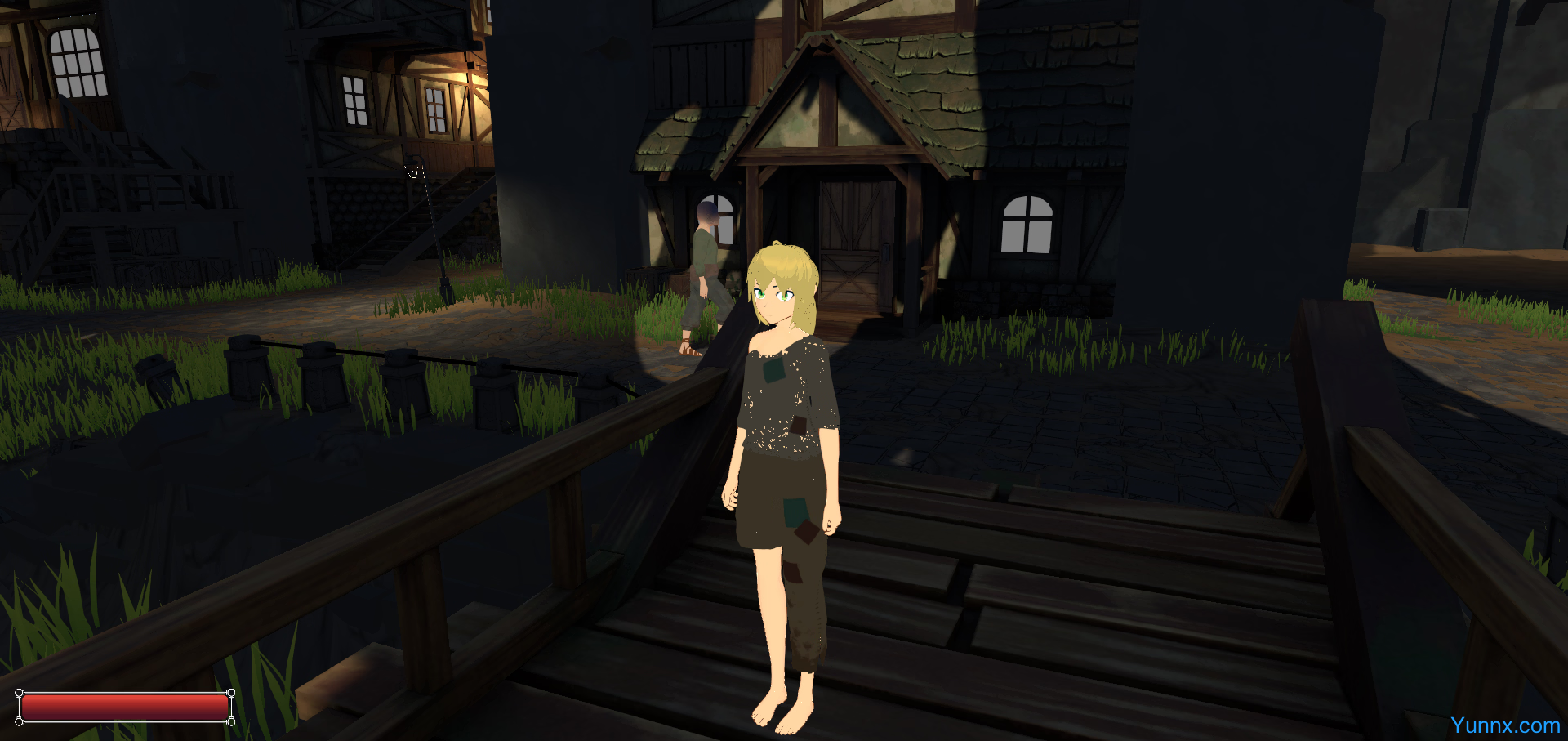
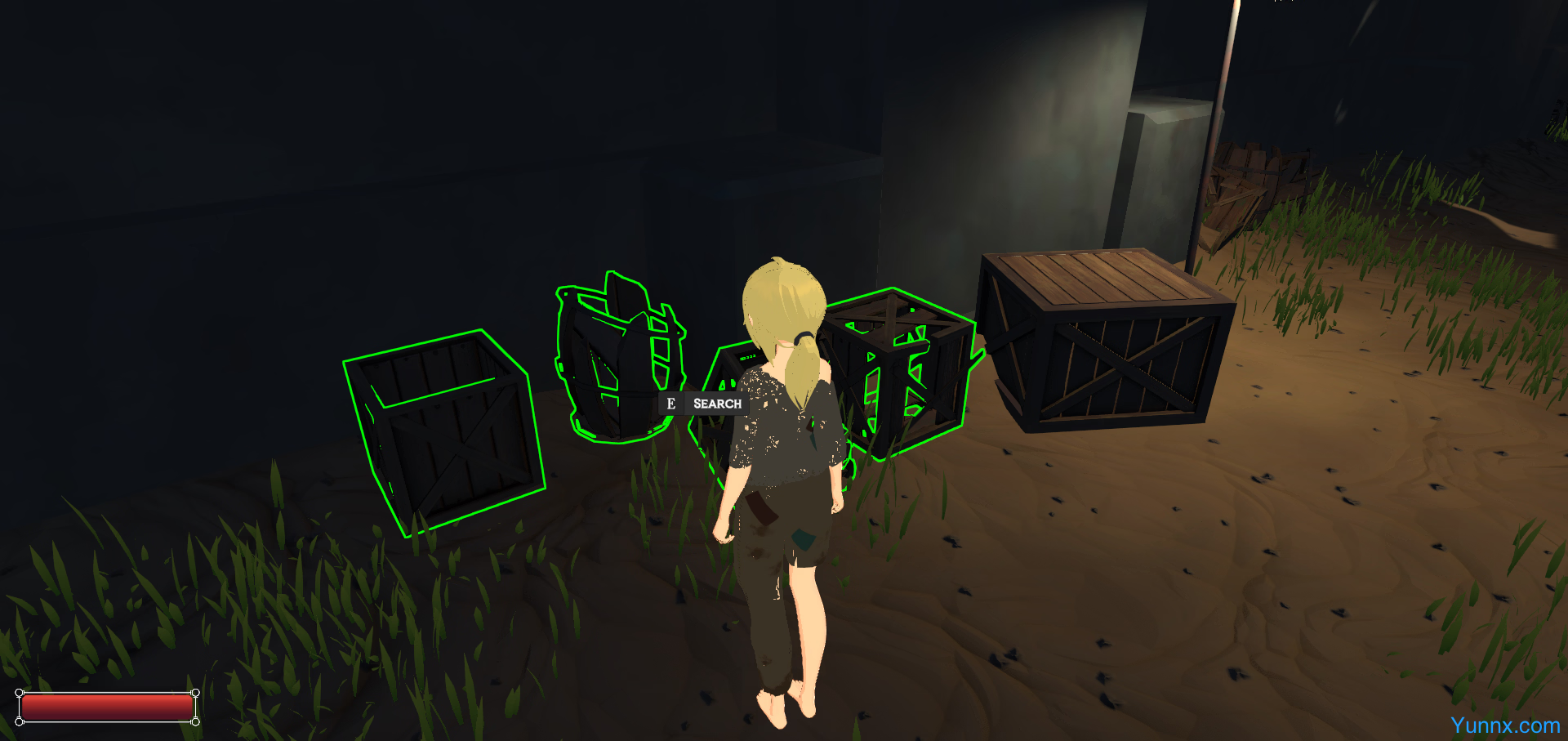
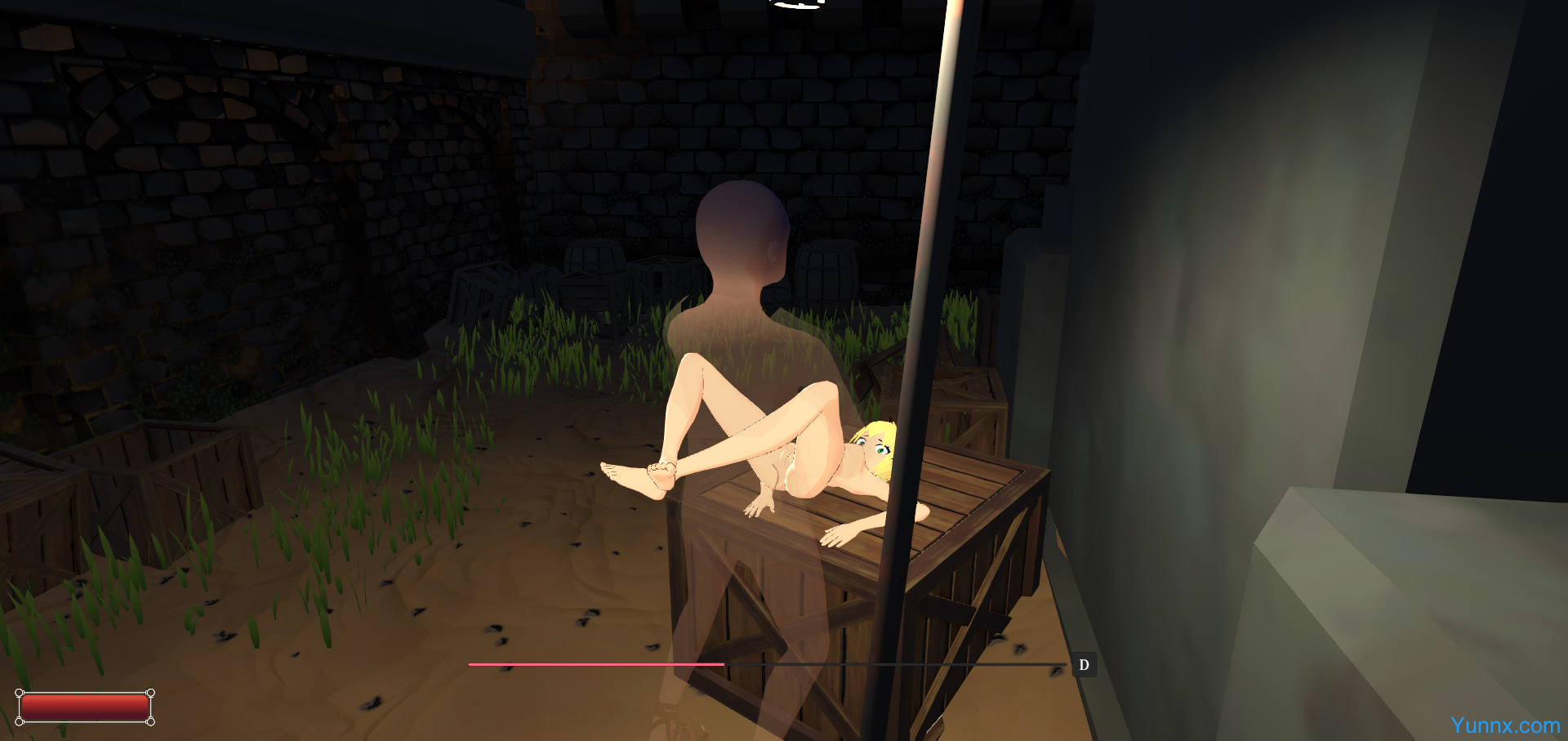
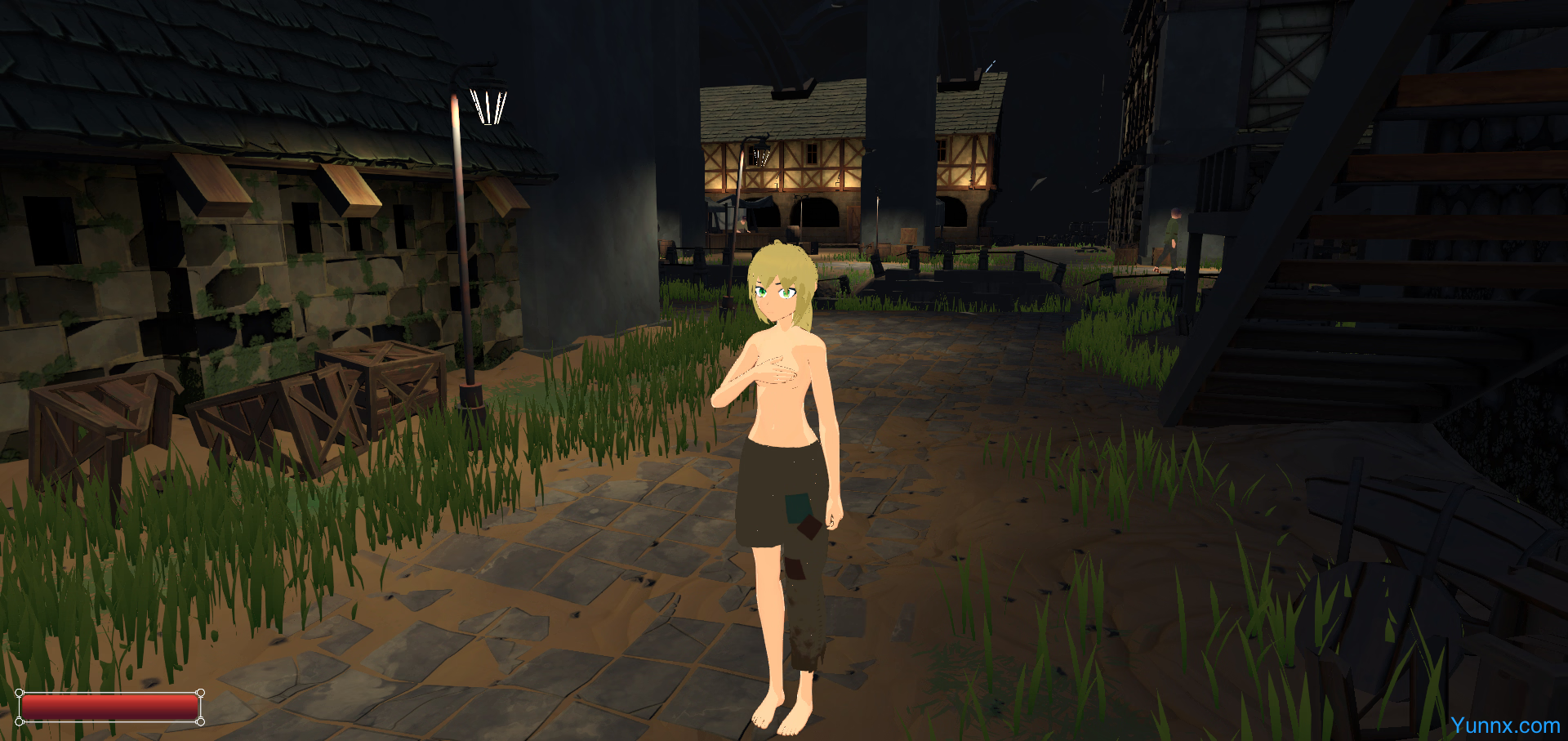
Rumi Project pulls you into a gritty, medieval world where survival hinges on desperate choices. You play as Rumi, a beggar girl fighting for scraps in a realm devoid of mercy. In this tech demo, core mechanics are already functional: scavenge from crates, plead for coins, or sell your body in the oldest profession. Every decision shapes Rumi’s fate as she struggles to earn enough for her next meal. Will you help her endure—or succumb to the darkness?
A Harsh Medieval World
The game unfolds in a low-fantasy setting inspired by historical struggle rather than heroic myth. This isn’t a land of noble knights or grand quests; it’s a society where the poor are invisible, and morality is a luxury few can afford.
1. Gritty, Believable Setting: The environment reflects a realistic medieval era marked by inequality and decay. Towns are crowded yet isolating, with narrow alleys and markets where Rumi must navigate threats and opportunities. The atmosphere emphasizes survival above all, immersing players in a world where beauty is sparse and desperation lingers in every corner.
2. Rumi’s Precarious Existence: As an orphaned beggar girl, Rumi starts with nothing—no allies, no status, and no safety net. Her background is a blank slate shaped by your actions, but her position at the bottom of society forces players to experience the era through the eyes of its most vulnerable.
3. Ethical Ambiguity: The world does not judge Rumi’s choices. Whether she steals, begs, or engages in sex work, the game presents these options as practical responses to systemic hardship. This approach encourages players to think in terms of consequence rather than conventional morality.
Core Gameplay & Survival Mechanics
Gameplay focuses on interaction, resource management, and consequence-driven choices. Each day brings new risks, and every action—whether honorable or harsh—carries a tangible outcome.
1. Multiple Income Streams: Players can choose how Rumi survives. She can scavenge for items in crates and abandoned areas (high risk, variable reward), beg from NPCs (low reward but relatively safe), or engage in prostitution for more immediate, though complex, earnings. Each method features its own mini-mechanics and potential repercussions .
2. Dynamic Needs System: Rumi must manage needs like hunger, energy, and morale. Ignoring these leads to debuffs, sickness, or even game over. Earning enough for food is a constant pressure, and players must decide whether to spend meager coins on short-term relief or save for slightly better gear.
3. Emergent Events & NPC Interactions: The world reacts to Rumi’s reputation and past actions. An NPC she robbed might seek revenge, while a client from her sex work could reappear with new demands or offers. These unscripted moments create a sense of living world that remembers the player’s decisions.
Character Progression & Demo Scope
As a technical demo, the Rumi Project showcases a solid foundation for a larger narrative-driven RPG. The current build allows players to experience Rumi’s daily struggle and glimpse the deeper systems planned for future development.
1. Skill-Based Development: Though still in early stages, the demo suggests a progression where Rumi can improve skills related to her survival activities—stealth for scavenging, persuasion for begging, or street smarts for navigating dangerous transactions. These skills could influence dialogue options and open new paths.
2. Tech Demo Showcase: The current version proves core systems are operational: NPC schedules, day/night cycles, basic economy, and branching dialogue. This functional slice demonstrates the potential for a full game centered on choice-driven storytelling in a persistent world.
3. Future Roadmap Potential: The demo lays groundwork for features like a reputation system with different factions (town guards, merchants, underworld figures), multi-stage quests, and more elaborate narrative arcs. The developers have positioned this build to gather feedback for a more expansive vision. appealing to players seeking depth and consequence in their games.