
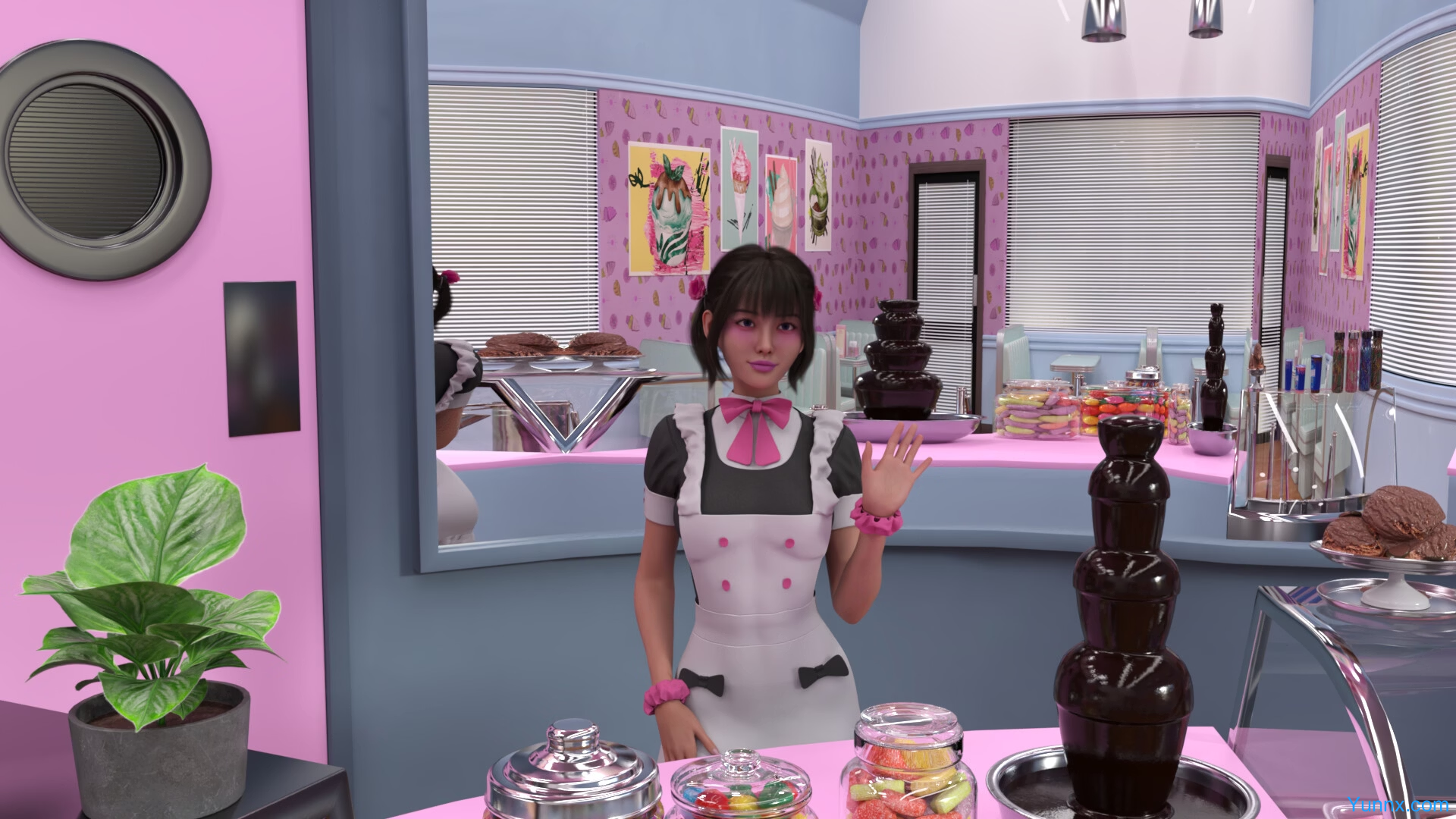


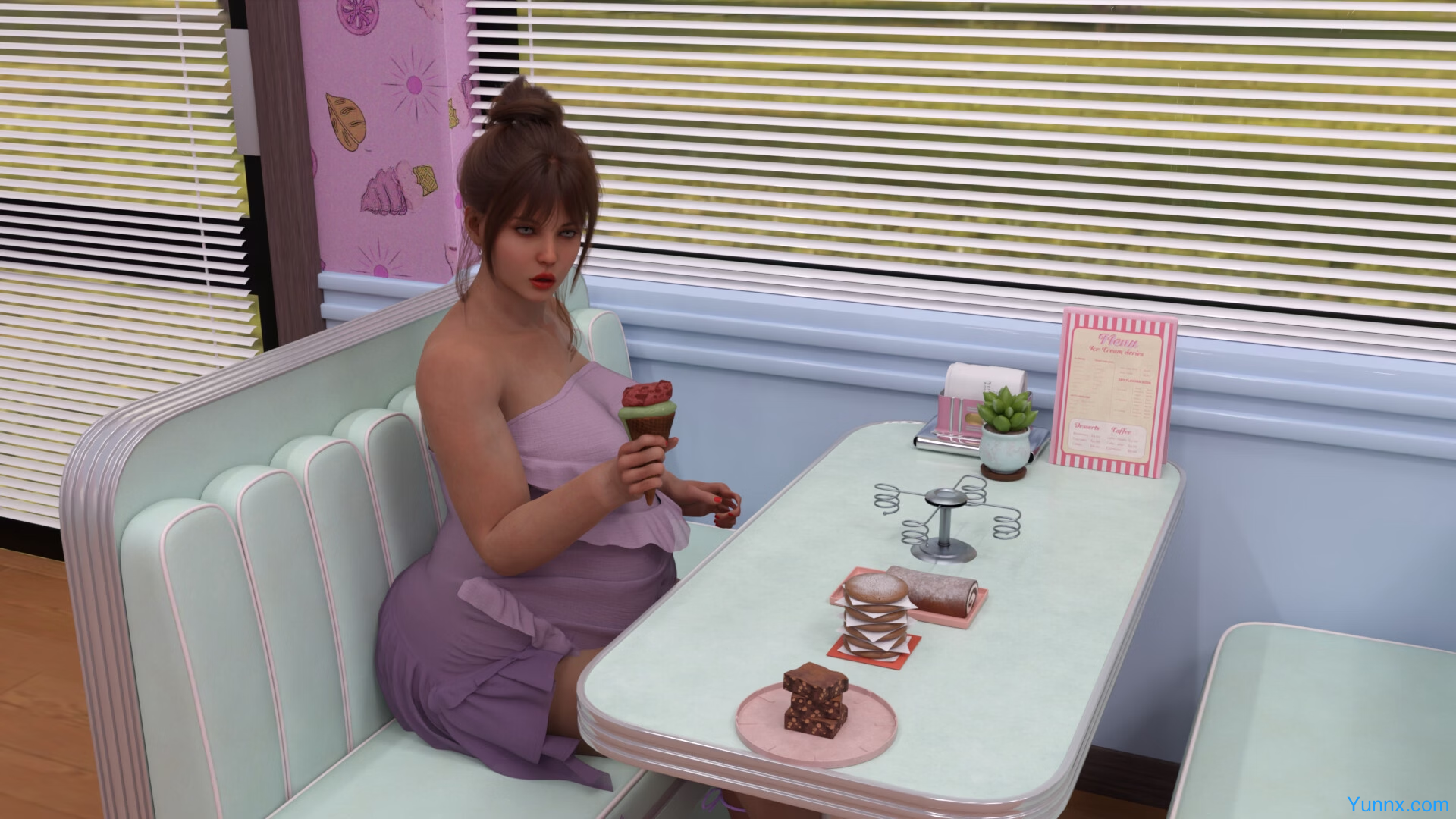
In Opportunities to Stuff, players immerse in a cinematic visual novel where appetite and emotion collide. Guide characters through life’s tangled paths, shaping destinies as indulgence and restraint blur the lines between compassion and exploitation. Every choice echoes through stories of transformation, revealing how lives intertwine in fragile, unforgettable ways.
Core Themes of Influence
1. Explore interconnected lives: Traverse diverse character perspectives, from a chef grappling with gluttony to a grieving widow finding solace in excess. Each narrative thread reveals hidden desires and vulnerabilities.
2. Moral ambiguity drives action: Decide whether to exploit others’ weaknesses for personal gain or intervene to redirect their paths—choices that ripple across the game’s world, altering relationships and endings.
3. Transformation as consequence: Witness characters evolve (or unravel) through cycles of indulgence and restraint, from minor emotional shifts to irreversible life-altering events.
Narrative Mechanics & Depth
1. Dynamic storytelling: Dialogue and branching paths adapt in real-time to player decisions, creating uniquely personalized journeys. No two playthroughs mirror the same emotional arcs.
2. The “Identity System: Temporarily inhabit another character’s viewpoint mid-story, offering layered insights into their motivations—a mechanic that challenges players to confront their own biases.
3. Symbolic visuals: Themes of hunger and control manifest visually through surreal metaphors, like characters physically swelling with guilt or collapsing under emotional weight.
Emotional & Aesthetic Impact
1. Cinematic aesthetics: Seamless transitions between illustrated backgrounds and live-action inspired character portraits amplify tension, creating a hauntingly intimate experience.
2. Soundtrack immersion: A minimalist score swells or fades to mirror internal struggles, while ambient sounds—like a crackling fireplace or a distant cry—anchor players in pivotal moments.
3. Ethical reflection prompts: Post-scene journals invite players to ponder real-world parallels between the game’s themes of excess and societal expectations.